
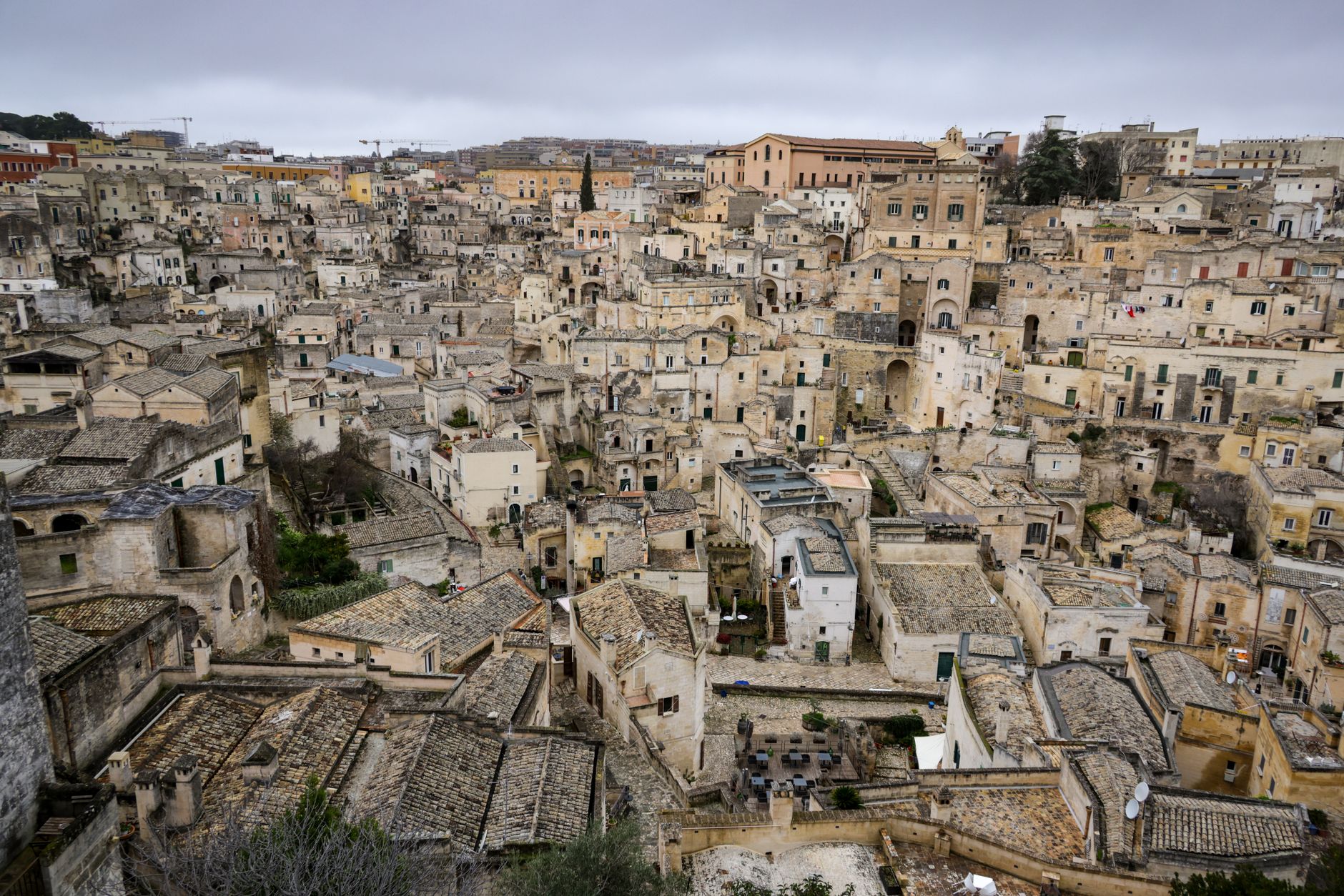
Tired of the usual summer solstice fanfare? I was too, until a whim led me to Matera, Italy – a city carved from rock that time forgot. What I found was a profound, breathtaking celebration of light, history, and ancient wonder that completely transformed my perspective on the longest day of the year. ---
## I Celebrated Summer Solstice in a Place You'd Never Expect and I Wish I'd Known Sooner
For years, my Summer Solstice routine was, well, predictable. A backyard BBQ, maybe a bonfire with friends, or if I was feeling particularly ambitious, a trip to a local park for a sunset picnic. Don't get me wrong, these were lovely, but they lacked a certain... magic. I craved something more profound, a connection to the ancient rhythm of the earth that the longest day of the year truly embodies. I wanted to feel the sun's full power in a place that resonated with history, a place that knew about ancient celebrations.
But where? Stonehenge felt too obvious, the Scandinavian midnight sun too far for a last-minute decision. I found myself scrolling through obscure travel blogs, fueled by a potent mix of wanderlust and a desire for something truly unique. Then, a single, grainy photo of a city carved into rock caught my eye. Matera, Italy. A UNESCO World Heritage site, a European Capital of Culture, and a place I’d heard whispered about but never truly considered. A city of caves, ancient dwellings, and a history so deep it felt like stepping back in time. Could this be it? Could this be the unexpected haven for my Solstice quest?
Spoiler alert: It was. And not only was it everything I hoped for, it was so much more. I wish I’d known about Matera’s profound magic sooner because it completely redefined what a Summer Solstice celebration could be.
### The Call of the Ancient City: My First Glimpse of Matera’s Sassi
Booking a flight to Bari (the nearest major airport) and a short bus ride later, I found myself standing on the edge of a ravine, gazing at Matera. My jaw literally dropped. It wasn't just a city; it was a living, breathing sculpture. Houses carved into the rock face, layered upon each other like a surreal, geological honeycomb. The "Sassi," as these ancient cave dwellings are known, cascaded down the hillside, a labyrinth of stone steps, narrow alleys, and hidden courtyards. It felt less like arriving at a destination and more like discovering a lost world.
The air itself felt different – heavy with history, fragrant with wild herbs and the promise of impending summer heat. Matera is one of the oldest continuously inhabited settlements in the world, a place where people lived in caves for millennia. This wasn't some theme park recreation; this was authentic, raw, and utterly captivating. As I navigated the winding paths to my cave hotel (yes, a cave hotel!), I felt a thrill of anticipation. This was going to be an Solstice unlike any other. The sheer scale and antiquity of the place immediately made my usual backyard BBQ feel utterly trivial. This was a place where the sun had risen and set over countless generations, witnessing untold stories.
### Solstice Eve: A Twilight of Wonders and Ancient Echoes
The day before the Solstice was a blur of exploration. I wandered aimlessly, allowing Matera’s winding paths to lead me. Every corner revealed a new vista, a hidden church carved into the rock, or a tantalizing glimpse into a private courtyard. The Sassi are divided into two main districts, Sasso Barisano and Sasso Caveoso, each with its own charm. I spent hours in Sasso Caveoso, the more ancient and atmospheric of the two, imagining life within those stone walls centuries ago.
As evening approached on Solstice Eve, the city began to glow with a magical light. The ochre stones took on a warm, golden hue, and the shadows deepened, creating dramatic contrasts. I found a small, family-run trattoria tucked away in a quiet alley – Trattoria Lucana (Via Lucana, 48, Matera). The owner, a jovial man named Giovanni, served me plates of local specialties: cavatelli con peperoni cruschi (pasta with crispy sun-dried peppers, a Materan staple) and a robust red wine from the Basilicata region. The food was simple, honest, and utterly delicious, a true taste of the land. The bill came to a very reasonable €25, including wine.
Later, I joined a small walking tour focused on Matera's Rupestrian Churches – ancient cave churches adorned with stunning Byzantine frescoes. Our guide, a passionate local historian, spoke of the Solstice and its significance in ancient agricultural societies, of rituals performed to honor the sun's power and ensure a bountiful harvest. There was no big "festival" planned for the Solstice in Matera, no loud music or fireworks. Instead, there was a palpable sense of quiet reverence, a profound respect for the rhythms of nature that permeated the very stone of the city. As twilight deepened and the first stars appeared, I felt a deep sense of connection to all those who had watched the longest day fade in this very spot. It was a subtle, powerful magic I’d never experienced before.
### Dawn of the Longest Day: A Solstice Revelation
My alarm went off at 4:30 AM. Sleepy but determined, I pulled on some clothes and set out into the pre-dawn darkness. The air was cool and still, carrying the faint scent of damp stone and wild jasmine. Matera was silent, save for the distant chirping of crickets. My destination was a viewpoint high above the Sassi, near the Belvedere di Murgia Timone, offering panoramic views of the entire city. It required a short, invigorating walk across the ravine, a path that felt almost sacred in the dim light.
I wasn't alone. A handful of other early risers, mostly locals, had gathered, each with their own quiet reverence. We stood in comfortable silence, facing east, watching the sky slowly transform. First, a faint blush of pink, then streaks of orange and gold, painting the heavens above the ancient city. And then, slowly, majestically, the sun emerged, a brilliant orb cresting the horizon. Its first rays hit the Sassi, illuminating the pale stone, making it glow as if from within.
It was breathtaking. The light seemed to pour into every crevice, awakening the sleeping city. The silence was broken only by a collective sigh of awe. This wasn't a party; it was a meditation. A profound moment of witnessing the earth's rotation, the sun's power, in a place that has endured for millennia. I felt the weight of history, the cyclical nature of time, and my own small place within it. It was a feeling of pure, unadulterated wonder, a spiritual experience that far outstripped any bonfire or BBQ. This was the Solstice I had been searching for, a moment of deep connection to something ancient and eternal. I found myself wishing I had known about this feeling, this place, years ago.
### Beyond the Sassi: Puglia’s Hidden Gems and a Taste of the Coast
While Matera itself is a marvel, the beauty of this region extends beyond its immediate boundaries. After my profound Solstice morning, I decided to explore some of the surrounding areas in Puglia, which is just a stone's throw away. This added a wonderful contrast to Matera’s ancient, introspective vibe.
My first stop was Alberobello, famous for its unique trulli – conical-roofed, dry-stone huts that look like something out of a fairy tale. It’s undeniably touristy, but seeing these architectural wonders up close is a must. Wandering through the Trulli Rione Monti and Rione Aia Piccola, I felt like Alice in Wonderland. A small souvenir shop owner even offered me a taste of local almond liqueur. I spent about three hours here, enough to soak it all in and grab some truly Instagram-worthy shots. You can get here by bus from Matera (changing in Bari or direct in peak season) or a relatively inexpensive taxi.
Later that afternoon, I headed to Polignano a Mare, a stunning coastal town perched dramatically on limestone cliffs overlooking the Adriatic Sea. The contrast after Matera was striking – bright blue waters, whitewashed buildings, and the lively buzz of a seaside town. I had a late lunch of fresh seafood pasta at Grotta Palazzese Restaurant (Via Narciso, 59) – a splurge, yes, but dining in a natural cave overlooking the sea was an unforgettable experience (€80-€150 per person, depending on drinks/courses). For a more budget-friendly option, there are plenty of delicious paninotecas and trattorias in the town center, offering fresh seafood and local wine for €15-€30. I spent the rest of the afternoon swimming in the clear waters of Lama Monachile beach, a tiny cove nestled between two cliffs, before enjoying a gelato and watching the sunset paint the sea in hues of orange and purple. This day trip proved that the region around Matera offers incredible diversity, making it a perfect base for a longer exploration.
### Practical Magic: Planning Your Own Matera Solstice Adventure
Inspired to experience this magic for yourself? Here's what you need to know to plan your unforgettable Matera Solstice (or any time of year!) trip:
* Getting There: Fly into Bari Karol Wojtyła Airport (BRI). From Bari, you can take a local train (Ferrovie Appulo Lucane) or a bus directly to Matera. The journey takes about 1.5-2 hours and costs around €5-€10. Renting a car gives you more flexibility for exploring Puglia, but Matera itself is best explored on foot. Be aware that driving and parking within Matera’s historic center is restricted.
Where to Stay: This is crucial for the Matera experience! Stay in a sasso* (cave dwelling) hotel. I stayed at Sextantio Le Grotte della Civita (Via Civita, 28) for a truly luxurious and authentic experience (expect €250-€500+ per night, depending on the season and room type). For more budget-friendly options, there are many charming B&Bs and guesthouses like L'Hotel In Pietra or Hydria Rooms offering rooms for €100-€200 per night. Book well in advance, especially for summer.
* What to Eat: Matera's cuisine is hearty and delicious. Don't miss:
* Pane di Matera: The famous, irregularly shaped bread, a UNESCO intangible cultural heritage.
* Cavatelli con Peperoni Cruschi: Pasta with fried crunchy peppers.
* Fagioli e Cotiche: Beans with pork rinds (a rustic delight).
* Pasticciotto: A sweet pastry, especially from Puglia.
* Local Wines: Aglianico del Vulture (red) and Greco di Tufo (white).
* What to Do:
* Explore the Sassi: Get lost! It's the best way to discover hidden gems.
* Visit the Rupestrian Churches: Hire a guide to fully appreciate the frescoes and history.
* Casa Noha: A multimedia exhibit offering a fantastic introduction to Matera’s history.
* Matera Cathedral: Offers stunning views and beautiful architecture.
* Murgia Materana Park: Hike across the ravine to the cave churches and panoramic viewpoints.
* Best Time to Visit: While my Solstice trip was magical, Matera is beautiful year-round. Spring (April-May) and Autumn (September-October) offer pleasant weather and fewer crowds. Summer can be hot, but the long daylight hours are perfect for exploration.
Budgeting: Matera can be done on a range of budgets. A luxurious cave hotel and fine dining will be pricey, but there are plenty of affordable B&Bs, street food options (try a focaccia*!), and local trattorias. Expect to spend €50-€150 per day for mid-range travel (accommodation, food, some activities).
### Why Matera for Solstice? A Reflection on Ancient Light
Matera isn't a place for a wild Solstice party. It's a place for reflection, for connection, for understanding. It's a city that embodies the very essence of time – of human resilience, of living in harmony with the land, of ancient traditions that whisper through the stone. Celebrating the Summer Solstice here wasn't about a fleeting moment of revelry; it was about experiencing the longest day in a place where the sun has been revered for millennia.
The light in Matera is unique. It shifts and plays on the ochre stones, revealing new textures and depths throughout the day. To witness the Solstice dawn here is to feel a profound link to our ancestors, to understand the raw power and beauty of the natural world in a way that modern life often obscures. It’s a reminder that even in our fast-paced world, there are places where time slows down, where history breathes, and where the simple act of watching the sun rise can be a deeply spiritual experience.
I genuinely wish I had discovered this sooner. Matera opened my eyes to a different kind of travel, a different kind of celebration. It was unexpected, authentic, and utterly transformative.
So, if you're looking to break free from the ordinary, to find a Solstice celebration that nourishes your soul rather than just entertaining your senses, look no further than Matera. Go. Get lost in its labyrinthine streets. Taste its ancient flavors. And witness the longest day in a city that has seen more sunrises than almost anywhere else on Earth. You won't regret it.
---
What's your most unexpected travel discovery? Have you celebrated Solstice somewhere truly unique? Share your stories in the comments below! And don't forget to tag #TripsoraMatera and #SolsticeSeeker on your next adventure!
---
Visual journey


Tags
Share this adventure
Join the travel community
New adventures, cultural insights and travel inspiration, straight to your inbox.
We may receive a commission if you click on a link and buy a product, service or policy, at no extra cost to you. How affiliate links work.
Other angles on this trip
These notes are written by AI to show how different kinds of traveller might see this destination. They are not comments from real readers.