
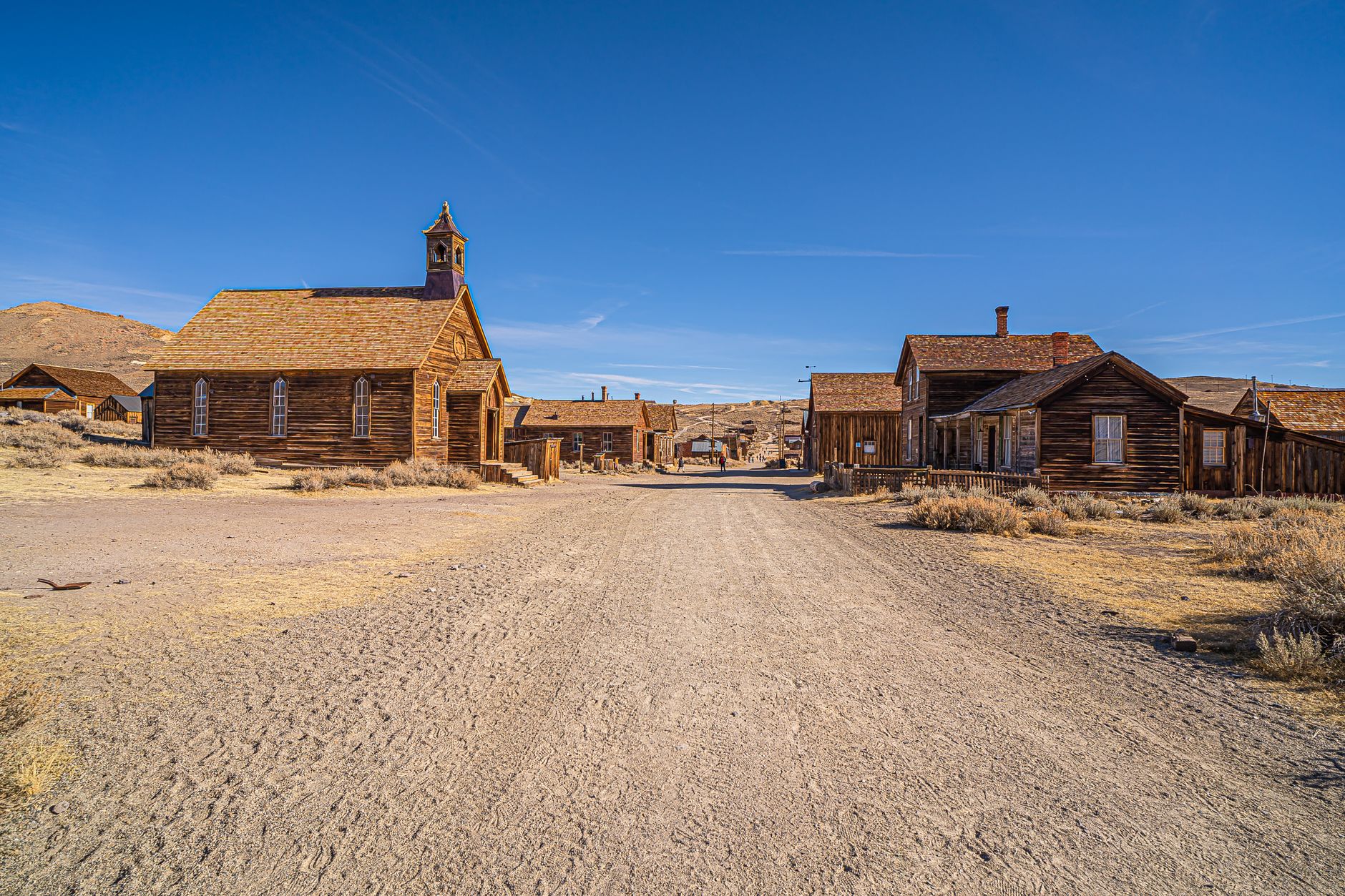
Burnt out by the digital grind, I sought escape in the most unlikely place: a week-long immersion in Bodie, California, a perfectly preserved ghost town. What started as a quest for quiet turned into a profound journey of self-discovery, proving that sometimes, the greatest lessons are found where life once thrived and now stands still. --- ##
### The Echo of Silence: My Unlikely Escape to Bodie
My phone buzzed, a constant, insistent hum that had become the soundtrack to my life. Another email, another notification, another curated glimpse into someone else’s highlight reel. As a travel blogger, I was perpetually "on," chasing the next trending destination, the most Instagrammable shot, the viral moment. But lately, the thrill was gone. My wanderlust felt less like a passion and more like a performance. I was seeing the world, but I wasn't feeling it. I was connected to everyone, yet profoundly disconnected from myself.
I needed a reset, a radical departure from the hyper-connected, fast-paced world I inhabited. I craved silence, solitude, and a place where time itself seemed to have paused. And that's when the idea, audacious and exhilarating, struck me: a ghost town. Not a quick day trip, but a full, immersive week. A complete digital detox, a journey into the past, a forced confrontation with stillness.
My chosen destination? Bodie State Historic Park, California. Nestled high in the Sierra Nevada mountains, Bodie isn't just an abandoned town; it's a state of "arrested decay." Buildings stand as they were left, filled with their original contents, preserved in a perpetual state of fading glory. It's a place where the echoes of a booming gold rush era still whisper on the wind, a raw, authentic slice of history. Most visitors come for a few hours. I planned to make it my home.
Getting special permission to stay in a small, rustic cabin just outside the park entrance, typically reserved for researchers or rangers, wasn't easy. It involved a lot of emails, proposals about historical documentation and deep-dive photography, and a promise to adhere to every strict rule of the park. But the opportunity to experience Bodie not as a tourist, but as a temporary resident, was too compelling to pass up. I packed my camera gear, a journal, sturdy boots, and a profound sense of trepidation and excitement. Little did I know, this week would unravel not just the mysteries of Bodie, but the very fabric of my own perspective.
### Days of Dust and Whispers: My Routine in a Time Capsule
The first morning in Bodie was unlike any I’d ever experienced. I woke before dawn, not to an alarm, but to the profound silence broken only by the chirping of unseen birds and the whisper of the wind through skeletal sagebrush. Stepping out of my cabin, the air was crisp, thin, and carried the faint scent of dust and ancient wood. The eastern sky was just beginning to blush, casting long, dramatic shadows across the desolate landscape.
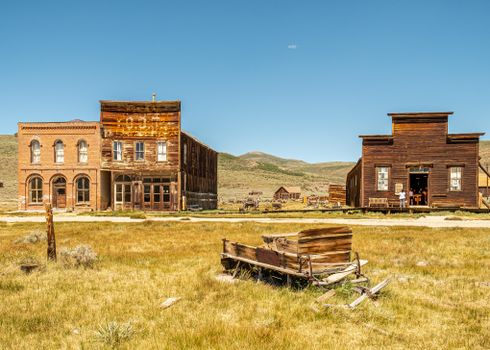
My routine quickly settled into a rhythm dictated by the sun and the raw, untamed environment. Each day, after a simple breakfast of oatmeal and instant coffee, I’d walk into the heart of Bodie, usually before any other visitors arrived. This was my golden hour – the town entirely to myself. I’d wander the main street, feeling like I’d stepped through a portal. The General Store, with its shelves still stocked with goods; the Saloon, bottles gathering dust behind the bar; the schoolhouse, slates still bearing chalk marks. Every detail was a story waiting to be heard.
I spent hours exploring, camera in hand, but often just observing. I’d sit on a crumbling porch, listening. Listening to the wind whistling through broken window panes, making the old structures creak and groan as if they were still alive. Listening to the distant call of a coyote, the rustle of a lizard in the dry grass. But mostly, I listened to the silence. A silence so profound it felt like a presence, a vast, empty canvas that allowed my own thoughts, long drowned out by digital noise, to finally surface.
Afternoons were for deeper dives. I'd spend hours in a single building, meticulously documenting its contents, imagining the lives lived within its walls. I’d trace the faded wallpaper in a miner’s cabin, wondering about the family who once called it home. I’d peer into the mechanics shop, tools still neatly arranged, envisioning the hands that once wielded them. There was no cell service, no Wi-Fi, no distractions. My only companions were my notebook, my camera, and the ghosts of Bodie.
Evenings were equally magical. As the sun dipped below the western peaks, painting the sky in fiery hues, Bodie transformed again. The shadows deepened, the air grew cold, and the town took on an even more ethereal quality. I’d often hike up a nearby hill to watch the stars emerge, millions upon millions of them, unobscured by light pollution. It was a humbling, awe-inspiring spectacle that made me feel incredibly small, yet profoundly connected to something ancient and vast. This wasn’t just a ghost town; it was a sanctuary, a living museum of stillness.
### Unearthing Stories: The Ghosts of Bodie's Past
Bodie wasn't always silent. In its heyday in the late 1870s, it was a bustling, wild, and lawless gold mining town, home to nearly 10,000 people. It boasted 65 saloons, dance halls, a Chinatown, and a reputation for violence. "Good-bye, God, I'm going to Bodie" was a common farewell. As I walked its dusty streets, the silence wasn't empty; it was pregnant with these untold stories.
I spent a lot of time in the Museum, a small building filled with artifacts and photographs, reading accounts of Bodie's residents. There was the story of the Bodie Bank robbery, a daring heist in 1890. The tale of the Reverend F.M. Van Duzer, who tried to bring salvation to the notoriously sinful town. I learned about the hardships of the miners, the resilience of the women, the children who played amidst the dust and danger.
Each decaying structure became a portal to these lives. The old Methodist Church, still standing albeit leaning, reminded me of the community's attempts at order amidst chaos. The cemetery, with its weathered wooden headstones, told tales of short, brutal lives cut short by mining accidents, disease, or violence. The small, unassuming homes, still containing furniture and personal effects, spoke volumes about the people who hastily abandoned them when the gold ran out and the boom turned to bust.
What struck me most was the sheer human grit and determination. These people built a thriving town in an incredibly harsh, remote environment, fueled by hope and the promise of riches. Their lives were hard, filled with struggle, but also vibrant and full of human drama. Seeing their belongings – a child's toy, a woman's sewing machine, a miner's pickaxe – left exactly where they were, created a powerful, visceral connection to history. It wasn't just dates and names; it was the tangible residue of dreams, failures, and everyday existence. Bodie wasn't just a collection of old buildings; it was a monument to the human spirit, a testament to the cycles of boom and bust, hope and despair.
### The Digital Detox & Sensory Overload (of a Different Kind)
One of the most challenging, yet ultimately rewarding, aspects of my week was the forced digital detox. My phone, once an extension of my hand, became a mere camera, its communication capabilities rendered useless by the lack of signal. The initial withdrawal was palpable. I’d instinctively reach for it, check for phantom vibrations, feel a pang of anxiety at being "out of touch." But as the days passed, something shifted.
My senses, long dulled by the constant barrage of digital information, began to sharpen. I started truly seeing the intricate patterns of rust on an old stove, the delicate dance of wildflowers in the breeze, the subtle changes in light throughout the day. I heard the distinct calls of different birds, the crunch of my boots on gravel, the profound silence between gusts of wind. I smelled the dry earth, the aged wood, the faint metallic tang of the mineral-rich ground.
My mind, no longer constantly processing notifications and external stimuli, had room to breathe. My thoughts became clearer, more focused. I found myself journaling for hours, filling pages with observations, reflections, and ideas that had been buried under layers of digital noise. Creativity, which I’d felt was stagnating, began to flow freely. I wasn't just taking photos; I was composing them, thinking about light, shadow, and narrative in a way I hadn't in years.
This forced disconnection was a powerful reminder of how much we miss when our attention is constantly fragmented. It taught me the profound value of being present, of truly experiencing the moment without the urge to immediately capture and share it. The beauty of Bodie was amplified because I was experiencing it purely, for myself, without the lens of social media.
Practical Tip: Embrace the Digital Detox:
Even if you can't spend a week in a ghost town, try a mini-detox on your next trip. Designate "phone-free" hours or days. Leave your phone in the hotel room. Carry a small notebook instead of constantly checking your device. You'll be amazed at how much more you notice and how much richer your experience becomes.
### Unexpected Encounters & Moments of Awe
While Bodie is famed for its silence, it wasn't entirely devoid of life. One morning, as I explored the outskirts of the town, I spotted a coyote, sleek and watchful, observing me from a safe distance before melting into the sagebrush. Birds, surprisingly numerous, flitted in and out of the skeletal buildings, making their homes in the rafters of abandoned saloons. These glimpses of nature thriving amidst decay were a powerful counterpoint to the human story of boom and bust.
One evening, I had a brief, but memorable, interaction with a lone park ranger. He was doing his rounds, ensuring the park was secure. We chatted about the history of Bodie, the challenges of preserving it, and the unique magic of the place. He shared a story about seeing the "Bodie lights" – faint, unexplained glows that some claim are the spirits of former residents. While I didn't witness them myself, his reverence for the town's history and its lingering mysteries underscored the profound connection many feel to this place.
But the most awe-inspiring moments often came from the simplest observations. One afternoon, I found a child's wooden wagon, half-buried in the dust near what was once a small home. Its paint was faded, its wheels askew, but it was undeniably a toy, a relic of childhood joy in a harsh world. I sat beside it for a long time, imagining the child who once played with it, the laughter and tears it witnessed. It was a poignant reminder of the universal human experience, transcending time and circumstance.
Another unforgettable moment was witnessing a full moonrise over Bodie. The moon, huge and luminous, slowly ascended above the eastern Sierra peaks, casting an otherworldly glow on the silent town. The decay seemed less stark, more beautiful, bathed in the silver light. The shadows danced, the old buildings stood like sentinels, and for a fleeting moment, it felt like the entire town was breathing again, imbued with a quiet, ancient energy. It was a moment of pure, unadulterated wonder, a privilege to witness.
### The Great Perspective Shift: What I Learned From the Ghosts
As my week in Bodie drew to a close, packing my bags felt different. The initial anxiety about being disconnected had been replaced by a quiet contentment. The silence, once intimidating, now felt like a comforting embrace. Bodie hadn't just given me a break from the digital world; it had given me a profound re-evaluation of my own life and priorities.
Here's what Bodie taught me:
1. The Beauty of Impermanence: Bodie is a stark reminder that nothing lasts forever. Towns rise and fall, fortunes are made and lost, lives begin and end. This isn't a morbid thought, but a liberating one. It encourages us to appreciate the present, to make the most of our time, and to understand that our struggles and triumphs are part of a much larger, ongoing story.
2. The Power of Stillness: In a world that constantly demands our attention, finding genuine stillness is a revolutionary act. It's in these quiet moments that we can truly hear ourselves, process our thoughts, and connect with our inner wisdom. My week in Bodie taught me that true travel isn't just about seeing new places, but about seeing new parts of yourself.
3. Appreciation for Simplicity: Stripped of modern conveniences and distractions, life in Bodie (even my temporary, privileged version) was simple. My needs were basic: shelter, food, water, and the vast, open landscape. It made me question how much "stuff" I truly need and how much of it is just noise.
4. The Enduring Human Spirit: Despite the harsh conditions and inevitable decline, the stories of Bodie's residents speak of incredible resilience, hope, and community. Their lives, though long past, reminded me of the enduring human capacity to adapt, to dream, and to create, even in the most challenging circumstances.
5. Reconnecting with Authenticity: As a travel blogger, I often felt pressured to present a perfect, polished version of my experiences. Bodie, in its raw, unfiltered decay, taught me the beauty of authenticity. It's okay for things to be imperfect, to be messy, to simply be. This extends to my own work – I want to share more real, unfiltered stories, not just curated highlights.
Leaving Bodie felt like waking from a dream, but one that left an indelible mark. My perspective on travel, on life, on connection, had been irrevocably altered. I still love sharing my adventures, but now, I approach it with a renewed sense of purpose, a deeper appreciation for the stories behind the selfies, and a profound respect for the transformative power of genuine experience.
### Go Beyond the Postcard: Find Your Own Ghost Town
My week in Bodie was more than just a trip; it was a pilgrimage. It wasn't about finding gold, but about finding myself. If you're feeling overwhelmed, disconnected, or simply yearning for a different kind of adventure, I urge you to consider a similar journey. It doesn't have to be Bodie (though I highly recommend it!). There are ghost towns and abandoned places all over the world, each with its own unique story.
Practical Tips for Visiting Ghost Towns (or any Immersive, Reflective Trip):
* Do Your Research: Understand the history, rules, and accessibility. Many ghost towns are protected historic sites (like Bodie) with strict regulations. Respect them.
* Go Off-Season/Off-Peak: To truly experience the solitude, avoid peak tourist times. Early mornings and late afternoons are magical.
* Pack Smart: Bring layers, sturdy shoes, plenty of water, snacks, and a first-aid kit. Many ghost towns are remote.
* Prioritize Digital Detox: Resist the urge to constantly check your phone. Use it for photos, but put it away to truly soak in the atmosphere.
* Bring a Journal: Document your thoughts, feelings, and observations. It's an incredible way to process your experience.
* Respect the Past: Do not take souvenirs. Do not disturb anything. These are historical treasures, preserved for future generations.
* Stay Safe: Inform someone of your itinerary, especially if you're traveling solo to remote areas.
* Embrace the Silence: Allow yourself to simply be. Listen. Observe. Let the stories of the past wash over you.
This journey to Bodie wasn't about escaping life; it was about re-engaging with it on a deeper, more authentic level. It taught me that sometimes, the most profound adventures aren't found in bustling cities or exotic beaches, but in the quiet, forgotten corners of the world, where the past whispers its timeless lessons. So, go ahead. Seek out your own ghost town. Let the silence speak to you. You might just find that it changes your perspective on everything.
What's your favorite forgotten place? Share your stories in the comments below!
---
Visual journey


Tags
Share this adventure
Join the travel community
New adventures, cultural insights and travel inspiration, straight to your inbox.
We may receive a commission if you click on a link and buy a product, service or policy, at no extra cost to you. How affiliate links work.
Other angles on this trip
These notes are written by AI to show how different kinds of traveller might see this destination. They are not comments from real readers.