

Ever dreamed of capturing those jaw-dropping aerial shots, only to be grounded by confusing drone laws? I've been there! Join me as I reveal incredible, legal drone havens worldwide that locals have tried to keep under wraps, ensuring your next travel footage is nothing short of legendary. ---
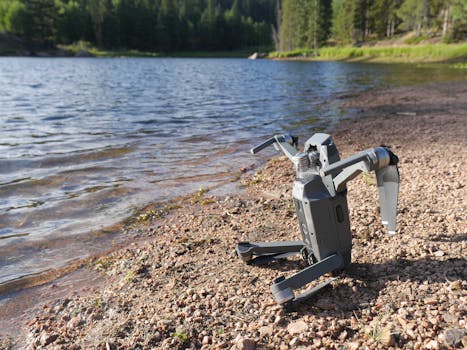
The crisp morning air bit at my exposed fingers as I carefully launched my DJI Mavic from a rocky outcrop overlooking a turquoise fjord. Below, a lone fishing boat cut a serene path, leaving a perfect V-wake on the glassy water. Above, the sun, barely kissing the horizon, painted the sky in hues of fiery orange and soft lavender. This wasn't some restricted national park or a crowded tourist trap. This was my secret spot, hard-won after days of research, local inquiries, and navigating complex regulations. And the footage? Absolutely epic.
I remember my early drone flying days – a mix of exhilarating highs and frustrating lows. The high of seeing the world from a bird's-eye view, the low of realizing that perfect waterfall or ancient ruin was a no-fly zone. I’ve had my drone confiscated (briefly, thankfully!), received stern warnings, and spent countless hours deciphering obscure aviation rules written in languages I barely understood. It was a steep learning curve, but one that taught me an invaluable lesson: the most incredible drone shots aren't found by breaking rules, but by diligently finding the places where you can legally soar.
And guess what? There are more of these places than you think. Places where the landscapes are so dramatic, so untouched, so utterly photogenic, that you'll wonder why they aren't plastered all over Instagram with drones buzzing overhead. The truth is, many of these spots require a bit of extra effort to discover, a little more paperwork, or simply a willingness to venture off the beaten path. But trust me, the reward is worth every single step.
This isn't just a list; it's a guide born from personal experience, countless hours of research, and a passion for capturing the world from above. So, charge your batteries, pack your bags, and let's uncover some of the most breathtaking, legally permissible drone locations on Earth that even the locals might try to keep secret.
### The Golden Rule: Research, Respect, and Re-check!
Before we dive into the specific locations, let's establish the foundational rules of responsible drone travel. This isn't just about avoiding fines; it's about being a good ambassador for the drone community and ensuring these incredible places remain accessible.
Official Sources are Gold: Always, always* check the official civil aviation authority website for your destination country. For the US, it's the FAA; for Europe, EASA; for Canada, Transport Canada, and so on. These are the definitive sources for regulations, no-fly zones, and permit requirements. Don't rely solely on travel blogs (even mine!) or forum posts, as regulations change constantly.
* Local Laws Matter: Beyond national regulations, local municipalities, regional parks, and even private landowners can have their own rules. A quick email to the local tourism board or a friendly chat with a park ranger can save you a lot of hassle.
* Use Drone Apps: Apps like B4UFLY (US), Drone Assist (UK), or Airmap can provide real-time airspace information, but again, cross-reference with official sources.
* Permits are Your Friend: Many truly epic locations require permits. Don't view this as a bureaucratic hurdle, but as your golden ticket to exclusive airspace. Start the application process well in advance, as it can take weeks or even months.
* Respect Wildlife & Privacy: Never harass animals or fly too close to people. Maintain a safe distance, especially from nesting birds or sensitive ecosystems. Privacy is paramount – avoid flying over private homes or crowded areas without explicit permission.
* Insurance: Get it. Seriously. Accidents happen, and having liability insurance can save you from financial ruin.
With that out of the way, let's get to the good stuff!
### 1. Iceland's Untamed Highlands & Coastal Edges: Beyond the Golden Circle
Iceland is a drone pilot's dream, a land of fire and ice, black sand beaches, and otherworldly landscapes. While iconic spots like Jökulsárlón glacier lagoon and Reynisfjara black sand beach are often crowded and have increasing restrictions (or outright bans) due to tourism impact, the real magic, and often the legal flying, lies beyond the well-trodden Golden Circle.
My first trip to Iceland was a revelation. I remember flying near Stokksnes and Vestrahorn Mountain on the southeast coast. The iconic "Batman Mountain" rising dramatically from the black sand beach, with the waves crashing in, is pure photographic gold. While popular, early mornings or late evenings often mean fewer crowds and more freedom. The key here is to stay off the private Viking Village land (which has a small entrance fee to access the beach, and explicit drone rules posted). I got some incredible shots of the mountain reflecting in the shallow waters, the dramatic lines of the sand dunes, and the powerful Atlantic waves. The air here can be incredibly windy, so check your forecasts and be prepared for turbulent flights. My Mavic 2 Pro held up like a champ, but I’ve seen smaller drones struggle.
For truly "secret" and less restricted flying, head to the Icelandic Highlands. This vast, uninhabited interior is a rugged wonderland of colorful rhyolite mountains, geothermal areas, and glacial rivers. Places like Landmannalaugar (while having some restrictions in the immediate area due to foot traffic) and the expansive areas around Kerlingarfjöll offer unparalleled aerial opportunities. However, this is where the permit research comes in. Much of the Highlands falls under protected areas, so securing a permit from the Icelandic Environment Agency (Umhverfisstofnun) is often necessary. It's a bit of paperwork, outlining your flight plan and purpose, but the reward is flying over landscapes that look like they belong on another planet. I spent an entire day near some remote hot springs, capturing the steam rising from the earth against the backdrop of vibrant green and orange hills – a shot that still gets comments whenever I post it.
Practical Tips for Iceland:
* Permits: For protected areas (like many parts of the Highlands), apply to the Icelandic Environment Agency well in advance.
* Weather: Iceland's weather is notoriously unpredictable. Strong winds are common. Always check wind forecasts before launching.
* Battery Life: Cold weather drains batteries faster. Keep them warm until just before flight.
* Respect: Stay away from nesting birds (especially Arctic Terns!) and avoid flying over crowds.
Estimated Permit Cost:
Varies, often free for recreational use in certain areas but requires an application. Commercial permits are more involved.
### 2. Jordan's Wadi Rum Desert: Flying Over Mars
Imagine flying your drone over landscapes so alien, so majestic, that they were chosen as the filming location for "The Martian." Welcome to Wadi Rum, Jordan's breathtaking desert wilderness. While Jordan has relatively strict drone import and flying regulations, with proper preparation, it's absolutely possible to capture some of the most stunning aerial footage of your life. And the locals, the Bedouin, are often incredibly welcoming once they understand you're respecting their land.
My journey to fly in Wadi Rum involved a fair bit of bureaucracy. I applied for my drone permit through the Royal Jordanian Air Force (RJAF) via a local fixer (a tour operator specializing in adventure tourism) several months before my trip. It was a back-and-forth process involving passport copies, drone serial numbers, and flight plans. But when that approval email finally landed in my inbox, I felt like I'd won the lottery.
Once in Wadi Rum, staying with a Bedouin camp was an essential part of the experience. My guide, Mohammed, initially skeptical, became my biggest advocate after seeing the first few shots. He took me to some truly hidden spots – vast, empty expanses of red sand dunes, towering sandstone jebels (mountains), and ancient rock formations that looked like colossal sculptures. We'd drive for miles in his old 4x4, find a secluded spot, and I'd launch. The silence, broken only by the drone's whir, was profound.
One morning, Mohammed led me to a lesser-known natural arch. Flying my drone through the arch (with careful line-of-sight and ample space, of course!) was an unforgettable experience. The way the early morning light illuminated the red rock, casting long shadows across the desert floor, was pure magic. This isn't a landscape you just visit; it's one you feel, and seeing it from above adds an entirely new dimension.
Practical Tips for Jordan/Wadi Rum:
* Permits are Mandatory: Do not attempt to bring a drone into Jordan or fly without a pre-approved permit from the RJAF. Contact a local tour operator well in advance to assist with the application process. Attempting to bring a drone without a permit will almost certainly result in confiscation at the airport.
* Customs: Even with a permit, be prepared for thorough checks at customs. Have all your documentation ready.
* Heat & Sand: Desert environments are tough on drones. Protect your equipment from sand (especially during landings/takeoffs) and extreme heat.
* Respect Bedouin Culture: Always ask permission before flying near camps or people. The Bedouin are incredibly hospitable, and showing respect goes a long way.
* Cost: The permit processing fee can vary, usually handled by your local fixer. Expect to pay anywhere from $100-$300 for the service.
### 3. Chile's Aysén Region & Carretera Austral: Patagonia's Wild Heart
When people think of Patagonia, they often think of Torres del Paine National Park in Chile or El Chaltén in Argentina. While undeniably stunning, these areas are either heavily restricted or outright no-fly zones due to national park regulations and high foot traffic. But Patagonia is vast, and its true wild heart, the Aysén Region in Chile, offers some of the most dramatic, untouched landscapes a drone pilot could dream of, with far fewer restrictions.
My journey along the Carretera Austral, a legendary gravel road winding through fjords, glaciers, and temperate rainforests, was a drone pilot's paradise. I specifically focused on areas outside national parks. One of my favorite spots was near Puerto Río Tranquilo, known for its Marble Caves. While you can't fly directly over the caves (they're within a protected area and boat traffic makes it risky), the surrounding General Carrera Lake (the second-largest lake in South America) offers incredible opportunities. I launched my drone from a quiet lakeside spot, capturing the immense scale of the lake, the snow-capped peaks reflecting in its impossibly blue waters, and the small fishing boats dotting the surface. The sheer grandeur of it all, seen from above, was breathtaking.
Further south, near Parque Nacional Queulat (where flying is restricted within the park), I found some incredible legal spots along the Carretera Austral itself. Picture this: dense temperate rainforest giving way to towering fjords, with hanging glaciers clinging to the mountainsides. I pulled over at a designated viewpoint (always check for signs!) and launched, sending my drone soaring over a valley carved by ancient glaciers. The contrast between the vibrant green of the forest, the stark white of the ice, and the deep blue of the sky was a photographer's dream. These are the "secret" spots – not marked on tourist maps, but discovered by simply exploring and respecting local signage.
Practical Tips for Chile's Aysén Region:
* No-Fly Zones: National Parks (e.g., Torres del Paine, Queulat) are generally no-fly zones. Always check park regulations before entering.
* General Rules: Chile's DGAC (Dirección General de Aeronáutica Civil) generally requires registration for drones over 750g and adherence to basic safety rules (VLOS, max altitude 130m, no flying over people/private property without permission). Always check their official site.
* Remote Areas: The Carretera Austral is remote. Ensure you have extra batteries, a reliable charging setup (car charger, power bank), and a way to protect your drone from dust and moisture.
* Wind: Patagonia is famous for its strong winds. Be extremely cautious and check forecasts.
* Cost: Generally, recreational flying outside restricted areas with a sub-750g drone doesn't require specific permits or fees, but always verify with the DGAC.
### 4. USA's Bureau of Land Management (BLM) Land: The American Wilderness Unlocked
For US-based drone pilots, National Parks are largely no-fly zones (with very few exceptions and strict permitting). This often frustrates pilots looking to capture America's stunning wilderness. But here's the secret: vast tracts of the American West are managed by the Bureau of Land Management (BLM), and these lands are often incredibly drone-friendly, offering landscapes just as dramatic as their National Park neighbors.
I discovered the magic of BLM land on a road trip through Utah. After being grounded at Arches and Canyonlands National Parks, I was determined to find legal airspace. A quick check of BLM maps revealed endless opportunities. One afternoon, near Valley of the Gods (often called a "mini Monument Valley" without the crowds or restrictions), I found myself completely alone, surrounded by towering sandstone monoliths. I launched my drone and spent an hour weaving it through the formations, capturing angles that simply aren't possible from the ground. The feeling of having such an immense, iconic landscape all to myself, legally, was incredible.
Another fantastic BLM area is around Grand Staircase-Escalante National Monument in Southern Utah. While the monument itself has some restrictions, the surrounding BLM land offers incredible opportunities to capture the vast, sculpted landscapes, slot canyons (from above, safely!), and vibrant desert hues. I found a remote dirt road, parked, and hiked a short distance to a mesa overlooking a vast expanse of patterned rock formations. The drone allowed me to truly appreciate the geological artistry of the area, revealing layers and colors I couldn't see from my vantage point.
Practical Tips for BLM Land:
* Know the Boundaries: Always confirm you are on BLM land and not adjacent National Park, State Park, or private property. Apps like Avenza Maps with BLM overlays can be invaluable.
* FAA Rules Apply: All FAA regulations (Part 107 for commercial, recreational rules for hobbyists) apply. Stay under 400 feet, maintain VLOS, don't fly over people, etc.
* Leave No Trace: Pack out everything you pack in. Respect the fragile desert environment.
* Permits: While general recreational flying on BLM land doesn't typically require a permit, if you're flying commercially or for a large production, you might need a Special Recreation Permit (SRP). Always check with the local BLM field office.
* Cost: Recreational flying on BLM land is generally free, adhering to FAA rules.
### 5. Portugal's Alentejo Coast: Europe's Wild Atlantic Edge
When most people think of Portugal's coast, they picture the crowded beaches and dramatic cliffs of the Algarve. While beautiful, it's often bustling, and drone regulations there can be quite strict, especially in popular tourist areas. But head north, to the less-traveled Alentejo Coast, and you'll discover a raw, untamed stretch of Atlantic beauty that's far more drone-friendly.
I stumbled upon the Alentejo Coast during a road trip, seeking refuge from the summer crowds. What I found was a revelation: endless stretches of golden sand, dramatic cliffs carved by the ocean, and charming, sleepy fishing villages. The drone regulations in Portugal, governed by ANAC (Autoridade Nacional da Aviação Civil), are clear and manageable. For recreational flying, you need to register your drone (if over 250g) and adhere to standard EU rules (e.g., max 120m altitude, VLOS, no flying over people/assemblies). Crucially, many parts of the Alentejo Coast, being less populated, offer ample legal airspace.
My favorite spot was near Zambujeira do Mar. I found a secluded clifftop path, away from the main beach, and launched my drone. The view was astounding: the powerful Atlantic waves crashing against rugged, ochre-colored cliffs, creating mesmerizing patterns in the water. I captured surfers riding perfect barrels far below, and the winding coastal trails disappearing into the horizon. It felt wild, untamed, and utterly authentic. Later, near Odeceixe Beach, where the river meets the ocean in a sweeping curve, I got some incredible shots of the unique landscape at sunset, the golden light bathing the entire scene.
The beauty of the Alentejo is its relative solitude. You can often find entire stretches of coastline to yourself, allowing for responsible and uninterrupted drone flights.
Practical Tips for Portugal (Alentejo Coast):
* ANAC Registration: Register your drone (if over 250g) with ANAC online before your trip.
* EU Rules: Adhere to EASA regulations (max 120m, VLOS, etc.).
* No-Fly Zones: Be aware of airports, military zones, and nature reserves. Use a drone app like Drone Radar Portugal for real-time information.
* Crowds: While less crowded than the Algarve, still be mindful of beachgoers and respect their privacy.
* Wind: The Atlantic coast can be windy. Check forecasts.
* Cost: Drone registration with ANAC is typically a small administrative fee or free.
### Finding Your Own Secret Spots: A Blueprint
These are just a few examples. The world is full of incredible, legally flyable drone locations. Here's how you can find your own "secret" spots:
1. Start with the National Aviation Authority: This is non-negotiable. Understand the baseline rules.
2. Look for "Buffer Zones": National Parks often have strict no-fly zones, but the land just outside their boundaries (often state land, BLM, or private with permission) can offer similar views without the restrictions.
3. Explore Lesser-Known Regions: Instead of popular tourist hubs, research regions known for natural beauty but less developed tourism infrastructure. These often have more relaxed rules.
4. Google Earth & Satellite Imagery: Scout locations from above before you go. Look for interesting geological features, remote coastlines, or unique landscapes that might be overlooked.
5. Talk to Locals (Respectfully): Engage with local guides, small business owners, or even hotel staff. They often know about hidden gems and local nuances of drone rules. "Where do you go to get away from it all?" is a great opener.
6. Join Local Drone Groups (Online): Facebook groups or forums for local drone pilots can provide invaluable, up-to-date information and even suggestions for unique spots.
7. Consider Private Land: If you find an incredible feature on private land, respectfully ask for permission from the landowner. A polite request and showing respect for their property can often yield amazing results.
### The Ethical Drone Pilot: More Than Just Legalities
Finally, remember that being a responsible drone pilot goes beyond just following the law. It's about being an ethical traveler and a good human.
* Minimize Noise Pollution: Drones aren't silent. Be mindful of how your drone's noise might impact wildlife or disturb the peace of others, especially in serene natural environments.
* Leave No Trace, Literally: Don't crash and leave your drone parts behind. If you have an incident, do your best to retrieve all components.
Share Your Knowledge, Not Just Your Photos: When you find a great legal spot, share the how-to* information (permit process, local contacts, specific rules) with other responsible pilots, but emphasize the importance of individual research and respect.
* Give Back: If you're fortunate enough to capture incredible footage, consider donating some of your time or footage to local conservation efforts or tourism boards (with proper credit, of course!).
### Conclusion: Soar Higher, Capture Bolder!
The world is waiting to be explored from above, and with the right research and respectful approach, you can unlock truly spectacular drone photography opportunities. Don't let confusing regulations deter you; instead, see them as a challenge to uncover those truly unique, legally accessible locations that will make your footage stand out.
From the windswept Highlands of Iceland to the Martian landscapes of Jordan, the wild Patagonian fjords of Chile, the vast expanses of American BLM land, and the dramatic cliffs of Portugal's Alentejo Coast – these are just a few of the places where you can legally and ethically fly your drone for those epic, share-worthy shots.
So, what are you waiting for? Charge those batteries, double-check those regulations, and get ready to launch. The sky is calling, and your next viral drone shot is out there, waiting to be discovered.
Where will your drone take you next? Share your dream legal drone flying spots in the comments below, or better yet, tag Tripsora in your next epic aerial shot! Let's inspire each other to explore more, fly smarter, and capture the world's hidden beauty.
---
Visual journey


Tags
Share this adventure
Join the travel community
New adventures, cultural insights and travel inspiration, straight to your inbox.
We may receive a commission if you click on a link and buy a product, service or policy, at no extra cost to you. How affiliate links work.
Other angles on this trip
These notes are written by AI to show how different kinds of traveller might see this destination. They are not comments from real readers.