

My dream vacation to Bali took an unexpected turn when I stumbled upon a beach cleanup, transforming a typical getaway into a profound journey of purpose. This isn't just a story about picking up trash; it's about connecting with a culture, making a tangible difference, and discovering how this simple act is redefining travel for good. ---
## The Beach Cleanup That Made My Vacation Meaningful and it's changing travel forever
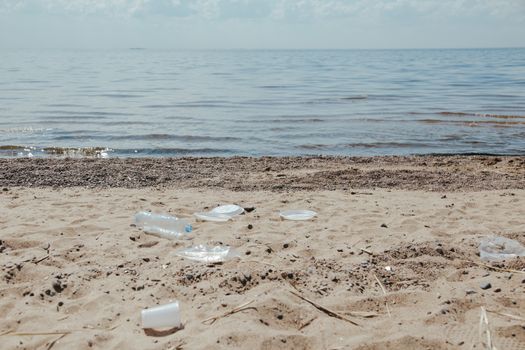
The Balinese sun was setting in a blaze of fiery orange and soft violet, painting the sky over Seminyak Beach. I had just finished another perfect day of surfing, the salty air still clinging to my skin, and was strolling back towards my villa, ready for a delicious Babi Guling dinner. This was it, the quintessential Bali dream – endless beaches, vibrant culture, delicious food, and that unique spiritual energy that draws millions. Yet, as I admired the sunset, something snagged my eye, marring the picturesque scene: a tangled mess of plastic bottles, food wrappers, and discarded flip-flops, half-buried in the sand near the high tide mark.
It wasn't an isolated incident. Over the past few days, I'd noticed it more and more – pockets of plastic pollution, a stark contrast to the idyllic postcards. My initial reaction was a familiar pang of disappointment, a sigh for paradise lost. But then, an almost imperceptible shift happened. Instead of just observing, I felt a pull, a flicker of something more. I’d traveled halfway across the world seeking connection and rejuvenation, and while Bali had delivered on its beauty, I was beginning to feel a sense of unease, a shallow emptiness beneath the perfect Instagram filters. Could there be more to this trip than just chasing sunsets and smoothie bowls?
### The Epiphany on the Sand: From Tourist to Participant
That evening, over my Babi Guling, I scrolled through local Facebook groups and stumbled upon a post: "Beach Cleanup Tomorrow Morning - Echo Beach. All Welcome!" It was hosted by a local community group, "Bersih-Bersih Bali" (Clean-Clean Bali), and a grassroots environmental organization called Sungai Watch. My first thought was, "But I'm on vacation!" My second, more persistent thought was, "Why not?" The idea of dedicating a few hours to something tangible, something that went beyond my personal enjoyment, felt… right. It felt like the "more" I was subconsciously searching for.
The next morning, armed with a reusable water bottle, sunscreen, and a curious heart, I rented a scooter for 70,000 IDR (about $4.50 USD) and made my way to Echo Beach. The usual morning surf crowds were gathering, but near the entrance, a different kind of group was forming – a mix of locals, expats, and a handful of other travelers, just like me. They were laughing, chatting, and distributing heavy-duty reusable gloves and large burlap sacks. The energy was infectious, devoid of judgment or expectation, only a shared purpose.
### Joining Forces: My First Beach Cleanup & The Power of "Gotong Royong"
"Selamat Pagi!" a young Balinese woman named Putu greeted me with a warm smile, handing me a pair of gloves. "Thank you for coming!" Her genuine welcome instantly put me at ease. The sheer scale of the task became clear as we spread out along the shoreline. The amount of plastic, particularly microplastics mixed with natural debris, was disheartening. I saw everything from flip-flops and fishing nets to single-use sachets and plastic straws. It was a stark reminder of our global consumption habits washing up on these beautiful shores.
But amidst the grim reality, there was a profound sense of camaraderie. We worked side by side, a diverse group united by a simple goal. Locals shared tips on how to efficiently sift through the sand, and I learned about "gotong royong," the Balinese principle of mutual cooperation and collective work. It wasn't just about cleaning; it was about community, about shared responsibility. We communicated with smiles, gestures, and broken English, but the understanding was clear.
As the sun climbed higher, sweat dripped, and our bags grew heavier. We sorted the collected waste into different categories – plastics, glass, general rubbish – for proper disposal and recycling where possible. The immediate visual impact was incredible. Patches of beach that were once choked with debris were now pristine, revealing the natural beauty beneath. The satisfaction was unlike anything I'd felt on this trip – deeper than a perfect wave, more fulfilling than a gourmet meal. It was the satisfaction of contribution, of leaving a place better than I found it.
### Beyond the Trash Bags: A Deeper Dive into Local Life
The cleanup lasted about three hours, culminating in a shared lunch – simple but delicious nasi campur and fresh fruit, provided by the local community. It was here, over plates of fragrant rice, that the true magic unfolded. I sat with Putu, her cousin Made, and an elderly gentleman named Bapak Wayan, who had lived by this beach his entire life.
They shared stories of how the ocean had changed, how the amount of plastic had escalated dramatically over the last few decades, impacting their fishing, their ceremonies, and their very way of life. Bapak Wayan spoke of his grandchildren, and the fear that they would never know the ocean as he once did. But he also spoke of hope, of the growing awareness among the youth, and the power of people coming together.
Putu, a university student, explained how initiatives like Sungai Watch were not just about cleanups, but about educating local communities, installing trash barriers in rivers, and advocating for policy change. She spoke passionately about how foreign travelers participating, even for a few hours, sent a powerful message of global solidarity. It wasn't just about the physical act; it was about bridging cultural divides, fostering empathy, and building a shared future.
This wasn't a curated cultural tour; it was an authentic, unvarnished glimpse into the heart of Bali. I learned more about their challenges, their resilience, and their deep connection to their environment in those few hours than I had in weeks of sightseeing. It was meaningful, raw, and utterly transformative.
### The Ripple Effect: Why a Simple Cleanup is a Game-Changer
Participating in that beach cleanup wasn't just a feel-good activity; it fundamentally altered my perspective on travel. It shifted me from a passive observer to an active participant, from a consumer of experiences to a contributor to a place.
* Tangible Impact: The immediate effect of seeing a clean stretch of beach was powerful. It's a direct result of your effort, and that's incredibly rewarding.
* Deeper Connection: It broke down barriers. Working alongside locals, sharing a common goal, fostered genuine connections that a typical tourist interaction rarely achieves.
* Education and Awareness: It made me acutely aware of the scale of the plastic pollution crisis and the efforts being made on the ground. This knowledge empowers you to make more responsible choices in your daily life and future travels.
* Empowerment: It showed me that even a small act can contribute to a larger movement. It wasn't just about picking up trash; it was about fostering hope and demonstrating collective action.
This experience, and countless others like it happening globally, is a testament to how travel is evolving. Travelers are increasingly seeking more than just relaxation; they're looking for purpose, authenticity, and a chance to give back. This isn't just a trend; it's a fundamental shift towards more conscious and responsible tourism.
### Making Your Vacation Meaningful: Practical Tips for Responsible Travelers
Inspired by my experience, I've compiled some actionable advice for anyone looking to incorporate meaningful contributions into their travels:
1. Research Before You Go:
* Local NGOs/Community Groups: Use Google, Facebook groups (search "cleanup [destination name]," "sustainable [destination name]"), and Instagram to find local environmental or community organizations. Many have regular cleanup schedules open to volunteers.
* Hotel Partnerships: Ask your accommodation if they have any sustainability initiatives or partnerships with local groups. Some eco-lodges or boutique hotels actively organize cleanups for guests.
* Online Platforms: Websites like "VolunTourism.org," "Workaway," or specific eco-travel platforms often list opportunities, though some might require a longer commitment. For quick cleanups, local social media is often best.
2. What to Bring (Your Personal Cleanup Kit):
* Reusable Gloves: While some organizations provide them, it's good to have your own sturdy, reusable gardening gloves for comfort and hygiene.
* Reusable Water Bottle: Stay hydrated! Many places have water refill stations.
* Sun Protection: Hat, sunglasses, reef-safe sunscreen.
* Appropriate Footwear: Closed-toe shoes (like old sneakers or water shoes) are essential to protect your feet from sharp objects.
* Small Backpack: To carry your essentials.
* Insect Repellent: Depending on the location and time of day.
3. Safety First:
* Hydration: Always drink plenty of water, especially in tropical climates.
* Listen to Organizers: Follow their instructions regarding areas to avoid, how to handle sharp objects, and sorting procedures.
* Look Out for Each Other: Work in groups and keep an eye on your fellow volunteers.
* Cultural Sensitivity: Be respectful of local customs and traditions. Dress modestly if required, and always ask before taking photos of people.
4. Budget Impact:
* Often Free: Most community-led cleanups are free to join. This is a fantastic way to have a rich, meaningful experience without breaking the bank.
* Local Food: Sometimes a meal is provided, offering a delicious and authentic local experience that’s far cheaper than tourist restaurants.
* Transportation: Your main cost might be getting to the cleanup site (scooter rental, local bus, ride-sharing apps like Grab/Gojek in Southeast Asia).
5. Best Times to Visit/Experience:
* Morning Hours: Most cleanups are scheduled in the early morning (7 AM - 10 AM) to avoid the intense midday sun and often coincide with low tide, making it easier to access debris.
* Dry Season: While cleanups happen year-round, the dry season often means more pleasant weather. However, the wet season can bring more plastic debris washed ashore.
6. Getting There and Getting Around (Bali Specifics):
* Scooter/Motorbike: The most common and flexible way to get around Bali. Be confident and cautious.
* Gojek/Grab: Ride-hailing apps are widely available and affordable for both scooter and car rides.
* Local Drivers: Many drivers offer day rates for tours, which can be useful if you're traveling with a group or prefer not to drive yourself.
### The Future of Travel: Why This Trend is Here to Stay
My beach cleanup experience in Bali wasn't an isolated incident. It's part of a growing global movement. From voluntourism projects in South America to reef restoration in the Caribbean, travelers are increasingly seeking ways to give back. This shift is driven by several factors:
* Environmental Consciousness: Growing awareness of climate change and plastic pollution compels travelers to seek sustainable options.
* Desire for Authenticity: Beyond curated experiences, travelers crave genuine connection with local communities and cultures.
* Personal Fulfillment: Contributing to a cause provides a deep sense of satisfaction and purpose, making a vacation feel truly restorative, not just relaxing.
* Social Media Influence: Shareable stories of impactful travel inspire others, creating a positive feedback loop. An Instagram post of a clean beach you helped create is far more impactful than just another selfie.
This isn't about guilt-tripping travelers; it's about empowering them. It's about recognizing that our presence, even for a short time, has an impact, and we have the power to make that impact a positive one. Imagine if every traveler dedicated just a few hours of their vacation to a local cause. The collective power would be immense.
### Beyond Beaches: Other Ways to Give Back Ethically
While beach cleanups are a fantastic entry point, the opportunities to make your travels meaningful are vast:
* Support Local, Ethical Businesses: Choose accommodations, restaurants, and tour operators that prioritize local employment, fair wages, and sustainable practices. Ask questions!
* Participate in Community Projects: Look for opportunities to help with reforestation, local school initiatives, or animal welfare programs.
* Learn and Share: Educate yourself about local issues and share your experiences responsibly, inspiring others without sensationalizing or appropriating.
* Reduce Your Footprint: Carry a reusable water bottle, refuse single-use plastics, conserve energy, and respect local ecosystems.
My Bali vacation started like many others – a pursuit of beauty and relaxation. But it became something profoundly more. It taught me that the most beautiful aspects of a destination aren't just its landscapes, but its people, their struggles, and their resilience. And that true fulfillment in travel comes not just from what you receive, but from what you give.
The sun now set, not over a polluted beach, but over a shoreline I had personally helped restore, however briefly. The colors were just as vibrant, but now, they felt infused with a deeper meaning, a quiet sense of accomplishment that resonated long after I left. This wasn't just my vacation; it became our shared journey.
Are you ready to redefine your next adventure? To trade a few hours of lounging for a lifetime of impact? To make your next trip not just memorable, but truly meaningful? Bali is waiting, and so are countless communities worldwide, ready to welcome you to a new era of travel.
Share your own meaningful travel stories below, or tag Tripsora in your next #TravelWithPurpose adventure! Let's inspire a global movement.
---
Visual journey


Tags
Share this adventure
Join the travel community
New adventures, cultural insights and travel inspiration, straight to your inbox.
We may receive a commission if you click on a link and buy a product, service or policy, at no extra cost to you. How affiliate links work.
Been there?