

Ever dreamt of working from a Balinese beach or a Parisian cafe without the time zone chaos? I transformed my biggest remote work challenge into my greatest asset, unlocking a world of adventure and productivity. Discover my secrets to mastering global time differences and truly living the digital nomad dream. ---
The relentless beep of my alarm sliced through the pre-dawn quiet of my Airbnb in Bangkok. It was 3:00 AM. My body screamed for sleep, but my calendar screamed louder: "Crucial Client Meeting - 9:00 AM EST." I dragged myself to my laptop, the screen a glaring beacon in the darkness, and tried to articulate strategic insights while battling the fog of jet lag and the sheer absurdity of my internal clock. That meeting? It was a disaster. I stumbled over words, missed key points, and felt like a complete fraud, pretending to "live the dream" while actually just living in a perpetual state of exhaustion and confusion.
That, my friends, was my rock bottom with remote work and time zones.
For months, the concept of a global workday felt less like freedom and more like a cruel joke. I was constantly calculating, converting, and compromising. I missed calls, sent emails at ungodly hours, and felt perpetually out of sync. But somewhere between a missed deadline in Chiang Mai and a near-meltdown in Medellín, a revelation struck me: What if time zones weren't a barrier, but a strategic advantage? What if, instead of fighting the clock, I learned to dance with it? This shift in mindset, combined with a toolkit of practical strategies, didn't just save my remote career; it supercharged my travel life, allowing me to explore more deeply, work more efficiently, and truly embrace the digital nomad lifestyle.
And that, dear reader, is the mastery I keep going back to.
### The Time Zone Tango: From Chaos to Choreography
My early days as a remote worker were a messy, uncoordinated dance. One foot in my current location, the other clumsily trying to keep pace with my team back home. I vividly remember setting an alarm for what I thought was a reasonable hour for a client call while I was in Vietnam, only to realize mid-conversation that I had called them at 2 AM their time. The mortified silence on their end was deafening. My brain, fried from a 12-hour time difference, simply gave up.
The turning point wasn't a single event, but a series of small, frustrating missteps that forced me to reconsider my approach. I realized I couldn't just react to time zones; I had to proactively choreograph my day. This meant moving beyond simple conversion apps and developing a deeper understanding of how to leverage these differences for both productivity and personal enrichment. The goal transformed from "surviving time zones" to "thriving because of time zones." It's about finding harmony between your work responsibilities and your desire to explore the world, turning potential conflicts into opportunities.
### Decoding the Clock: Essential Tools & Tech for Time Zone Mastery
You wouldn't embark on a trek without a map, so why navigate global work without the right tools? These aren't just gadgets; they're your navigational aids in the time zone wilderness.
1. World Clock Apps (Your Digital Compass): Forget mental math. My phone's built-in World Clock widget is my daily MVP, displaying my current location, my team's primary time zone (EST), and often a third crucial one (like PST for a specific client). Apps like "Time Zone Converter" or "Every Time Zone" are also fantastic for quickly visualizing overlaps and differences.
* Pro Tip: Label your time zones clearly (e.g., "Home Office," "Client A," "My Current Oasis") so you can glance and instantly understand.
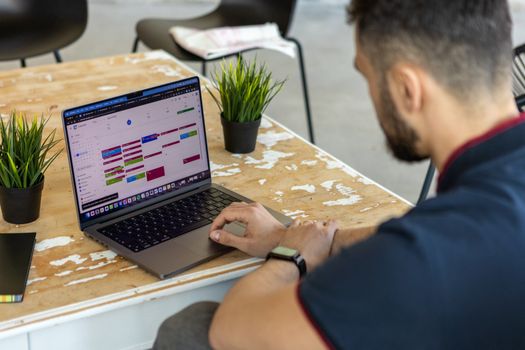
2. Smart Calendar Integration (Your Scheduler's Best Friend): Google Calendar is a lifesaver. When scheduling meetings, always set the time in the recipient's time zone. Google will automatically convert it for you and everyone else based on their individual settings. This simple habit eliminates a huge amount of confusion.
* Personal Anecdote: While based in Medellín, working with a team spanning New York and Los Angeles, I'd schedule everything in EST. My calendar would show me the local Colombian time, while my colleagues saw their respective local times. It felt like magic, but it was just good tech.
3. Asynchronous Communication Platforms (Your Global Message Board): For teams spread across vast distances, real-time calls aren't always feasible. Tools like Slack, Microsoft Teams, and Asana are crucial for leaving detailed updates, questions, and project notes that colleagues can pick up when their workday begins.
* Workflow Hack: Use dedicated channels for "Daily Updates" or "Questions for [Team/Time Zone]" to keep communication organized and prevent urgent messages from getting buried.
4. Reliable VPN (Your Secure Portal): While not directly a time zone tool, a robust VPN service is non-negotiable for remote workers. It ensures secure access to company networks from anywhere in the world and can sometimes help with geo-restricted services (though always check your company's policy).
The key is to integrate these tools seamlessly into your daily routine. Always double-check meeting invites, set calendar reminders in local time, and communicate your current time zone clearly to your team. A few seconds of diligence can save hours of confusion.
### Strategic Scheduling: How I Orchestrate My Workday Across Continents
This is where the "dance" truly begins. It's not about working more hours; it's about working smarter with the hours you have available.
1. Identify the Overlap Window: My golden rule is to find the 2-4 hours where my team and I have maximum overlap. For me, working from Southeast Asia with a US-based team, this usually meant my late afternoon/early evening was their early morning. This is when I schedule all collaborative meetings, discussions, and critical real-time communication.
* Practical Application: In Chiang Mai, I'd typically start my day exploring temples or hitting a co-working space like Punspace (daily rates around $7-10 USD, monthly around $100-150 USD) for deep work from 9 AM to 3 PM local time. Then, from 4 PM to 8 PM, I'd switch to meetings and collaborative tasks with my US team.
2. Batch Your Tasks Strategically: Not all work requires real-time interaction. I categorize my tasks:
* Deep Work (Asynchronous): Writing, coding, research, design, content creation. These are perfect for my "off-peak" hours when I can focus without interruptions. My mornings in Europe or my late nights in Asia are often my most productive deep-work periods.
* Collaborative Work (Synchronous): Meetings, brainstorming sessions, immediate problem-solving. These are reserved for the overlap window.
* Administrative Tasks (Flexible): Emails, minor organizational tasks. These can be sprinkled throughout the day.
3. Set Clear Boundaries & Expectations: Crucial for preventing burnout. Communicate your working hours to your team. For example, "I'll be online from 4 PM - 8 PM [Local Time] for real-time collaboration. For urgent matters outside these hours, please use Slack." This manages expectations and protects your personal time.
* Personal Story: While working from Lisbon, Portugal, I made it a point to block out my mornings for exploring the Alfama district or enjoying a pastel de nata at a local cafe (a strong coffee and pastry typically cost €3-5). My US team knew I'd be fully engaged from 2 PM local time onwards, and I rarely checked emails before then. This allowed me to truly immerse myself in the local culture without guilt.
### Embracing the Local Rhythm: Turning Time Zones into a Travel Advantage
This is the fun part – where time zones become your travel superpower. Instead of feeling restricted, you learn to leverage the "off-hours" of your work schedule for incredible experiences.
1. Early Bird Gets the Worm (and the Empty Attraction): If your work begins later in the day (e.g., you're in Europe working for a US company), use your mornings! I've witnessed sunrises over the ancient temples of Angkor Wat (entry pass for 3 days is $62 USD) in Cambodia, hiked to breathtaking viewpoints in Madeira, and explored bustling local markets in Vietnam, all before my US colleagues even hit their snooze buttons. You beat the crowds, get the best light for photos, and often experience a calmer, more authentic side of a destination.
2. Mid-Day Siesta/Quiet Hours for Focused Work: In many Mediterranean or Latin American cultures, the mid-afternoon involves a siesta or a general slowing down. This is an ideal time for focused work when local businesses might be closed or less busy.
* Cultural Insight: In Seville, Spain, I learned to appreciate the afternoon lull. While locals retreated from the heat, I found quiet cafes or my Airbnb to be perfect for deep work. The city woke up again in the evening, just as my workday was winding down, ready for tapas and flamenco.
3. Evenings Free for Immersion: If your work day starts early and finishes by mid-afternoon (e.g., working for an Asian company while in Europe), your evenings are completely free for cultural immersion. Enjoy long dinners, attend local events, or simply wander without the pressure of an impending work call.
* Travel Tip: Many local tours or cultural experiences are designed for evenings, like night food tours or cultural shows, which align perfectly with this schedule.
By understanding and adapting to the local rhythm, you not only make time for exploration but also avoid peak tourist times, often leading to a more pleasant and authentic experience.
### The Art of the Asynchronous: Communication & Collaboration Across Global Teams
Working across time zones means direct, real-time communication isn't always possible. Mastering asynchronous communication is vital for maintaining productivity and team cohesion.
1. Over-Communicate, Clearly Document: When you can't have a quick chat, your written communication needs to be precise. Use project management tools (Asana, Trello, Monday.com) to assign tasks, set deadlines, and provide detailed instructions.
* Actionable Advice: Assume the person reading your message has no context. Include all necessary links, screenshots, and background information.
2. Leverage Video Messages (Loom, Vidyard): Instead of typing out lengthy explanations or waiting for a meeting, record a quick video message. This is fantastic for explaining complex ideas, giving feedback on designs, or providing a project overview. It adds a personal touch that text often lacks, and recipients can watch it at their convenience.
3. Structured Daily Updates: Encourage your team (or yourself) to post brief "stand-up" updates at the start or end of their workday. This could be a simple Slack message: "Yesterday I did X, Today I will do Y, Blockers Z." This keeps everyone informed without needing a live meeting.
4. Respectful Communication Etiquette: Always acknowledge time differences. Avoid sending "urgent" messages unless truly critical, and don't expect instant replies. Start your messages with a polite acknowledgment like, "Good morning/evening team," or "Hope you had a productive day/night."
Personal Anecdote: Our team, spread across Europe, North America, and Asia, successfully launched a major product by religiously adhering to asynchronous communication and detailed project documentation. We had minimal live meetings, yet everyone stayed aligned because we prioritized clear, written updates and leveraged video messages for complex explanations. It proved that real-time doesn't always mean real effective*.
### Wellness While Wandering: Beating Jet Lag & Maintaining Productivity
The best time zone strategy won't work if you're a zombie. Prioritizing your well-being is paramount for sustained remote work and travel.
1. Pre-Flight Prep: Before a major time zone leap, try to adjust your sleep schedule by an hour or two each day in the direction of your destination. Even a small head start helps.
2. In-Flight Strategy:
* Hydration is Key: Drink plenty of water and avoid excessive alcohol or caffeine.
* Set Your Watch: As soon as you board, switch your watch to your destination's time zone. Mentally prepare for that time.
* Sleep Strategically: If it's nighttime at your destination, try to sleep on the plane. Use an eye mask, earplugs, and a neck pillow.
3. Arrival Tactics:
* Sunlight Exposure: The single most effective weapon against jet lag. Get outside as soon as possible after landing. Sunlight helps reset your circadian rhythm.
* Stay Awake (or Sleep Smart): Resist the urge to nap if it's not local bedtime. If you must nap, keep it short (20-30 minutes). Push through until the local bedtime, even if you're exhausted.
* Gentle Exercise: A walk around your new neighborhood, a light swim, or some yoga can boost energy and help you sleep better later.
* Personal Experience: After a long haul to Bali, Indonesia, the first thing I do is head for a walk along the beach in Canggu. The fresh air, the sound of the ocean, and the tropical sun work wonders in shaking off the travel fog, making it easier to adjust to the 12-hour difference with home.
4. Maintain Sleep Hygiene: Once settled, prioritize consistent sleep. Darken your room, keep it cool, and avoid screens for an hour before bed.
5. Nutrition & Hydration: Fuel your body with fresh, local produce. Avoid heavy, processed foods that can drag you down. Stay consistently hydrated.
6. Mindfulness & Breaks: Travel can be exhilarating but also draining. Schedule regular breaks, meditate using apps like Calm or Headspace, and practice mindfulness to stay grounded. Your productivity will thank you.
### My Favorite Time Zone Hacks & Haunts: Real-World Examples
Over the years, certain locations have proven to be incredible playgrounds for time zone mastery, offering the perfect blend of productivity and adventure.
1. Chiang Mai, Thailand (The Digital Nomad Mecca):
* Why it works: Its time zone (ICT) is often 11-12 hours ahead of US East Coast, meaning your mornings are free for exploring ancient temples, visiting elephant sanctuaries, or enjoying delicious street food (a full meal for $2-4 USD). Your afternoons/evenings are prime for working with US/EU clients.
* Vibe: A vibrant, affordable city with a huge digital nomad community. Countless co-working spaces (like Punspace, Nomad House) and cafes with strong Wi-Fi.
* Hack: Embrace the late-night work calls. Finish your day with a pad thai at the night bazaar, then head to a quiet cafe or your apartment for focused work and meetings. The city is often buzzing late, making it feel less isolating.
2. Lisbon, Portugal (European Charm Meets Global Work):
* Why it works: Being in Western Europe (GMT+1) offers a good overlap with both US East Coast (5-hour difference) and Central European teams. My mornings were a dream for cultural immersion.
* Vibe: A beautiful, hilly city with incredible food, Fado music, and a relaxed pace. Co-working spaces are abundant, and coffee culture is strong.
* Hack: Use those sunny Lisbon mornings to wander through Alfama, ride Tram 28, or enjoy a coffee and pastel de nata overlooking the Tagus River. By early afternoon, you're refreshed and ready to dive into work as the US wakes up. Co-working spaces like Avila Spaces or Heden generally cost €15-25/day or €150-250/month.
3. Medellín, Colombia (The City of Eternal Spring):
* Why it works: Close to North American time zones (often just an hour or two difference from EST), making collaboration incredibly smooth.
* Vibe: A vibrant, innovative city with a fantastic climate, friendly locals, and a booming digital nomad scene, particularly in areas like El Poblado.
* Hack: Enjoy easy work schedules that align well with North American teams, then spend your evenings exploring the city's incredible food scene, taking a cable car up to the barrios, or dancing salsa. A delicious local meal (Menu del Día) can be found for $5-8 USD.
4. Bali, Indonesia (The Island Paradise):
* Why it works: Similar to Thailand, a significant time difference (GMT+8) makes early mornings perfect for surfing, yoga, or exploring rice paddies, followed by focused work and late-afternoon/evening meetings.
* Vibe: Spiritual, laid-back, yet bustling with cafes, co-working spaces (like Dojo Bali, Outpost), and a thriving wellness community.
* Hack: Fully lean into the "Bali bubble." Embrace the early risers' lifestyle, then dedicate your productive hours to deep work, knowing your team will be online much later. The late-night work calls become part of the unique experience, often accompanied by the sounds of geckos and distant temple music.
These locations aren't just dots on a map; they are living laboratories where I've honed these time zone strategies. They exemplify how you can integrate work and travel seamlessly, creating a life that is both productive and profoundly enriching.
### Your Global Office Awaits!
From that dreadful 3 AM meeting in Bangkok to strategically orchestrating my days across continents, my journey with time zones has been nothing short of transformative. It’s no longer about merely tolerating the time differences; it's about actively leveraging them to create a work-life balance that allows for both global productivity and deep, meaningful travel.
The world is not just your oyster; it’s your office. With the right mindset, tools, and strategies, you can unlock unparalleled freedom, cultural immersion, and personal growth. You can be that person taking a crucial client call from a rooftop terrace overlooking the Tagus, or reviewing a presentation while the scent of spices wafts from a bustling market in Southeast Asia.
Are you ready to redefine your workday and make the world your playground? Stop fearing the clock and start dancing with it.
What's your biggest time zone triumph or challenge? Share your stories and tips in the comments below! And don't forget to share this post with fellow remote workers dreaming of their next global office.
---
Visual journey




Tags
Share this adventure
Join the travel community
New adventures, cultural insights and travel inspiration, straight to your inbox.
We may receive a commission if you click on a link and buy a product, service or policy, at no extra cost to you. How affiliate links work.
Been there?