

Imagine your entire professional workspace, complete with all the tools you need to conquer your workday, fitting neatly into a single, compact backpack. It sounds like a dream, right? Well, for me, it's a daily reality, and it's completely transformed how I work and travel, proving that an office isn't a place, but a state of mind – and a surprisingly small collection of gear.
## My Entire Office Fits in One Backpack – And It's Not What You Think
The year was 2019. I was hunched over a cluttered desk in a tiny, overpriced co-working space in Bali, laptop precariously balanced, a tangle of chargers snaking across the table, and a second monitor that felt like it weighed more than my entire carry-on. My "digital nomad dream" felt more like a logistical nightmare. Every move, every new city, meant unpacking and repacking a small mountain of tech, always with the nagging fear of leaving something vital behind.
"There has to be a better way," I muttered to my lukewarm coffee, watching a fellow traveler glide out with just a sleek backpack, a confident smile, and an air of effortless freedom. That was my epiphany. I didn't want a mobile office; I wanted an invisible office. An office that didn't just fit into a backpack, but disappeared into it, leaving me unburdened and truly free to chase horizons.
What I built isn't just a collection of lightweight gadgets. It's a philosophy, a meticulously curated ecosystem designed for maximum power with minimum footprint. And trust me, it’s probably not what you'd expect. Forget bulky laptops and dual monitors. My office is lean, mean, and ready for anything – from a bustling cafe in Lisbon to a quiet beach hut in Thailand.
### The Epiphany: Why Less Became My More
For years, I believed that to be productive, I needed a sprawling setup. A powerful laptop, an external monitor, a mechanical keyboard, a dedicated mouse, a plethora of external hard drives… the list went on. Each item added weight, bulk, and a mental chain to a fixed location. My "freedom" was always tethered to the nearest power outlet and a sturdy table.
The turning point came not from a single moment, but a slow, creeping realization that all this gear wasn't enhancing my work; it was limiting my life. I was missing out on spontaneous adventures because packing my "office" felt like a multi-hour ordeal. I was stressed about baggage allowances, theft, and the sheer physical toll of lugging it all around.
My goal became radical simplification. I wanted to be able to go from a full workday to a spontaneous hike or a last-minute flight without a second thought. I wanted my office to be an extension of my capabilities, not a burden on my back. This meant rethinking every single item, asking: "Is this absolutely essential? Can I achieve the same outcome with less?" The answer, surprisingly often, was yes.
### My Digital Powerhouse: The Unexpected Core of My Office
This is where most people raise an eyebrow. When I say "office," they envision a MacBook Pro. My core device is actually a high-end iPad Pro (12.9-inch with M-series chip).
* Why an iPad Pro? This isn't just a tablet for Netflix. With the latest M-series chips, it rivals many laptops in raw processing power. For a travel blogger like me – writing, editing photos and videos (even 4K!), managing social media, and running a website – it handles everything with astonishing ease. The touch interface is fantastic for creative tasks, and for everything else, I have accessories.
* The Magic Keyboard: This isn't just a keyboard; it transforms the iPad into a true laptop replacement. The integrated trackpad is precise, the keys are comfortable for long typing sessions, and it provides excellent protection. It's surprisingly sturdy and elevates the screen to a comfortable viewing angle.
* Apple Pencil 2: Indispensable for quick sketches, annotating documents, signing contracts, and precise photo editing. It’s a creative tool I never knew I needed until I had it.
* Portable SSD (e.g., Samsung T7 Shield 1TB): Cloud storage is great, but a physical backup is crucial, especially for large video files or when internet is unreliable. This drive is tiny, rugged, and lightning-fast.
* Anker PowerCore III Elite 25600mAh Power Bank: This is my lifeline. It can charge my iPad Pro multiple times, my phone, and even my headphones. It’s powerful enough to keep me working for hours off-grid, a true game-changer in remote locations or during long travel days.
* UGREEN 100W GaN Charger & Universal Travel Adapter: GaN (Gallium Nitride) technology means powerful charging in a tiny brick. This one charger handles everything, and the universal adapter ensures I can plug in anywhere in the world. No more carrying multiple bulky power bricks!
* Sony WH-1000XM5 Noise-Cancelling Headphones: Essential for focus. Whether I’m on a noisy plane, in a bustling cafe, or trying to concentrate in a shared hostel room, these create my personal bubble of silence. Plus, they’re fantastic for calls and listening to music.
Cost Breakdown (Approximate, as of early 2024):
* iPad Pro 12.9-inch (M-series, 256GB): $1,100 - $1,300
* Magic Keyboard: $300 - $350
* Apple Pencil 2: $120 - $130
* Samsung T7 Shield 1TB SSD: $90 - $120
* Anker PowerCore III Elite: $100 - $120
* UGREEN 100W GaN Charger & Adapter: $60 - $80
* Sony WH-1000XM5: $350 - $400
* Total (approx): $2,120 - $2,500 – A significant investment, but comparable to a high-end laptop, and far more versatile for my specific needs.
### The Analog Essentials: Beyond the Pixels
While my digital tools are paramount, a few analog items complete my mobile office and keep me grounded.
* Moleskine Cahier Journal & Pilot G2 Pen: Sometimes, nothing beats the feel of pen on paper for brainstorming, outlining, or just jotting down thoughts. These are lightweight and durable.
* Hydro Flask 24oz Standard Mouth Water Bottle: Hydration is key to productivity. This keeps water cold for hours, reducing plastic waste.
* Collapsible Coffee Cup: For my daily dose of caffeine, whether from a local cafe or a self-brewed cup in my Airbnb. Again, environmentally friendly and saves money.
* Microfiber Cloths: Essential for keeping screens and camera lenses smudge-free.
* Minimalist Wallet/Card Holder: Only carry what’s absolutely necessary – ID, a couple of credit cards, and a bit of local currency.
* Small First-Aid Kit: Band-aids, pain relievers, antiseptic wipes. You never know!
These items add minimal weight but contribute significantly to comfort and efficiency.
### The Backpack Itself: Choosing Your Mobile Office
The backpack isn't just a carrier; it's the mobile office itself. It needs to be comfortable, durable, and intelligently designed. After much trial and error, I settled on the Peak Design Travel Backpack 45L.
* Why this backpack?
* Versatility: It expands from 35L to 45L, perfect for carry-on limits but also adaptable for longer trips.
* Access: Multiple access points (top, side, back) mean I can grab my iPad or headphones without rummaging.
* Organization: Thoughtful compartments for tech, documents, and personal items. The laptop sleeve fits my iPad Pro (with Magic Keyboard) perfectly, keeping it secure and easily accessible.
* Comfort: Excellent weight distribution and comfortable shoulder straps, even when fully loaded. The hip belt is removable, which is great for lighter loads.
* Durability & Aesthetics: High-quality, weather-resistant materials and a sleek, professional look that doesn't scream "tourist."
Other contenders I considered (and why I chose Peak Design):
* Aer Travel Pack 3: Excellent organization, very durable, but slightly heavier and less expandable than the Peak Design.
* Osprey Farpoint/Fairview 40: Great for comfort and capacity, but the tech organization wasn't as refined for my specific setup.
My backpack, fully loaded with my office and a few changes of clothes, rarely exceeds 7-8 kg (15-18 lbs), making it perfect for carry-on only travel.
### Mastering the Mobile Workflow: Productivity on the Go
Having the right gear is only half the battle. The other half is cultivating habits and using tools that allow you to be productive anywhere.
1. Cloud Everything: Google Drive, Dropbox, iCloud – my entire life is in the cloud. This means instant access to files from any device, easy collaboration, and peace of mind knowing my work is backed up.
2. Reliable Connectivity: A local SIM card with a generous data plan is non-negotiable. I also carry a small, unlocked portable Wi-Fi hotspot (e.g., GlocalMe G4 Pro) as a backup, especially for those times when local SIMs are tricky or I need a secure connection.
3. Digital Tools for Organization:
* Notion: My digital brain for project management, content planning, travel itineraries, and personal notes.
* Fantastical: For calendar and reminders, syncing across all devices.
* Slack/WhatsApp: For team communication and client interaction.
* Lightroom Mobile & LumaFusion: My go-to apps for photo and video editing directly on the iPad.
4. Time Blocking & Deep Work: Without a fixed office, it’s easy for work and life to blend. I time-block my days, dedicating specific hours to deep work, client calls, and creative tasks. Noise-cancelling headphones are crucial here.
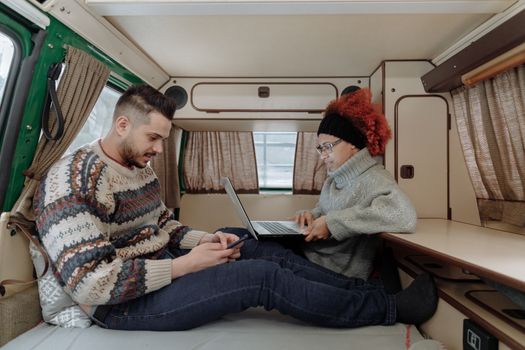
5. Finding Your Workspace: I love working from cafes (especially those with good coffee and strong Wi-Fi), co-working spaces (great for networking and consistency), or even just a quiet corner in my Airbnb. The key is to be adaptable and find what works for your current task. I always scout out a few options in a new city.
6. Ergonomics on the Go: While I don't carry an external monitor, I always try to find a setup that allows for good posture. A stack of books, a sturdy coffee table, or even just being mindful of how I sit can make a huge difference in preventing aches and pains.
### The Nomad Life: Where My "Office" Has Been
The beauty of this minimalist setup is the sheer freedom it affords. My "office" has seen more of the world than many people's entire homes.
* Lisbon, Portugal: I spent a month working from various cafes, particularly Fábrica Coffee Roasters, where the aroma of fresh beans and the buzz of conversation fueled my writing. A typical co-working day there might cost €15-20, but a few hours with a coffee and pastry is usually enough for €5-8.
* Koh Lanta, Thailand: I worked from a rustic beach hut, the sound of waves providing a natural white noise machine. Internet was spotty, so my power bank and offline work capabilities were essential. I'd often walk down to a beachside restaurant, order a fresh fruit shake, and knock out a few articles with my toes in the sand.
* Patagonia, Chile: After a long day of hiking, I'd unpack my iPad in a cozy mountain lodge, editing photos and planning my next adventure by the warmth of a fire. The limited power outlets meant my Anker battery was a lifesaver.
* Bansko, Bulgaria: A popular digital nomad hub, I enjoyed the vibrant co-working scene at Coworking Bansko, where I could plug in, connect with fellow nomads, and enjoy high-speed internet for about €10-15 a day. It was a great balance of focused work and social interaction.
* A High-Speed Train Across Europe: From Paris to Amsterdam, my office was the window seat, watching landscapes blur by as I drafted emails and polished blog posts. The iPad's long battery life and the Magic Keyboard's stability made this surprisingly productive.
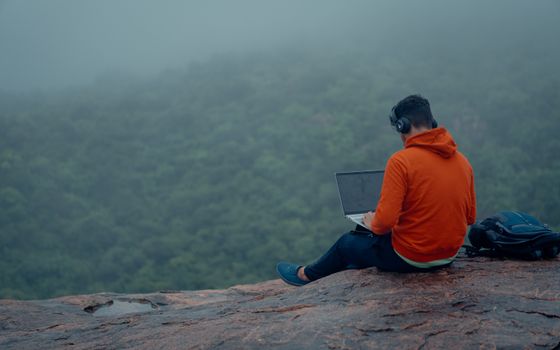
These experiences aren't just about work; they're about living fully. The ability to seamlessly transition from a productive workday to exploring a new city, hiking a mountain, or simply enjoying a sunset without the mental baggage of a heavy "office" is truly liberating.
### The Unexpected Benefits (and Realities) of an Invisible Office
Beyond the obvious benefits of portability, this minimalist approach has brought several unexpected advantages:
* Enhanced Focus: With fewer gadgets, there are fewer distractions. I'm forced to be more intentional about what I do and how I use my tools.
* Increased Resilience: If one piece of tech fails, my entire workflow isn't crippled. Cloud backups, multi-device capabilities, and a lean setup mean I can adapt quickly.
* Mental Freedom: The psychological weight lifted by not having to worry about a bulky office is immense. It truly feels like I can go anywhere, anytime.
* Financial Savings: Less gear means less to insure, less to replace, and less to worry about. It also means I'm less likely to buy unnecessary tech.
However, it's not without its realities:
* Initial Investment: High-quality, compact tech often comes with a premium price tag.
* Adaptability is Key: You have to be comfortable working in diverse environments, from quiet libraries to bustling cafes.
* Ergonomics Can Be a Challenge: Without a dedicated desk setup, you need to be mindful of your posture and take frequent breaks.
* Internet Dependency: While I have backups, a good internet connection is still paramount for many tasks.
This lifestyle isn't for everyone. Some thrive on a multi-monitor setup and a fixed routine. But for those yearning for ultimate freedom, for the ability to chase sunsets and deadlines with equal ease, this "invisible office" might just be your golden ticket.
### Ready to Unpack Your Freedom?
My entire office fits in one backpack, and it’s not just about the gear; it's about the mindset. It’s about prioritizing experiences over possessions, and efficiency over excess. It’s about proving that you don’t need a fancy corner office to do impactful work – you just need a clear vision, the right tools, and the courage to explore.
Are you ready to redefine your workspace? To shed the weight of a traditional office and embrace the boundless possibilities of a truly mobile one? Start small. Evaluate your current gear. What can you truly not live without? What can be replaced by a more versatile, lighter option? The journey to an invisible office is a process of refinement, but the rewards of ultimate freedom are immeasurable.
What's your essential piece of travel tech? Share your minimalist office hacks in the comments below! Let's inspire each other to work smarter, not heavier.
---
Visual journey
Tags
Share this adventure
Join the travel community
New adventures, cultural insights and travel inspiration, straight to your inbox.
We may receive a commission if you click on a link and buy a product, service or policy, at no extra cost to you. How affiliate links work.
Other angles on this trip
These notes are written by AI to show how different kinds of traveller might see this destination. They are not comments from real readers.