

Everyone talks about African safaris, but what if I told you the wildest wildlife adventure I ever had wasn't on the plains of the Serengeti, but deep in the wetlands of South America? Prepare to challenge everything you thought you knew about 'safari' as I recount my unforgettable journey into a world teeming with jaguars, giant otters, and caimans, far from the traditional African savanna. This is the story of my Pantanal safari, and why it absolutely blew my mind.
## I Went on Safari in a Place That's Not Africa and Here's What Actually Happened
Like most aspiring adventurers, my mental blueprint for a "safari" was firmly etched with images of acacia trees silhouetted against a fiery African sunset, open-top jeeps rumbling across vast savannas, and the iconic Big Five. I dreamt of lions, elephants, rhinos, leopards, and buffalo. For years, this was the ultimate wildlife pilgrimage.
Then, a casual conversation changed everything. "Have you ever considered a safari in South America?" a friend asked, a mischievous glint in her eye. My initial reaction was a polite chuckle. Safari? In South America? What, are we hunting for llamas? I thought, perhaps unfairly. But her words, "Jaguars. Giant Otters. Caimans. It's the highest concentration of wildlife on the continent," stuck with me.
Intrigued, and always up for challenging my own preconceived notions, I started digging. What I unearthed was a revelation: the Pantanal. The world’s largest tropical wetland, spanning parts of Brazil, Bolivia, and Paraguay, with the Brazilian portion being the most accessible and renowned for wildlife viewing. It wasn't just an alternative; it was the alternative, a place so rich in biodiversity it rivals, and in some aspects, even surpasses, its more famous African counterparts.
My curiosity had been piqued. My inner explorer was buzzing. I decided to trade the traditional African Big Five for the Pantanal's unique 'Big Four' (Jaguars, Giant Otters, Caimans, and Capybaras) and embarked on an adventure that would fundamentally redefine what 'safari' meant to me. And let me tell you, what actually happened was nothing short of extraordinary.
### The Call of the Wild (Far From Africa)
For years, my travel bucket list had "African Safari" scrawled in bold, underlined letters. The romance of the Serengeti, the thrill of tracking a leopard in Kruger, the sheer majesty of elephants in Amboseli – it was all I could think about. But as I delved deeper into the world of wildlife travel, I started hearing whispers of other incredible places. Places where the wilderness was just as raw, the encounters just as thrilling, but the landscape and the species were entirely different.
The Pantanal kept coming up. Not just as a good place for wildlife, but as the best place in the Americas for spotting large predators, particularly jaguars. Unlike the elusive leopards of Africa, which are notoriously shy and often seen only at a distance or camouflaged in trees, Pantanal jaguars are often seen lounging on riverbanks, swimming, or even hunting. The sheer density of wildlife here is staggering, a result of its unique ecosystem. During the dry season, as water recedes, animals congregate around the remaining water sources, making sightings incredibly frequent and often up-close.
The more I researched, the more captivated I became. This wasn't just a "second-best" option; it was a primary, world-class destination in its own right, offering a completely different kind of safari experience. Instead of vast open plains, imagine a labyrinth of rivers, lagoons, and flooded forests. Instead of dusty jeeps, picture nimble motorboats gliding through emerald waters. This was a challenge to my safari paradigm, and I was ready to accept it.
### Journey into the Green Heart of Brazil: Getting There
My Pantanal adventure began with a flight into Cuiabá (pronounced Kwee-ah-BAH), the capital of Mato Grosso state in Brazil. Cuiabá itself is a bustling, hot city, a gateway to two vastly different ecosystems: the Pantanal to the south and the Amazon to the north. My safari focused on the northern Pantanal, renowned for its jaguar density.
From Cuiabá, the real journey began: a several-hour road transfer that started on paved roads but quickly transitioned to the legendary Transpantaneira Highway. This isn't your average highway. It's a 145-kilometer (90-mile) unpaved, raised dirt road, punctuated by over 120 wooden bridges, many of which look like they've seen better centuries. It's an adventure in itself, a slow, bumpy, dusty crawl that serves as a gradual immersion into the Pantanal's wild embrace.
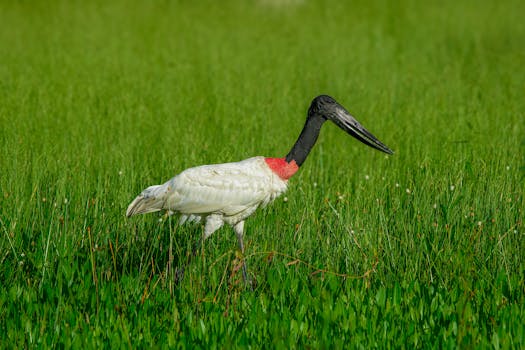
Our sturdy 4x4 rattled along, kicking up plumes of red dust. But even on this "highway," the safari had already begun. Within minutes, we were spotting our first caimans – dozens of them, sunning themselves by the roadside ditches like prehistoric logs. Capybaras, the world's largest rodents, grazed placidly in the fields, often with colorful birds perched on their backs. Marsh deer peered at us from the wetlands, and an endless variety of birds – from vibrant macaws to majestic jabiru storks – dotted the landscape. The journey itself was a constantly unfolding wildlife documentary, a testament to the sheer abundance of life here.
The further we drove, the deeper the sense of isolation and wilderness grew. The air became thick with the sounds of insects, birds, and the rustling of unseen creatures. It was clear: I wasn't just going to the Pantanal; I was becoming part of it.
### My Pantanal Base Camp: Life at a Pousada
After hours on the Transpantaneira, we finally arrived at our chosen accommodation: a charming, rustic eco-lodge, or pousada, called Pousada Porto Jofre (a real place, known for its proximity to prime jaguar territory). Unlike the sprawling luxury lodges of some African reserves, Pantanal pousadas tend to be more intimate and eco-conscious. Ours was a collection of simple, comfortable cabins, often with air conditioning (a godsend in the tropical heat!), surrounded by lush vegetation.
Life at the pousada quickly settled into a rhythm dictated by the sun and the wildlife. Days started early, often before dawn, with a quick breakfast of fresh fruits, strong Brazilian coffee, and local pastries. The mornings were dedicated to our primary activity: boat safaris. Lunches were hearty, communal affairs, often featuring freshly caught piranha (yes, you can fish for them!) and delicious Brazilian BBQ. Afternoons were for a siesta (crucial during the hottest part of the day) or perhaps a guided walk or horseback ride, offering a different perspective of the landscape. Evenings brought spectacular sunsets, followed by delicious dinners, lively conversations with fellow travelers and guides, and sometimes, a thrilling night safari in an open vehicle, spotlighting nocturnal creatures.
Our guides were local Pantaneiros – cowboys and naturalists who knew the wetlands like the back of their hand. Their passion for the ecosystem and its inhabitants was infectious, and their ability to spot even the most camouflaged creatures was nothing short of miraculous. They weren't just drivers; they were storytellers, trackers, and conservationists, enriching every single experience. The rustic charm, the shared meals, the camaraderie with other wildlife enthusiasts, and the deep connection with our guides made the pousada feel less like a hotel and more like a temporary home in the heart of the wild.
### The Hunt for the Elusive King: Jaguar Encounters
This was it. The main event. The reason I'd traded my African safari dreams for the Brazilian wetlands. The jaguars. The Pantanal, particularly the area around Porto Jofre and the meeting point of the Cuiabá and Three Brothers Rivers, is considered the best place on Earth to see jaguars in the wild.
Our jaguar-focused safaris were entirely water-based. Each morning and afternoon, we'd board small, shallow-draft motorboats, designed to navigate the intricate network of rivers and channels. Our guides, armed with keen eyes and an intimate knowledge of the jaguars' habits and territories, would expertly pilot the boats, scanning the dense riverbanks.
The suspense was palpable. Hours would pass, filled with incredible sightings of other animals – giant otters frolicking, capybaras grazing, hundreds of birds – but the ultimate prize remained elusive. Then, a hushed whisper from our guide: "Jaguar! Left bank!"
My heart leaped into my throat. There, perfectly camouflaged against the green foliage, was a magnificent male jaguar. He was massive, his muscular body draped lazily over a fallen log, his piercing eyes surveying his domain. He paid us little mind, accustomed to the respectful presence of boats. We watched, mesmerized, as he stretched, yawned, and then slowly, gracefully, rose and padded along the bank before disappearing into the thicket. The encounter lasted maybe five minutes, but it felt like an eternity, an ethereal moment of pure wild magic. The sheer power and beauty of this apex predator, seen in its natural habitat, was breathtaking.
And that wasn't the only one. Over the next few days, we had multiple jaguar sightings – a mother with her two playful cubs, a large male swimming effortlessly across a river, another lounging on a sandy beach. Each encounter was unique, thrilling, and humbling. Unlike the fleeting glimpses of leopards I’d heard about in Africa, these jaguars were often relaxed, allowing for extended viewing and incredible photographic opportunities. It was an intimate, visceral connection with one of the planet's most magnificent creatures, far more profound than I had ever dared to hope for.
### Beyond the Jaguar: A Symphony of Wildlife
While the jaguars were undeniably the stars of the show, the Pantanal’s supporting cast of wildlife is equally captivating and diverse. This ecosystem is a vibrant tapestry of life, teeming with species you simply won't find anywhere else.
One of my absolute favorite discoveries was the Giant Otter. These aren't your average river otters. Measuring up to six feet long, they are incredibly social, boisterous, and endlessly entertaining. We spent an entire afternoon watching a family of seven otters fishing, grooming each other, and playfully wrestling on a riverbank. Their vocalizations, a mix of chirps, growls, and squeaks, added to their charm. They are truly the "river wolves" of the Pantanal, and witnessing their complex family dynamics was a highlight.
Then there were the Caimans, the Pantanal's most ubiquitous reptile. You couldn't go five minutes without seeing one, or twenty. They lurked in every waterway, sunned themselves on every bank, and their eyes glowed eerily in the beam of our spotlights during night safaris. They are the silent, ever-present guardians of the wetlands, a constant reminder of the raw, prehistoric nature of this place.
Capybaras
were everywhere – large, docile, and often incredibly tolerant of our presence. These oversized guinea pigs grazed peacefully, often with tiny yellow-bellied turtles sunning themselves on their backs, or small birds using them as mobile perches. They’re the laid-back, friendly giants of the Pantanal.
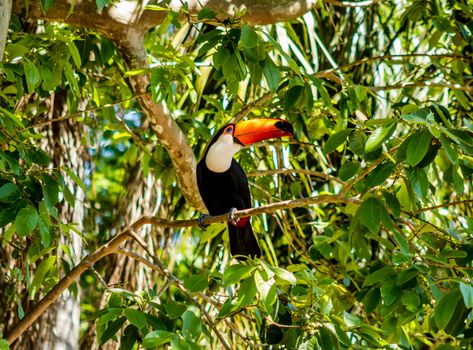
And the birds! Oh, the birds! The Pantanal is a birder's paradise. We saw flamboyant Hyacinth Macaws in brilliant blue, Toco Toucans with their oversized bills, graceful Jabiru Storks (the symbol of the Pantanal), various species of kingfishers, herons, egrets, and so many more. Their calls, colors, and sheer numbers were astounding.
During our night safaris, guided by the beams of powerful spotlights, we searched for nocturnal creatures. We spotted elusive Ocelots (a smaller wild cat), Giant Anteaters foraging for termites, and various owls and nightjars. Each night brought new surprises and a deeper appreciation for the Pantanal's hidden world.
The sheer biodiversity was overwhelming in the best possible way. Every turn of the boat, every rustle in the bushes, held the promise of a new and exciting encounter. It wasn't just about the jaguars; it was about the entire, intricate web of life that thrives in this incredible wetland.
### Practicalities & Planning Your Pantanal Adventure
Thinking of embarking on your own non-African safari? Here's what you need to know to plan an unforgettable Pantanal trip:
1. Best Time to Visit:
* Dry Season (May to October): This is prime time for jaguar spotting. As water levels recede, animals congregate around the remaining rivers and waterholes, making them easier to find. Temperatures are generally pleasant, though it can get hot.
* Wet Season (November to April): While jaguar sightings are less frequent, this is a spectacular time for birdwatching as migratory species arrive. The landscape is lush and vibrant, but expect more mosquitoes and potentially more challenging travel conditions on the Transpantaneira.
2. Getting There:
* Fly into Cuiabá (CGB), Brazil.
* From Cuiabá, you'll arrange a transfer (usually included in your lodge package) via 4x4. The drive to the northern Pantanal (Porto Jofre area) can take 4-7 hours, depending on your lodge's location.
3. Choosing a Tour Operator/Lodge:
* Opt for reputable eco-lodges or tour operators that prioritize sustainable tourism and employ local, knowledgeable guides. Look for reviews specifically mentioning jaguar sightings and ethical wildlife viewing practices.
* Consider lodges near Porto Jofre if jaguars are your top priority, as this area offers the highest success rates.
* Expect to pay anywhere from $300 to $600+ per person per day for a good quality lodge, including accommodation, all meals, and guided activities. This doesn't include international flights to Brazil.
4. What to Pack:
* Light, neutral-colored clothing: Long sleeves and pants are good for sun and insect protection.
* Wide-brimmed hat & sunglasses: Essential for sun protection.
* High-SPF sunscreen: The sun is intense.
* Insect repellent (with DEET): Mosquitoes and other biting insects can be present, especially during the wet season or at dawn/dusk.
* Good walking shoes/sandals: For walks around the lodge or short hikes.
* Swimsuit: Many lodges have pools.
* Reusable water bottle: Stay hydrated!
* Camera gear: This is a photographer's dream! Bring a telephoto lens (300mm+ recommended for jaguars), extra batteries, and plenty of memory cards. A waterproof bag for your gear on boat trips is a good idea.
* Binoculars: Crucial for spotting distant wildlife.
* Small backpack: For day trips.
5. Health & Safety:
* Vaccinations: Consult your doctor about recommended vaccinations for Brazil, including Yellow Fever.
* Malaria: The risk of malaria in the Pantanal is generally low, but discuss prophylaxis with your doctor, especially if traveling during the wet season.
* Travel Insurance: Always a good idea for any international trip.
* Respect Wildlife: Always follow your guide's instructions. Maintain a respectful distance and never try to feed or approach animals.
### Why the Pantanal Blew My African Safari Expectations Out of the Water
Coming into this trip, I genuinely believed nothing could top the romanticized image of an African safari. I was wrong. The Pantanal didn't just meet my expectations; it shattered them and rebuilt them into something even more thrilling and unique.
Here's why this non-African safari was so profoundly impactful:
1. Water-Based Immersion: The boat safaris offered an entirely different perspective. Gliding silently through the waterways, we felt incredibly close to the wildlife without disturbing them. It was an intimate, almost primal connection to the ecosystem, a stark contrast to the dust and engine noise of a jeep.
2. Jaguar Central: While sightings are never guaranteed, the Pantanal’s success rate for jaguars is unparalleled. To see these magnificent, powerful cats in their natural habitat, often for extended periods, was a privilege I'll never forget. Their presence is palpable, and the thrill of tracking them by water is something truly special.
3. Untamed Biodiversity: Beyond the jaguars, the sheer density and diversity of other unique species – the playful giant otters, the prehistoric caimans, the gentle capybaras, and the explosion of vibrant birdlife – created a constantly engaging and surprising experience. It felt like discovering a hidden world.
4. Authentic Wilderness: The Pantanal feels less 'managed' and more genuinely wild than some of the more heavily touristed African parks. The lack of fences, the rustic nature of the lodges, and the reliance on local guides contribute to a sense of raw, untamed adventure. It's a place where you truly feel like a guest in nature's grand design.
5. A Sense of Discovery: There's a certain satisfaction in experiencing a world-class wildlife destination that isn't on everyone's immediate radar. It felt like I'd uncovered a secret, a truly special corner of the planet that offered an unparalleled wildlife spectacle.
My safari in the Pantanal was more than just a trip; it was an education, an adventure, and a profound connection with the wild. It taught me that the definition of "safari" is far broader and more diverse than I ever imagined, and that some of the most extraordinary wildlife experiences lie beyond the well-trodden paths of Africa.
So, if you're like me and have always dreamed of a safari, I urge you to broaden your horizons. Challenge your assumptions. Consider the Pantanal. It might just be the wildest, most unforgettable adventure you'll ever have.
Have you been on an unconventional safari that blew your mind? Or are you now considering a Pantanal adventure? Share your thoughts and questions in the comments below! Let's inspire each other to explore the incredible diversity of our planet's wildlife.
*
Visual journey



Tags
Share this adventure
Join the travel community
New adventures, cultural insights and travel inspiration, straight to your inbox.
We may receive a commission if you click on a link and buy a product, service or policy, at no extra cost to you. How affiliate links work.
Other angles on this trip
These notes are written by AI to show how different kinds of traveller might see this destination. They are not comments from real readers.