

Everyone imagines sleeping in an ice hotel is an excruciatingly cold ordeal, but my night at -20°C revealed a surprising truth: it's an experience far more comfortable, magical, and artistically profound than mere survival. Prepare to have your frosty expectations completely thawed. ---
## I Spent a Night in an Ice Hotel at -20°C and it's not what you'd expect
The idea had always been a whisper in the back of my mind, a bucket-list fantasy reserved for the truly adventurous (or mildly insane). "Sleep in an ice hotel," I'd murmur to myself, usually while tucked under three duvets in a perfectly heated room. The image was always the same: shivering, teeth chattering, desperately counting down the minutes until dawn broke and I could escape the glacial embrace.
But then, the opportunity arose. A press trip to Swedish Lapland, with one night explicitly earmarked for the legendary ICEHOTEL in Jukkasjärvi. My heart did a nervous little flutter. Could I really do it? Would I survive? Would I regret every single frozen minute? I packed every thermal layer I owned, mentally rehearsing my survival strategies, convinced I was heading into an endurance challenge.
What I found, after a night cocooned in ice at a constant -20°C, was not the brutal test I anticipated. It was, in fact, an experience so unexpectedly serene, surprisingly comfortable, and undeniably magical, that it completely reshaped my understanding of what a "cold" adventure could be. Forget everything you think you know about sleeping in an ice hotel, because the reality is a breathtaking blend of art, innovation, and a warmth you wouldn't believe.
### The Grand Arrival: Stepping into a Frozen Masterpiece
Our journey to Jukkasjärvi itself felt like entering a different world. After flying into Kiruna, Sweden's northernmost city, a short, scenic drive through snow-laden forests brought us to the small, unassuming village. But as the ICEHOTEL came into view, shimmering under the pale arctic sun, any preconceived notions of a rustic, chilly igloo were instantly shattered.
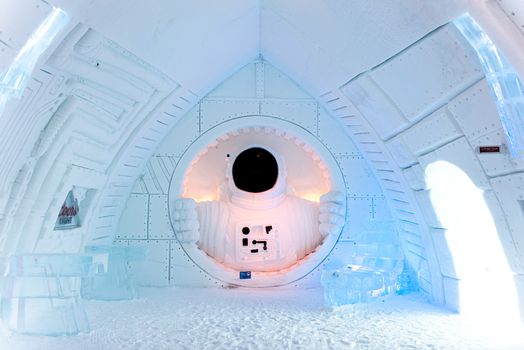
This wasn't just a hotel; it was a colossal, living art installation. Each year, artists from around the globe converge here to sculpt and carve new suites, a bar, and a church entirely out of ice and snow harvested from the Torne River. The scale of it is breathtaking – towering archways, intricate sculptures, and walls that glow with an ethereal luminescence. It felt less like checking into a hotel and more like entering a fantastical, frozen kingdom conjured from a fairy tale.
The first step inside was a sensory revelation. The air was crisp, silent, and still. Sunlight filtered through the snow walls, creating a soft, diffused glow that transformed the corridors into an otherworldly gallery. I ran my hand along a wall, expecting a rough, sharp surface, but found it surprisingly smooth, almost velvety. Every corner revealed a new, stunning ice sculpture – a polar bear emerging from a wall, an elaborate chandelier crafted from ice crystals, a bed sculpted into a giant seashell. My initial awe quickly overshadowed any lingering anxieties about the cold. This was truly something special, a fleeting architectural marvel that would melt back into the river come spring.
### The Logistics of Freezing: Checking In and Prepping for the Night
Unlike a traditional hotel where you’re handed a key and sent straight to your room, the ICEHOTEL experience has a unique rhythm. You don't check directly into your ice room. Instead, your main luggage is stored in a warm, secure luggage room. You're given a separate, smaller locker for a "night bag" containing essentials. This is crucial because, trust me, you do not want to be fumbling with a suitcase in -20°C.
Before being shown to our ice rooms, we received a comprehensive "survival briefing." It wasn't about surviving the cold in a dramatic sense, but rather about optimizing comfort. The key takeaway? Less is more when it comes to sleeping in your industrial-grade thermal sleeping bag. The hotel provides these expedition-quality bags, tested for temperatures as low as -25°C. We were advised to wear only a single layer of thermal underwear (or nothing at all, for maximum warmth) inside the bag. Why? Because your body heat needs to warm the air inside the sleeping bag, and too many layers can restrict circulation and trap cold air between them, making you colder. This was the first major expectation-shifter for me – I’d imagined bundling up in every sweater I owned!
After the briefing, there was plenty of time to explore, enjoy a warm dinner at the hotel's excellent restaurant (serving delicious local fare like reindeer and arctic char), and perhaps even sip a cocktail from an ice glass at the iconic ICEBAR. The Icebar itself is a spectacle, with ice-carved seats, a bar, and sculptures that change yearly. The drinks are served in hollowed-out ice blocks, adding to the novelty. These warm-up activities are essential, not just for comfort, but to truly embrace the unique atmosphere before committing to your frozen chamber. We even took a brief detour to hunt for the Northern Lights, a common activity in this region, though sadly, they eluded us that night.
### The Sleep: More Comfortable Than You Think?
The moment arrived. With our small night bags in hand, we headed to the warm changing rooms adjacent to the ice rooms. Here, you strip down to your thermals (or birthday suit), slide into the provided sleeping bag, and then make the quick dash to your designated ice suite.
Stepping into our "Art Suite" was like entering a private gallery. Each suite is uniquely designed by an artist, featuring elaborate ice sculptures, carvings, and sometimes even light installations. Our room, titled "The Great Bear," had a magnificent ice-carved bear dominating one wall, its fur etched with incredible detail. The bed itself was a solid block of ice, topped with a wooden frame, a thick mattress, and then a layer of insulating reindeer hides. This combination, along with the sleeping bag, is the secret to comfort.
My initial thought was, "Okay, this is it. The cold." But once I was fully zipped into the sleeping bag, nestled on the reindeer hides, a surprising warmth began to build. The bag truly works like a personal cocoon, trapping your body heat efficiently. I’d brought a thin wool beanie and wool socks, which helped immensely in keeping my extremities warm. The air inside the bag was surprisingly pleasant, and the air outside the bag, while cold on my face, was incredibly fresh and clean.
The silence was profound. There were no noisy neighbours, no street sounds, just the gentle, almost imperceptible creak of the ice settling. The diffused light from the snow walls created a soothing ambiance, and the intricate ice sculptures cast soft shadows, transforming the room into a dreamscape. I expected to shiver, to toss and turn, to be acutely aware of the cold. Instead, I found myself drifting into one of the deepest, most peaceful sleeps I've ever experienced. It felt utterly primal, yet utterly luxurious.
Practical Tip for Sleeping:
* Minimal Layers: Wear only thermals or sleep naked. Seriously.
* Hat & Socks: A thin wool beanie and warm wool socks are non-negotiable. They make a huge difference.
* Don't Cuddle: If you're with a partner, each person gets their own sleeping bag. Cuddling can compress the insulation and create cold spots.
* Empty Bladder: Make sure you use the warm restrooms before heading to bed. Trust me, you don't want to get out of that warm sleeping bag in the middle of the night!
* Electronics: Keep your phone/camera in the sleeping bag with you to prevent batteries from draining in the cold.
### The Morning After: A Frosty Awakening
The wake-up call at the ICEHOTEL is perhaps one of the most charming and eagerly anticipated moments. Around 7:30 AM, a staff member gently enters your room, not with an alarm clock, but with a steaming cup of warm lingonberry juice. It's a sweet, comforting start to what can be a rather abrupt reintroduction to the cold.
Emerging from the warmth of the sleeping bag is the single coldest moment of the entire experience. That brief, exhilarating shock of cold air hitting your skin is real. It’s a brisk dash back to the warm changing rooms, where you can properly get dressed, shower, and prepare for the day.
The shared experience with other "survivors" at breakfast was a highlight. Everyone was buzzing, sharing stories of their night, confirming the surprising comfort, and basking in the accomplishment. The breakfast buffet, served in a warm, cozy dining hall, was a feast of local delicacies – fresh bread, cheeses, smoked salmon, hot coffee, and more lingonberry juice. It felt like a triumphant celebration, a shared victory over the perceived challenges of the night. You earn that breakfast!
### Beyond the Bed: What Else to Do at an Ice Hotel
While sleeping in an ice room is undoubtedly the main draw, the ICEHOTEL and its surroundings offer a wealth of other unforgettable arctic experiences. It’s not just a place to sleep; it’s a destination.
* Icebar: Even if you're not sleeping in an ice room, a visit to the Icebar is a must. Sip cocktails from ice glasses, marvel at the ice sculptures, and soak in the unique atmosphere. It’s a fantastic photo opportunity.
* Ice Sculpting Workshop: Unleash your inner artist! These workshops allow you to try your hand at carving your own ice masterpiece with guidance from experienced sculptors. It's harder than it looks but incredibly rewarding.
* Snowmobile Safaris: Explore the pristine arctic wilderness on a snowmobile. Guided tours take you through vast, snow-covered landscapes, often including a stop for fika (Swedish coffee break) around a campfire.
* Dog Sledding: This is a truly iconic arctic adventure. Be pulled by a team of enthusiastic huskies through silent, snow-laden forests. You can often choose to be a passenger or even learn to drive the sled yourself.
* Northern Lights Hunting: Jukkasjärvi, being far north, is an excellent location for spotting the Aurora Borealis. Many tours are available, from bus tours to snowmobile trips, designed to take you to the best viewing spots.
* Sauna & Hot Tubs: After a night in the cold, or a day of outdoor activities, the contrast of a warm sauna or outdoor hot tub is heavenly. Many accommodations in the area offer this, and some even have ice-cold plunges for the truly brave!
* Warm Accommodation: If a full night in an ice room sounds too daunting, ICEHOTEL also offers "warm" rooms and cabins. You can still visit the ice hotel during the day, enjoy the Icebar, and simply experience the art without committing to the sleepover.
### Is It Worth It? Practical Tips for Your Own Ice Adventure
So, was it worth it? A resounding, unequivocal YES. The night at the ICEHOTEL was not just a checkmark on a bucket list; it was an immersive, sensory, and surprisingly comfortable experience that redefined my perception of cold-weather travel. It's a testament to human ingenuity and artistic expression, and a truly unique way to connect with the raw beauty of the arctic.
However, it's not a budget trip. Prices for a night in an ice room can range from €300 to €1000+ per night, depending on the type of room (standard ice room vs. an elaborately sculpted Art Suite) and the time of year. Activities like dog sledding or snowmobile safaris are extra, often costing €150-€300 per person for a half-day tour.
Planning Your Own Ice Adventure:
* When to Go: The ICEHOTEL in Jukkasjärvi is rebuilt annually. The "cold" hotel is typically open from mid-December to mid-April. The ICEHOTEL 365, which has some ice rooms kept cold year-round using solar power, offers a similar experience outside these months, but the full, fresh annual build is magical.
* Book in Advance: Especially for the Art Suites and peak season (Christmas, New Year, February-March), rooms book up quickly. Plan at least 6-12 months ahead.
* What to Pack (Beyond the Basics):
* High-Quality Thermals: Merino wool or synthetic base layers (top and bottom). Avoid cotton.
* Mid-Layers: Fleece or wool sweaters/jackets.
* Outer Layers: Waterproof and windproof jacket and pants.
* Warm Hat: One that covers your ears.
* Gloves/Mittens: A thin pair for dexterity and a thick, insulated pair for warmth.
* Wool Socks: Several pairs.
* Insulated Winter Boots: Waterproof, with good grip.
* Power Bank: Cold drains phone batteries fast.
* Headlamp/Small Flashlight: Useful for navigating dark winter nights.
* Swimsuit: For saunas or hot tubs.
* Sunglasses: The snow can be incredibly bright.
* Embrace the Cold: Go with an open mind. The cold isn't an enemy; it's part of the experience. Dress appropriately, stay active, and appreciate the unique environment.
* Consider a "Warm" Night Too: Many people choose to spend one night in an ice room and then a second night in a warm hotel room or cabin to fully relax and enjoy the amenities.
My night in the ice hotel at -20°C was a profound reminder that often, the greatest adventures lie just beyond our preconceived fears. It wasn't about enduring the cold; it was about immersing myself in art, experiencing unparalleled tranquility, and discovering a surprising warmth in the most unlikely of places. It’s an adventure that challenges your expectations and leaves you with stories that will sparkle long after the ice has melted.
So, are you brave enough to trade your duvet for reindeer hides and discover the shocking truth for yourself? Share your thoughts in the comments below, and if this has sparked your wanderlust, don't wait – start planning your own unforgettable frozen escape!
---
Visual journey



Tags
Share this adventure
Join the travel community
New adventures, cultural insights and travel inspiration, straight to your inbox.
We may receive a commission if you click on a link and buy a product, service or policy, at no extra cost to you. How affiliate links work.
Other angles on this trip
These notes are written by AI to show how different kinds of traveller might see this destination. They are not comments from real readers.