
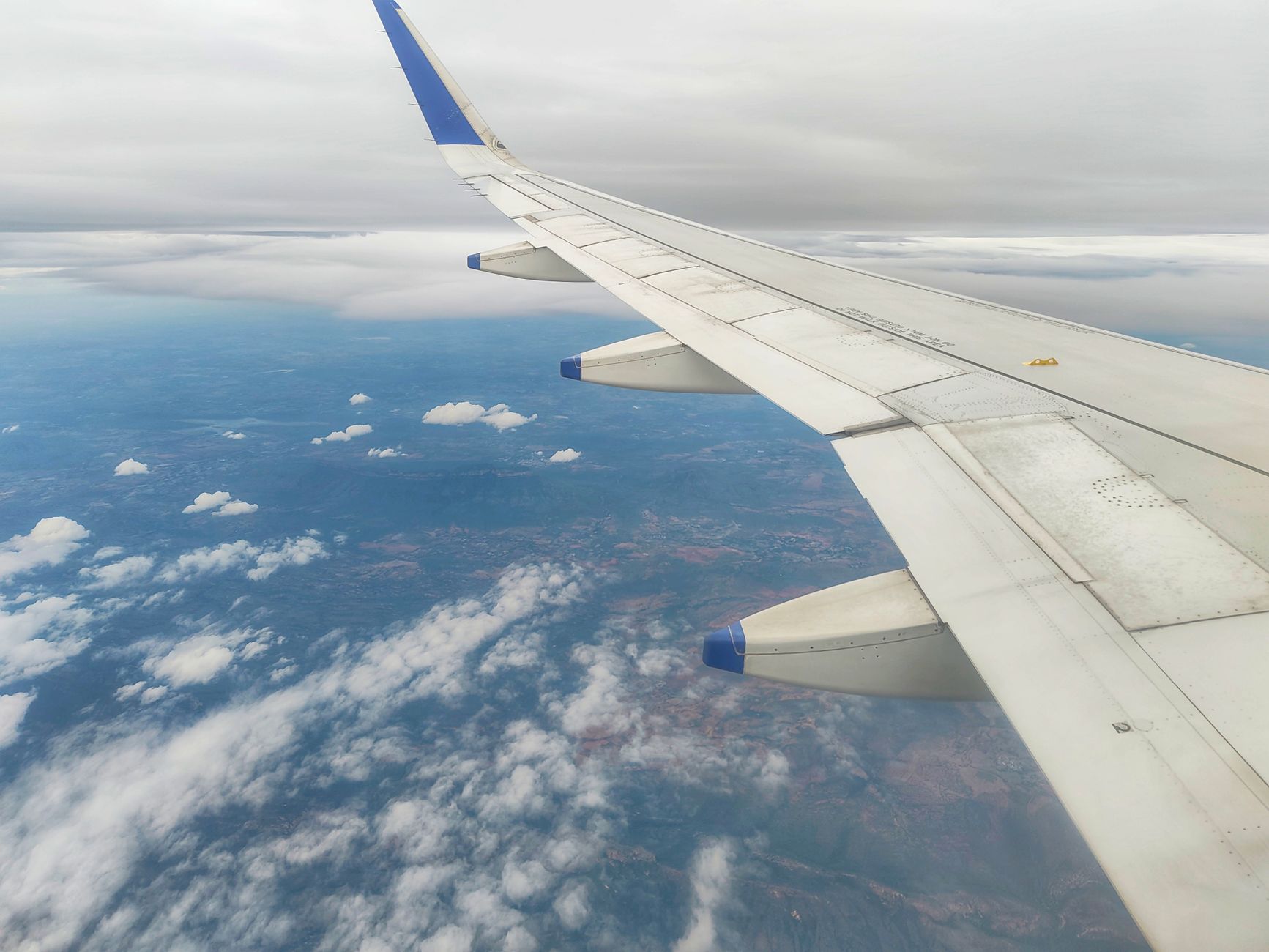
Imagine a 14-hour flight with three energetic kids under the age of seven. Sounds like a nightmare, right? We lived it, and not only survived but actually enjoyed (most of) it! Read our unfiltered story and get the real scoop on how to conquer long-haul family travel. ---
## How We Survived a 14-Hour Flight With Three Kids and Here's What Actually Happened
The message popped up: "Your flight to Tokyo will depart in 24 hours." My heart did a little flutter-kick, a mix of excitement and sheer, unadulterated terror. Tokyo! A dream destination! But also… a 14-hour flight. With three kids. Aged six, four, and two. My husband, Mark, caught my eye from across the kitchen. We exchanged a look that clearly said, "Are we absolutely insane?"
For years, we’d heard the horror stories. The screaming babies, the restless toddlers, the parents looking like they’d just run a marathon in a sauna. We’d even been those parents on shorter domestic hops, emerging from a three-hour flight looking like we’d wrestled a greased pig. But 14 hours? Across an ocean? This wasn't just a flight; it was an expedition. It was a test of our parenting prowess, our marriage, and frankly, our sanity.
But here’s the thing about family travel: it’s messy, it’s chaotic, but it’s also incredibly rewarding. Those shared experiences, even the challenging ones, become the stories you tell for years. And so, with a deep breath and a meticulously planned strategy (that we hoped would actually work), we embarked on our greatest airborne adventure. This is the real, unvarnished truth of what happened, and exactly how we not just survived, but actually made some incredible memories along the way.
### The Pre-Flight Strategy: Victory is Forged on the Ground
Long-haul travel with kids isn't about luck; it's about preparation. Our success on that flight to Tokyo wasn't a happy accident; it was the result of weeks of planning, research, and a few frantic last-minute Amazon Prime orders.
1. Booking Wisely (It's Not Just About Price):
We flew with Japan Airlines, and honestly, they were incredible. When booking, we prioritized:
* Direct Flights: Non-negotiable for us. Every layover is another opportunity for a meltdown.
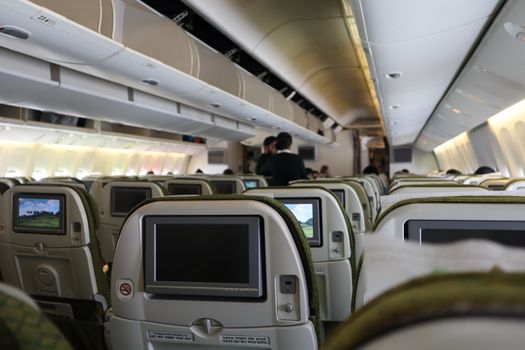
* Seat Selection: We booked well in advance and paid extra to secure seats together. For a family of five, we opted for a 3-2 configuration. The three kids had a row, and Mark and I took the two seats across the aisle. This gave us easy access but also allowed the kids their own "space" without us hovering too much. Some airlines (like JAL) also have bassinet seats for infants, which can be a godsend, even if your "infant" is a large two-year-old.
* Flight Times: We chose a late-night departure (around 10 PM) from LAX. The goal was to exhaust the kids beforehand, get them settled, and hope they’d sleep for the majority of the flight. This was probably our single best decision.
2. The Pre-Flight Exhaustion Plan:
The day of the flight was a whirlwind. We scheduled a full day of activities: a morning at the park, swimming lessons, and a long walk. By the time we got to the airport, our kids were buzzing with anticipation but also pleasantly tired. We skipped naps for the older two entirely. Yes, they were a bit whiny by early evening, but the payoff was immense.
3. Setting Expectations (for Everyone):
We had multiple "airplane talks" with the kids. We explained the long journey, the need for quiet, the exciting destination. We also talked about the rules: "No kicking seats," "Whisper voices," "Stay in your seat when the light is on." We even made a little visual chart for our two-year-old, showing "sleep," "eat," and "play." For us, the expectation was simple: we'd do our best, manage meltdowns, and celebrate the small wins.
### The Carry-On Chronicles: Our Survival Kit (The Real MVP)
Our carry-on bags were less about clothes and more about tactical deployment. This wasn't just luggage; it was our psychological warfare arsenal against boredom and discomfort.
Each child had their own small backpack with:
* Entertainment Galore (The Digital Savior):
Tablets: Each child had a Kindle Fire Kids Edition (pre-loaded with movies, TV shows, and educational games). Crucially, we downloaded everything* beforehand. No relying on spotty in-flight Wi-Fi.
* Headphones: Child-friendly, volume-limited headphones. We brought two pairs per child, just in case one broke or got lost. (A lifesaver!)
* Portable Chargers: Fully charged power banks for the tablets and our phones.
* Analog Distractions (Screen-Free Sanity):
* Small Books: Board books for the two-year-old, chapter books for the six-year-old.
* Sticker Books/Coloring Books: Simple, mess-free activities. We love the "Melissa & Doug Reusable Sticker Pads."
* Fidget Toys: Small pop-its, squishy balls, or a Rubik's Cube. Anything quiet to keep little hands busy.
* "Surprise" Toys: Small, individually wrapped novelty toys (think dollar store finds). We'd pull one out every few hours or during a meltdown. The novelty value was priceless.
* Comfort Crew:
* Small Blanket/Pillow: Their favorite travel blanket and neck pillow helped create a sense of familiarity and comfort.
* Cozy Socks/Sweater: Airplanes get chilly. Layers are key.
* Snack Stash (The Food Whisperer):
* Non-Perishable Favorites: Granola bars, fruit snacks, crackers, pretzels, dried fruit, individual packets of applesauce. Anything that wouldn't make a mess and was easy to eat.
* Empty Water Bottles: We filled these after security. Hydration is crucial for everyone.
* Lollipops/Chewing Gum: For ear pressure during ascent/descent (and a good distraction).
* Essentials for the Adults:
* Wipes, Hand Sanitizer, Tissues: Because sticky fingers and sneezes are inevitable.
* Change of Clothes (for everyone): A full outfit for each child and a spare shirt for us. You never know when juice will spill or an accident will happen.
* Basic First Aid: Band-Aids, pain relievers (for kids and adults!), motion sickness medicine.
* Small Trash Bags: For wrappers, tissues, and general airplane detritus.
Our Family Carry-On Strategy:
Instead of one giant family bag, each adult had a backpack with essentials, plus one small rolling carry-on with communal items and overflow. This distributed the weight and made it easier to access what we needed without rummaging.
### Boarding to Takeoff: The Initial Gauntlet
This is where the pre-flight exhaustion plan truly paid off. We utilized priority boarding for families, which meant we could get settled without the pressure of a hundred other passengers jostling past.
1. Strategic Boarding:
One parent (Mark) boarded first with all the carry-ons. He stowed everything, organized the seat-back pockets, and got the tablets ready. I followed with the three kids, who could then walk straight to their pre-prepared seats. This minimized their "waiting" time on the plane.
2. The Settle-In Sprint:
As soon as they were seated, it was go-time. Tablets were out, headphones on, and a pre-selected movie started. For our two-year-old, a small board book and a favorite stuffed animal came out. We avoided giving them snacks immediately, saving them for later when true hunger or boredom set in.
3. Take-Off Tactics:
The roar of the engines and the sensation of ascent can be exciting or terrifying for kids. Our six-year-old loved it, our four-year-old was a bit nervous, and the two-year-old was mostly oblivious thanks to "Paw Patrol." We encouraged chewing gum for the older two and offered a bottle of water (or a pacifier, if still used) to the youngest to help with ear pressure. A few high-fives and reassuring words helped calm any jitters.
### Mid-Flight Maneuvers: The Long Haul (and the Sleep)
This 14-hour flight was roughly divided into three phases: initial excitement/sleep, deep sleep, and the wake-up/final stretch.
1. The Sleep Strategy (Our Biggest Win):
Within 90 minutes of takeoff, the cabin lights dimmed. Our kids, already tired from their activity-packed day, were surprisingly cooperative. We had brought their small travel pillows and blankets. The two-year-old, bless her heart, curled up and was out cold within minutes, sleeping for a solid 8 hours. The four-year-old followed soon after, getting about 7 hours. Our six-year-old, the night owl, needed a bit more coaxing but eventually drifted off for about 6 hours.
* Pro Tip: If your airline allows it and you have the budget, consider a "bulkhead" row or even splurging on an extra seat if you only have two kids. This allows for more space to stretch out. Some parents even bring inflatable footrests (like the "Fly Tot" or "JetKids BedBox") to create a bed-like surface, though checking airline policies on these is crucial. For us, the late-night departure and pre-exhaustion were enough.
2. Screen Time Management (The Controlled Floodgate):
Once they woke up, the tablets were our primary tool. We allowed generous screen time, knowing this wasn't a typical day. However, we did implement "tablet breaks." Every 2-3 hours, we'd encourage them to get up, walk to the lavatory, stretch, or engage in a quiet analog activity for 15-20 minutes. This helped prevent screen fatigue and gave their eyes a break.
3. Dealing with Meltdowns (The Inevitable):
It wasn't all sunshine and rainbows. Around hour 10, our four-year-old hit a wall. He was tired, bored, and wanted to know "Are we there yet?" for the hundredth time. This is where the "surprise" toys came in handy. A small, new toy car pulled from his backpack provided a 20-minute reset. When that failed, a walk down the aisle to stretch his legs, a visit to the lavatory (just for a change of scenery), and a quiet chat with a flight attendant (who was incredibly kind and offered him a juice box) helped diffuse the situation.
* Our Mantra: Empathy and distraction. Acknowledge their feelings ("I know you're tired, buddy, this is a long flight"), then offer a solution or a new activity.
4. Airplane Etiquette (Teaching Respect):
We constantly reminded them about being mindful of other passengers. "Use your inside voice," "Don't kick the seat in front of you," "Say 'please' and 'thank you' to the flight attendants." It's a small space, and a little courtesy goes a long way. We even packed small thank-you notes or treats for the flight crew, which often resulted in extra smiles and kindness towards our kids.
### Food, Glorious Food: Keeping Them Fed & Happy
Airplane food can be a hit or miss, especially with picky eaters. We approached this with a two-pronged strategy.
1. Pre-Ordered Kids' Meals:
We ordered kids' meals for all three. These often come out first, which is a bonus, and usually include kid-friendly options like pasta, chicken nuggets, or fruit. Our kids mostly ate parts of these, but they weren't always enough or appealing enough.
2. Our Secret Stash (The Real Meal Plan):
Our carry-on snack bag was our true hero. We had enough snacks to feed a small army. When the airplane meal wasn't a hit, we had backup.
* Sandwiches/Wraps: Pre-made mini sandwiches (peanut butter and jelly, turkey and cheese) are easy to pack and don't require refrigeration for a few hours.
* Fruit: Grapes, apple slices, banana (eaten early to avoid bruising).
* Individual Snack Packs: Goldfish crackers, pretzels, fruit snacks, small bags of chips.
* Hydration: We brought small juice boxes and encouraged water constantly. Dehydration can exacerbate jet lag and grumpiness.
* Budget Hack: Buying snacks at a grocery store before the airport saved us a fortune compared to airport prices.
### Arrival & Beyond: Jet Lag & Recovery
Landing in Tokyo after 14 hours felt like an achievement. The kids, surprisingly, were in good spirits, mostly because they knew an adventure awaited.
1. The Jet Lag Battle Plan:
* Immediate Time Zone Adjustment: As soon as we boarded, we set our watches to Tokyo time. We tried to get the kids to eat and sleep according to the new schedule.
* Daylight Exposure: Upon arrival, we immediately got out into the daylight. A walk around our neighborhood in Shinjuku, fresh air, and sunshine helped reset their internal clocks.
* No Naps (Unless Absolutely Critical): We pushed through until evening. The goal was to get them to sleep at the local bedtime. This was tough, especially for the two-year-old who wanted an afternoon nap, but it paid off.
* Hydration: Continued to push water to combat dehydration from the flight and help with the time change.
2. Settling In:
We had booked an Airbnb for our first few nights, which gave us more space and a kitchen, making it easier to manage meals and bedtime routines. We kept the first day light, exploring locally and not over-scheduling.
### The Unvarnished Truth: What REALLY Happened
So, was it perfect? Absolutely not. Was it a breeze? Definitely not. Here’s the real talk:
* The Spill: Yes, our two-year-old spilled an entire cup of apple juice on herself (and the seat) about 6 hours in. Our change of clothes strategy saved the day.
* The Argument: Mark and I had a terse 30-second "discussion" about whose turn it was to get up and help the four-year-old. It was quickly resolved with an apology and a shared grimace.
* The Whining: There were definitely moments of "I'm bored!" and "My ears hurt!" and "I want to go home!" These were met with patience, distraction, and sometimes, just a quiet, reassuring hug.
* The Potty Breaks: The endless parade to the tiny airplane lavatory felt like a workout. Planning ahead and taking them even when they didn't "think" they needed to go minimized accidents.
* The Guilt: There were moments when I felt guilty about the amount of screen time, or worried we were annoying other passengers. But then I looked around and saw other parents struggling, or a kind stranger smiling, and remembered we were doing our best.
But amidst all of that, there were genuine moments of magic:
* Our six-year-old excitedly pointing out the "tiny cars" below as we took off.
* The four-year-old, usually a terror, cuddling into Mark and sleeping soundly for hours.
* Our two-year-old, waking up with a huge grin, ready to explore.
* The shared laughter over a silly cartoon.
* The incredible kindness of the flight attendants, who brought extra snacks and coloring books.
* The feeling of pure accomplishment when we landed, all five of us intact and excited for our adventure.
### The Takeaway: You Can Do This!
That 14-hour flight to Tokyo wasn't just a journey across the globe; it was a journey of discovery for us as parents. We learned that with preparation, patience, and a healthy dose of realistic expectations, even the most daunting family travel challenges are conquerable.
So, if you're staring down a long-haul flight with your little ones, take a deep breath. It won't be perfect, but it will be an adventure. You are stronger and more resilient than you think. Pack smart, plan ahead, and remember that sometimes, the best moments are found in the chaos.
What are YOUR best tips for flying long-haul with kids? Share your wisdom in the comments below! Let’s build a community of empowered family travelers!
---
Visual journey



Tags
Share this adventure
Join the travel community
New adventures, cultural insights and travel inspiration, straight to your inbox.
We may receive a commission if you click on a link and buy a product, service or policy, at no extra cost to you. How affiliate links work.
Other angles on this trip
These notes are written by AI to show how different kinds of traveller might see this destination. They are not comments from real readers.