
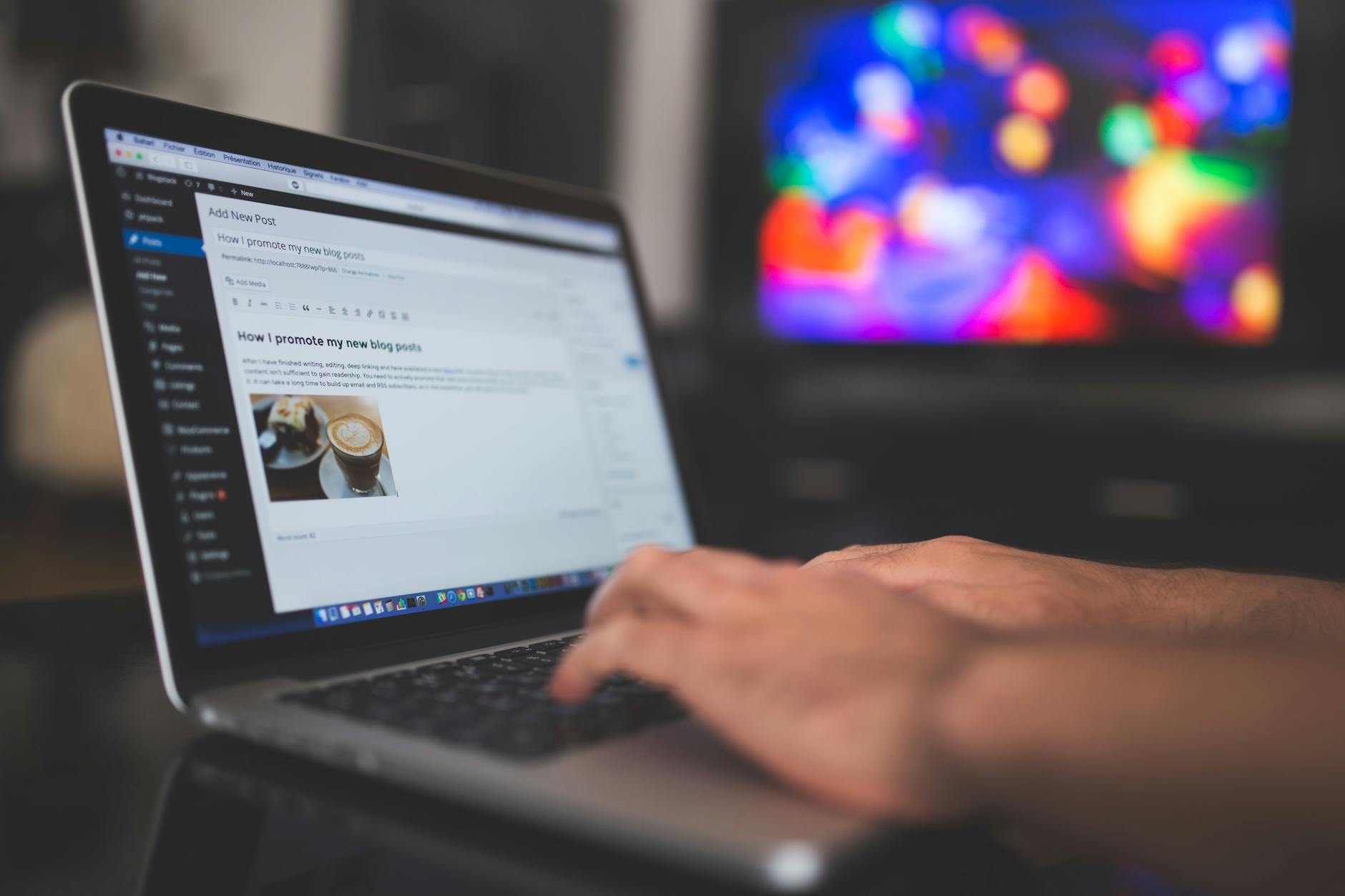
Ever wished you could just *stay* when your trip was supposed to end? I found a way to turn that dream into reality, all thanks to a simple, 30-minute mobile office setup. Discover how this game-changing hack not only allowed me to extend my adventures but also deepened my connection with incredible destinations. ---
## The "One More Week" Dream: How My 30-Minute Mobile Office Setup Unlocked Infinite Travel
The sun was setting over the rice paddies of Ubud, casting a golden glow that made the lush greenery almost otherworldly. I was sipping a potent Balinese coffee, the scent of frangipani heavy in the air, and a familiar pang of dread started to creep in. My flight back home was in two days. Two. Days. And just like every incredible trip before, I wasn't ready to leave.
I’d been working remotely for years, but always tethered to the idea of a fixed base camp, only taking short, intense bursts of travel. My laptop was always with me, of course, but "working on the road" usually meant scrambling for Wi-Fi in a noisy cafe, hunched over, feeling more like a temporary inconvenience than a productive professional. It was never a seamless integration; it was a compromise.
But this time, something felt different. I’d spent the last few days in Ubud, not just exploring, but actually working from a few different spots – a quiet guesthouse balcony, a bustling co-working cafe, even a beachfront beanbag in Seminyak. And for the first time, it didn't feel like a struggle. It felt… easy. Almost effortless. My setup was minimal, my routine was efficient, and suddenly, the idea of "just one more week" didn't seem like an impossible fantasy. It felt like a legitimate option.
That golden Balinese sunset became my "Aha!" moment. What if I wasn't just working on this trip, but living it? What if the ability to set up a fully functional, comfortable mobile office in under 30 minutes was the key to unlocking true travel freedom? Spoiler alert: It was. And that two-day countdown? It turned into two months.
### The "Aha!" Moment: From Trip to Lifestyle
Let's be honest, we've all been there. You're deep into a new culture, making connections, discovering hidden gems, and then BAM! Your calendar reminds you that your adventure is about to end. The scramble begins: last-minute souvenir shopping, revisiting favorite spots, trying to cram in everything you missed. It's exhilarating but also tinged with sadness. You promise yourself you'll come back, but life often gets in the way.
For me, the realization hit hard in Bali. I had initially planned a two-week "workation" – a hybrid of working remotely and exploring. But the experience was so rich, the cost of living so reasonable, and the internet infrastructure surprisingly robust, that the thought of packing up felt premature. My work was getting done, deadlines were met, and I was thriving creatively thanks to the new environment.
The real game-changer wasn't just having my laptop; it was having a system. A minimalist, highly efficient system that allowed me to transform any decent surface into a productivity hub in less time than it takes to order a coffee. This wasn't about "roughing it" with a laptop on my knees; it was about creating a comfortable, focused workspace anywhere. This newfound flexibility wasn't just convenient; it was transformative. It freed me from the mental shackles of a fixed itinerary and opened up a world of possibilities I hadn't dared to imagine.
### My 30-Minute Mobile Office Kit: The Essentials (and What I Ditched)
The key to a lightning-fast setup is ruthless minimalism. Every item must earn its place in your bag. My "mobile office" isn't a separate bag; it's seamlessly integrated into my regular travel backpack.
Here’s what made the cut:
1. Lightweight Laptop (13-inch MacBook Air): My primary workhorse. It’s powerful enough for my needs, incredibly light, and has excellent battery life. Cost: Variable, but a good investment.
2. Portable Monitor (ASUS ZenScreen 15.6-inch): This is the game-changer! USB-C powered, super thin, and instantly doubles my screen real estate. It makes me feel like I’m at my full desk setup, even if I’m overlooking a jungle. Cost: Around $200-300.
3. Noise-Canceling Headphones (Sony WH-1000XM4): Absolutely non-negotiable. They block out cafe chatter, airport announcements, and even noisy hostel roommates, creating an instant bubble of focus. Crucial for calls and deep work. Cost: Around $250-350.
4. Compact Bluetooth Mouse & Keyboard: I use a Logitech MX Master 3S mouse and a Logitech K380 keyboard. They’re comfortable, reliable, and significantly improve ergonomics compared to a laptop trackpad and keyboard. Cost: Mouse ~$100, Keyboard ~$40.
5. Universal Travel Adapter with USB-C PD: Essential for charging everything, everywhere. Look for one with multiple USB ports, including Power Delivery (PD) for fast laptop charging. Cost: ~$30-50.
6. Portable Power Bank (Anker PowerCore 20000 PD): A lifesaver for long travel days, unexpected power outages, or when that perfect cafe spot has no outlets. It can charge my laptop once and phone multiple times. Cost: ~$60-100.
7. Mini Wi-Fi Hotspot (Optional, but useful): If you're often in remote areas or need an extra layer of internet reliability. I mostly rely on local SIM cards, but this is a solid backup. Cost: Variable, plus data plan.
8. Small, Collapsible Laptop Stand: Elevates my laptop screen to eye level, improving posture and reducing neck strain. My specific one folds flat to the size of a ruler. Cost: ~$20-40.
What I Ditched:
Heavy camera gear (unless photography is my main gig), bulky external hard drives (cloud storage is king), unnecessary cables, and anything that didn't serve a dual purpose or wasn't absolutely essential for productivity. The goal is maximum utility with minimum weight.
### Location, Location, Location: Finding My Perfect Remote Havens
The beauty of this setup is that your office can be anywhere. But some places are simply better equipped – and more inspiring – than others. Here are a few spots where my 30-minute office truly shined and allowed me to extend my stay:
#### 1. Ubud, Bali, Indonesia: The Serene Productivity Hub
* Vibe: Spiritual, artistic, lush, and surprisingly connected.
* My Experience: Ubud was my first real test. I started at a charming guesthouse called Kandarpa Guesthouse, where my room had a spacious balcony overlooking a small rice paddy. The Wi-Fi was surprisingly robust (around 50 Mbps down), and the morning symphony of nature was infinitely more inspiring than any office soundtrack.
* Go-to Spot: When I needed more social interaction or a power boost, Outpost Co-working in Penestanan (near Ubud center) was fantastic. A monthly membership was around $150 USD for unlimited access, but I often opted for daily passes ($20 USD) or just worked from their cafe area which had great Wi-Fi with a minimum spend. Their healthy smoothie bowls were a daily ritual.
* Cost & Culture: A delicious Nasi Goreng costs about $3-5 USD, fresh coconut water $1.50 USD. The warmth of the Balinese people, the daily offerings, and the pervasive sense of calm made it easy to fall into a healthy work-life rhythm. I took daily yoga classes ($8-10 USD) and explored hidden temples after work.
* Why I Extended: The low cost of living, incredible food, spiritual atmosphere, and a strong digital nomad community meant I could live comfortably and productively for a fraction of what I'd spend back home. I ended up staying for two months, exploring every corner of the island.
* Getting Around: Scooters are king (rental ~$5-7 USD/day), but ride-sharing apps like Gojek and Grab are widely available.
#### 2. Lisbon, Portugal: European Charm with a View
* Vibe: Historic, vibrant, hilly, and incredibly photogenic.
* My Experience: After Asia, I craved European charm. Lisbon captured my heart instantly. I found an Airbnb in the Alfama district with a tiny balcony overlooking the Tagus River. The ancient, winding streets were a daily dose of inspiration.
* Go-to Spot: For a change of scenery, Fábrica de Braço de Prata (a former factory turned cultural hub with a large cafe/bookstore) offered spacious tables and decent Wi-Fi. I also loved working from LX Factory, a creative industrial complex under the 25 de Abril Bridge, which has numerous cafes.
* Cost & Culture: A "bica" (espresso) costs about $0.80-1.20 EUR, and a delicious "Pastel de Nata" (custard tart) is around $1.50 EUR. Lunch menus (prato do dia) are often $8-12 EUR. The Portuguese are incredibly friendly, and the Fado music in the evenings is soulful.
* Why I Extended: The blend of historic beauty, modern amenities, vibrant nightlife, and delicious food (hello, fresh seafood!) made it impossible to leave after my initial three weeks. The easy access to other European cities by train or cheap flights was also a huge draw. I stayed for another month, taking weekend trips to Sintra and Porto.
* Getting Around: Lisbon's hills are legendary! Walk everywhere, or use the excellent metro, trams (Tram 28 is iconic but crowded), and funiculars. Ride-sharing apps are also readily available.
#### 3. Chiang Mai, Thailand: The Original Digital Nomad Hub
* Vibe: Laid-back, culturally rich, foodie paradise, and budget-friendly.
* My Experience: Chiang Mai truly lives up to its reputation as a digital nomad haven. I stayed in a modern apartment near Nimmanhaemin Road, which is bustling with cafes, restaurants, and co-working spaces.
* Go-to Spot: Punspace Co-working (multiple locations) is a staple, offering reliable high-speed internet (100+ Mbps), comfortable chairs, and a focused atmosphere. A hot desk day pass is about $10-12 USD. For a more relaxed vibe, Graph Cafe or Ristr8to Coffee are excellent, but you might need to hunt for an outlet.
* Cost & Culture: Street food is ridiculously cheap and delicious – Pad Thai for $1.50 USD, a full meal for $3-5 USD. Massages are $7-10 USD/hour. The temples (Wats) are stunning, and the Sunday Night Market is an incredible cultural experience.
* Why I Extended: The sheer affordability, the ease of meeting other remote workers, the incredible food scene, and the general relaxed pace of life made it easy to extend my initial two-week plan into five weeks. It was a perfect blend of productive work and adventurous exploration (think elephant sanctuaries and cooking classes).
* Getting Around: Red Songthaews (shared taxis) are cheap and plentiful. Grab (ride-sharing) is also very popular. Scooters are an option but require caution.
### The Art of the Quick Setup: My 30-Minute Routine
This is where the rubber meets the road. The "30 minutes" isn't a magical number; it's a disciplined routine. Here's how I consistently get my mobile office up and running:
1. Scout & Secure Power (5 minutes): First priority: find a reliable power outlet. Assess the lighting and overall ambiance. Is it too noisy? Too distracting? If I'm in a cafe, I'll grab a table near an outlet. If in my accommodation, I'll find the best natural light.
2. Connect to Wi-Fi (5 minutes): This is crucial.
* Local SIM Card: My primary method. I always get a local SIM (e.g., Telkomsel in Indonesia, MEO in Portugal, AIS in Thailand) with a generous data plan (10-20GB for ~$10-20 USD). My phone acts as a personal hotspot. This is generally more reliable and secure than public Wi-Fi.
* Cafe/Accommodation Wi-Fi: If using this, I immediately run a speed test (fast.com or speedtest.net) to ensure it's adequate for video calls and my workflow. If it's spotty, I use my phone's hotspot as a backup.
3. Deploy Core Gear (10 minutes):
* Laptop: Unzip, open.
* Portable Monitor: Connect via USB-C to the laptop. It's plug-and-play.
* Peripherals: Connect the Bluetooth mouse and keyboard. They usually auto-connect.
* Headphones: Put them on, turn on noise-canceling. Instant focus.
4. Ergonomics & Hydration (5 minutes):
* Laptop Stand: Set it up to elevate the laptop screen.
* Workspace Tidy: Arrange my water bottle, coffee, and any notes within easy reach. Keep the rest of the table clear.
5. Coffee & Focus (5 minutes): Order my drink (if in a cafe) or brew one (if at accommodation). Take a deep breath, open my task manager, and dive in.
Overcoming Challenges:
* Bad Wi-Fi: Always have a local SIM/hotspot as a backup. Ask locals or other nomads for recommendations.
* Distractions: Noise-canceling headphones are your best friend. Choose quieter spots or work during off-peak hours.
* Ergonomics: The laptop stand and external keyboard/mouse are non-negotiable for long-term comfort. Don't underestimate the importance of moving and stretching regularly.
### Beyond the Desk: How Extending My Trip Enriched My Travel
This isn't just about working from cool places; it's about the profound impact extending your stay has on your travel experience.
* Deeper Cultural Immersion: Instead of just scratching the surface, I started living like a local. I learned basic phrases (terima kasih, obrigado, khop khun krap), discovered favorite local eateries that weren't in any guidebooks, and participated in local festivals that tourists rarely see. In Bali, I learned about Balinese Hinduism; in Lisbon, I understood the nuances of Fado; in Chiang Mai, I took a traditional Thai cooking class. These weren't rushed activities; they were part of my daily life.
* Slower Pace, Deeper Connections: When you're not rushing from one sight to the next, you have time to breathe. I made friends with cafe owners, fellow digital nomads, and even my guesthouse hosts. These connections added so much richness to my journey. You start to understand the rhythm of a place, rather than just observing it.
* Financial Benefits: Ironically, staying longer can often be cheaper. Monthly Airbnb rentals are significantly less per night than daily or weekly rates. You learn where the locals shop for groceries, how to use public transport efficiently, and find budget-friendly activities. My daily expenses in Bali and Chiang Mai, spread over months, were often less than what I'd spend on rent and food for a single week back home.
* Unexpected Adventures: With no strict departure date looming, I was open to spontaneous opportunities. A last-minute invite to a Balinese temple ceremony, a road trip to the Algarve coast in Portugal, or a weekend trek in the northern Thai mountains – these experiences wouldn't have happened if I was on a tight schedule.
### Making It Work: Practical Tips for Your Own Extended Adventure
Inspired to try it yourself? Here are my top actionable tips:
1. Internet is King: Prioritize your internet strategy. A local eSIM (like Airalo or Holafly) or physical SIM card in an unlocked phone is usually the most reliable and cost-effective. Always have a backup plan (e.g., a portable hotspot or a plan to find a co-working space).
2. Power Up: Invest in a good universal travel adapter and a robust power bank. Nothing derails productivity faster than a dead battery.
3. Accommodation Wisdom: When booking, filter for "good Wi-Fi" and read reviews specifically mentioning internet speed. Consider booking a week initially, then extending if the Wi-Fi and vibe are good. Look for long-term discounts on Airbnb or local guesthouses.
4. Balance is Key: It's easy to get swept up in travel or bogged down by work. Set clear working hours and stick to them. Block out time for exploration, exercise, and socializing. Use tools like the Pomodoro Technique to stay focused.
5. Health & Wellness: Don't neglect self-care. Find local gyms or yoga studios, walk as much as possible, and prioritize fresh, local food. Staying healthy is crucial for sustainable travel.
6. Safety First: Always be mindful of your gear. Don't leave your laptop unattended in cafes. Use a VPN for public Wi-Fi. Back up your data regularly to cloud storage. Be aware of local scams and general travel safety advice for your destination.
7. Embrace Flexibility: Things will go wrong. Wi-Fi will drop, plans will change. The ability to adapt and maintain a positive attitude is your most valuable tool.
### Budgeting for the Long Haul: Making Extended Travel Affordable
Extending your trip doesn't have to break the bank. In fact, it can often be more affordable than short, intense vacations.
* Accommodation Hacks:
* Monthly Rentals: Look for Airbnbs or local apartments offering monthly discounts. You can often save 30-50% compared to daily rates.
* Hostels with Private Rooms: Many hostels offer private rooms that are cleaner and more secure than dorms, often at a fraction of hotel prices. They also have great communal areas for meeting people.
* Guesthouses/Homestays: These local options often provide excellent value, a personal touch, and sometimes even include meals.
* Food Philosophy:
* Eat Local: Ditch the tourist traps. Seek out local markets (pasar in Indonesia, feira in Portugal, night markets in Thailand) and street food vendors. Not only is it cheaper, but it's also a more authentic culinary experience.
* Cook Some Meals: If your accommodation has a kitchen, cooking a few meals a week can significantly cut down on expenses.
* Happy Hour/Set Menus: Many restaurants offer "prato do dia" (dish of the day) or happy hour deals that provide great value.
* Transportation Smarts:
* Walk, Walk, Walk: It's free, healthy, and the best way to discover a city's hidden gems.
* Public Transport: Master the local bus, metro, or tram system. It's usually very affordable.
* Scooter/Bike Rentals: In many Southeast Asian countries, a scooter rental can be incredibly cheap for daily transport (ensure you have the right license and insurance!).
* Ride-Sharing Apps: Apps like Grab (Asia) or Bolt/Uber (Europe) can be cheaper than traditional taxis.
* Free Activities: Embrace parks, free walking tours, local festivals, hiking, beaches, and simply people-watching. Every destination has a wealth of free or low-cost activities.
### Your Adventure Awaits: Don't Just Dream It, Live It!
That golden Balinese sunset feels like a lifetime ago, yet the lessons learned resonate deeply. My mobile office isn't just a collection of gadgets; it's a passport to freedom, a tool that allows me to weave my work seamlessly into the tapestry of travel. It transformed my "one more week" wish into a sustained reality, enriching my travels in ways I never imagined.
If you’ve ever yearned to linger longer, to truly sink into a destination, this is your sign. With a minimal setup and a little planning, you can turn any cafe, guesthouse balcony, or beachside beanbag into your personal office, freeing you to extend your adventures indefinitely. Stop dreaming about "someday" and start planning your next extended journey. The world is your office, and your next adventure is waiting.
Ready to pack your minimalist mobile office? What destination are you extending your trip to first? Share your dreams in the comments below!
---
Visual journey


Tags
Share this adventure
Join the travel community
New adventures, cultural insights and travel inspiration, straight to your inbox.
We may receive a commission if you click on a link and buy a product, service or policy, at no extra cost to you. How affiliate links work.
Been there?