
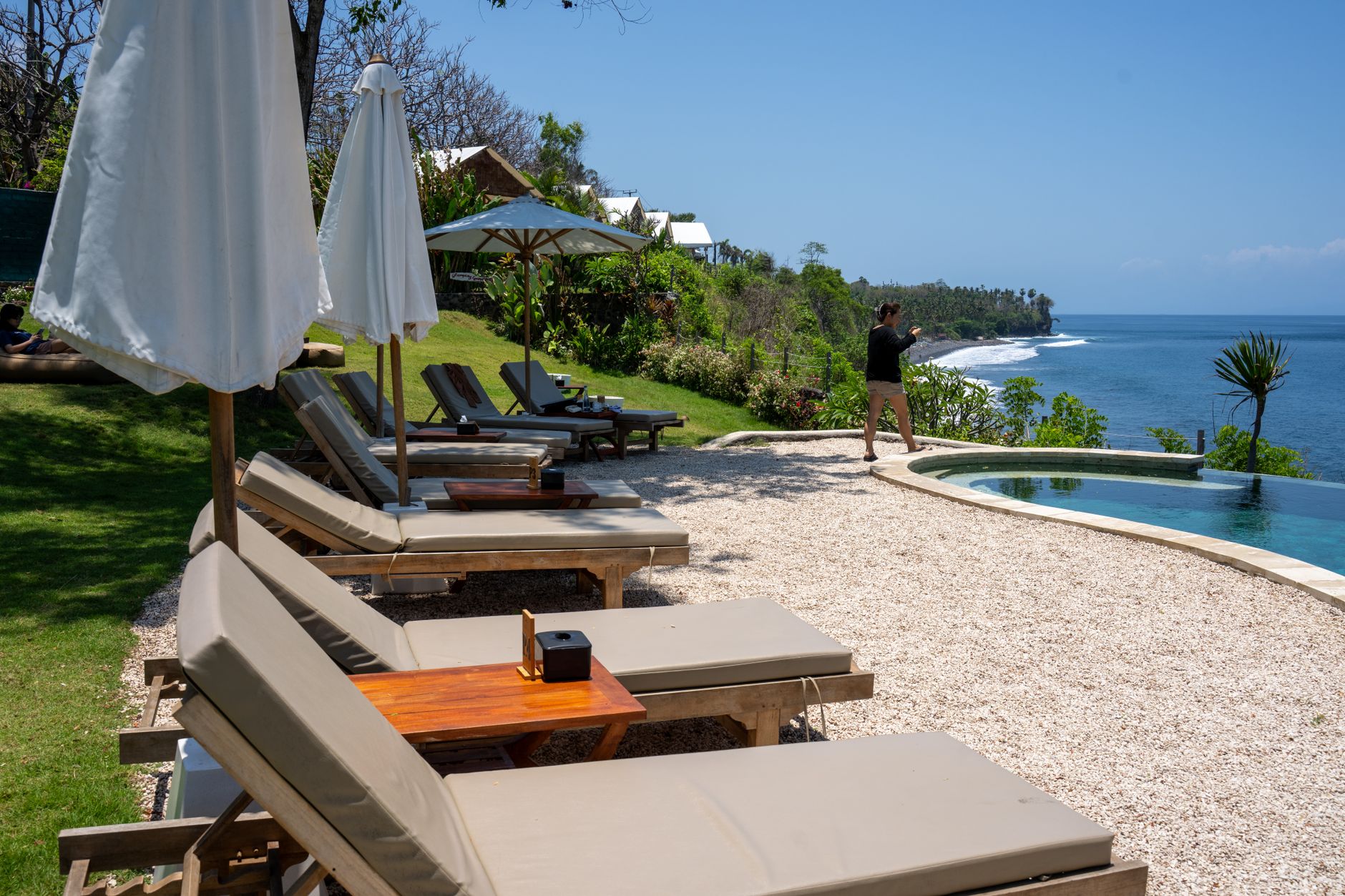
Everyone said Bali was expensive, a playground for the rich. They were wrong. I spent a month living like royalty on the Island of Gods for just $800, proving that an opulent experience doesn't require a king's ransom. This is my story, and your blueprint.
The bewildered look on my friend Sarah’s face was priceless. "You did what for $800? A month? In Bali? There's no way, Liam. You stayed in a shack and ate instant noodles, didn't you?"
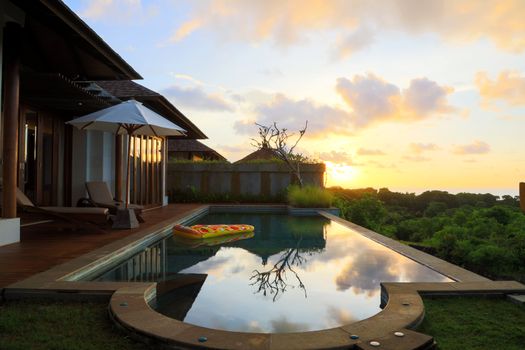
I just smiled, scrolling through my phone, showing her a picture of me lounging by a private pool, surrounded by lush tropical foliage, a freshly blended smoothie in hand. The setting sun painted the sky in hues of orange and purple. "Does that look like a shack, Sarah?"
The truth is, for years, Bali had felt like an unattainable dream. Instagram feeds were flooded with influencers sipping cocktails in ridiculously expensive resorts, yogis meditating in luxury villas, and honeymooners splurging on fine dining. The narrative was clear: Bali was beautiful, spiritual, and utterly, wonderfully expensive.
But I’m a stubborn traveler. I’d heard the whispers of a different Bali, a more authentic, budget-friendly side. I decided to challenge the myth. I packed my bags, booked a one-way ticket, and set out to prove everyone wrong. My mission? To live like royalty – not just comfortably, but luxuriously – on the Island of Gods, all while sticking to a tight budget of $800 a month.
And guess what? I did it. And you can too.
This isn't about roughing it. This isn't about sacrificing comfort or missing out on experiences. This is about smart travel, local immersion, and discovering the true magic of Bali without draining your bank account. Get ready, because I’m about to share my exact blueprint for how I lived like a king for $800 a month and how you can replicate my unforgettable experience.
---
### The Myth vs. The Reality: Unpacking Bali's Price Tag
Before I even landed, I was bombarded with well-meaning but often misinformed advice: "Bali is great, but be prepared to spend a fortune!" "Those beautiful villas cost thousands!" "Food is expensive unless you eat street food every day."
It's true that Bali can be expensive. If you stick to the highly tourist-centric areas like Seminyak or Canggu's main drag, dine at Western-style cafes three times a day, and book last-minute through international hotel chains, your wallet will definitely feel the pinch. These areas cater to a specific type of traveler who expects Western prices and amenities, and they deliver.
But Bali is vast and diverse. Beyond the glossy brochures and curated Instagram feeds lies an island where the local economy thrives on much lower prices. The key to unlocking affordable luxury is to understand this duality and lean into the local way of life. It’s about being observant, asking questions, and being willing to step a little off the beaten path.
My goal wasn't just to survive on $800. It was to thrive. I wanted private accommodation, delicious and healthy food, incredible experiences, and even a bit of pampering. I wanted the Bali dream, just without the Bali price tag. And I found it. The secret lies in a combination of savvy planning, local connections, and embracing the island's authentic rhythm.
---
### Finding My Palace: Securing a Stunning Villa for a Steal
This is often where people believe the budget collapses. "A private villa for $800 a month? Impossible!" But it's not. Here's how I did it:
My Story:
I landed in Denpasar with a pre-booked hostel for a few nights, just to get my bearings. My real search began immediately. I knew I wanted to be slightly away from the most crowded spots but still accessible. I focused on areas like Ubud's outskirts, Sanur, or even parts of Canggu a bit further from Echo Beach.
My strategy was multi-pronged:
1. Local Facebook Groups: These are goldmines! Search for "Bali Long Term Rentals," "Ubud Housing," "Canggu Nomad Accommodation," etc. People post everything from single rooms to multi-bedroom villas. I spent hours scrolling, messaging, and comparing.
2. Airbnb (Long-Term Discounts): Don't dismiss Airbnb entirely. Many hosts offer significant discounts (20-50%) for monthly stays. Filter by "monthly" and set your budget. You'd be surprised what pops up.
3. On-the-Ground Exploration: This is crucial. Once you have a general area in mind, rent a scooter (more on that later!) and drive around. Look for "For Rent" signs (often just a number written on a wall) and ask locals. Word-of-mouth is powerful here.
My Score:
After a week of searching, a tip from a local cafe owner led me to a hidden gem in a quiet village just outside Ubud. It was a beautiful, one-bedroom villa with a private plunge pool, an outdoor kitchen, a spacious living area, and a lush garden. The best part? It was nestled amongst rice paddies, offering breathtaking views and incredible tranquility. The owner, a sweet Balinese woman named Ibu Wayan, was looking for a long-term tenant. We negotiated, and I secured it for $350 a month. Yes, you read that right. $350.
Practical Tips for Accommodation:
* Go Local: Avoid international booking sites for long-term stays. Use local groups and contacts.
* Negotiate: Always, always negotiate, especially for monthly rentals. Cash payments can sometimes get you a better deal.
* Off-Season Advantage: If you can travel during the shoulder or low season (roughly March-May and September-November, avoiding peak summer and Christmas), prices are lower and availability is better.
* Location, Location, Location: The further you are from the absolute tourist hotspots, the cheaper accommodation becomes. Look for places slightly off the main roads.
* Be Flexible: Be open to different areas. Ubud, Sanur, parts of Canggu, Pererenan, and even Lovina in the north offer great value.
---
### Feast Like a King: Exquisite Food & Drink on a Dime
Eating well in Bali is not a challenge – eating affordably and well is the art. Forget the $15 avocado toasts and $20 cocktails. I indulged in incredible flavors for a fraction of the price.
My Story:
My days often started with fresh tropical fruit from a local market – a haul of mangoes, snake fruit, and dragon fruit for about $2. Breakfast at my villa, overlooking the rice paddies, was pure bliss. For lunch and dinner, I became a connoisseur of the warung.
A warung is a local eatery, often family-run, serving authentic Indonesian food. They are ubiquitous and delicious. My go-to was a local warung near my villa where I could get a massive plate of Nasi Campur (rice with a variety of small dishes like grilled chicken, satay, vegetables, tempeh, and sambal) for about $2-$3. It was fresh, flavorful, and incredibly filling. I’d often add a fresh coconut for $1.
I also discovered the joys of local markets. I'd buy fresh fish, vegetables, and spices for pennies and cook simple, delicious meals in my villa's outdoor kitchen. This not only saved money but was a wonderful cultural experience, interacting with local vendors.
As for drinks, Bintang beer is cheap (around $2 from a convenience store), and fresh juices are everywhere. Happy hour deals at slightly nicer establishments can get you cocktails for $4-$5 if you really want to splurge.
Practical Tips for Food & Drink:
* Embrace Warungs: This is non-negotiable for budget eating. Look for warungs packed with locals – that's your sign of good, authentic food.
* Local Markets: Buy fresh produce, snacks, and ingredients for cooking. It's an experience in itself.
* Cook at Home: If your accommodation has a kitchen, utilize it! Even cooking a few meals a week makes a huge difference.
* Drink Local: Fresh juices, coconuts, and local Bintang beer are your friends. Avoid imported alcohol and fancy cocktails unless it's a special treat.
* Water Refills: Bring a reusable water bottle and refill it at cafes or refill stations to save money and reduce plastic waste.
Estimated Monthly Food Budget:
$150-$200 (including occasional splurges).
---
### Exploring My Kingdom: Transportation & Activities on a Budget
Bali is an island meant for exploration. From ancient temples to stunning beaches, lush waterfalls to vibrant rice terraces, there's an endless array of sights. And you don't need a private driver every day.
My Story:
My primary mode of transport was a scooter. I rented a reliable Honda Vario for $60 a month. This gave me complete freedom. I zipped through rice paddies, navigated bustling streets, and discovered hidden beaches that tour buses never reach. Just remember to wear a helmet, have an international driving permit, and drive cautiously – Bali traffic can be an adventure!
For longer distances or when I wanted to relax, I used Gojek or Grab. These ride-hailing apps are incredible. You can order a scooter taxi (Ojek), a car, or even food delivery. A 30-minute scooter ride might cost $2-$3.
Activities? Bali is packed with free or very cheap wonders:
* Beach Hopping: Endless stunning beaches like Padang Padang, Bingin, Melasti (some have small parking fees, about $0.50-$1).
* Temple Visits: Most temples have a small entrance fee (around $2-$3), which often includes a sarong rental. My favorite was Tirta Empul, where I participated in a purification ceremony.
* Rice Terraces: Tegalalang Rice Terraces are beautiful, with a small donation requested at various points. Exploring local, less famous terraces around Ubud is often free.
* Waterfalls: Many waterfalls like Tegenungan or Tibumana have small entrance fees ($1-$2).
* Sunrise/Sunset Chasing: Absolutely free and utterly magical. My favorite spot was Campuhan Ridge Walk for sunrise.
* Local Events: Keep an eye out for local ceremonies, dance performances, or markets. Often free or a small donation.
Practical Tips for Transport & Activities:
* Scooter Rental: Essential for independence. Negotiate for monthly rentals. Always wear a helmet.
* Gojek/Grab: Download these apps for convenient and affordable rides and food delivery.
* Free Activities: Prioritize beaches, walks, sunrises/sunsets.
* Temple Etiquette: Dress respectfully (shoulders and knees covered). Sarongs are usually provided or available for rent.
* Local Guides: For specific treks or cultural insights, hiring a local guide for a day can be very affordable (negotiate rates, usually $20-$40 for a half-day).
Estimated Monthly Transport & Activities Budget:
$80-$120.
---
### The Royal Treatment: Wellness & Self-Care on a Budget
Living like royalty isn't just about food and shelter; it's about feeling good. Bali is a spiritual and wellness hub, and you don't need a luxury resort spa to indulge.
My Story:
One of my favorite rituals was a weekly Balinese massage. In my home country, an hour-long massage costs upwards of $80-$100. In Bali, at a clean, local spa, I could get a fantastic 60-minute Balinese massage for $7-$10. Pure bliss!
Yoga classes are also abundant and much cheaper than back home. Drop-in classes at popular studios like The Yoga Barn or Radiantly Alive in Ubud might be $10-$15, but many smaller, local studios offer classes for $5-$8. I also found free community yoga sessions occasionally advertised on local notice boards.
Haircuts, manicures, pedicures – all incredibly affordable. A full pedicure might cost $5-$7. It felt incredibly indulgent without the guilt of overspending.
Practical Tips for Wellness:
* Local Spas: Seek out smaller, independent spas, not the ones attached to luxury hotels. Look for clean, well-maintained places that are popular with locals and expats.
* Package Deals: Some spas offer package deals for multiple treatments or longer sessions that can save you money.
* Community Yoga: Look for donation-based or community yoga classes.
* Hair & Beauty: Local salons offer excellent services for a fraction of Western prices.
Estimated Monthly Wellness Budget:
$30-$50 (for a weekly massage and a couple of yoga classes).
---
### Beyond the Budget: What Else I Learned & Gained
Living on a budget in Bali wasn't just about saving money; it was about immersing myself in the culture in a way I never would have if I'd stayed in an insulated resort.
* Local Connections: By interacting with Ibu Wayan (my villa owner), the warung owners, and local market vendors, I gained a deeper appreciation for Balinese life. I learned about their daily offerings (Canang Sari), their family structures, and their unwavering smiles. These connections are priceless.
* Slow Travel: This budget forced me to slow down. Instead of rushing from one tourist trap to another, I spent mornings reading by my pool, afternoons exploring local villages, and evenings watching sunsets. It was a truly restorative pace.
* Sustainable Choices: Using Gojek/Grab bike, refilling water bottles, eating local food – these aren't just budget-friendly, they're more sustainable ways to travel, reducing your environmental footprint.
* Unexpected Joys: I stumbled upon a local temple festival, witnessed a traditional cremation ceremony (from a respectful distance), and was invited to a Balinese wedding. These authentic experiences are rarely found on organized tours and cost nothing but an open heart.
My $800 was not just spent on goods and services; it was an investment in an experience that redefined my understanding of luxury. Luxury, I realized, isn't about the price tag; it's about freedom, connection, and profound well-being.
---
### Your Bali Royal Blueprint: Replicating My Budget Breakdown
So, how did it all add up? Here’s a typical monthly breakdown based on my experience, which you can use as a template:
* Accommodation (Private Villa with Pool): $350
* Food & Drink (Mostly Warungs, Market Cooking): $180
* Scooter Rental: $60
* Fuel: $20
* Gojek/Grab Rides (occasional): $20
* Activities & Entrance Fees: $40 (temples, waterfalls, beach parking)
* Wellness (Weekly Massage, Yoga): $40
* Miscellaneous (SIM card, laundry, toiletries, small treats): $50
* Total: $780
This leaves a comfortable $20 buffer for unexpected expenses or a slightly bigger splurge!
Essential Apps:
* Gojek / Grab: For transport, food delivery, and more.
* WhatsApp: Everyone in Bali uses it for communication.
* Google Maps: Offline maps are a lifesaver.
* XE Currency Converter: Quick conversions.
What to Pack:
* Light, breathable clothing (it’s hot!)
* Swimwear (duh!)
* Sarong (for temples and beaches)
* Reusable water bottle
* Sunscreen & insect repellent
* Basic first-aid kit
* International driving permit (if you plan to ride a scooter)
Best Time to Go:
The dry season (April to October) offers sunny days, but shoulder seasons (April-May, September-October) provide good weather with fewer crowds and potentially better deals. I went in May/June and found it perfect.
---
### Conclusion: Your Bali Dream Awaits!
When I first told people about my plan, I was met with skepticism and even outright disbelief. "Bali for $800 a month? You're dreaming!" they'd say. But I wasn't dreaming; I was living. I lived like royalty, not in the gilded cage of an overpriced resort, but in the heart of Bali, surrounded by its natural beauty, vibrant culture, and incredibly warm people.
This journey taught me that luxury isn't about expense; it's about experience, freedom, and the richness of connection. It proved that with a little research, an open mind, and a willingness to embrace the local way of life, you can unlock an extraordinary travel experience that most people believe is out of reach.
So, are you ready to challenge the myth? Are you ready to trade your limiting beliefs for limitless possibilities? Bali is waiting. Your palace, your feast, your adventures – all within reach.
Now it's your turn! Have you lived like royalty on a budget somewhere unexpected? Share your tips and experiences in the comments below! And if this post inspired you, don't forget to share it with your travel buddies!
Visual journey


Tags
Share this adventure
Join the travel community
New adventures, cultural insights and travel inspiration, straight to your inbox.
We may receive a commission if you click on a link and buy a product, service or policy, at no extra cost to you. How affiliate links work.
Other angles on this trip
These notes are written by AI to show how different kinds of traveller might see this destination. They are not comments from real readers.