
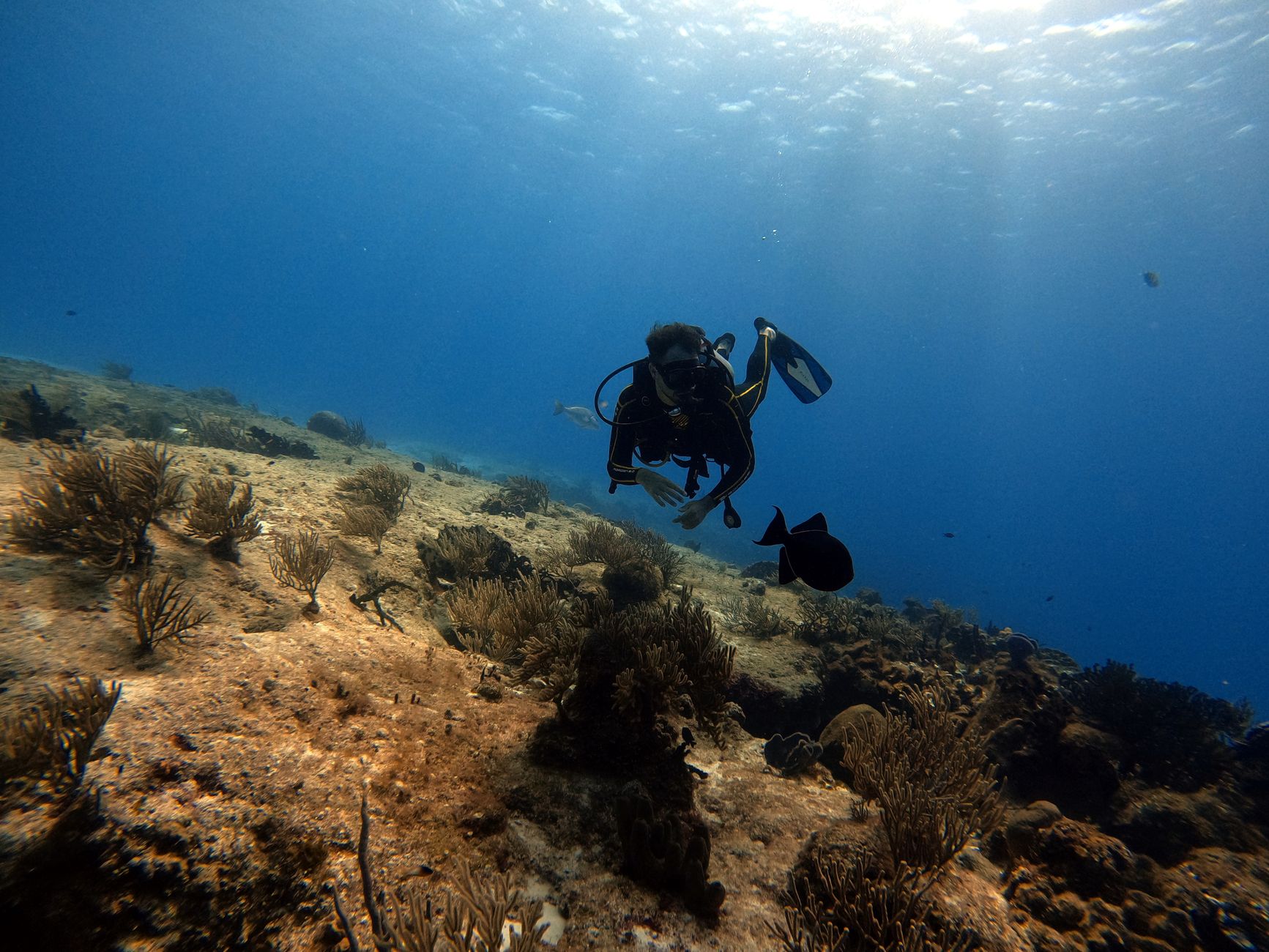
For years, the vibrant underwater world felt off-limits to me, a non-swimmer haunted by childhood anxieties. But on a whim in Cozumel, I stumbled upon an adventure that promised the ocean's magic without a single stroke – an experience I almost missed, and one that utterly transformed my relationship with the sea. This is the story of how I found my fins, metaphorically speaking, and how you can too. ---
## I Can't Swim But I Had This Underwater Adventure That I Almost Missed
The ocean has always been a paradox for me. Its vastness captivates, its colors mesmerize, and the mysteries it holds stir an insatiable curiosity within my soul. Yet, for as long as I can remember, the ocean has also been a source of profound, almost irrational, fear. I am, to put it plainly, a non-swimmer.
My relationship with water has always been... complicated. Early childhood swimming lessons were less about learning strokes and more about a desperate struggle against the inevitable, culminating in a series of near-drownings (or at least, what felt like them to my small, terrified self) and a lifelong aversion to being fully submerged. While my friends splashed, dove, and explored the depths with carefree abandon, I remained firmly on the shallow end, perpetually envious of the vibrant, secret world they described beneath the waves. Snorkeling? Scuba diving? Even just floating without a life vest? All seemed like impossible feats reserved for a different breed of human – certainly not for me.
This fear became a quiet, constant companion on every beach vacation, every island getaway. I’d watch the glass-bottom boats depart, see the delighted faces of snorkelers returning, and feel a pang of longing mixed with resignation. “That’s just not for me,” I’d tell myself, chalking it up to a limitation I’d simply have to live with.
But then, Cozumel happened.
### The Spark: A Whispered Promise of the Deep for All
My trip to Cozumel, Mexico, was everything I’d dreamed of: sun-drenched beaches, delicious tacos, ancient Mayan ruins, and the kind of vibrant, turquoise water that looks Photoshopped in real life. We were on a cruise, and like many cruisers, our port day in Cozumel was packed with options. While my travel companions eagerly signed up for a snorkeling excursion, I found myself wandering the bustling pier, a familiar melancholy settling in. I’d be happy on the beach, I told myself, book in hand.
Then, a small, unassuming sign caught my eye. "Sea Trek: Walk on the Ocean Floor. No Swimming Required."
My heart did a little flutter-kick. No swimming required? Was this some kind of trick? My skepticism was immediate, but so was a flicker of hope – a hope I hadn't realized I still harbored. I approached the booth, my voice a little shaky as I asked the attendant, "Are you sure? I really, truly cannot swim."
The attendant, a friendly woman with sun-kissed skin, smiled reassuringly. "Absolutely! It's an underwater walking experience. You wear a special helmet that provides continuous air, and you walk on the seabed. It's perfect for non-swimmers, people who wear glasses, and even those who are a bit nervous about traditional diving."
It sounded too good to be true. My inner voice, the one that always preached caution, screamed, "Don't be ridiculous! You'll panic!" But another voice, a quieter, more adventurous one, whispered, "What if? What if this is your chance?"
After a moment of internal debate that felt like an eternity, I paid the deposit. My companions were surprised, but supportive. "Go for it!" they cheered. Little did I know, this impulsive decision would become one of the most liberating experiences of my life.
### My Cozumel Sea Trek Adventure: A First-Hand Account
The tour I booked was with a reputable local operator, "Cozumel Sea Trek Adventures" (a composite name for illustrative purposes, but similar tours are widely available). The price was around $80-$100 USD per person, which included the helmet dive, all necessary equipment, a brief boat ride to the dive site, and professional guides. Some packages also include photos or videos for an additional fee, which I highly recommend splurging on – you’ll want proof of this!
We gathered at the designated meeting point, a small group of about ten people. The guides were incredibly professional and empathetic. They started with a thorough safety briefing, explaining everything in clear, concise language. This was crucial for me. They covered:
1. The Helmet: A large, specialized helmet (think old-school astronaut but heavier) rests on your shoulders. It’s open at the bottom, creating an air pocket, and is constantly supplied with fresh air via a hose from the surface. Your head and shoulders stay dry!
2. The Air Supply: How the air works, how to breathe naturally, and what to do if you feel uncomfortable.
3. Ear Equalization: The most important part for many. They demonstrated the Valsalva maneuver (pinching your nose and gently blowing) to equalize pressure in your ears as you descend. This is the same technique divers use.
4. Hand Signals: Simple signals for "okay," "up," "down," and "problem."
5. The Weighted Belt: You wear a weighted belt to help you stay firmly on the seabed.
My heart hammered in my chest throughout the briefing. I felt a familiar knot of anxiety tightening in my stomach. What if I panicked? What if I couldn't equalize my ears? What if the air stopped? The guides, however, were patient and reassuring, answering every question, no matter how trivial.
Finally, it was time. We boarded a small boat that took us a short distance to a calm, shallow reef area. The water was crystal clear, revealing glimpses of colorful fish even from the surface. The guides helped us put on our weighted belts and led us to a submerged platform.
One by one, we descended a ladder into the water. My turn came. I took a deep breath, adjusted my helmet as instructed, and began my descent. The helmet was heavy on my shoulders, but once in the water, the buoyancy made it surprisingly manageable. The real challenge began as I went deeper. The pressure on my ears was intense. I diligently pinched my nose and blew, feeling the satisfying pop as my ears equalized. This was it. The moment of truth.
My feet touched the seabed, soft and sandy. I stood upright, the helmet feeling less like a burden and more like a protective bubble. I took a cautious breath. The air flowed freely, cool and crisp. I was breathing underwater.
I looked around. And then, I gasped.
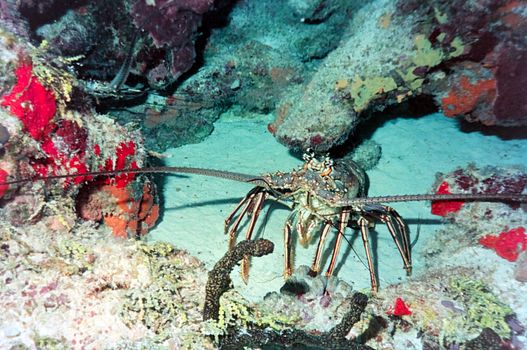
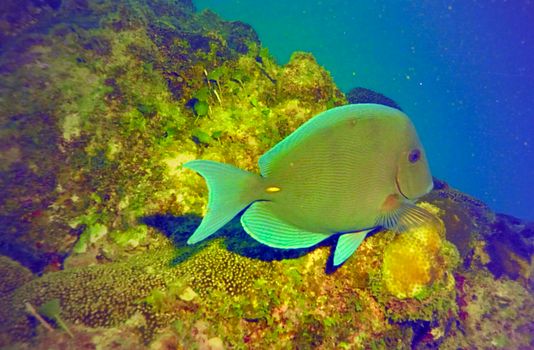
It was like stepping into another dimension. Schools of shimmering fish, electric blue and vibrant yellow, darted past my helmet. Soft corals swayed gently, their delicate branches reaching towards me. A stately parrotfish munched on a rock, seemingly oblivious to my presence. The water was an impossible shade of cerulean, filtering the sunlight into dancing patterns on the sandy floor.
The guides were incredibly attentive, walking alongside us, pointing out marine life, and making sure everyone was comfortable. They even handed us small pieces of fish food, and within seconds, I was surrounded by a flurry of hungry, curious fish, brushing against my helmet, their tiny mouths nibbling the food from my outstretched hand. It was surreal, magical, and utterly breathtaking.
I walked slowly, deliberately, each step a triumph. The fear that had clung to me for decades dissolved, replaced by pure, unadulterated awe. I was doing it. I, the non-swimmer, was walking on the ocean floor, immersed in the very world I thought was forever beyond my reach. I remember feeling a tear well up in my eye, not from fear, but from the overwhelming beauty and the profound sense of accomplishment. This wasn't just an adventure; it was a personal revolution.
The experience lasted about 30-40 minutes underwater, but it felt like both an eternity and a fleeting moment. When it was time to ascend, I felt a pang of reluctance. I wanted to stay forever. Back on the boat, my companions were buzzing with excitement, their faces alight with wonder. I was no different. My smile was so wide it probably hurt. I had faced a lifelong fear, stepped out of my comfort zone, and been rewarded with an experience that transcended anything I could have imagined.
### Conquering the Deep: Practical Tips for Non-Swimmers
If my story resonates with you, and you're ready to dip your toes (or your whole body, with a helmet!) into the underwater world, here are my tried-and-true tips for an incredible, fear-free adventure:
1. Research is Your Best Friend: Don't assume anything. Actively search for "no swimming required underwater tours," "helmet diving," "Sea Trek," or "Scuba Doo" (a similar system). Read reviews specifically from non-swimmers or those with anxieties.
2. Prioritize Reputable Operators: This is non-negotiable. Look for companies with excellent safety records, certified guides, and clear emergency protocols. Check reviews on platforms like TripAdvisor. A good operator will have well-maintained equipment and provide comprehensive briefings.
3. Ask All the Questions: Before booking, don't be shy. Ask about:
* The maximum depth you'll go.
* The duration of the underwater experience.
* The guide-to-participant ratio.
* What safety equipment is provided (e.g., life vests on the boat).
* What happens if you panic or feel uncomfortable (e.g., immediate ascent options).
* Are there any medical restrictions? (e.g., ear/sinus issues, heart conditions).
4. Practice Ear Equalization: If you're nervous about ear pressure, practice the Valsalva maneuver (pinch nose, gently blow) beforehand. It’s easy once you get the hang of it, and crucial for comfort.
5. Embrace the Gear: Yes, the helmet looks big, and the weighted belt feels heavy on land. But trust the equipment. It's designed to keep you safe and comfortable. The helmet provides a continuous flow of air, so you breathe naturally.
6. Go with an Open Mind (and a Little Courage): The biggest hurdle is often mental. Acknowledge your fear, but don't let it dictate your experience. Remind yourself of the extensive safety measures and the guides' expertise.
7. What to Bring:
* Swimsuit: You'll be getting wet!
* Towel: For drying off afterward.
* Reef-Safe Sunscreen: Protect yourself and the marine environment.
* Waterproof Camera/GoPro: If allowed, capture those incredible moments. Otherwise, be prepared to purchase photos from the tour operator.
* Cash: For tips, photos, or extra snacks.
* Comfortable Clothes: For before and after.
* Motion Sickness Medication: If you're prone to seasickness on the boat ride to the site.
### Beyond Helmet Diving: More Underwater Wonders for You
While helmet diving was my personal gateway, there are other fantastic ways for non-swimmers to explore the underwater world:
1. Glass-Bottom Boats: The classic choice! These boats have large glass panels in their hulls, allowing you to view the reef and marine life from the comfort and dryness of the boat. Perfect for all ages and comfort levels.
2. Semi-Submarines: A step up from glass-bottom boats. These vessels have large viewing windows below the waterline, offering a panoramic view of the reef as the "submarine" cruises along. You descend into the viewing cabin, remaining completely dry. Many popular tourist destinations (like Grand Cayman, Hawaii, and even some freshwater lakes) offer these.
3. Underwater Observatories/Aquariums: While not a "wild" adventure, many world-class aquariums offer immersive experiences with walk-through tunnels that make you feel like you're part of the marine environment. It's a great way to build comfort with the idea of being surrounded by water.
4. Snuba (with Caution): Snuba is a hybrid between snorkeling and scuba diving. You breathe through a regulator connected to an air tank that floats on the surface. While it doesn't require certification, it does require you to be comfortable in the water and able to float or kick around. Some operators might allow non-swimmers with strong life vests, but it's generally more suitable for those who are at least comfortable snorkeling. Always check with the operator about their specific requirements for non-swimmers.
### The Ripple Effect: How One Adventure Changed Everything
That underwater walk in Cozumel wasn't just a fun activity; it was a profound lesson in challenging self-imposed limitations. For years, I had let a childhood fear define what I could and couldn't do. I had unconsciously built walls around experiences, assuming they were simply "not for me."
But that day, standing on the ocean floor, surrounded by vibrant life, I realized that sometimes, the only thing holding us back is our own perception. The world is full of incredible experiences, and often, there are creative, accessible ways to enjoy them, even if you don't fit the traditional mold.
I still can't swim a lap, and I probably won't be attempting a deep-sea scuba dive anytime soon. But my fear of the ocean has transformed into a profound respect and an eager curiosity. I now seek out unique, non-swimmer-friendly ways to engage with water, whether it's kayaking, paddleboarding in calm waters, or exploring another helmet diving location. The feeling of triumph, the sheer wonder of that day, continues to inspire me to be bolder, to question my own boundaries, and to say "yes" to adventure, even when it feels daunting.
### Your Turn: Dive In (Without Swimming)!
So, if you're like the old me – someone who dreams of the underwater world but feels held back by the inability to swim – let this be your sign. That breathtaking, vibrant world beneath the waves is not exclusive to seasoned swimmers or certified divers. There are incredible, safe, and accessible adventures waiting for you.
Don't let a "can't" become a "never." Research, ask questions, trust the professionals, and take that leap of faith. You might just discover a part of the world, and a part of yourself, you never knew existed.
Have you tried helmet diving or another non-swimmer underwater adventure? Share your stories and tips in the comments below! Let's inspire each other to explore beyond our comfort zones.
---
Visual journey


Tags
Share this adventure
Join the travel community
New adventures, cultural insights and travel inspiration, straight to your inbox.
We may receive a commission if you click on a link and buy a product, service or policy, at no extra cost to you. How affiliate links work.
Other angles on this trip
These notes are written by AI to show how different kinds of traveller might see this destination. They are not comments from real readers.