

Forget five-star resorts and crowded tourist traps. I embarked on a journey to help build a house using ancient techniques, a challenge that transformed not just a structure, but my entire perspective on travel. Prepare to have your wanderlust redefined.
### I Helped Build a House Using Ancient Techniques and Now I Can't Travel the Same Way
For years, my travel style was a relentless pursuit of the next "must-see" landmark, the most Instagrammable cafe, the quickest flight to a far-flung destination. I collected passport stamps like badges of honor, ticking off bucket-list items with a fervor that bordered on obsession. I was a professional travel blogger, after all, and my job was to see everything, then tell you how to do it faster, smarter, and with a better camera angle.
Then came the invitation. A small, almost unassuming email landed in my inbox: "Volunteer for a natural building project in rural Morocco." My first thought? Morocco? Again? My second: Building? Me? The one who struggles to assemble IKEA furniture? My third, and most persistent: Why not? Something in me, perhaps a growing weariness of the superficiality of my travel, yearned for something deeper, something real. Little did I know, saying yes to this dusty, manual labor gig would dismantle everything I thought I knew about travel, and build something entirely new in its place.
#### The Call of the Earth: Arriving in Aït Benhaddou (and Beyond)
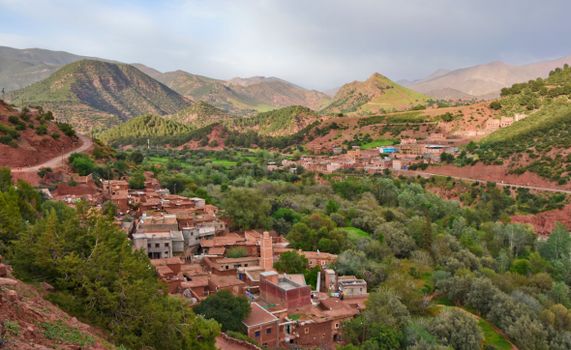
My journey began, as many do in Morocco, in the vibrant chaos of Marrakech. But instead of turning towards the Sahara dunes or the coastal charm of Essaouira, I headed southeast, deeper into the Atlas Mountains. After a shared grand taxi ride that morphed into a local bus, then a bumpy 4x4, I arrived in a small, unassuming village just outside the famous UNESCO World Heritage site of Aït Benhaddou. This was my destination: a remote community rooted in ancient traditions, where the buildings themselves seemed to grow organically from the earth.
The air was thick with the scent of dry earth, mint tea, and faint woodsmoke. The sun beat down with an intensity I hadn't felt in a while, painting the landscape in shades of terracotta and gold. Unlike the meticulously restored kasbahs of Aït Benhaddou, this village was alive, breathing, and still building. My project site was a plot of land where a local family, with the help of an international NGO and volunteers, was constructing a new home using techniques passed down through generations.
My initial feelings were a mix of overwhelming excitement and profound inadequacy. I was a digital nomad, a keyboard warrior, not a builder. But the warmth of the welcome – shared tagine under a canopy of stars, smiles that transcended language barriers – quickly put me at ease. I met the small team of local builders, their hands gnarled and strong, and the handful of other volunteers, a motley crew from around the globe, all seeking something more profound than a tourist snapshot. This wasn't just a building site; it was a classroom, a community, and a challenge.
#### Hands in the Mud: Embracing Ancient Techniques
My days quickly fell into a rhythm dictated by the sun and the earth. We woke with the first blush of dawn, the air still cool and crisp, and gathered for a simple breakfast of bread, olives, and mint tea. Then, it was time to work. Our mission: to construct a traditional earthen house, primarily using pisé (rammed earth) for the foundation and lower walls, and adobe (sun-dried mud bricks) for the upper sections.
I learned to mix clay, sand, water, and straw – the very ingredients of the earth itself – with my bare feet, feeling the cool, squishy mud between my toes. It was an incredibly tactile, almost primal experience. We'd fill wooden molds with this mixture, compact it with rhythmic precision, then carefully release the nascent bricks, leaving them to bake under the relentless Moroccan sun. The satisfaction of seeing a perfectly formed, sun-kissed adobe brick was immense.
For the rammed earth sections, we used wooden forms, shoveling in layers of damp earth and then tamping it down with heavy, hand-held ramming tools. The work was physically demanding. My muscles ached in places I didn't know existed. Blisters became temporary badges of honor. My hands, usually accustomed to a keyboard, quickly became stained with clay, cracked, and calloused. Yet, with every scoop, every tamp, every perfectly laid brick, I felt a connection not just to the earth, but to the countless generations who had built their homes this way.
There was no rush, no frantic deadlines. The pace was slow, deliberate, mindful. We learned to listen to the materials, to understand the subtle changes in the earth's texture, the ideal moisture content. Our teachers, the local Amazigh builders, moved with an effortless grace born of a lifetime of experience. They taught us not just how to build, but why – the inherent wisdom in using local, sustainable materials, the natural insulation properties of earth, the beauty of structures that blend seamlessly into their environment. This wasn't just construction; it was a dance with nature.
#### Beyond Bricks and Mortar: Cultural Immersion and Connection
The building was only half the story. The true transformation happened in the pauses, the shared moments, the cultural exchanges that wove themselves into our daily lives. Living within the community meant experiencing life not as an observer, but as a participant.
We shared communal lunches, often a steaming tagine or couscous, eaten directly from a large platter, hands scooping up fragrant morsels. These meals were more than sustenance; they were opportunities for connection, for laughter, for halting conversations pieced together with broken French, a few Arabic words, and many gestures. I learned about Amazigh hospitality, a generosity of spirit that felt boundless. "Tiwizi," they called it – the spirit of communal work and mutual aid, a cornerstone of their culture. It was clear that building a house was not just an individual effort, but a community endeavor.
Evenings were spent sipping endless glasses of sweet mint tea, listening to stories under a sky ablaze with stars. I learned a few essential phrases – "Salam alaikum" (peace be upon you), "Shukran" (thank you), "La shukran ala wajib" (you're welcome) – and the joy of simple communication was profound. I saw children playing with makeshift toys, their faces alight with unadulterated joy. I witnessed the rhythm of daily life – the call to prayer echoing from the village mosque, the distant bleating of goats, the quiet dignity of people living in harmony with their environment.
This wasn't just about building a house; it was about building bridges. Bridges between cultures, between ancient wisdom and modern curiosity, between the consumer and the creator. I learned that the true value of a home isn't in its material cost, but in the hands that built it, the community that supports it, and the life that thrives within its walls.
#### The Unseen Architect: How My Perspective Shifted
As the weeks passed and the walls of the house steadily rose, something fundamental shifted within me. My focus moved from the destination to the journey, from the finished product to the process. I stopped looking at my phone every five minutes and started looking at the world around me with a renewed sense of wonder.
I realized how much of my previous travel had been about consumption – consuming sights, consuming food, consuming experiences. Here, I was contributing. I was a part of something tangible, something that would stand long after I left. This act of giving rather than taking was profoundly liberating.
My definition of "luxury" completely changed. A hot shower after a day in the sun felt like pure indulgence. A simple meal shared with new friends was more satisfying than any Michelin-starred restaurant. The quiet hum of the desert at night, the vivid tapestry of stars, the feeling of genuine connection – these became the ultimate luxuries.
I gained a deep appreciation for the ingenuity and resilience of ancient building techniques, realizing their inherent sustainability in an era grappling with climate change. It highlighted the environmental footprint of our modern, fast-paced world, making me question my own impact as a traveler and a consumer.
Patience became a virtue. Building with earth is not a fast process. It teaches you to slow down, to observe, to wait for the sun to dry the bricks, for the earth to settle. This mindfulness seeped into every aspect of my life, making me more present, more aware. I saw the world not through a lens, but through my own eyes, unmediated and unfiltered.
When the time came to leave, the house was far from finished, but it had a solid foundation, rising walls, and a promise of shelter. And so did I. I left Morocco with calloused hands, a sun-kissed face, and a heart brimming with gratitude. But more importantly, I left with a completely new lens through which to view travel, and indeed, life itself. I can't travel the same way anymore, and honestly, I wouldn't want to.
#### How to Get Your Hands Dirty: Practical Tips for Transformative Travel
If you're ready to trade your guidebook for a shovel and your selfie stick for a trowel, here's how you can embark on your own transformative building adventure:
1. Finding Projects:
* Volunteer Platforms: Websites like Workaway, WWOOF (Worldwide Opportunities on Organic Farms), and HelpX often list natural building or permaculture projects seeking volunteers. Be specific in your search terms (e.g., "cob house," "adobe," "earthship," "natural building").
* NGOs & Non-Profits: Many local and international organizations focus on sustainable development, heritage preservation, or community housing using traditional techniques. Research groups working in regions known for earth architecture (e.g., Morocco, Peru, Mexico, parts of Europe and Asia). Examples include Earthship Biotecture Academy, DIRT (Developing Ingenuity for Regenerative Transition), or local heritage preservation initiatives.
* Natural Building Schools & Workshops: If you prefer a more structured learning environment, many places offer short-term workshops (from a few days to several weeks) where you learn by doing. These are often more expensive but offer expert instruction.
* Permaculture Centers: These hubs often incorporate natural building into their sustainable living practices and welcome volunteers.
2. What to Expect:
* Rustic Living: Be prepared for basic accommodations, limited amenities (cold showers, composting toilets are common), and potentially shared sleeping arrangements. This is part of the experience!
* Hard Work: This is not a vacation. Expect physical labor, early mornings, and late evenings. You'll get dirty, sweaty, and tired. But the sense of accomplishment is unparalleled.
* Cultural Immersion: Be open to new customs, foods, and ways of life. Language barriers are common but often overcome with patience and a smile. Embrace the opportunity to learn from locals.
* Flexibility: Projects can change, weather can impact schedules, and things might not always go as planned. A flexible attitude is key.
3. Budgeting for Your Trip:
* Volunteer Fees: Many projects require a daily or weekly contribution to cover food and accommodation. This can range from $10-$30 USD per day. My program, for example, cost about $300 for two weeks, including all meals and basic accommodation, which is significantly less than a few nights in a standard hotel!
* Flights & Transport: This will likely be your biggest expense. Book flights in advance for better deals. Research local transport options – shared taxis, buses, or regional trains are often budget-friendly.
* Personal Expenses: Bring extra cash for snacks, souvenirs, or occasional treats.
4. What to Pack (Essentials):
* Work Clothes: Sturdy, old clothes you don't mind getting dirty (long sleeves and pants for sun protection).
* Work Gloves: Protect your hands!
* Hat & Sunscreen: Absolutely essential in sunny climates.
* Sturdy Closed-Toe Shoes/Boots: For protection and comfort.
* Reusable Water Bottle: Stay hydrated.
* Basic Toiletries: Biodegradable options are a plus.
* Headlamp/Flashlight: For evenings without reliable electricity.
* Basic First-Aid Kit: Band-aids, antiseptic, pain relievers.
* Open Mind & Sense of Humor: Your most important tools!
5. Safety Tips:
* Hydration: Drink plenty of water, especially in hot climates.
* Sun Protection: Cover up, use sunscreen, and seek shade.
* Respect Local Customs: Dress modestly, especially in conservative areas. Ask permission before taking photos of people.
* Communicate: If you feel unwell or uncomfortable, speak up.
* Be Aware of Your Surroundings: Like any travel, maintain awareness of your belongings and personal safety.
6. Best Time to Visit (Morocco Example):
* For Morocco, spring (March-May) and autumn (September-November) offer the most pleasant weather for outdoor work, avoiding the intense summer heat and colder winter nights.
7. Getting There (Morocco Example):
* Fly into Marrakech (RAK) or Casablanca (CMN). From Marrakech, you can take a shared grand taxi or a CTM/Supratours bus to Ouarzazate (approx. 4-5 hours, around 100-150 MAD). From Ouarzazate, local taxis or project organizers will typically arrange transport to your specific village. Always confirm transport details with your project beforehand.
#### I Can't Travel the Same Way, And Neither Will You
My time building a house with ancient techniques was far more than a travel experience; it was an education in humility, resilience, and connection. It stripped away the superficial layers of my previous wanderlust, revealing a deeper, more meaningful way to engage with the world.
Now, when I plan a trip, I'm not just looking for sights; I'm looking for stories, for hands-on experiences, for opportunities to learn and contribute. I seek out places where traditional ways of life still thrive, where communities are built on shared effort, and where the earth itself is revered. I still love a beautiful view, but I appreciate it infinitely more if I've earned it with sweat and honest effort.
This isn't just a trip; it's a new way of seeing the world. It’s an invitation to slow down, get your hands dirty, and discover the profound satisfaction that comes from creating something with your own two hands, alongside people whose lives are inextricably linked to the land.
So, what's your next transformative journey? Are you ready to trade the tourist trail for a trowel? Share your thoughts below, or better yet, start planning your own hands-on adventure. Trust me, it will redefine your wanderlust forever.
Visual journey



Tags
Share this adventure
Join the travel community
New adventures, cultural insights and travel inspiration, straight to your inbox.
We may receive a commission if you click on a link and buy a product, service or policy, at no extra cost to you. How affiliate links work.
Been there?