

We all dream of finding that one city that just clicks, the place that feels like home even when you're thousands of miles away. For years, I chased fleeting moments, only to discover my true urban love by taking the plunge and actually living there. This isn't just a travel story; it's an invitation to redefine your wanderlust and find your own city soulmate.
## I Found My Favorite City by Living There: My Lisbon Love Affair
For years, I was a travel whirlwind. A weekend in Rome, a week in Paris, ten days crisscrossing Thailand. I collected passport stamps like badges of honor, ticking off bucket-list destinations, always searching for that elusive feeling: "This is it. This is my favorite city." I’d fall in love with a city's charm for a few days, rave about its food, snap a million photos, and then, just as I was starting to peel back its layers, I'd be off to the next adventure. Each farewell felt a little bittersweet, a missed opportunity to truly know a place.
I thought I was a pro at "experiencing" a city. I knew how to avoid tourist traps, find the best local eats, and navigate public transport like a seasoned local. But what I didn't realize was that I was only scratching the surface. I was seeing the city through a visitor's lens, a curated experience designed to impress. The real magic, the deep, soul-stirring connection, happened when I stopped visiting and started living.
And that, my friends, is how I found my favorite city: Lisbon, Portugal.
It wasn't love at first sight in the conventional sense. My initial visits were pleasant, but brief. I admired its hills, its melancholic Fado, its delicious pastéis de nata. But it was only when I packed my bags, committed to a six-month stay, and traded my backpack for a grocery cart that Lisbon truly revealed itself as my urban soulmate.
### The Leap of Faith: Why Lisbon Called My Name (and How to Choose Yours)
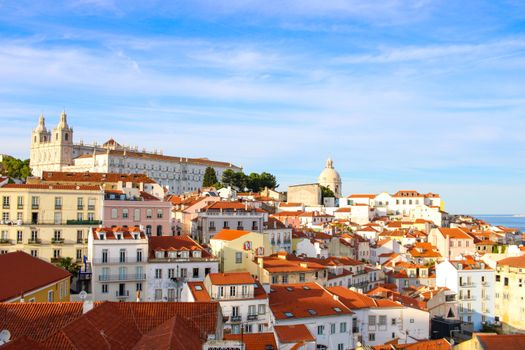
The decision to move somewhere, even temporarily, is a big one. It's not just about booking a flight; it's about uprooting, adapting, and immersing. For me, Lisbon had always held a certain allure – a vibrant energy mixed with a melancholic charm, a rich history, and a reputation for being relatively affordable. I was drawn to its sunny disposition, its captivating azulejo-tiled buildings, and the promise of a slower pace of life than many other European capitals.
Why Lisbon?
* Vibe: A unique blend of old-world charm and modern vibrancy. It’s got grit, beauty, and soul.
* Food: Seafood heaven, delicious pastries, incredible wines, and ridiculously good coffee.
* Affordability: Compared to Western European giants, Lisbon offers a high quality of life without breaking the bank (though prices are rising!).
* Safety: Generally a very safe city, even for solo travelers.
* Location: A perfect base for exploring the rest of Portugal and Europe.
* People: Incredibly welcoming and friendly, often willing to help even with a language barrier.
How to Choose Your City Soulmate:
My journey taught me that finding your city isn't about following the crowd. It's deeply personal.
1. Reflect on Your Priorities: Do you crave bustling nightlife or quiet cafes? Mountain views or ocean breezes? A thriving art scene or historical monuments?
2. Trial Run: If possible, spend more than a typical vacation there. A week, even two, can give you a better feel for the daily rhythm. Try to do "local" things – grocery shopping, walking through residential neighborhoods, using public transport.
3. Research Beyond Tourism: Look into expat forums, cost of living guides, and local news to understand the realities of daily life.
4. Listen to Your Gut: Sometimes, a place just feels right. Don't underestimate that intuition.
Budgeting for the Leap:
Initial costs for a long-term stay in Lisbon included a flight (around $500-800 from the US), a security deposit and first month's rent for an apartment (I found a beautiful 1-bedroom in Alfama for about €850/month, though prices now range from €900-€1500+ depending on location and size), and a buffer for initial setup like groceries, a local SIM card (approx. €15/month), and getting acquainted. Aim for at least 2-3 months of living expenses saved up before you go.
### Beyond the Postcard: Unpacking Daily Life in Alfama
When I decided to live in Lisbon, I deliberately chose a neighborhood that felt steeped in history and local life: Alfama. Perched on a hill overlooking the Tagus River, Alfama is Lisbon's oldest district, a labyrinth of narrow, winding streets, ancient houses, and hidden courtyards. It's where Fado was born, and where the echoes of Moorish history still resonate in its architecture.
Living in Alfama was a sensory explosion. My mornings began with the clang of the Tram 28 rattling past my window, followed by the scent of fresh bread wafting from the local padaria. I’d descend cobbled streets to my favorite café, "A Baiuca," where I'd order a strong bica (espresso) and a pão com manteiga (bread with butter) for a mere €2.50, exchanging smiles with the same regulars each day.
I learned to navigate its confusing alleys like a local, discovering tiny, unmarked tascas (traditional taverns) serving the most authentic bacalhau à brás (shredded cod with onions, potatoes, and scrambled eggs) for under €10. I befriended the lady at the local mercearia (small grocery store) who always had the freshest oranges and would patiently correct my Portuguese pronunciation.
Cultural Insights from Alfama:
* Saudade: This untranslatable Portuguese word, a deep emotional state of nostalgic longing for something or someone that is absent, became palpable. It's in the Fado music that drifts from open windows, in the melancholic gazes of the elderly, and in the way the city embraces its past.
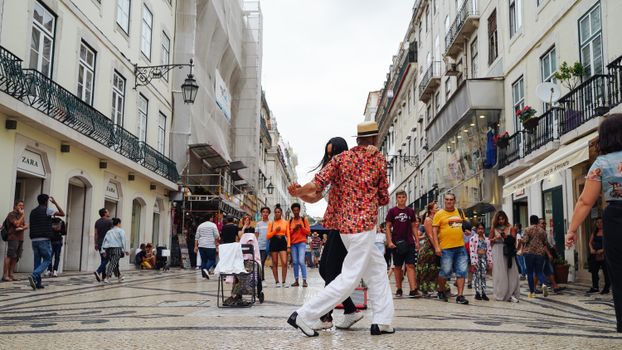
* Community: Alfama felt like a village within a city. Neighbors greeted each other from balconies, children played football in the squares, and communal laundry hung like colorful flags across the streets. It taught me the value of small, daily human connections.
* The Pace of Life: Everything slows down. Lunches are long, conversations are cherished, and rushing is generally frowned upon. This was a stark contrast to my previous fast-paced travel style and a welcome change.
Living there meant more than seeing the sights; it meant becoming part of the fabric. I wasn't just observing Alfama; I was experiencing its heartbeat, feeling its pulse, and letting it shape my own rhythm.
### The True Taste of Lisbon: A Culinary Deep Dive (Beyond Tourist Traps)
You can't truly know a city without knowing its food. And Lisbon's culinary scene is a journey in itself. My initial visits only hinted at the depth of Portuguese gastronomy; living there allowed me to truly savor it.
Breakfast & Pastries:
Forget just Pastéis de Belém. While iconic, I discovered Manteigaria (various locations, my favorite was near Praça Luís de Camões), where you can watch the pastéis de nata being made fresh, still warm from the oven, with a crispy crust and a creamy, slightly caramelized custard. A pastel de nata and a bica will set you back about €2.
Lunch Like a Local: My favorite budget tip? Look for prato do dia (dish of the day) signs outside tascas. These usually include a main course, drink, bread, and sometimes dessert/coffee for €7-€12. My go-to was "Ponto Final" (for the views and the food!) or "A Parreirinha de Alfama" for a more traditional, intimate experience, though prices vary. I also frequented Mercado de Campo de Ourique, a smaller, less touristy version of the famous Time Out Market, where I could enjoy gourmet bites and fresh produce side-by-side with locals.
Dinner Delights: Portugal is a seafood lover's paradise. From bacalhau prepared in 365 different ways (my favorite was bacalhau com natas – cod with cream) to grilled sardines (especially in June during the Festas de Lisboa!), fresh seafood was a staple.
Specific Spot: For an authentic, no-frills seafood experience, I loved "Cervejaria Ramiro" (expect a wait, but it's worth it for the gambas à guilho* – garlic prawns). A full meal with wine might be €40-€60 per person, but it's an experience.
Sweet Treats: Beyond pastéis, try Bolo de Bolacha (biscuit cake) or a shot of Ginjinha* (cherry liqueur) from a small shop in Alfama, served in a chocolate cup for around €1.50.
Cooking Lisbon: To truly understand the cuisine, I took a half-day cooking class with "Cooking Lisbon" (prices range €60-€80). We learned to make traditional Portuguese dishes, from Caldo Verde (kale soup) to Arroz de Marisco (seafood rice), and shared the meal with fellow travelers and locals. It was an incredible way to connect with the culture through food.
### Navigating Lisbon: From Tram 28 to Day Trips Afar
Getting around Lisbon is an adventure in itself. The city's seven hills mean a lot of walking, but also offer breathtaking miradouros (viewpoints).
Getting Around:
* Walking: The best way to discover hidden gems, but wear comfortable shoes!
* Tram 28: Iconic, yes, but often packed with tourists. I learned to ride it in off-peak hours or simply hop on for a few stops to enjoy the view. A single journey is €3, but a Viva Viagem card (rechargeable, costs €0.50 for the card itself) makes it €1.50 per ride or €6.40 for a 24-hour pass covering all public transport.
* Metro: Efficient, clean, and covers most of the city.
* Funiculars & Elevators: Elevador de Santa Justa (touristy, but great views), Elevador da Glória, Elevador da Bica. Use your Viva Viagem card.
* Ride-sharing: Uber and Bolt are readily available and often cheaper than taxis.
Safety Tips:
Lisbon is generally very safe, but like any major city, be aware of your surroundings. Pickpockets are common on crowded trams (especially Tram 28) and in tourist-heavy areas like Baixa and Chiado. Keep valuables secure and avoid flashing expensive items. Always trust your gut.
Day Trips Afar:
One of the greatest advantages of living in Lisbon was the ability to explore beyond the city limits without feeling rushed.
* Sintra: A fairytale village of palaces and castles, just a 40-minute train ride (€2.30 each way from Rossio station). I visited Pena Palace, Quinta da Regaleira, and the Moorish Castle multiple times, each time discovering new details. Go early to avoid crowds, especially at Pena Palace.
* Cascais: A charming coastal town with beautiful beaches, reachable by train (€2.30 each way from Cais do Sodré station) in about 40 minutes. Perfect for a sunny afternoon, cycling along the coast, or enjoying fresh seafood.
* Évora: A UNESCO World Heritage site in the Alentejo region, known for its Roman Temple and Chapel of Bones. A bus ride (approx. €12-€18 each way) takes about 1.5 hours. A deeper dive into Portuguese history and wine country.
* Setúbal & Arrábida Natural Park: Take a train or bus to Setúbal, then explore the stunning beaches and hiking trails of Arrábida. Don't miss the fresh grilled fish in Setúbal.
These day trips were no longer frantic sprints to see everything. They were leisurely explorations, allowing me to truly absorb the beauty and history of Portugal.
### Building a Life: Community, Language, and Local Secrets
Living in Lisbon wasn't just about sightseeing; it was about building a temporary life. This meant connecting with people, learning the language, and finding my own routines.
Connecting with Locals & Expats:
Language: While many young Portuguese speak excellent English, making an effort to learn a few basic phrases (hello: olá, thank you: obrigado/a, please: por favor, sorry: desculpe, good morning: bom dia*) goes a long way. Locals truly appreciate the effort. I used Duolingo and tried to converse daily at markets and cafes.
* Expat Community: Lisbon has a thriving expat and digital nomad scene. I joined Facebook groups like "Lisbon Digital Nomads & Expats" and "Lisbon Newcomers," which led to meetups, language exchange events, and instant friendships. This network was invaluable for advice, support, and company.
Local Hangouts: Instead of tourist bars, I sought out local cervejarias (breweries) and tascas*. Spending evenings at "O Tasco do Chico" in Bairro Alto, listening to impromptu Fado sessions, felt like a true immersion.
Finding Routine & Hidden Gems:
* My Local Park: Jardim da Cerca da Graça became my sanctuary. A quiet park with stunning views, where I'd read, write, and watch the city unfold below.
* Co-working Spaces: For focused work, I used spaces like Second Home Lisboa (around €150-€250/month) or LX Factory's various cafes, which also fostered a sense of community.
Local Festivals: Living in June meant experiencing the Festas de Lisboa, particularly the Festas de Santo António. Alfama transformed into a giant street party with grilled sardines, manjericos* (small basil plants with poetic messages), music, and dancing. It was chaotic, joyous, and utterly unforgettable – an experience no short visit could ever truly capture.
* Viewpoints: Beyond the famous Miradouro de Santa Luzia, I discovered quieter spots like Miradouro da Senhora do Monte, offering panoramic views of the entire city, especially magical at sunset with a cheap bottle of vinho verde.
The cost of living, while rising, was still manageable. My monthly expenses (rent, utilities, groceries, public transport, eating out a few times a week, and a few cultural activities) averaged around €1400-€1800. This allowed for a comfortable, fulfilling life without constant budgeting stress.
### My Lisbon Love Affair & Finding Your Own City Soulmate
Leaving Lisbon after six months felt different from any other departure. There wasn't just the usual traveler's melancholy; there was a deep sense of separation, like saying goodbye to a dear friend, or perhaps, a lover. I wasn't just leaving a destination; I was leaving a life I had built, routines I had cherished, and a community I had come to embrace.
Living in Lisbon taught me that "favorite city" isn't about the most beautiful landmarks or the most Instagrammable spots. It's about the feeling it evokes when you wake up there every day. It's about the comfort of familiarity mixed with the thrill of daily discovery. It's about the smell of the baker's bread, the sound of the trams, the taste of a perfect bica, and the warmth of a local's smile. It's about feeling connected, understood, and at home.
So, if you're like the old me, endlessly searching for that one city that just clicks, I urge you: stop visiting. Start living. Take a leap of faith, commit to a longer stay, and let a city truly reveal itself to you. It might just be the most profound travel experience you'll ever have.
What city calls to your soul? Have you ever lived somewhere that changed your perspective? Share your stories and tips in the comments below! Let's inspire each other to go deeper than the typical tourist trail.
---
Visual journey



Tags
Share this adventure
Join the travel community
New adventures, cultural insights and travel inspiration, straight to your inbox.
We may receive a commission if you click on a link and buy a product, service or policy, at no extra cost to you. How affiliate links work.
Been there?