
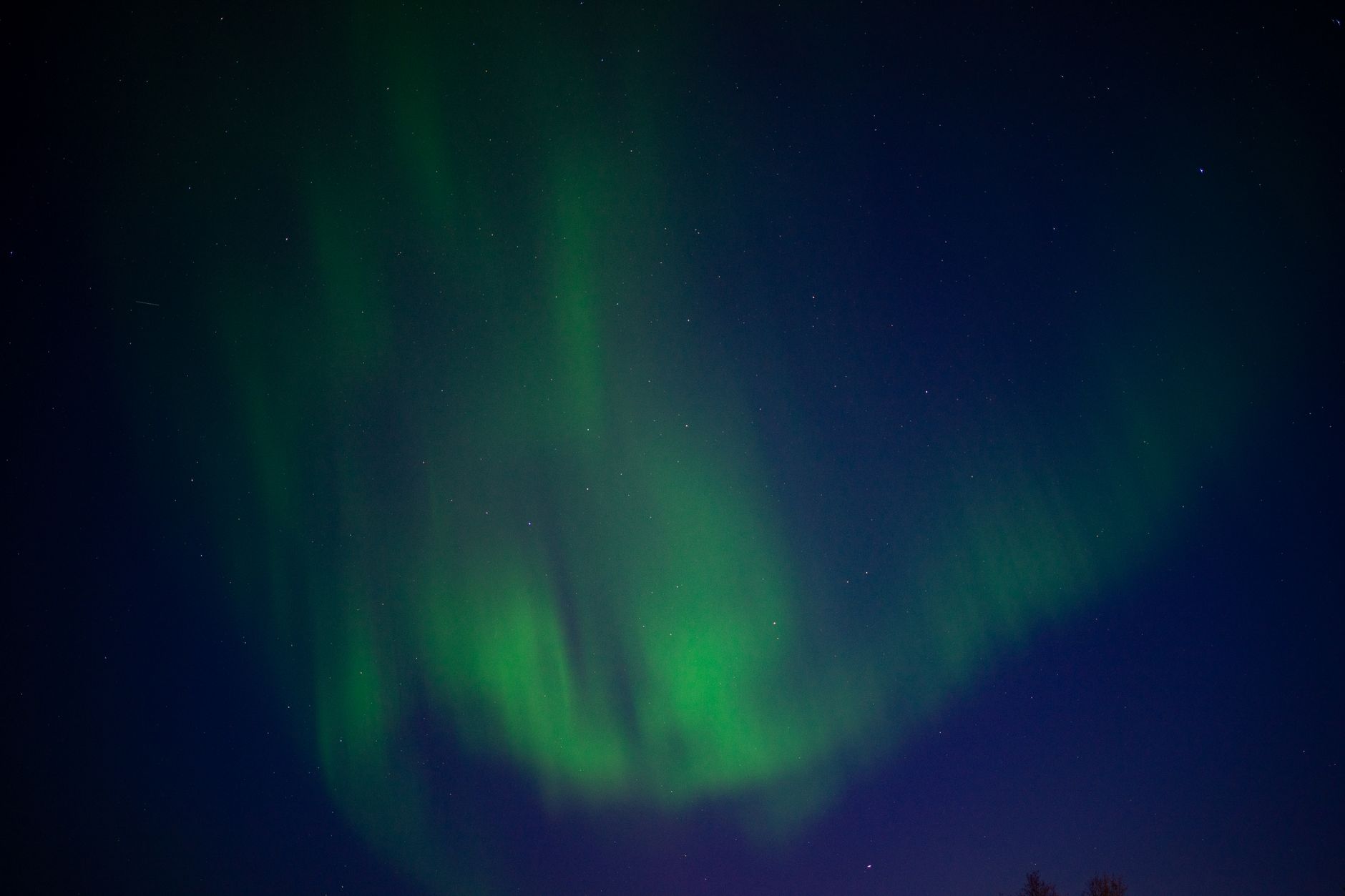
My first Northern Lights chase was a crowded, expensive disappointment. But a chance encounter with a local changed everything, revealing the true magic of the aurora away from the tourist hordes. This is the ultimate guide to experiencing the Northern Lights like a local, a journey that will transform your arctic adventure forever. ---
I remember my first Northern Lights chase like it was yesterday – mostly because of how wrong I got it. Picture this: bundled up in layers, crammed onto a giant tour bus with 50 other hopefuls, driving aimlessly into the Norwegian night. We paid a hefty sum, got a lukewarm cup of instant coffee, and after hours of anticipation, witnessed a faint, shy green shimmer in the distance. It felt more like a dutiful checkmark than a soul-stirring experience, a box ticked on a bucket list, but utterly lacking the profound connection I’d dreamt of. I was left feeling deflated, wondering if the aurora magic was just an elaborate marketing scheme.
Then, a chance encounter changed everything.
Sipping a local brew in a cozy Tromsø pub, nursing my aurora disappointment, I struck up a conversation with an older gentleman, a local fisherman named Bjorn. He chuckled when I recounted my bus tour story. "Ah, the tourist dance," he rumbled, his eyes twinkling. "The aurora, she is a shy dancer. She prefers quiet company, away from the flashing lights and the noisy buses." He then proceeded to draw me a crude map on a napkin, scribbling names of fjords and tiny villages I’d never heard of, sharing tales of childhood nights spent under skies ablaze with color. That night, armed with Bjorn’s wisdom, a rental car, and a newfound sense of adventure, I embarked on a different kind of chase. And let me tell you, it completely revolutionized my perception of the Northern Lights.
Now, years later, after countless trips back to the Arctic, I’m here to share the secrets I’ve gleaned from locals – the real way to experience the aurora. Forget the crowded buses and generic viewpoints. This is where locals actually go, and now it’s all I recommend.
### The Tourist Trap Trap: What I Learned the Hard Way
Before we dive into the good stuff, let’s talk about what not to do, based on my own early mistakes. Most first-time aurora hunters fall into the same trap: booking expensive, large-group bus tours. While these tours promise convenience and expert guides, they often deliver a less-than-magical experience.
Here’s why I steer clear:
* Lack of Flexibility: You’re tied to the bus’s schedule and route. If the clouds roll in at your designated spot, tough luck. Locals, however, will drive an hour in any direction to find a clear patch of sky.
* Crowded Viewpoints: Everyone on these tours ends up at the same few "safe" spots. Imagine trying to capture that perfect, serene aurora photo with dozens of headlamps bobbing around and camera shutters clicking frantically. It kills the magic.
* Rushed Experience: There’s often a strict timeline. You might get 30 minutes, an hour, and then it’s back on the bus, regardless of how spectacular the display becomes. The aurora, like a wild animal, demands patience.
* High Cost, Low Return: These tours can range from €100-€200+ per person, per night. For a couple, that’s a significant chunk of change for what can often be a mediocre experience.
My first trip was exactly this. We saw a faint glow, sure, but it was overshadowed by the sheer number of people, the artificial lights from the bus, and the constant chatter. I felt like a spectator, not a participant in nature’s grandest show. It wasn't until I embraced the local approach that I truly understood the aurora.
### The Whisper of Local Wisdom: My Aurora Awakening
Bjorn’s words were a revelation: "You don't need a bus, you need a car and patience." It sounds simple, but it’s profound. The key to the local experience isn't about being taken to the lights; it's about hunting them. It’s about understanding the conditions, being mobile, and finding solitude.
My first solo chase, armed with Bjorn’s napkin map, felt like a clandestine mission. I rented a small car (a reliable Volvo, as is common in Norway, costing around €60-€80/day, excluding fuel) and drove out of Tromsø, following the winding roads towards the coast. The air was crisp, the silence profound, broken only by the crunch of tires on snow. There was no guide, no tour group, just me and the vast Arctic wilderness.
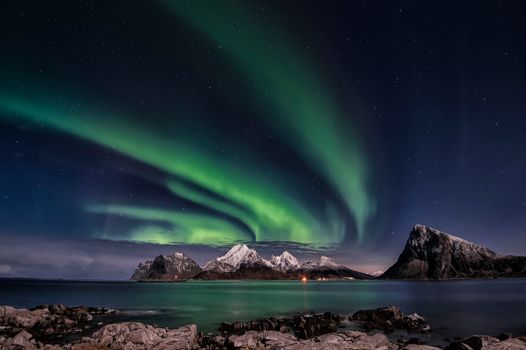
And then, it happened. Not a faint shimmer, but a vibrant, dancing curtain of green and purple, unfurling across the entire sky. It pulsed, it swayed, it exploded into arcs and spirals. I pulled over onto a quiet shoulder, killed the engine, and stepped out into a world bathed in ethereal light. The silence was absolute, the cold invigorating, and the aurora felt like a personal performance, just for me. It was raw, authentic, and utterly breathtaking. This was the magic I’d been searching for.
### Decoding the Dance: What Locals Know About the Aurora
Locals aren’t just lucky; they’re informed. They understand the science, the weather, and the subtle cues that indicate a good aurora night. You can too!
1. Kp Index & Solar Activity: This is your aurora forecast. The Kp index measures geomagnetic activity, ranging from 0 (quiet) to 9 (intense storm). While even a Kp 2 or 3 can produce visible lights, higher numbers mean stronger, more active displays. Locals check apps like "My Aurora Forecast" or "Aurora Alerts" religiously.
2. Clear Skies are King: This is the most crucial factor. You can have a Kp 9, but if the sky is overcast, you’ll see nothing. Locals are masters of reading local weather patterns. They know that coastal areas can be cloudier, while driving inland or to a different fjord might yield clear skies due to microclimates. The Norwegian meteorological institute's website, Yr.no, is an indispensable tool for hyper-local forecasts.
3. Darkness, Darkness, Darkness: Light pollution is the enemy of aurora viewing. Get as far away from city lights as possible. Even a small village can cast enough glow to diminish the experience. The best spots are often remote and unlit.
4. Timing is Everything: The aurora can appear anytime from late August to April, but the darkest months (November-February) offer the longest viewing windows. Peak activity usually occurs between 10 PM and 2 AM, though it can appear earlier or later. Locals will often have a late dinner, then head out for a few hours.
By combining these factors, you’re not just hoping; you’re hunting with a strategy, just like the locals do.
### My Secret Stash: Local-Approved Northern Lights Havens Around Tromsø
While Tromsø itself is a fantastic base, the trick is to use it as a starting point to explore the surrounding areas. Here are some of my absolute favorite, local-approved spots, all accessible by rental car from Tromsø:
1. Ersfjordbotn (Kvaløya Island): The Accessible Gem
* Location: Just a 20-30 minute drive west of Tromsø on Kvaløya Island.
* Why it's great: This picturesque fjord village offers stunning views of towering mountains reflected in the water. The beach at Ersfjordbotn is a popular spot, but if you drive a little further along the fjord road, you'll find plenty of pull-offs and quieter spots. It's close enough for a quick chase but far enough from city lights.
Local Tip: Pack a thermos of hot chocolate and some local kanelboller* (cinnamon buns) from a Tromsø bakery. Settle in and wait.
2. Kvaløya Island (Beyond Ersfjordbotn): The Road Less Traveled
* Location: Continue driving west and north on Kvaløya. Roads like Fv862 and Fv776 offer incredible, less-trafficked viewpoints.
* Why it's great: As you venture deeper into Kvaløya, the light pollution vanishes almost entirely. Spots like Kattfjordeidet (a mountain pass) or the stunning Grotfjord (with its iconic red fishing huts) offer vast, unobstructed views of the northern sky. The dramatic fjords and isolated coastline make for truly epic photographs.
* Cost: Just gas. A full tank for a night's chasing around Kvaløya might cost €30-€50 depending on how much you drive.
* Local Tip: Always check road conditions, especially in winter. Some smaller roads might be closed or require studded tires (standard on Norwegian winter rentals).
3. Senja Island: The Arctic Fairytale (A Dedicated Chase)
* Location: Requires a ferry from Kvaløya (Brensholmen to Botnhamn, approx. 1 hour, check schedules – around €15 for car + driver) or a longer drive south. A full day trip or overnight stay is recommended.
* Why it's great: Senja is often called "Norway in Miniature" due to its diverse and dramatic landscapes. It's less visited than Lofoten but equally stunning, making it a true local secret. The light pollution is virtually non-existent, and the views are unparalleled. Think jagged peaks, turquoise fjords, and silent, snow-covered forests.
* Specific Spots: Tungeneset (with its iconic "Devil's Jaw" viewpoint), Bergsbotn (panoramic fjord views), and the serene beaches around Ersfjord (Senja) are incredible.
* Cost: Ferry, gas (can be €50-€80 for a longer trip), potentially an overnight stay in a charming guesthouse (e.g., Hamn i Senja, or a local Airbnb for €100-€150/night).
* Local Tip: If you have the time, spend a night or two on Senja. The island offers fantastic snowshoeing, local seafood restaurants, and a truly immersive Arctic experience away from the crowds.
4. Lyngen Alps (Inland Fjords): The Clear Sky Alternative
* Location: About a 2-hour drive northeast of Tromsø, often involving a short car ferry (e.g., Breivikeidet to Svensby, approx. €10-€15).
* Why it's great: The Lyngen Alps are a dramatic mountain range known for their stunning peaks and deep fjords. Critically, their inland location means they can sometimes have clearer skies when coastal areas are cloudy. It’s a completely different landscape, offering a sense of vast wilderness.
* Specific Spots: Any pull-off along the roads around the Lyngenfjord, especially near small villages like Olderdalen or Storfjord, can offer fantastic views. Find a spot overlooking the fjord with the mountains as a backdrop.
* Local Tip: This area is popular for skiing and ice climbing. Combine your aurora hunt with some daytime adventure in this majestic region.
### The Art of the Aurora Chase: Local Survival Guide
Going local isn't just about where you go; it's about how you go. Here’s how to master the chase:
1. Dress Like an Arctic Local: Layers are non-negotiable. Start with merino wool base layers, add a fleece or down mid-layer, and finish with a waterproof and windproof outer shell. Insulated, waterproof boots (Sorel or similar) are essential. Don't forget wool socks, a warm hat that covers your ears, thick mittens (not gloves), and hand/foot warmers. You’ll be standing still in sub-zero temperatures.
2. Pack the Essentials:
* Thermos: Filled with hot tea, coffee, or chocolate. A lifesaver.
* Snacks: Energy bars, chocolate, anything that gives you a quick boost.
* Headlamp: With a red light setting to preserve your night vision (and respect others’!).
* Extra Car Fuel: Especially if venturing far out.
* Fully Charged Phone & Power Bank: For navigation and emergencies.
* Camera Gear (if you're serious):
* Sturdy Tripod: Non-negotiable for long exposures.
* Wide-angle Lens: f/2.8 or faster (e.g., 14mm, 24mm).
* Extra Batteries: Cold drains them fast. Keep one in an inside pocket.
* Remote Shutter Release: Prevents camera shake.
* Manual Settings: ISO 800-3200, Aperture f/2.8-f/4, Shutter Speed 5-20 seconds (adjust based on aurora brightness).
* Practice beforehand! Don't wait until the lights appear to learn your camera.
3. Patience and Flexibility are Your Best Friends: The aurora is notoriously fickle. You might wait for hours. You might have to drive to three different locations to find a gap in the clouds. Embrace the journey, enjoy the silence of the Arctic night, and be ready to move. This is part of the adventure.
4. Safety First, Always:
* Tell Someone: Let your accommodation or a friend know your general plans.
* Drive Carefully: Winter roads can be icy and challenging. Rent a car with winter tires (usually studded in Norway) and drive slowly.
* Respect Nature: Stay on designated paths, don’t litter, and be mindful of local wildlife.
* Know Your Limits: If you're tired, pull over. Don't push yourself in unfamiliar, freezing conditions.
### Beyond the Green Glow: Embracing the Local Vibe
The true magic of the local aurora chase extends beyond the lights themselves. It’s about immersing yourself in the Arctic way of life.
Eat Local, Cook Local: Instead of tourist trap restaurants, seek out small, family-run eateries. Try a traditional fiskesuppe* (fish soup) or a reindeer stew. Better yet, hit a local supermarket, buy some fresh salmon or ingredients for a simple stew, and cook it in your Airbnb or cabin. It’s cheaper and more authentic.
* Stay in Authentic Accommodations: Ditch the big hotels. Look for cozy cabins (hytter), guesthouses, or Airbnbs in smaller villages. You’ll often get local tips from your hosts and a much more personal experience. Imagine waking up to a view of a silent fjord, rather than a city street.
* Experience Daytime Adventures: The Arctic is stunning even without the aurora. Go snowshoeing through silent forests, try cross-country skiing, visit a local husky farm (smaller, family-run ones are often more ethical and intimate), or explore a small museum in a fishing village. These experiences add depth to your trip and make the aurora chase even more rewarding.
### Why Going Local is the ONLY Way: My Final Plea
My aurora journey began with disappointment, but it transformed into an obsession – an obsession with the raw, unfiltered beauty of the Arctic and the profound connection you forge when you step away from the crowds. Chasing the Northern Lights the local way isn't just about saving money or getting better photos; it’s about experiencing one of nature’s greatest spectacles on your own terms, in solitude, and with a deeper appreciation for the land and its people.
It’s about the silent moments under a sky ablaze, the crisp air biting your cheeks, the feeling of being a tiny speck in an infinite, dazzling universe. It’s about the thrill of the hunt, the satisfaction of finding that perfect, unblemished spot, and the unforgettable memory of a dance that felt like it was just for you.
So, when you plan your Northern Lights adventure, challenge yourself. Rent that car, pack that thermos, consult those local weather apps, and drive beyond the usual tourist haunts. Seek out the quiet fjords, the hidden beaches, the remote mountain passes. Trust me, the aurora will reward your effort with a display that will etch itself onto your soul.
Have you chased the aurora like a local? What were your favorite hidden spots? Share your stories and tips in the comments below, and don't forget to tag #TripsoraLights on your next unforgettable adventure!
---
Visual journey



Tags
Share this adventure
Join the travel community
New adventures, cultural insights and travel inspiration, straight to your inbox.
We may receive a commission if you click on a link and buy a product, service or policy, at no extra cost to you. How affiliate links work.
Other angles on this trip
These notes are written by AI to show how different kinds of traveller might see this destination. They are not comments from real readers.