
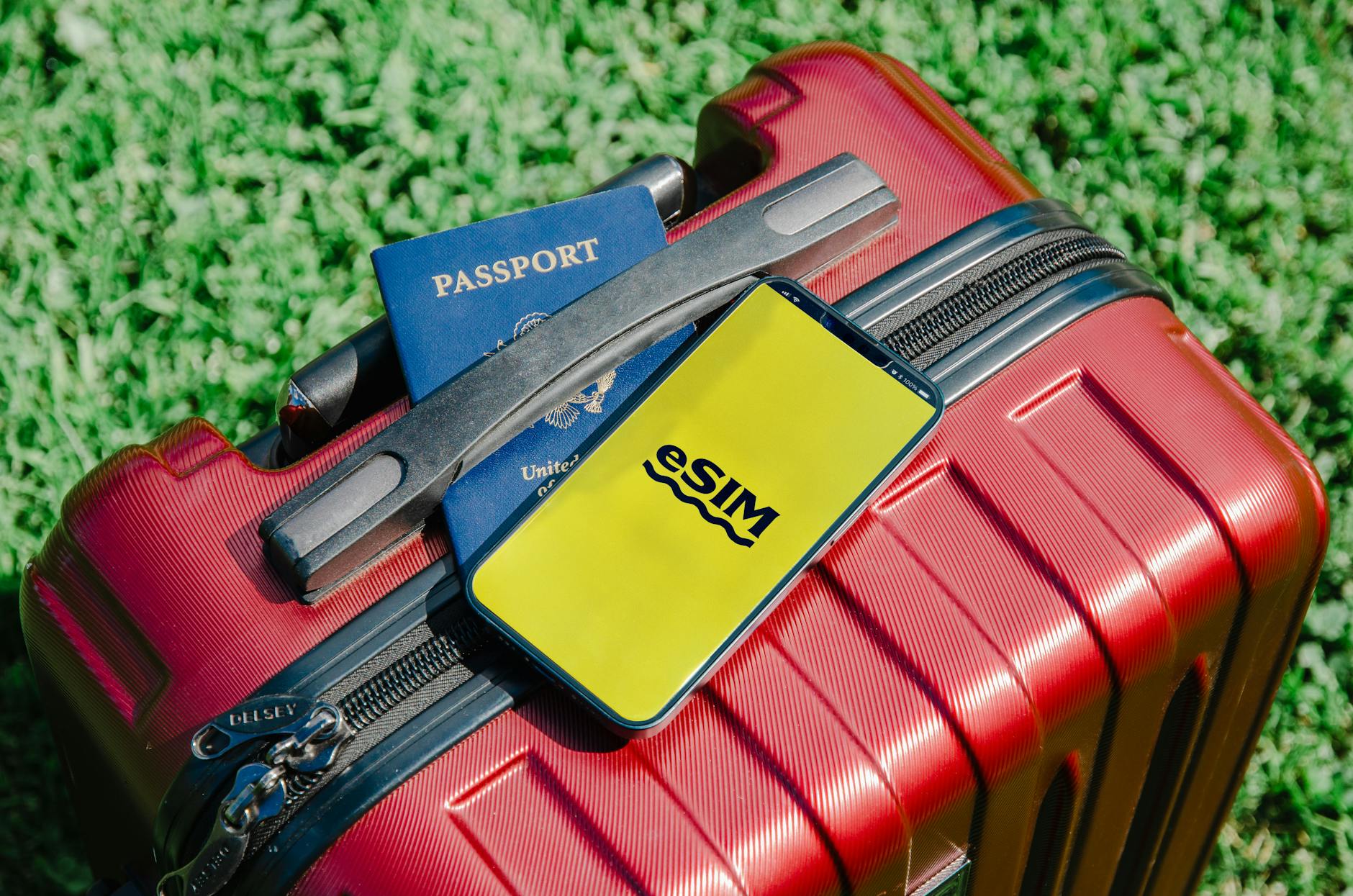
Tired of astronomical roaming charges or the hassle of finding local SIM cards in every country? I accidentally stumbled upon a game-changing SIM card hack that gives me reliable, affordable data access almost anywhere on the planet. Get ready to ditch your data worries and connect like a local, no matter where your adventures take you! ---
### The Moment My Travel Data Nightmare Ended: An Accidental Discovery That Changed Everything
The year was 2018, and I was utterly, hopelessly lost in the labyrinthine alleyways of Marrakech’s Medina. My phone, usually my trusty navigator, had just flashed a dreaded "No Service" message. My local SIM card, purchased in a hurried transaction at the airport, had run out of data at the absolute worst possible time. Sweat trickled down my back, partly from the Moroccan sun, partly from panic. I was supposed to meet a friend at a specific stall, and without data, I was adrift in a sea of vibrant chaos, the aroma of spices and tagine now mockingly adding to my sensory overload.
This wasn’t my first rodeo with travel data woes. From paying €10 a day for sluggish roaming in Europe to scrambling for tiny, overpriced data packages in Southeast Asia, I’d experienced it all. Each trip brought a new iteration of the same old problem: how to stay connected without breaking the bank or losing my sanity. It was a constant source of anxiety, a silent tax on my wanderlust.
But that day in Marrakech, something shifted. As I eventually found my way back (thanks to a kind shopkeeper and some rudimentary French), I vowed to find a better way. I started researching obsessively, delving into forums, comparing providers, and experimenting with every option under the sun. And then, through a series of fortunate mishaps and unexpected discoveries, I stumbled upon a "hack" – a strategic approach to using modern mobile technology that has completely revolutionized how I connect globally. It wasn't a single magical SIM card, but rather a system I accidentally developed, combining the best of what's available to create my own personal, worldwide, budget-friendly data network.
And today, I’m spilling all the tea on this accidental discovery, so you never have to feel that data-induced panic again.
### The Problem with Traditional Travel Data: Why We Need a Hack
Before we dive into the solution, let’s quickly recap why travel data has been such a persistent pain point for so long:
1. Exorbitant Roaming Charges: Your home network loves to charge you an arm and a leg for using your data abroad. These bills can quickly escalate into hundreds, even thousands, of dollars.
2. The Local SIM Scramble: While often cheaper, buying a local SIM card in every country is a logistical nightmare. You have to find a vendor, deal with language barriers, provide ID, swap physical cards, and then repeat the process in the next country. Plus, you often lose access to your home number.
3. Unreliable Wi-Fi: Public Wi-Fi is rarely secure, often slow, and not always available when you need it most (like when you’re lost in a souk!).
4. Limited Global SIMs: While global physical SIM cards exist, they often come with high prices, limited data, and fluctuating speeds depending on the region. They rarely offer the true flexibility and cost-effectiveness of my hack.
This is where the "accidental discovery" comes in. It’s not just about finding a cheaper way; it’s about finding a smarter way to leverage technology that's already in your pocket.
### My Accidental Discovery: Unpacking the eSIM Revolution and Strategic Switching
The core of my "hack" revolves around eSIM technology. For those unfamiliar, an eSIM (embedded SIM) is a digital SIM card that allows you to activate a cellular plan from a carrier without needing a physical SIM card. It’s built directly into your phone. Most newer smartphones (iPhone XR and later, many Android flagships from 2019 onwards) support eSIMs.
My accidental discovery wasn't just realizing eSIMs existed. It was realizing that by strategically combining and switching between regional/country-specific eSIMs from various providers, I could achieve truly worldwide, budget-friendly data coverage that was far superior to any single global plan.
Here's how the "accident" unfolded:
I was planning a multi-country trip across Southeast Asia – Thailand, Vietnam, Cambodia, and then a quick hop to Japan. Initially, I looked at a "global" eSIM plan, but the prices were steep for the amount of data I needed, and the coverage often felt like a compromise in some countries. Then, for my Thailand leg, I found a fantastic deal on a country-specific eSIM from a provider like Airalo. It was incredibly cheap, offered ample data, and setting it up was a breeze – a QR code scan, and boom, I was connected before I even landed.
The "accident" happened when I realized:
1. I could easily install multiple eSIM profiles on my phone. My iPhone could store several at once, allowing me to switch between them with a few taps.
2. Regional eSIMs were often far more cost-effective than global ones for specific areas. Instead of one expensive global plan, I could buy a cheap Southeast Asia eSIM for the first part of my trip.
3. Different providers excelled in different regions. While Airalo was great for Asia, I later found Holafly offered fantastic unlimited data options for Europe, and Nomad had competitive rates for North America.
4. The "hack" was to not commit to one global provider, but to become an agile eSIM strategist. I could pre-purchase an Asia-Pacific eSIM, activate it upon landing, then deactivate it when I moved to Japan, where I'd activate a Japan-specific eSIM, and so on. This gave me the best coverage, speed, and price for each specific region I was in. It was like having a personal, optimized data network tailored to my exact itinerary.
It was a revelation! I was no longer beholden to expensive global plans or the constant hunt for physical SIMs. My phone became a data chameleon, adapting to every new country with ease and at a fraction of the cost.
### How It Works: Your Step-by-Step Guide to Worldwide Connectivity with eSIMs
Ready to embrace the future of travel data? Here’s your actionable guide to implementing my accidental eSIM hack:
#### Step 1: Check Your Phone's Compatibility
First things first, ensure your smartphone supports eSIM. Most iPhones (XR, XS, 11, 12, 13, 14, 15 series) and many Android flagships (Google Pixel 3 and newer, Samsung Galaxy S20 and newer, etc.) do. A quick Google search for "[Your Phone Model] eSIM compatibility" will tell you. Make sure your phone is unlocked!
#### Step 2: Research eSIM Providers and Plans
This is where the strategic "hack" truly shines. Don't just pick the first one you see. Compare providers based on your itinerary:
* For Multi-Country Regions (e.g., Europe, Southeast Asia): Look for regional eSIMs. Providers like Airalo, Nomad, and GigSky offer excellent regional plans that cover multiple countries at a good price. For example, an "Europe" plan might cover 30+ countries.
* For Single Countries (e.g., Japan, USA, Brazil): Sometimes, a country-specific eSIM from a provider like Holafly (known for unlimited data in many regions) or even a local carrier's eSIM option (if available for tourists) can be more cost-effective or offer better speeds than a regional plan.
* Consider Data Needs: Do you need unlimited data (Holafly often specializes in this) or will a fixed GB package suffice (Airalo, Nomad)? Think about how much you stream, navigate, and video call.
* Validity Period: Plans come with varying validity (7 days, 15 days, 30 days, etc.). Match this to your trip duration in each region.
My go-to providers (discovered through trial and error):
* Airalo: My usual starting point for regional and country-specific plans. Great app, easy top-ups, competitive pricing, wide coverage.
Holafly: My choice when I really* need unlimited data for a specific country or region, particularly in Europe or the Americas. Their unlimited plans are fantastic for heavy users.
* Nomad: Another solid contender, often with good deals and a user-friendly interface.
* GigSky: Good for more niche regions or specific global plans if you decide to go that route for a very short, multi-country hop.
#### Step 3: Purchase and Install Your eSIMs (Pre-Trip)
Once you've chosen your plans, purchase them online. You'll typically receive a QR code or manual installation details.
Install at Home: I always install my eSIMs before* I leave. This means I'm ready to connect the moment I land.
* Multiple Profiles: Install an eSIM for each major region or country you'll visit. Your phone can store several. Label them clearly (e.g., "Thailand Data," "Europe Trip," "Home SIM").
#### Step 4: Activate on Arrival (The Magic Moment)
As your plane descends or you cross a border:
1. Go to your phone’s cellular settings.
2. Select the relevant eSIM profile (e.g., "Europe Trip").
3. Turn on "Data Roaming" for that eSIM (don't worry, with an eSIM, this just means it's connecting to local networks within its covered region, not incurring expensive charges from your home carrier).
4. Set that eSIM as your primary data line.
5. Keep your home SIM active for calls/texts if you want to receive them (but turn off its data roaming!).
Voila! Instant, local data without ever touching a physical card.
#### Step 5: Monitor and Top Up
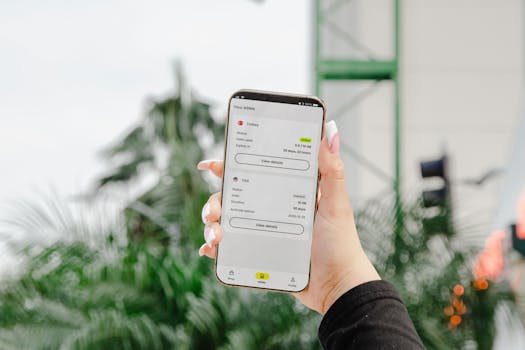
Most eSIM apps allow you to monitor your data usage. If you're running low, you can often top up directly through the app, extending your plan or adding more data. This flexibility is a huge part of the hack's appeal.
### Putting It to the Test: Real-World Adventures with My eSIM Strategy
This isn't just theory; it's a system I've refined over dozens of countries. Let me share a few examples:
1. Navigating the Bustling Streets of Bangkok & Beyond (Southeast Asia):
My first major test was a month-long backpacking trip across Thailand, Vietnam, and Cambodia. Instead of buying individual SIMs, I purchased a 15GB, 30-day "Asia 12 Countries" eSIM from Airalo for about $25. The moment I landed in Bangkok, I switched my data to the Airalo eSIM. Instant Google Maps access to find my hostel, seamless WhatsApp calls to family, and uploading stunning photos of Wat Arun to Instagram. In Hanoi, I used it to hail a Grab bike and translate menus. In Siem Reap, it helped me book a tuk-tuk to Angkor Wat and research local eateries. The coverage was consistent, and the ease of transition between countries was a dream.
2. Hiking in Patagonia & Exploring Buenos Aires (South America):
For a trip to Argentina and Chile, I needed reliable data for remote hiking trails and city navigation. I opted for a Holafly "South America Unlimited Data" eSIM for a 30-day period. While a bit pricier than a fixed-GB plan, the unlimited aspect was crucial for safety in the mountains and for sharing constant updates from the stunning landscapes of Torres del Paine. In Buenos Aires, I used it to find the best tango shows and order delicious empanadas via delivery apps. The speed was consistently good, even in some surprisingly remote areas, which gave me immense peace of mind.
3. From the Scottish Highlands to Roman Ruins (Europe):
Europe is a perfect playground for this hack. I once did a whirlwind tour through Scotland, England, France, and Italy in two weeks. I bought a 10GB, 30-day "Eurolink" eSIM from Nomad for around $20. In Edinburgh, I used it to book train tickets to the Highlands. In London, it guided me through the Tube. In Paris, I used it to find hidden patisseries, and in Rome, to instantly pull up historical facts about the Colosseum. The coverage was flawless across all countries, and I never once had to think about data limits or roaming fees. I could effortlessly share my adventures, from misty Scottish lochs to ancient Roman forums, in real-time.
### Beyond Data: The Hidden Perks of My eSIM Strategy
The benefits extend far beyond just cheap data:
* Keep Your Home Number: With an eSIM, your physical SIM slot remains free. This means you can keep your home SIM active to receive important calls or texts (just remember to turn off its data roaming!). This is invaluable for banking authentications or staying in touch with specific contacts.
* Dual SIM Functionality: Many phones now support dual SIM (one physical, one eSIM) or even dual eSIM. This means you can have your home line and your travel data line active simultaneously.
* Instant Connectivity: No more airport queues for SIM cards or frantic searches in unfamiliar cities. You land, you connect.
* Environmentally Friendly: Less plastic waste from disposable SIM cards. Small impact, but every bit helps!
* Security: Avoid relying on potentially insecure public Wi-Fi networks for sensitive tasks. Your personal eSIM connection is far more secure.
* Flexibility & Control: Easily switch plans, top up, or even delete a profile if a new, better deal pops up. You are in complete control.
* Budgeting Made Easy: You know exactly what you're paying upfront, eliminating bill shock.
### Is This Hack for Everyone? Considerations and Choosing Your Best Fit
While this eSIM hack has been a game-changer for me, it's essential to consider a few things:
* Phone Compatibility: As mentioned, only newer, unlocked smartphones support eSIM.
* Travel Style:
* Short, Single-Country Trip: A country-specific eSIM or even just a local physical SIM might be slightly cheaper if you only need data for a few days in one place. However, the convenience of eSIM often outweighs the minimal price difference.
* Multi-Country/Longer Trips: This is where the hack truly shines. The cost savings and convenience are unparalleled.
* Remote Areas: While eSIMs use local networks, coverage can still be spotty in extremely remote areas. Always have a backup plan (offline maps, downloaded content).
* Data Usage: If you're an extremely light data user, relying on Wi-Fi might still be your cheapest option, but you sacrifice reliability and security. If you're a heavy user, prioritize unlimited plans from providers like Holafly.
* Pricing Fluctuations: eSIM plan prices can change, and new providers emerge. Always do a quick comparison before each trip.
Budget Tip:
Always compare the price per GB and the validity period. Sometimes, a regional plan with slightly more data than you think you need can be cheaper than multiple smaller country-specific plans. Also, look out for promotions and discounts offered by providers!
### Conclusion: Your Passport to Limitless, Budget-Friendly Exploration
My accidental discovery of strategically leveraging eSIMs has fundamentally changed the way I travel. No more data anxiety, no more frantic searches, no more exorbitant bills. Just seamless, reliable, and affordable connectivity that frees me to immerse myself fully in every new destination. From sharing the vibrant hues of a Vietnamese lantern festival to navigating the ancient ruins of Machu Picchu, my phone is now my constant, connected companion, empowering every adventure.
This isn't just about saving money (though that's a huge perk!). It's about unlocking a new level of freedom and confidence in your travels. It’s about feeling truly connected to the world, both virtually and physically, no matter where you are.
So, ditch the old ways. Embrace the eSIM revolution. Try this hack on your next trip and experience the magic of truly worldwide, budget-friendly data. Your phone, your wallet, and your wanderlust will thank you.
What's your biggest travel data struggle? Have you tried eSIMs yet? Share your thoughts and experiences in the comments below! And if this hack helps you, don't forget to share it with your fellow travelers – let's spread the connectivity love! #TripsoraTravelHack #eSIMRevolution
---
Visual journey



Tags
Share this adventure
Join the travel community
New adventures, cultural insights and travel inspiration, straight to your inbox.
We may receive a commission if you click on a link and buy a product, service or policy, at no extra cost to you. How affiliate links work.
Been there?