

I used to play it safe, until a daring challenge in Bolivia changed everything. Join me on the infamous Death Road, a journey that wasn't just about conquering a treacherous path, but about rediscovering my own courage and transforming my entire approach to travel. ---
The email landed in my inbox like a challenge, not an invitation. "Hey, planning a trip to Bolivia. Heard about this road… the Death Road. You in?" My friend Mark, always the instigator, knew my penchant for beautiful scenery, but he also knew my deep-seated aversion to anything that threatened my comfortable travel bubble. My idea of adventure involved a well-researched hike, not a descent down a notoriously dangerous mountain pass.
My initial research into the North Yungas Road, or El Camino de la Muerte as locals grimly call it, confirmed my fears. Stories of sheer drops, precarious narrow paths, and a chilling history of accidents flooded my screen. My stomach churned. This wasn't just a scenic drive; it was a test of nerve, a gamble. But as I scrolled through breathtaking images of mist-shrouded cliffs plunging into emerald valleys, a tiny spark ignited. A whisper of curiosity, a challenge to the comfortable traveler I’d become. Could I do it? More importantly, should I do it? That question, more than any other, has since defined how I approach every new destination. This wasn't just a road; it was the start of a profound travel transformation.
### The Legend of El Camino de la Muerte: A Road Forged in Peril
Before I even set foot (or tire) on it, the legend of the Death Road hung heavy in the air. Built by Paraguayan prisoners of war in the 1930s during the Chaco War, this roughly 60-kilometer stretch of road was carved into the sheer rock face of the Bolivian Andes, connecting the capital city of La Paz to the Amazon basin town of Coroico. For decades, it was the only viable route, a lifeline for goods and people, despite its terrifying reputation.
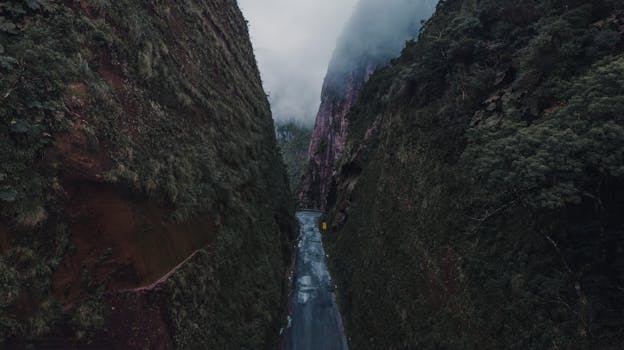
Imagine a single-lane dirt track, barely wide enough for one vehicle, clinging precariously to the mountainside. On one side, solid rock walls; on the other, dizzying drops of hundreds, sometimes thousands, of feet into the lush, unforgiving Yungas jungle below. Guardrails were a luxury, replaced by prayer and sheer luck. Until 2006, when a safer, paved alternative opened, it claimed an estimated 200-300 lives annually, earning its grim moniker as the "world's most dangerous road."
So, why would anyone willingly put themselves through this? For adventure seekers, mountain bikers, and those like me who felt a strange magnetic pull towards the edge, it offered an unparalleled thrill. It wasn't just about the danger; it was about the spectacular, raw beauty of the Andes, the transition from alpine tundra to subtropical cloud forest, and the profound sense of accomplishment waiting at the bottom. My apprehension was real, but so was the burgeoning curiosity. This wasn't just a journey; it was a pilgrimage to the limits of my own courage.
### Gearing Up for the Descent: Preparation, Psychology, and Trust
The morning of the ride dawned crisp and cold in La Paz. We met our tour group, an eclectic mix of nervous excitement from around the globe, at the office of Altitude Adventures – a highly recommended, reputable operator (I cannot stress enough the importance of choosing a quality tour company for this experience). Our guides, seasoned Bolivian riders with an infectious calm, meticulously checked our equipment: full-face helmets, padded gloves, knee and elbow pads, and, most crucially, high-quality, full-suspension mountain bikes. This wasn't a cheap tourist trap; it was a professional operation where safety was paramount. Expect to pay anywhere from $80-$120 USD for a good tour, which typically includes transport, gear, guides, lunch, and sometimes even photos and a t-shirt. The 50 BOB (approx. $7 USD) entrance fee to the road itself is usually separate.
We were driven high above La Paz to La Cumbre pass, an altitude of around 4,700 meters (15,420 feet). The air was thin, the wind biting, and the panoramic views of snow-capped peaks were breathtaking – a stark contrast to the humid jungle awaiting us below. Here, our guides gave us a thorough safety briefing, explaining the "left-hand rule" (uphill traffic has the right of way, downhill hugs the cliff side – counter-intuitive but essential for visibility), braking techniques, and the importance of staying focused and riding at our own pace. The first 20 kilometers were paved, a gentle warm-up that allowed us to get a feel for the bikes and calm our nerves, but I knew the real challenge lay ahead. This wasn't just about physical preparation; it was about mental fortitude, trusting the equipment, and, most of all, trusting my guides.
### Descending into the Abyss: The Ride, The Rush, The Revelation
And then, the pavement ended. The real Death Road began.
The transition was jarring. From smooth asphalt to loose gravel, jagged rocks, and muddy puddles. The air grew warmer, the scenery more dramatic. Mist swirled around us, sometimes thick enough to obscure the path ahead, adding an eerie, almost mystical quality to the already intense experience. On my left, the mountain face, wet with cascading waterfalls that often flowed directly onto the road, creating slick, challenging sections. On my right, the abyss – a sheer, terrifying drop into a verdant, distant valley. My heart hammered against my ribs, a drumbeat accompanying every turn of the wheel.
There were moments of pure, unadulterated terror. A loose rock sending my front wheel skidding, forcing me to instinctively slam on the brakes, my eyes wide, fixed on the edge. A particularly muddy section where I had to dismount and carefully walk my bike, the ground slippery beneath my feet. But these moments were interspersed with bursts of exhilarating triumph. Clearing a challenging rocky section, feeling the bike respond, the wind rushing past my face as I picked up speed on a relatively smooth stretch. The sheer scale of the landscape was humbling; ancient trees clinging to impossible angles, vibrant green foliage bursting from every crevice, and the constant roar of unseen rivers far below.
Our guides were exceptional, always positioned strategically, offering encouragement, pointing out hazards, and ensuring no one felt left behind. They’d stop us at various viewpoints, allowing us to catch our breath, hydrate, and take in the truly mind-blowing vistas. These were the Instagram moments, but no filter could capture the raw emotion, the adrenaline coursing through my veins, the profound sense of being utterly alive. It wasn't just a bike ride; it was a dance with the edge, a symphony of fear and freedom.
### Beyond the Edge: Cultural Echoes and Local Life
After nearly four hours of intense downhill riding, the road finally widened, the drops became less severe, and the air grew thick with tropical humidity. We arrived, dusty and triumphant, in Yolosa, a small village at the bottom of the Death Road, a stark contrast to the higher altitudes. From there, a short drive took us to Coroico, a charming town nestled in the Yungas region, where a celebratory lunch and much-needed cold drinks awaited.
The relief was palpable, but so was a deeper sense of accomplishment. Over lunch, our guides shared more about the local culture and the road's enduring legacy. For generations, this road was not an adventure park but a daily reality for the campesinos (farmers) who transported coffee, coca leaves, and produce to La Paz. They recounted stories passed down through families, of desperate journeys, of lives tragically lost, and of the immense relief when the new, safer highway finally opened, drastically reducing the accidents.
Visiting Coroico offered a chance to experience the gentler side of the Yungas. We sampled local delicacies like trucha (fresh trout) from the rivers and salteñas (savory baked empanadas, a Bolivian staple). We learned about the region's prolific coffee plantations and the traditional uses of coca leaves, an important part of Andean culture (best experienced respectfully through a guided tour, understanding its cultural significance beyond recreational use). This wasn't just about the adrenaline; it was about connecting with the land and the people whose lives were shaped by this formidable path. The contrast between the heart-pounding ride and the serene, welcoming community of Coroico was a powerful reminder of Bolivia's diverse soul.
### The Aftermath: Transformation and New Horizons
As I sat by the pool at a small eco-lodge near Coroico, nursing a cold Paceña beer, the events of the day replayed in my mind. The fear, the focus, the sheer exhilaration. I wasn't the same traveler who had reluctantly opened that email a few weeks prior. The Death Road hadn't just tested my physical limits; it had shattered my mental comfort zone.
I realized that for too long, I had approached travel as a passive observer, meticulously planning every detail to avoid any discomfort or unexpected challenges. The Death Road forced me to confront fear head-on, to trust my instincts, and to embrace the unknown. It taught me that true discovery often lies just beyond the boundaries of what feels safe.
This transformation wasn't just theoretical. Since that day, my travels have taken on a different hue. I'm more open to spontaneous detours, more willing to try experiences that push me, whether it's trekking through remote Patagonian glaciers, attempting to haggle in a bustling Moroccan souk, or navigating unfamiliar public transport in Southeast Asia. The Death Road taught me that I am capable of more than I ever imagined, and that true growth happens when you lean into discomfort, not shy away from it. It instilled a confidence that resonates in every new adventure I undertake.
### Practicalities and Planning Your Own Bolivian Adventure
Ready to face your own fears and experience a truly transformative journey? Here’s what you need to know:
* Best Time to Visit: The dry season (April to October) is generally recommended, as the road is less muddy and slippery. However, the rainy season (November to March) brings its own dramatic beauty with more mist and lush greenery, though conditions are more challenging.
* How to Get There: Fly into El Alto International Airport (LPB) in La Paz, Bolivia. Most tours depart from La Paz.
Getting Around: Your tour operator will handle all transportation to and from the Death Road. For exploring La Paz, taxis, micros (minibuses), and the excellent Mi Teleférico* (cable car system) are readily available and affordable.
* Cost: As mentioned, expect to pay $80-$120 USD for a reputable tour. Remember the separate 50 BOB road entrance fee. Budget for accommodation in La Paz (options range from $15/night for hostels to $100+/night for luxury hotels) and food (local meals can be as cheap as $3-5 USD).
* Accommodation: In La Paz, stay in the Sagarnaga Street area for budget hostels or Sopocachi for mid-range to upscale hotels. If you decide to stay overnight in Coroico, there are charming guesthouses and eco-lodges.
* Safety Tips (Crucial!):
1. Choose a Reputable Operator: This is non-negotiable. Look for companies with excellent reviews, well-maintained bikes, experienced English-speaking guides, and a support vehicle that follows the group.
2. Inspect Your Bike: Before you start, ensure your brakes, gears, and suspension are in top condition. Don't be shy; ask questions.
3. Listen to Your Guides: They know the road intimately. Their instructions are for your safety.
4. Ride at Your Own Pace: Don't feel pressured to keep up with faster riders. Go slow, be cautious, and enjoy the scenery.
5. Stay Hydrated: The altitude and physical exertion can be draining. Drink plenty of water.
6. Travel Insurance: Make sure your travel insurance covers high-risk activities like mountain biking.
7. Altitude Sickness: Acclimatize in La Paz for a few days before the ride. Stay hydrated, avoid alcohol, and consider coca tea.
### Dare to Discover Your Edge
The Death Road was more than just an extreme bike ride; it was a crucible that forged a new kind of traveler within me. It taught me that courage isn't the absence of fear, but the triumph over it. It showed me that the most rewarding experiences often lie just beyond our comfort zones, waiting to transform us in ways we never imagined.
If you're seeking an adventure that challenges your perceptions, pushes your limits, and leaves you with an unforgettable sense of accomplishment, then Bolivia's North Yungas Road might just be your next great journey. It's an experience that will stay with you long after the dust has settled, reminding you of your own resilience and the boundless possibilities that await when you dare to truly live.
So, tell me, what’s your Death Road? What challenging journey has transformed your approach to travel? Share your stories in the comments below – I’d love to hear them! And if you’re ready to face your fears and embrace the thrill, start planning your Bolivian adventure today.
---
Visual journey



Tags
Share this adventure
Join the travel community
New adventures, cultural insights and travel inspiration, straight to your inbox.
We may receive a commission if you click on a link and buy a product, service or policy, at no extra cost to you. How affiliate links work.
Been there?