

My partner and I desperately needed a romantic escape, but our wallets disagreed. Little did we know, a last-minute decision to visit Budapest would not only deliver an unforgettable, incredibly affordable trip but also completely revolutionize our approach to travel forever. This is the story of how grand architecture, thermal baths, and delicious goulash redefined luxury for us.
## My Budapest Revelation: How an Unexpectedly Affordable Romantic City Break Transformed My Travel Philosophy
The air in our apartment felt thick with the unspoken. My partner, Alex, and I were both staring at our laptops, scrolling through endless, disheartening flight-and-hotel packages. We were deep in a classic travel dilemma: desperately needing a romantic escape to reconnect and recharge, but equally desperate to not decimate our savings. Every dreamy European city — Paris, Rome, Venice — seemed to demand a king's ransom for even a weekend. We’d been burnt before, chasing Instagram-perfect luxury only to return home with lighter wallets and heavier regrets.
"Maybe we just... don't go?" Alex suggested, his voice laced with resignation.
My heart sank. The truth was, we needed this. Our daily grind had left us feeling more like roommates than partners in adventure. We craved that spark, that shared wonder, that feeling of being utterly elsewhere. But how could we justify the expense? I was about to close my laptop in defeat when a memory flickered: a friend had once raved about Budapest, mentioning its beauty and its affordability. I'd dismissed it then, thinking "romantic" and "budget" couldn't possibly coexist in a city break. How wrong I was.
"What about Budapest?" I asked, a flicker of hope in my voice. Alex raised an eyebrow. "Hungary? Is that... romantic?"
Three days later, we were landing in Ferenc Liszt International Airport, armed with a few budget airline tickets, a modest Airbnb booking, and a healthy dose of skepticism. What unfolded over the next five days wasn't just a romantic getaway; it was a profound lesson in how to travel, how to experience, and how to find luxury in the most unexpected places. Budapest didn't just give us a beautiful trip; it transformed how I travel forever.
### Budapest's Grandeur on a Dime: A Love Affair at First Sight
Stepping out of the metro station into the crisp autumn air, my jaw quite literally dropped. The sheer architectural majesty of Budapest hit me like a beautiful, historical wave. I'd expected charm, perhaps some quaintness, but not this. Grand boulevards lined with ornate buildings, intricate statues, and a palpable sense of history at every turn. It felt like Paris's confident, less arrogant cousin, equally stunning but far more approachable.
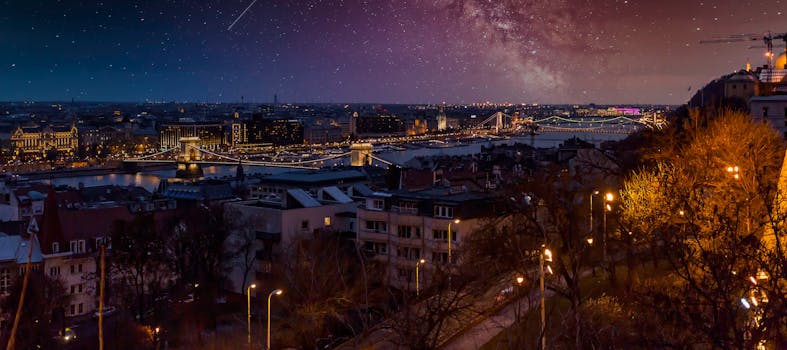
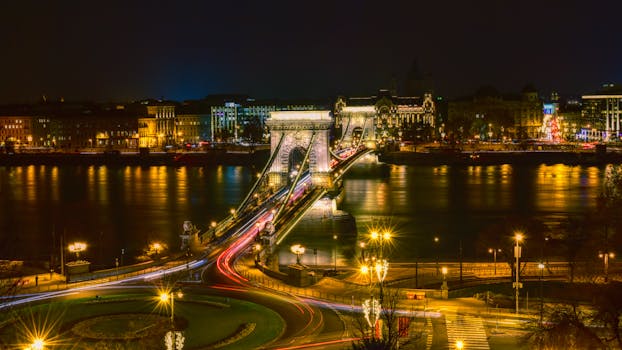
Our first evening cemented this feeling. We took a leisurely stroll along the Danube, the Chain Bridge glittering against the inky sky, connecting the historic Buda side with the bustling Pest. The Hungarian Parliament Building, illuminated like a fairy-tale castle, reflected in the river's gentle current. We stopped for a moment, arm in arm, utterly mesmerized. This wasn't just a view; it was an experience, a silent promise of magic. And it cost us absolutely nothing but the price of a metro ticket (around 350 HUF / ~€1 for a single ticket, or even less with a multi-day pass, which we quickly bought).
Practical Tip:
Don't underestimate the power of simply walking in Budapest. It’s incredibly pedestrian-friendly, and you'll stumble upon hidden courtyards, charming cafes, and breathtaking vistas that you'd miss from a taxi. Invest in a multi-day public transport pass (e.g., 72-hour pass for ~5500 HUF / ~€15) and use the excellent metro, tram, and bus network to cover longer distances. It’s efficient, clean, and a fraction of the cost of ride-shares.
### Indulge Your Senses: Gastronomy & Thermal Bliss Without Breaking the Bank
One of the biggest revelations in Budapest was how effortlessly we could indulge ourselves without the usual financial guilt. Our days quickly fell into a delightful rhythm: wake up, explore, eat, soak, repeat.
A Culinary Journey for Pennies:
Hungarian food is hearty, comforting, and incredibly flavourful. We quickly fell in love with Goulash, a rich stew that tastes like a warm hug, and Lángos, a fried bread slathered with sour cream and cheese, a street food dream. Our go-to spot for authentic, affordable eats became the Great Market Hall (Nagy Vásárcsarnok). Downstairs, fresh produce and local delicacies; upstairs, a bustling food court where we’d grab massive portions of Goulash or paprika chicken with noodles for around 1500-2500 HUF (~€4-7) each. It was loud, chaotic, and utterly delicious.
For something sweet, Kürtőskalács (Chimney Cake) became our daily ritual. We'd find street vendors selling these cylindrical pastries, fresh off the spit, coated in cinnamon sugar or walnuts, for around 1000-1500 HUF (~€3-4). Sharing one, warm and fragrant, as we wandered through the city, felt incredibly romantic.
Personal Anecdote:
One afternoon, we splurged (or so we thought) on a traditional Hungarian dinner at a local eatery in District VII. For less than €30 total, we shared a rich Goulash soup, a plate of chicken paprikash, a bottle of local wine, and a decadent dessert. It was a meal that would have cost us triple in Western Europe, and the quality was superb. This was the moment I realized that "luxury" wasn't about the price tag, but about the quality of the experience.
Thermal Bliss for Every Budget:
No trip to Budapest is complete without a visit to its famous thermal baths. This was the experience I was most excited, and most apprehensive, about from a budget perspective. I imagined exorbitant prices for what looked like ancient Roman palaces.
We chose Szechenyi Thermal Bath, the largest and arguably most iconic, with its grand yellow buildings and outdoor pools. We opted for weekday morning tickets (around 8,000-9,000 HUF / ~€22-25 per person for a locker entry) to avoid the weekend crowds and slightly higher prices. Stepping into the warm, mineral-rich waters as steam rose into the cool air, surrounded by ornate architecture and locals playing chess on floating boards, was nothing short of magical. It felt incredibly indulgent, a true escape, and yet, compared to a spa day back home, it was remarkably affordable. We spent hours there, alternating between the hot outdoor pools, the cooler indoor ones, and the steam rooms, feeling utterly rejuvenated.
Cultural Insight:
The thermal baths aren't just tourist attractions; they're an integral part of Hungarian social life and wellness. People go there to relax, socialize, and even conduct business. Embracing this local custom made the experience feel even more authentic and special.
### Beyond the Postcard: Uncovering Hidden Gems & Local Secrets
While the iconic sights like Buda Castle, Matthias Church, and Fisherman's Bastion offered breathtaking views (many of which are free to enjoy from outside, with only church interiors requiring a small fee, e.g., ~2000 HUF / ~€5-6 for Matthias Church), Budapest truly revealed its soul in its lesser-known corners.
The Enchantment of Ruin Bars:
One evening, we ventured into the Jewish Quarter, a vibrant area pulsing with history and innovation. This is where Budapest’s famous ruin bars were born. These quirky, eclectic pubs are set up in abandoned buildings, their interiors filled with salvaged furniture, street art, and a wonderfully chaotic charm. Szimpla Kert, the original and most famous, was a sensory overload in the best possible way. Each room was a different art installation, bathed in dim, colourful lights, and the atmosphere was buzzing with conversations in a dozen languages. We grabbed local beers for around 1000 HUF (~€2.50) a pint and just soaked it all in. It felt incredibly cool, authentic, and a far cry from the overpriced, sterile bars we often found ourselves in.
Margaret Island: An Urban Oasis:
For a different kind of romance, we spent an afternoon on Margaret Island (Margitsziget), a serene oasis in the middle of the Danube. We rented a tandem bike for a few thousand Forints an hour (around €5-8) and cycled along tree-lined paths, past rose gardens, and to the famous musical fountain, which performs a synchronized light and music show every hour. It was a perfect, peaceful escape from the city buzz, a chance to simply enjoy each other's company amidst nature.
Personal Anecdote:
We spent a memorable morning wandering aimlessly through the Jewish Quarter, stumbling upon a small, independent bookstore, then a tiny cafe serving the best espresso we had all trip (and for about €2!). It was in these unplanned moments, far from any specific "attraction," that we truly felt connected to the city and to each other. We weren’t ticking boxes; we were living the experience.
### A New Perspective: How Budapest Changed My Travel Philosophy
Before Budapest, my travel planning was often dictated by a hidden checklist: "Must-do" tourist traps, "top-rated" restaurants, and an unspoken pressure to spend enough to justify the trip. This romantic city break, however, forced a profound shift.
Experience Over Expense:
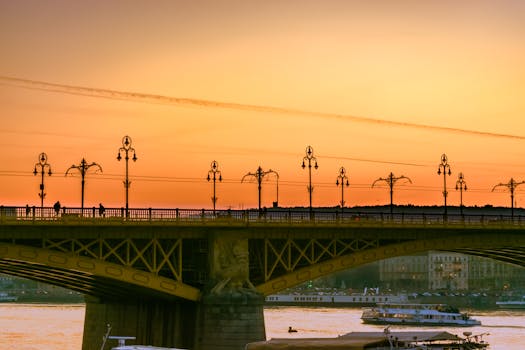
Budapest taught us that true luxury isn't about how much you spend, but about the richness of your experiences. The most memorable moments weren't the ones we paid the most for; they were the sunsets over the Danube, the laughter in a ruin bar, the quiet moments sharing a chimney cake, the invigorating soak in the thermal baths. We learned to prioritize doing over buying. Instead of a fancy, expensive dinner, we'd buy fresh produce from the market and have a picnic by the river. Instead of a guided tour, we'd use free walking tour apps and explore on our own.
Embracing Local Life:
We made an effort to learn a few Hungarian phrases ("Szia" for hello, "Köszönöm" for thank you), which always brought a smile to locals' faces. We chose family-run eateries over international chains, and we consciously sought out opportunities to interact with Hungarians, even if just through a shared smile or a pointing gesture. This immersion made our trip feel richer, more authentic, and far more meaningful.
The Power of Slow Travel:
Perhaps the biggest transformation was in our pace. We stopped rushing. We let ourselves get lost. We sat on park benches and simply watched the world go by. This slower approach allowed us to truly absorb the atmosphere, to notice the intricate details on buildings, to savour our meals, and most importantly, to reconnect with each other without the pressure of a packed itinerary. It was less about seeing everything, and more about feeling everything.
This trip wasn't just a budget win; it was a mindset shift. It showed us that romance isn't about lavish gifts or five-star hotels, but about shared adventures, genuine connection, and the joy of discovering something new together, regardless of the price tag.
### Practical Magic: Planning Your Own Budget-Friendly Budapest Escape
Inspired? You should be! Here’s how you can replicate our budget-friendly, transformative experience:
* Getting There: Look for budget airlines like Wizz Air or Ryanair flying into Ferenc Liszt International Airport (BUD). If you're coming from nearby countries, train or bus can also be very economical options.
Getting Around: As mentioned, public transport is excellent. A 24-hour travelcard costs around 1,650 HUF (~€4.50), and multi-day passes offer even better value. The Budapest Card can* be good if you plan to visit many museums and use public transport extensively, but for a strict budget, paying for individual tickets/passes and choosing free activities is often cheaper. Walking is your best friend!
* Accommodation:
Hostels with Private Rooms: Many hostels offer private double rooms that are clean, centrally located, and significantly cheaper than hotels. Look in areas like District VII (Jewish Quarter) or District VIII (Palace Quarter) for good value. Example: Maverick City Lodge or Wombat's City Hostel Budapest.*
* Airbnb/Apartments: Great for couples, offering kitchen facilities to save on eating out.
* Budget Hotels: Keep an eye out for deals on Booking.com or similar sites. Look for smaller, independent hotels outside the immediate tourist hotspots but still well-connected by public transport.
* Eating Smart:
* Central Market Hall: A must for cheap and authentic lunches.
* Street Food: Lángos, Kürtőskalács, and various sausages are delicious and affordable.
* Lunch Menus (Ebédmenü): Many restaurants offer fantastic value fixed-price lunch menus on weekdays. Look for signs outside eateries.
* Supermarkets: Buy groceries for breakfast, snacks, and even picnic lunches. Aldi, Lidl, and Spar are common.
* Ruin Bars: Offer cheap drinks and often simple, affordable food.
* Best Time to Visit:
* Spring (April-May): Pleasant weather, blooming flowers, fewer crowds than summer.
* Autumn (September-October): Gorgeous fall foliage, comfortable temperatures, good for thermal baths.
* Winter (November-February): Magical Christmas markets, cozy thermal bath experience, but colder and potentially more expensive around holidays. Avoid peak summer if you dislike crowds and higher prices.
* Safety Tips: Budapest is generally safe, but like any major city, be aware of your surroundings.
* Pickpocketing: Common in crowded tourist areas (e.g., Váci Street, public transport). Keep valuables secure.
* Taxis: Only use reputable taxi companies (e.g., Főtaxi, City Taxi) or ride-sharing apps like Bolt. Avoid unmarked taxis or those that approach you on the street.
* Exchange Money: Use ATMs connected to major banks for the best rates, or exchange offices with clear rates and no commission. Avoid exchanging at the airport unless necessary.
Estimated Daily Budget (per person, excluding flights):
For a comfortable, budget-conscious trip, aim for around €40-60 per person per day. This covers public transport, entry to one major attraction (like a thermal bath), two good meals, snacks, and a few drinks. You can certainly do it for less if you're super frugal, and more if you indulge a bit more!
### Budapest Awaits: Your Next Transformative Adventure
Our romantic city break in Budapest was more than just a vacation; it was a revelation. It proved that true luxury isn't about exorbitant price tags, but about rich experiences, genuine connection, and the joy of discovery. It taught us to seek authenticity over ostentation, and in doing so, transformed not just our trip, but our entire approach to travel.
So, if you're dreaming of a romantic escape that won't break the bank but will fill your soul, look no further than Budapest. Let its grandeur, its thermal waters, and its vibrant spirit surprise you. You might just find that it changes the way you travel, too.
What's your favourite budget-friendly romantic city? Share your tips in the comments below!
---
Visual journey


Tags
Share this adventure
Join the travel community
New adventures, cultural insights and travel inspiration, straight to your inbox.
We may receive a commission if you click on a link and buy a product, service or policy, at no extra cost to you. How affiliate links work.
Been there?