

If you thought New Year's Eve was the pinnacle of global celebration, prepare to have your mind, heart, and wardrobe completely blown away. I'm talking about Holi, India's Festival of Colors – an explosion of pure, unadulterated joy that makes every other party pale in comparison. Get ready to dive headfirst into an experience that’s not just a festival, but a profound connection to human spirit, unlike anything you’ve ever witnessed.
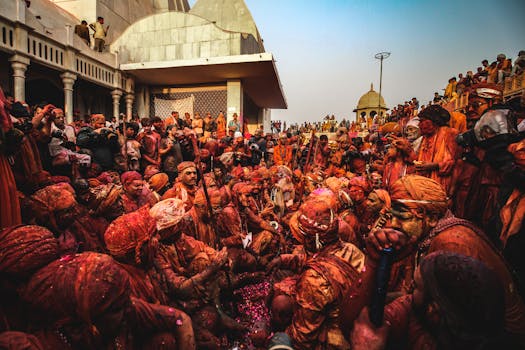
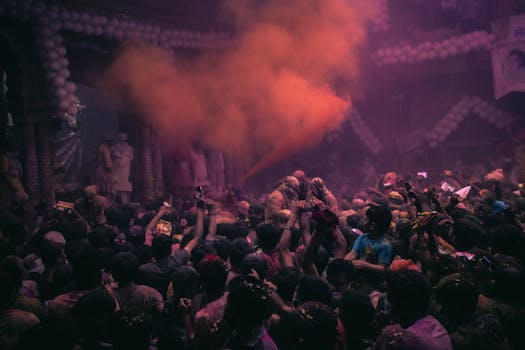
The year was 2018. I stood on a rooftop in Pushkar, India, clutching my camera, feeling a mix of apprehension and exhilaration. Below me, the streets were a churning sea of humanity, a kaleidoscope of reds, blues, greens, and yellows. The air thrummed with bhangra beats, the joyous screams of thousands, and the scent of sweet gujiya mingling with rising dust and paint. This wasn't some perfectly choreographed event; this was raw, unfiltered chaos, and it was glorious.
I’d been told to expect the unexpected with Holi, but nothing, nothing, could have prepared me for the sensory overload of my first Festival of Colors. For years, my biggest annual celebration had been New Year's Eve – the countdown, the fireworks, the champagne toasts. It was fun, predictable, a global ritual. But here, amidst the vibrant anarchy of Holi, I realized I’d been missing something truly profound. This wasn't just a party; it was a release, a communion, a joyful obliteration of social barriers, all drenched in pigment and pure, unadulterated bliss.
And I had to share it immediately. This festival is better than New Year's Eve, and here’s why you absolutely must experience it.
### Beyond the Hype: What Is Holi and Why It's So Special?
At its heart, Holi is an ancient Hindu festival celebrating the triumph of good over evil, the arrival of spring, and a day to forget grievances, laugh, play, and repair broken relationships. It’s a time when people forgive, forget, and embrace each other with open hearts and open hands, usually full of vibrant colored powder (gulal) and water.
The mythology behind Holi is rich and varied, but one popular story involves the demoness Holika, who was burnt to ashes when she tried to harm her devout nephew Prahlad. Another tale speaks of Krishna, who was jealous of Radha's fair complexion and playfully colored her face to match his own darker skin. These stories weave together to form a festival that is, at its core, about breaking down divisions – caste, creed, age, gender – and celebrating equality and love through joyous, messy play.
What makes it so special? It's the sheer, unbridled joy. There's no pressure to look perfect, no awkward small talk. You just are. You're covered in color, smiling, dancing, and for a few glorious days, the world feels utterly, wonderfully united. It’s a collective catharsis, a visceral experience of pure happiness that transcends language and culture.
### Why Holi Absolutely SMASHES New Year's Eve
Let’s be honest, New Year's Eve often comes with sky-high expectations, overpriced parties, crowded streets, and sometimes, a creeping sense of anticlimax. It’s a manufactured celebration, often about looking outward at fireworks. Holi, on the other hand, is an internal explosion that manifests externally.
1. Sensory Overload (in the Best Way): New Year's Eve has fireworks. Holi has you as a walking, talking firework. The colors are so vivid they almost hurt your eyes (in a good way!), the music is infectious, the food is aromatic, and the feeling of gulal on your skin is electrifying. It's a full-body experience that engages every single one of your senses.
2. Communal Joy vs. Individual Celebration: While NYE can feel isolating if you're not with "the right" people, Holi is fundamentally communal. Strangers become friends in a shower of color. You're part of a massive, joyful movement. There's an incredible sense of unity and shared humanity that's rare to find.
3. Authenticity and Release: There's no pretense at Holi. Everyone is equally messy, equally joyful. It’s a complete release from daily inhibitions, a chance to be playful, childlike, and simply exist in the moment. You literally shed your "skin" of everyday worries under layers of color.
4. Cultural Immersion: While NYE is a Western-dominated celebration, Holi offers a deep dive into Indian culture, mythology, and traditions. You’re not just a spectator; you're an active participant in a centuries-old ritual.
5. Instagram-Worthy (Naturally): Forget carefully curated backdrops. Every single moment of Holi is a vibrant, living photo opportunity. Your feed will thank you.
### Where to Dive into the Color Chaos: My Top Picks
While Holi is celebrated across India, some places offer truly unique and legendary experiences.
* Vrindavan & Mathura (Uttar Pradesh): The Heart of Holi
* Why: These twin cities, intrinsically linked to Lord Krishna's childhood, are considered the spiritual home of Holi. Here, you'll find the most traditional and intense celebrations.
Lathmar Holi (Barsana & Nandgaon): A few days before the main Holi, women in Barsana (Radha's village) playfully beat men from Nandgaon (Krishna's village) with sticks (lathis*) while the men try to shield themselves. It's an incredible spectacle of playful gender roles and historical reenactment. I witnessed this once, and the energy was electric, full of laughter and mock-battles.
Banke Bihari Temple (Vrindavan): This temple becomes a whirlwind of color, flowers, and devotion. Expect to be completely drenched in color and surrounded by ecstatic devotees singing bhajans*. It's incredibly intense and spiritual.
Details: Accommodations here are basic and book up fast*. Expect crowds like you've never seen. Safety can be a concern, especially for solo female travelers, so go with a group or a trusted local guide.
* Getting There: Fly into Delhi (DEL), then take a train or hire a private car/taxi (approx. 3-4 hours drive) to Mathura or Vrindavan. Local rickshaws are abundant for getting around.
* Pushkar (Rajasthan): Bohemian Bliss & Desert Charm
* Why: My personal favorite. Pushkar offers a more relaxed, but still incredibly vibrant, Holi experience. It's popular with backpackers and international travelers, creating a wonderfully diverse crowd. The lakeside setting adds to the charm.
* The Vibe: The main square (Brahma Temple Chowk) becomes the epicenter of a massive street party with DJs, live music, and endless color throwing. It feels like a giant, joyful rave. My first Holi here was unforgettable – dancing with strangers from every corner of the globe, all united by a shared explosion of color.
* Details: Pushkar is a smaller, walkable town. Accommodation ranges from budget guesthouses to boutique hotels. Book well in advance!
* Getting There: Fly into Jaipur (JAI), then take a bus or taxi to Pushkar (approx. 3 hours).
* Mumbai or Delhi: Urban Extravaganza
* Why: If you prefer a more organized or city-based celebration, India's metropolises offer plenty of options, from private parties to community gatherings.
* The Vibe: Less traditional, but equally fun. Many hotels host Holi parties, and residential societies organize their own events. You can also find public celebrations in parks, though they might not have the same raw energy as Mathura/Vrindavan or Pushkar.
* Details: Easier access to amenities, better accommodation options, and generally safer for first-timers who want a slightly more contained experience.
* Getting There: Both cities have major international airports.
### Navigating the Color Chaos: Practical Tips for Your First Holi
Don't go into Holi unprepared! A little planning goes a long way to ensure you have an amazing, safe, and truly unforgettable experience.
1. Dress for Disaster (Glorious Disaster!): Wear old clothes you don't mind ruining. White is traditional as it shows the colors best, but any old, light-colored clothing will do. Long sleeves and pants are recommended to minimize direct skin contact with harsh colors. My first outfit was a cheap white kurta pajama set I bought from a street vendor for about 300 rupees ($4) – it was perfect!
2. Protect Your Valuables: Leave anything precious at your accommodation. If you must carry your phone, put it in multiple Ziploc bags or a waterproof pouch. Seriously, multiple. I saw countless phones succumb to water and color.
3. Grease Up! Before heading out, apply a thick layer of oil (coconut oil, mustard oil, or even Vaseline) to your skin and hair. This creates a barrier, making it much easier to wash off the colors later. Don't forget behind your ears and neck!
4. Eye Protection is Key: Sunglasses are non-negotiable. They protect your eyes from powder and water, and also prevent strangers from directly applying color to your face (a common, albeit playful, tactic).
5. Respectful Participation: While Holi is about letting loose, remember it's a deeply cultural and religious festival. Be mindful of local customs. Always ask "Happy Holi?" before applying color to someone, especially women, and if they decline, respect their wishes. Avoid isolated areas, especially if you're a solo female traveler.
6. Hydrate & Fuel Up: It’s an energetic day! Drink plenty of water and try the local Holi snacks.
7. The Post-Holi Clean-Up: Don't rub your skin vigorously; instead, use a mild soap, gentle scrubbing, and plenty of water. Hair can be washed with shampoo, often requiring a few rounds. The oil barrier helps immensely. Some stubborn colors might linger for a few days – consider it a badge of honor!
### Beyond the Colors: Food, Festivities & Local Insights
Holi is much more than just throwing colors. It’s a complete cultural immersion.
Bhang: A cannabis-infused edible, often served as a drink (bhang lassi) or sweet (bhang thandai). It's traditional during Holi, especially in places like Varanasi. Exercise extreme caution: effects can be potent and delayed. Start with a tiny amount, if at all, and only from a reputable source. My personal experience with bhang lassi* was a slow, creeping wave of euphoria that lasted for hours, making the colors seem even more vibrant and the music more enchanting. It's certainly an "experience," but not for everyone.
Holi Sweets & Delicacies: Indulge in traditional treats like gujiya (sweet dumplings), malpua (pancakes soaked in syrup), and thandai (a refreshing, spiced milk drink, sometimes with bhang*). Street food vendors will be everywhere, offering delicious and cheap eats.
Music & Dance: The air will be filled with Bollywood hits, traditional folk songs, and devotional bhajans*. Don’t be shy – join in the impromptu dance parties!
* The Bonfire (Holika Dahan): The night before the main Holi, large bonfires are lit, symbolizing the burning of the demoness Holika and the triumph of good over evil. It's a powerful, community-driven ritual.
### Planning Your Holi Adventure: Logistics & Budget
Holi usually falls in March, but the exact date varies each year based on the Hindu lunisolar calendar. It's crucial to check the specific dates for the year you plan to travel.
* Best Time to Visit: Arrive a few days before the main Holi to experience the preliminary celebrations (like Lathmar Holi if you're in Mathura/Vrindavan) and acclimatize. Stay a day or two after to recover and enjoy the quieter aftermath.
Accommodation: Book months* in advance. Holi is a major festival, and good places fill up quickly. Expect prices to be higher than usual. For budget travelers, hostels and guesthouses offer affordable options, often with communal Holi celebrations. I stayed in a simple guesthouse in Pushkar for about 800 INR/night ($10) – basic, but clean and friendly.
* Budgeting: India can be incredibly affordable.
* Flights: International flights to major hubs like Delhi or Mumbai can range from $600-$1500+ depending on your origin and booking time.
* Accommodation: Hostels from $5-15/night, guesthouses $15-40/night, mid-range hotels $50-100/night.
* Food: Street food is ridiculously cheap and delicious, often $1-3 per meal. Restaurant meals $5-15.
* Transport: Trains are very affordable (book far in advance!), buses are cheap, and rickshaws/taxis are negotiable.
* Overall: A comfortable budget for a 2-week trip around Holi, including flights, could be $1500-$2500, but it's entirely possible to do it for less if you're a savvy budget traveler.
* Safety: India is generally safe for tourists, but common sense applies. Be aware of your surroundings, especially in crowds. Keep an eye on your belongings. For solo female travelers, consider joining a tour group or finding travel buddies, particularly for the more intense celebrations like in Vrindavan. Always trust your gut.
### Getting There & Getting Around
* International Flights: Most international travelers fly into Delhi (DEL) or Mumbai (BOM). From there, you can connect to domestic flights or use ground transport.
* Domestic Travel in India:
* Trains: The Indian railway network is extensive and an experience in itself. Book well in advance via IRCTC or third-party apps like MakeMyTrip or Goibibo.
* Buses: A vast network of public and private buses connects most cities and towns. RedBus is a good app for booking.
* Taxis/Private Cars: Convenient for shorter distances or if you prefer comfort and direct travel. Negotiate fares or use ride-sharing apps like Ola or Uber in larger cities.
* Auto-rickshaws: Great for getting around within cities. Always agree on a price beforehand or ensure the meter is used.
### The Grand Finale: A Festival That Stays With You
As the colors fade from your skin and the last echoes of laughter subside, you'll carry something much deeper from Holi: a profound sense of connection, a renewed childlike joy, and memories that truly are priceless. I still think back to that rooftop in Pushkar, covered head-to-toe in a riot of color, feeling a surge of pure, unadulterated happiness. It wasn't just a party; it was a revelation.
So, this year, instead of counting down to another predictable New Year's Eve, why not count down to something truly extraordinary? Something that will challenge your senses, open your heart, and leave you feeling more alive than ever before. Holi isn't just a festival; it's a state of being, an invitation to embrace life in its most vibrant, joyful, and utterly unforgettable form.
Are you ready to swap the champagne for gulal? Start planning your Holi adventure today! Share your thoughts in the comments below – have you experienced Holi? What was your favorite moment?
Visual journey



Tags
Share this adventure
Join the travel community
New adventures, cultural insights and travel inspiration, straight to your inbox.
We may receive a commission if you click on a link and buy a product, service or policy, at no extra cost to you. How affiliate links work.
Been there?