

I used to chase checklists, ticking off landmarks and moving on. Then came Diwali in Jaipur, a dazzling explosion of light, sound, and soul that didn't just illuminate the city, but profoundly reshaped how I see the world and choose to travel. Get ready to have your own travel perspective changed. ---
## This Cultural Celebration Changed My Perspective that Transformed How I Travel
The monsoon had just receded, leaving behind a crispness in the air that hinted at the Indian winter to come. I was in Jaipur, the famed Pink City, a place I’d always wanted to visit. But if I’m honest, my initial travel philosophy was fairly conventional: see the sights, take the photos, tick the box, and move on. My itinerary for Jaipur was neatly planned: Hawa Mahal, City Palace, Amer Fort, maybe a quick shopping spree. I was a traveler, yes, but perhaps more of a tourist – a conscientious one, but still an outsider looking in.
Then came Diwali.
I had arrived a few days before the "Festival of Lights," aware it was a big deal, but utterly unprepared for the sensory symphony that was about to unfold. The city was already buzzing, an electric current of anticipation running through its ancient arteries. What started as just another item on my travel agenda quickly morphed into something far deeper, far more transformative. Diwali in Jaipur wasn’t just a celebration; it was a profound journey into the heart of a culture, a community, and ultimately, into a different way of experiencing the world. It cracked open my neatly packed travel philosophy and poured in a vibrant, messy, beautiful truth: that the true magic of travel lies not in seeing places, but in feeling them, in connecting with the human spirit that breathes life into every corner of the globe.
This isn't just a story about a festival; it's a story about how one cultural celebration didn't just light up a city, but entirely redefined my perspective on what it means to travel.
### The Pink City Ablaze: A Symphony of Light and Soul
Imagine a city already famous for its rose-hued architecture, now draped in millions upon millions of twinkling lights. That was Jaipur during Diwali. From the moment the sun dipped below the horizon, transforming the sky into a canvas of fiery orange and soft violet, the city would ignite. Every building, from humble chai stalls to grand heritage hotels, was adorned with strings of fairy lights, creating an ethereal glow that felt like stepping into a living painting.
My first evening walk through the Johari Bazaar, the city's main jewellery market, was nothing short of overwhelming – in the best possible way. The air hummed with energy, a joyous cacophony of devotional music drifting from temples, the excited chatter of families, and the distant crackle of firecrackers. The scent of marigolds, jasmine, and burning incense mingled with the sweet aroma of mithai (Indian sweets) and the smoky tang of street food. Shopkeepers, their faces beaming, invited us to browse, offering cups of hot, sweet chai. The sheer collective joy was palpable, infectious.
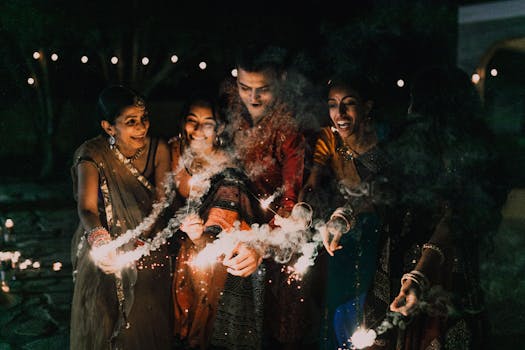
I remember stopping dead in my tracks, just watching. The intricate jali (lattice work) of the Hawa Mahal shimmered, outlined in dazzling white and gold lights. Families strolled hand-in-hand, children clutching sparklers, their faces lit up with pure, unadulterated delight. It wasn't just decorative; it was purposeful. Each light, each diya (oil lamp) flickering in doorways, symbolized the triumph of light over darkness, good over evil, knowledge over ignorance. It was a visual prayer, a collective embrace of hope and positivity. I had taken countless photos, but none could truly capture the feeling – the warmth, the wonder, the sheer, breathtaking beauty of a city celebrating with its whole heart. It was my first real lesson: sometimes, you just have to put the camera down and let the moment wash over you.
### Beyond the Spectacle: The Heart of Diwali in Local Homes
While the public spectacle of Jaipur during Diwali is undeniably magnificent, the true heart of the festival lies within the homes and families. This was where my perspective truly began to shift. I had initially booked a stay at a charming guesthouse run by a lovely local family. On the second day of the festival, after the main Dhanteras celebrations, the matriarch, Mrs. Sharma, invited me to join their family for the main Lakshmi Puja.
I was hesitant at first, not wanting to intrude, but her warm smile was irresistible. "No, no, you are family now!" she insisted, pulling me gently into their bustling household. Their home, usually simple, was transformed. Every corner glowed with diyas, a vibrant rangoli (intricate floor art made with colored powders) adorned the entrance, depicting lotus flowers and auspicious symbols. The air was thick with the scent of sandalwood and camphor.
I watched, fascinated, as the family gathered, dressed in their finest traditional attire. We performed the puja, offering prayers to Goddess Lakshmi, the deity of wealth and prosperity, for the well-being of the family and community. Mrs. Sharma carefully explained each ritual – the lighting of the lamp, the offering of flowers and sweets, the chanting of mantras. It wasn't just a religious ceremony; it was a communal bonding experience, filled with reverence, laughter, and shared hope. Later, we shared a truly enormous, delicious vegetarian feast – puri, sabzi, dal, and an array of homemade sweets that were unlike anything I'd ever tasted.
This wasn't on any itinerary. It wasn't a guided tour. It was a genuine, unsolicited invitation into the intimate sphere of a local family. It taught me that the most profound travel experiences often aren’t found in guidebooks, but in the generosity of strangers and the willingness to step outside your comfort zone and say "yes." This personal connection made the celebration real, tangible, and deeply meaningful, far beyond the glittering lights of the bazaar.
Practical Tip:
To respectfully seek out similar local experiences, consider staying in homestays or smaller guesthouses. Engage with your hosts, ask questions, and be open to invitations. Local guides, especially those focused on cultural tours, can also facilitate authentic interactions. Always be polite, offer to help (even if it's just setting the table), and bring a small, thoughtful gift like flowers or sweets if invited into a home.
### Culinary Delights & Festive Feasts: A Taste of Tradition
You simply cannot talk about an Indian festival without talking about food! Diwali in Jaipur is a feast for the senses, and that absolutely extends to the palate. The city's streets and sweet shops overflow with special festive delicacies, each telling a story of tradition and celebration.
My days were punctuated by culinary adventures. Breakfast often involved piping hot kachoris – flaky, deep-fried pastries filled with spicy lentils or onions – from a street vendor, served with tangy tamarind chutney. For lunch, I’d dive into a thali at a local eatery, a platter bursting with various curries, breads, and rice. But Diwali truly brought out the sweet tooth in everyone.
I spent hours exploring the famous Laxmi Misthan Bhandar (LMB) on Johari Bazaar, a legendary sweet shop that becomes a veritable wonderland during Diwali. The counters groaned under the weight of ghewar (a disc-shaped Rajasthani sweet soaked in syrup), mohan thaal (a rich gram flour fudge), rasgullas, gulab jamuns, and countless other vibrant, sugar-laden treats. Each bite was an explosion of flavor – cardamom, saffron, pistachios, almonds – a true taste of Indian hospitality and celebration.
Beyond the sweets, the street food scene thrives. I savored pani puri (crisp hollow balls filled with spicy water and potatoes), samosas, and various chaat preparations, all shared amidst the lively banter of fellow revelers. The communal act of eating, sharing food, and offering sweets to friends and strangers alike, further cemented the feeling of unity and joy that defines Diwali.
Budget Tip:
Eating street food is not only an incredibly authentic experience but also very budget-friendly. Look for stalls with long queues of locals – a sure sign of deliciousness and freshness. For sweets, buy a small assortment from a reputable shop like LMB to try a variety without breaking the bank.
Safety Tip:
When trying street food, observe hygiene. Look for vendors who are busy (meaning high turnover of food), cook items fresh, and use bottled water for drinks or pani puri. Trust your gut – if it doesn't look right, skip it.
### Navigating the Magic: Practical Tips for Your Diwali in Jaipur
Inspired to experience this magic yourself? Here's how to plan your own transformative Diwali in Jaipur:
Best Time to Visit:
Diwali dates vary each year, falling typically in late October or early November. The weather during this time is delightful – warm, sunny days and cool, pleasant evenings, perfect for exploring. However, this is also peak season, so plan accordingly.
How to Get There:
* By Air: Jaipur International Airport (JAI) is well-connected to major Indian cities.
* By Train: Jaipur Junction is a major railway station with excellent connectivity across India. The train journey can be an experience in itself!
* By Bus: Rajasthan Roadways and private operators offer comfortable bus services from Delhi, Agra, and other regional cities.
Getting Around:
* Auto-rickshaws: Abundant and affordable. Always agree on a fare before starting your journey, or use ride-sharing apps like Ola or Uber (available in Jaipur) for fixed pricing.
* Cycle-rickshaws: Great for shorter distances within the old city, offering a slower, more immersive experience. Negotiate fares.
* Walking: The best way to explore the bazaars and soak in the festive atmosphere, especially in the evenings when traffic can be heavy.
* Private Car with Driver: For day trips to Amer Fort, Nahargarh Fort, or other out-of-city attractions, hiring a car for the day is convenient.
Accommodation:
Jaipur offers a vast range of options:
* Luxury: Experience royal treatment at heritage hotels like Rambagh Palace or The Oberoi Rajvilas.
* Mid-Range: Boutique hotels and charming havelis (traditional mansions) offer comfort and character. Look for places near Hawa Mahal or MI Road for central access.
Budget/Homestays: Guesthouses and homestays are plentiful and provide an authentic local experience, often with home-cooked meals. This is my recommended choice for cultural immersion during Diwali. Book well in advance* as demand is high.
Budgeting:
* Accommodation: ₹1,500 – ₹15,000+ (approx. $20-$200+) per night, depending on luxury.
* Food: ₹500 – ₹1,500+ (approx. $7-$20+) per day for a mix of street food and restaurant meals.
* Transport: ₹300 – ₹800 (approx. $4-$10) per day for local travel.
* Activities/Shopping: Highly variable. Markets are great for souvenirs, textiles, and jewelry. Set a budget!
Shopping During Diwali:
The bazaars (Johari Bazaar for jewelry, Bapu Bazaar for textiles and leather goods, Tripolia Bazaar for bangles) are vibrant hubs during Diwali. You'll find special festive clothing, intricate diyas, decorative items, and of course, sweets. Be prepared to haggle politely!
Safety Tips:
* Crowds: Diwali attracts huge crowds, especially in markets. Be mindful of your belongings and surroundings.
* Fireworks: While beautiful, be cautious. Keep a safe distance from firework displays, especially if traveling with children.
* Dress Code: India is generally conservative. Dress modestly, especially when visiting temples or local homes.
* Health: Stay hydrated. Use hand sanitizer frequently. Carry basic medicines.
* Respect: Always ask permission before taking photos of people. Be respectful of religious customs and traditions.
### The Transformation: How Diwali Changed My Travel Philosophy
Before Diwali, my travel goal was often about accumulation – accumulating passport stamps, photos, and "been there, done that" stories. I measured success by the number of landmarks visited. But Diwali in Jaipur shattered that paradigm. It wasn't about ticking off places; it was about truly being there, feeling the pulse of the city, and connecting with the beautiful, vibrant humanity that defines it.
The lights of Jaipur didn't just illuminate the city; they illuminated something within me. I realized that the richest travel experiences aren't curated or commodified; they are stumbled upon, gifted by strangers, and found in the simple, shared moments of joy, reverence, and connection.
This transformation wasn't just a fleeting feeling; it fundamentally altered how I approach every trip since. Now, I actively seek out:
* Local Connections: I prioritize homestays, engage with guesthouse owners, and look for opportunities to share a meal or a conversation with locals.
* Immersive Experiences: I choose cultural workshops, cooking classes, or traditional performances over just observing from a distance.
* Slow Travel: I've learned to linger, to spend more time in fewer places, allowing myself to absorb the nuances and rhythms of a destination.
* Openness to the Unexpected: My best travel memories are often the ones that weren't planned, the spontaneous invitations, the accidental detours.
Diwali taught me that travel isn't about escaping life, but about embracing it in all its diverse forms. It's about opening your heart, letting go of preconceived notions, and allowing the world to surprise you, challenge you, and ultimately, change you for the better. The most Instagram-worthy moments weren't just the millions of lights, but the genuine smiles of the Sharma family, the shared laughter over a plate of mithai, the warmth of a stranger's invitation.
### Don't Just Visit, Feel It!
If you ever have the chance to experience a grand cultural celebration like Diwali in Jaipur, seize it with both hands. Don't just go to see the sights; go to feel the spirit. Let the colors wash over you, let the music move you, let the food tantalize you, and most importantly, let the people welcome you.
Because when you open yourself up to these kinds of experiences, travel ceases to be just a hobby and becomes a profound journey of self-discovery. It makes you a more empathetic, understanding, and connected human being. So pack your bags, leave your checklist behind, and go find a celebration that will change your perspective forever. I promise, it's the best souvenir you'll ever bring home.
What cultural celebration has changed your perspective? Share your stories in the comments below! Let's inspire each other to travel deeper and connect more authentically.
---
Visual journey



Tags
Share this adventure
Join the travel community
New adventures, cultural insights and travel inspiration, straight to your inbox.
We may receive a commission if you click on a link and buy a product, service or policy, at no extra cost to you. How affiliate links work.
Been there?