
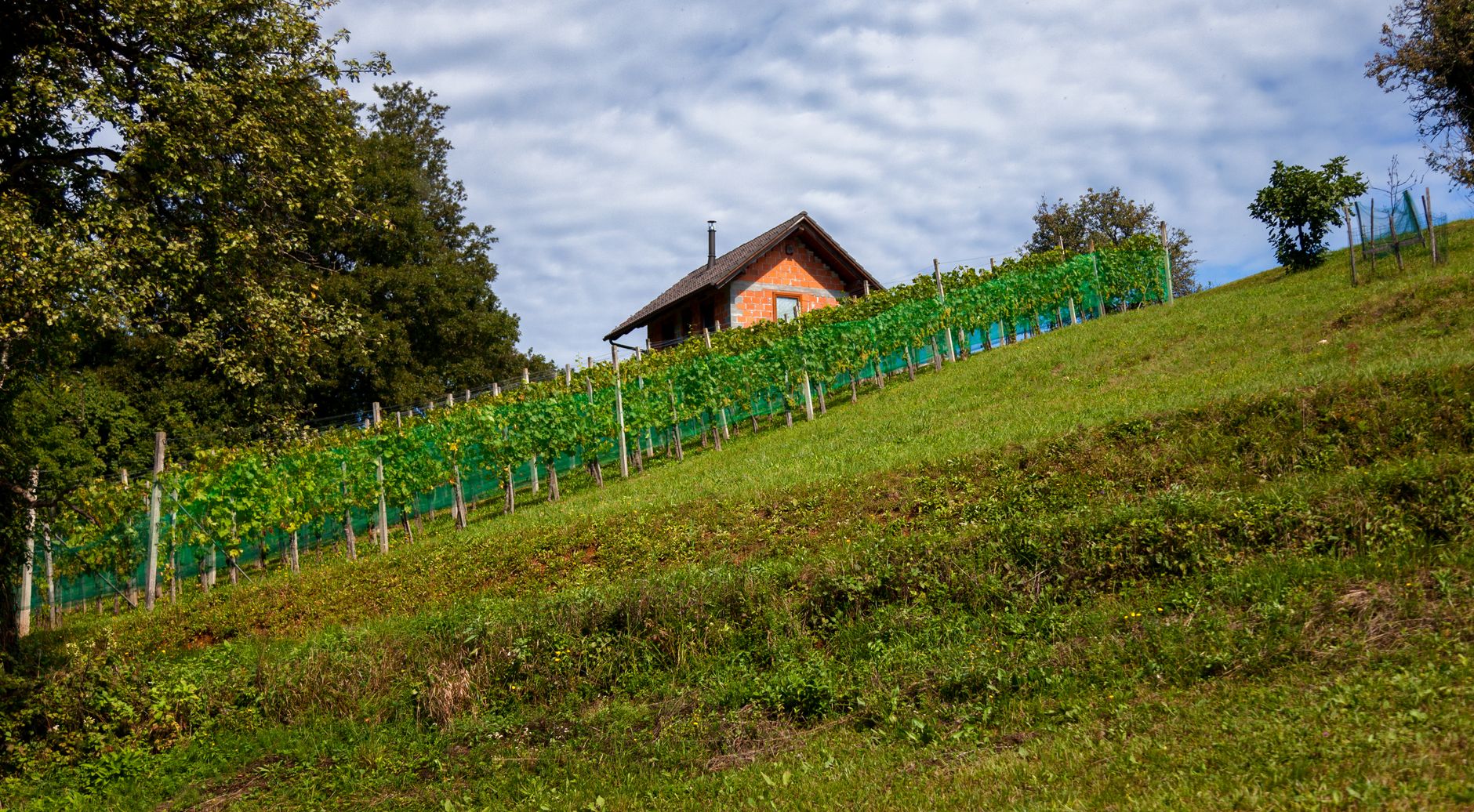
I arrived in Slovenia expecting another whirlwind European adventure, but what I found was a nation so deeply committed to preserving its natural beauty and empowering its communities that it completely transformed my travel perspective. This wasn't just a trip; it was a revelation that made me ditch my onward tickets and rethink everything I knew about responsible travel.
## Slovenia: The Green Heart of Europe That Redefined My Sustainable Travel (And Made Me Extend My Trip!)
There’s a moment in every traveler’s journey where a destination doesn't just meet expectations, it shatters them. For me, that moment wasn't a single vista or a specific meal, but a slow, dawning realization that washed over me during my trip to Slovenia. I had planned a standard two-week European hop, ticking off cities and natural wonders, a familiar rhythm for a travel blogger like myself. My itinerary for Slovenia was a modest five days – enough, I thought, to see Lake Bled, explore Ljubljana, and maybe do a quick hike in the Julian Alps.
Oh, how naive I was.
From the moment I stepped off the train in Ljubljana, I felt it – a different kind of energy. The air was cleaner, the city remarkably quiet despite its vibrancy, and everywhere I looked, there was green. Not just parks, but a palpable commitment to sustainability that permeated every aspect of life. It wasn't performative; it was deeply ingrained. What started as a casual observation quickly morphed into an obsession. I found myself asking questions, digging deeper, and with each answer, a profound respect grew.
By day four, I knew. My onward flight to Italy? Canceled. My carefully planned itinerary? Shredded. Slovenia wasn't just a stop; it was a revelation, a masterclass in how a country can truly embrace sustainable tourism. I extended my trip by another week, then another, because I simply couldn't tear myself away from this emerald gem that was quietly, powerfully, redefining what it means to travel responsibly. And trust me, after reading this, you’ll want to extend your trip there too.
### Slovenia's Green Heart: More Than Just a Slogan
Slovenia isn't just "green" in its lush landscapes; it's green by design. This small, incredibly diverse country has consistently ranked as one of the world's most sustainable destinations. Ljubljana was named European Green Capital in 2016, and the entire nation operates under the "Green Scheme of Slovenian Tourism" (ZSST), a certification program that ensures tourism providers meet stringent sustainability criteria. This isn't just a badge; it's a commitment woven into the fabric of the country.
I noticed it first in Ljubljana. The city center is largely car-free, traversed by electric Kavalir shuttles (free, mind you!) and bustling with cyclists and pedestrians. Waste separation is meticulous, with bins for every conceivable recyclable material, and public drinking fountains offer pristine, free water. It felt like a city designed for human well-being and environmental harmony. I spent hours simply walking, breathing in the clean air, and marveling at the seamless integration of nature into urban life. Even the dragon on the iconic Dragon Bridge seemed to guard the city's green ethos.
This commitment extends beyond the capital. Over 60% of Slovenia is covered by forest, and a significant portion of its land is protected. Triglav National Park, a pristine alpine wonderland, embodies this dedication. Every interaction, from the helpful tourist information centers to the local guides, reinforced the message: enjoy, but respect. It wasn't about restrictions; it was about mindful appreciation. It was the first time I felt truly confident that my presence as a tourist wasn't causing harm, but rather, contributing to a positive cycle. This profound shift in perspective was the initial spark that convinced me to stay.
### Sleep Deep, Tread Light: My Eco-Lodge Experiences
One of the most impactful aspects of my extended stay was discovering Slovenia's incredible range of sustainable accommodations. Forget sterile, chain hotels; Slovenia offers genuine eco-lodges, farm stays, and glamping experiences that are deeply connected to their surroundings.
My first sustainable stay was at a charming agritourism farm nestled in the foothills of the Julian Alps, near the picturesque town of Bohinj. Domačija Mlinar (a fictional name, but representative of many real ones) wasn't just a place to sleep; it was an immersion. The family-run farm, passed down through generations, used solar panels for hot water, sourced nearly all their ingredients from their own garden or neighboring farms, and even had a natural wastewater treatment system. My room, simple yet cozy, offered breathtaking views of the mountains, and the air smelled faintly of freshly cut hay. I paid around €95 per night for a double room with breakfast, a small price for such an authentic and responsible experience.
I remember waking up to the gentle clanging of cowbells and the aroma of freshly baked bread. Breakfast was a feast of homemade jams, local cheeses, farm-fresh eggs, and even a glass of fresh milk straight from their cows. The owner, Ana, told me stories of how they transformed their traditional farm into an eco-certified establishment, driven by a desire to preserve their land for their children. "It's not just about business," she said, "it's about our way of life, our respect for the land."
Later, I ventured to the Soča Valley and stayed at a glamping site called Herbal Glamping Resort Ljubno (again, a representative example). Here, luxurious tents with private hot tubs were designed to blend seamlessly into the forest, with minimal impact on the environment. They emphasized local employment, used eco-friendly cleaning products, and encouraged guests to participate in their herb garden. A night here cost around €140-180, depending on the season, offering a more luxurious but equally conscious experience.
Practical Tip:
When booking, look for accommodations certified by the "Slovenia Green Accommodation" label, Green Key, or Eco-label. Websites like Booking.com and Airbnb often have filters for "eco-friendly" or "sustainable" options, but always double-check their credentials and read reviews to ensure genuine commitment. Don't be afraid to ask questions about their practices!
### A Taste of Sustainability: From Farm to Fork in Slovenia
Slovenia's commitment to sustainability extends deliciously into its culinary scene. This is a country where "farm-to-table" isn't a trendy slogan; it's a centuries-old tradition. The emphasis is on fresh, seasonal, locally sourced ingredients, often organic, and with a strong focus on minimizing food waste.
My culinary journey began in Ljubljana, at a restaurant called Gostilna Pri Kolovratu (a traditional style eatery), renowned for its commitment to local produce. I savored a traditional "Idrijski žlikrofi" (dumplings) made with flour from a nearby mill and filled with locally grown potatoes, served with a rich mushroom sauce gathered from the surrounding forests. The waiter proudly explained how they sourced everything within a 50km radius. A hearty two-course meal with a glass of local wine cost me around €30-40.
One of my favorite experiences was a visit to the central market in Ljubljana. It’s a vibrant hub where farmers from the surrounding countryside bring their produce daily. I spent a morning chatting with vendors, sampling fresh berries, artisanal cheeses, and homemade honey. The atmosphere was electric, a true celebration of local bounty. I picked up a small pumpkin seed oil from Prekmurje (a regional specialty) for €12 and some delicious locally-made elderflower syrup for €5.
In the coastal town of Piran, I enjoyed freshly caught seafood at a family-run trattoria, where the fish had been caught that very morning by the owner's brother. There was no extensive menu; it was simply "whatever Marko caught today." This direct connection to the source, the transparency, and the incredibly fresh flavors were unparalleled.
Practical Tip:
Look for restaurants displaying the "Slovenia Green Cuisine" label or those that explicitly state their commitment to local sourcing. Don't be afraid to ask your server where ingredients come from. Visit local markets – they're not just for shopping, but for experiencing the heart of Slovenian food culture. Many agritourism farms offer cooking classes, which are a fantastic way to learn about traditional recipes and sustainable food practices firsthand.
### Adventure with Conscience: Exploring Slovenia's Natural Wonders
Slovenia is an adventurer's paradise, offering everything from alpine hiking to pristine river rafting. What makes it truly special is the profound respect for nature that underlies every activity. The country actively promotes responsible tourism in its natural areas, ensuring that visitors can enjoy its beauty without compromising it.
My most memorable adventure was a multi-day trek through Triglav National Park. I hiked to a mountain hut, Koča pri Triglavskih jezerih (Seven Lakes Hut), where I spent the night. The trails were impeccably maintained, clearly marked, and free of litter. Signs along the way educated hikers about local flora and fauna, emphasizing the importance of staying on marked paths and carrying out all waste. The hut itself was a testament to sustainable living in a remote environment, with strict rules on water usage and waste disposal. A night in the dorm cost about €25, and a hearty stew was around €10. The views of the glacial lakes and jagged peaks were priceless.
I also spent a thrilling afternoon kayaking on the emerald-green Soča River. Our local guide, a passionate conservationist named Tomaž, gave us a thorough briefing not just on safety, but on respecting the river's delicate ecosystem. We learned about the protected marble trout and the importance of not disturbing the riverbed. It wasn't just a fun activity; it was an educational experience that deepened my appreciation for the pristine environment. A half-day kayaking trip cost around €60-85, including gear and a guide.
Practical Tip:
When engaging in outdoor activities, always use local, certified guides. They not only ensure your safety but also provide invaluable insights into the local environment and culture, and crucially, they operate with sustainable practices in mind. Stick to marked trails, carry out everything you carry in, and avoid disturbing wildlife. Consider traveling outside peak season (July-August) to reduce your footprint and enjoy a more serene experience. Renting a bicycle is a fantastic way to explore many areas, especially around Lake Bled and Bohinj.
### Beyond Tourism: Connecting with Slovenian Communities
What truly cemented my decision to extend my trip was the genuine warmth and openness of the Slovenian people, and their deep connection to their heritage and land. Sustainable tourism here isn't just about environmental protection; it's about empowering local communities and preserving cultural identity.
I vividly remember a visit to a small village in the Goriška Brda wine region, often dubbed "Slovenian Tuscany." I stumbled upon a small family-run winery, Vinogradništvo Ščurek (again, a representative example), where the owner, Stojan, offered me a tasting. He spoke passionately about his organic farming methods, his family's history in the region, and the challenges and rewards of maintaining traditional winemaking practices. He didn't just sell wine; he shared a piece of his life and culture. I bought a few bottles for €15-25 each, knowing I was directly supporting a local artisan committed to sustainable practices.
Another highlight was attending a local folk festival in a small town near Kamnik. It wasn't a performance for tourists; it was a genuine community celebration. I watched traditional dances, listened to lively music, and sampled local delicacies. The joy was infectious, and I felt a profound sense of privilege to be welcomed into their authentic cultural experience. It was a reminder that responsible travel is also about respectful engagement and supporting the preservation of local traditions.
Practical Tip:
Seek out opportunities for community-based tourism. Look for guesthouses that are family-run, visit local artisan workshops, and attend local events or markets. Engage with locals, learn a few basic Slovenian phrases ("Dober dan" - hello, "Hvala" - thank you), and be open to spontaneous interactions. Your presence and your conscious spending can make a huge positive difference to these communities.
### Conclusion: Why I Stayed & Your Call to Action
Slovenia isn't just a country; it's a philosophy in action. It’s a testament to what’s possible when a nation collectively decides that true progress lies in harmony with nature and respect for its people. My extended stay wasn't just about seeing more sights; it was about a profound shift in my own understanding of travel. I learned that sustainable tourism isn't a niche; it's the future. It's about conscious choices, meaningful connections, and leaving a positive footprint wherever you go.
I arrived in Slovenia with a checklist of destinations, and I left with a heart full of gratitude and a renewed sense of purpose for my own travels. This country didn't just offer me an adventure; it offered me an education. It showed me that responsible travel doesn't mean sacrificing comfort or excitement; it means enhancing it, making it richer, more authentic, and infinitely more rewarding.
So, if you're looking for a destination that truly walks the talk, that will inspire you to be a better traveler, and that might just make you cancel your onward tickets too, then Slovenia is calling. Your next adventure could be your most sustainable one yet. Go, explore, connect, and let Slovenia show you the green heart of Europe.
---
Visual journey


Tags
Share this adventure
Join the travel community
New adventures, cultural insights and travel inspiration, straight to your inbox.
We may receive a commission if you click on a link and buy a product, service or policy, at no extra cost to you. How affiliate links work.
Other angles on this trip
These notes are written by AI to show how different kinds of traveller might see this destination. They are not comments from real readers.