
Prepare to get soaked, thrilled, and utterly amazed! I thought I knew festivals, but Thailand's Songkran—the legendary water festival—blew my mind, making other spring celebrations feel like a puddle compared to its ocean of pure joy. If you're looking for a vibrant, unforgettable cultural experience that rivals the world's biggest carnivals, this is it. ---
The year was 2017. I'd just landed in Bangkok, sweating profusely, still reeling from a 16-hour flight, and optimistically clutching a small backpack. My plan? Explore the temples, sample street food, and generally ease into my Southeast Asian adventure. What I didn't fully grasp was that I'd arrived on the eve of Songkran, the Thai New Year. I'd read about it, seen a few photos, but nothing, absolutely nothing, prepared me for the glorious, torrential, utterly bonkers experience that was about to unfold. My followers went crazy when I started posting stories – their DMs filled with "What IS happening?!" and "I NEED to go!" Trust me, they were right. If you want a Spring festival that doesn't just rival Rio's Carnival but offers a completely unique, exhilarating, and deeply cultural party, then my friends, you must experience Songkran.
### What IS Songkran, Anyway? Beyond the Buckets of Water
Let's get one thing straight: Songkran (สังขาร) isn't just a giant water fight. While that's undoubtedly its most famous and visually stunning aspect, it's actually the traditional Thai New Year's national holiday, observed from April 13th to 15th (though celebrations often extend a few days before and after). The word "Songkran" comes from the Sanskrit word saṃkrānti, meaning "astrological passage," specifically the transformation or change. In this context, it marks the sun's passage from Aries to Taurus, signaling the end of the dry season and the beginning of the rainy season, essential for rice cultivation.
Traditionally, Songkran is a time of spiritual cleansing, renewal, and showing respect. Thais visit temples, offer food to monks, and gently pour scented water over Buddha statues and the hands of elders as a sign of respect and to wash away bad luck for the coming year. The water symbolizes purification, washing away sins and misfortune from the past year, and welcoming a fresh start. Over time, these gentle splashes evolved into the nationwide, joyous water war we know today – a playful expression of cleansing and celebration. And trust me, it’s a celebration on a scale that will make you question every other festival you've ever experienced.
### Bangkok's Urban Water War Zone: My First Plunge
My initial introduction to Songkran was less a gentle splash and more a full-on ambush. I stepped out of my guesthouse on Khao San Road on April 13th, still in my "travel clothes" (read: not waterproof), and within seconds, a grinning local armed with a super soaker had baptized me with an ice-cold stream of water. Then another. And another. Before I could even process what was happening, I was drenched, laughing, and utterly disarmed. That's the magic of Songkran in Bangkok: it's immediate, relentless, and unbelievably fun.
Khao San Road
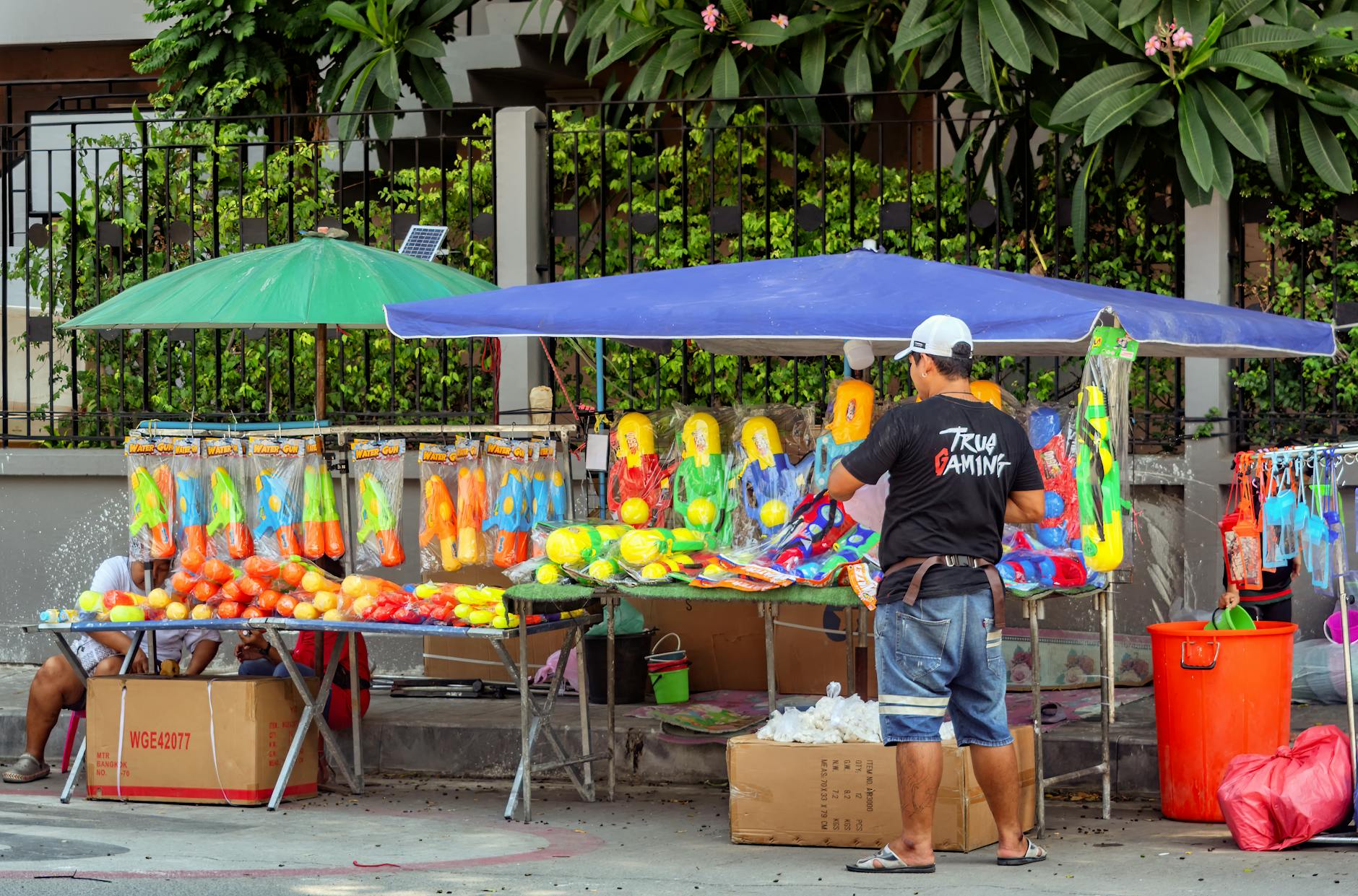
transforms into an absolute madhouse. Imagine a pedestrian street packed shoulder-to-shoulder with thousands of people – locals, tourists, families, friends – all armed with water guns, buckets, and hoses. The air vibrates with music, shouts of "Sawasdee Pee Mai!" (Happy New Year!), and the constant whir of water pumps. Vendors line the street, selling everything from massive water cannons (get one!) to plastic phone pouches and goggles. It's a sensory overload in the best possible way. The sheer scale and collective joy are intoxicating. You don't just observe Songkran here; you become part of it.
Another major hotspot in Bangkok is Silom Road. This usually bustling business district shuts down for traffic and becomes a pedestrian water playground. Unlike Khao San, which has a backpacker vibe, Silom attracts a more diverse crowd, including many Thai families and LGBTQ+ revelers, especially around the gay bars. The BTS Skytrain runs above, offering a fantastic (and dry!) vantage point to watch the chaos below. I spent an entire afternoon navigating the crowds here, joining impromptu dance parties, and getting delightfully soaked by everyone from tiny toddlers to grandmothers. The energy is phenomenal, a constant wave of laughter and good cheer.
* My Anecdote: I remember trying to grab a quick, dry bite at a street food stall, only to have a group of teenagers sneak up and dump an entire bucket of icy water down my back. My reaction wasn't annoyance, but pure, uncontrolled laughter. It's impossible to be mad when everyone around you is just having such a good time. That's when I truly understood the spirit of Songkran – it's about letting go, embracing the moment, and sharing joy.
### Chiang Mai's Epic Songkran: A More Traditional (But Still Wild!) Vibe
After the intense urban warfare of Bangkok, I ventured north to Chiang Mai, curious to see how the festival differed. And it did – beautifully. While still incredibly wild and wet, Chiang Mai offers a slightly more traditional and, dare I say, charming Songkran experience. The city's ancient moats and canals become central to the festivities. Locals line the banks, scooping water directly from the moat (which, let's be honest, is probably not the cleanest, but it adds to the authenticity!) and drenching passersby.
The Old City walls and the surrounding moat are where most of the action happens. Trucks loaded with barrels of water and groups of friends cruise around, blasting music and spraying everyone in sight. You can rent a songthaew (red truck taxi) for the day with a group of friends, load it up with water, and join the mobile party. It's an incredible way to experience the festival from the inside out.
Chiang Mai also leans more into the spiritual aspects. Many people visit the city's myriad temples, like Wat Phra Singh or Wat Chedi Luang, to participate in the traditional water pouring rituals on Buddha images. Walking through the temple grounds, you'll see monks and devotees engaging in these serene practices amidst the distant sounds of splashing and laughter. It’s a beautiful juxtaposition that truly encapsulates the dual nature of Songkran: reverence and revelry.
* My Anecdote: One morning, I decided to visit a temple, fully expecting to get soaked. As I walked in, a kind elderly woman, seeing my camera bag, gently motioned for me to wait under a small awning, offering me a dry spot to leave my electronics while I participated in the water pouring ritual. It was a small gesture, but it perfectly highlighted the Thai hospitality and respectful nature that underlies even the wildest celebrations. After paying my respects, I rejoined the water fight with renewed vigor, feeling cleansed in more ways than one.
### Essential Survival Gear & Safety Tips for the Wettest Festival on Earth
You're going to get wet. Period. Embrace it. But a little preparation goes a long way to ensuring you have the best (and safest) time possible.
1. Waterproof Everything (Seriously!):
* Phone Pouch: This is non-negotiable. Get a good quality, submersible one with a lanyard. You'll thank me later.
* Dry Bag: For any other valuables you need to carry (passport, wallet).
* Waterproof Camera: A GoPro or similar action camera is perfect for capturing the chaos. Leave your expensive DSLR at home or safely tucked away in your accommodation.
2. Appropriate Attire:
* Quick-Drying Clothes: Think swimwear, shorts, t-shirts. Avoid heavy fabrics like denim.
* Closed-Toe Shoes: Sandals might seem like a good idea, but the streets get slippery, and crowds are dense. Water shoes or old sneakers are ideal.
* Goggles/Sunglasses: Essential for protecting your eyes from water (and sometimes ice water!) and seeing where you're going.
3. Stay Hydrated & Fueled:
* Water Bottle: Carry it with you. While you'll be constantly wet, you're still in tropical heat, and dehydration is a real risk.
* Street Food: Embrace it! Vendors are everywhere, offering delicious and cheap sustenance. Just make sure it looks fresh and is cooked properly.
4. Armament:
* Water Gun/Bucket: You can buy these everywhere, from convenience stores to street vendors. Prices range from 100-500 THB (approx. $3-15 USD) depending on size and power. Go big or go home!
* Ice: Locals often add ice to their water for an extra shock factor. Be prepared!
5. Safety & Awareness:
* Traffic: Even though many roads are closed, be aware of vehicles, especially pickups with water barrels. Drivers can also get distracted.
* Alcohol: While it's a party, excessive drinking can lead to accidents. Stay aware of your surroundings and drink responsibly.
* Sun Protection: Even when wet, the sun is intense. Sunscreen and a hat (that you don't mind getting soaked) are still important.
* Respect: Remember the cultural significance. While it's a party, be mindful. Don't splash monks, police, or people who are clearly trying to avoid the water (e.g., elderly, those in traditional dress on their way to temple).
### Beyond the Buckets: Immersing in Thai New Year Traditions
While the water fights are undoubtedly the main draw for many, taking a moment to engage with the deeper cultural aspects of Songkran will enrich your experience immensely.
* Temple Visits & Merit Making: Start your day (or find a dry moment) by visiting a local temple. You'll see locals making merit by offering food and necessities to monks. You can respectfully observe or even participate in quiet contemplation.
* Washing Buddha Images: Many temples will have Buddha statues set up where people can gently pour scented water over them. This is a beautiful, serene ritual to cleanse and purify.
* Paying Respect to Elders: This is a crucial part of Songkran. Younger people traditionally pour scented water over the hands of elders to show respect and receive blessings. While you might not participate directly, observing this beautiful tradition offers a window into Thai family values.
Traditional Food: Songkran is a time for special treats. Look out for khao chae*, a refreshing dish of rice soaked in jasmine-scented water with various side dishes, perfect for the hot weather. Also, enjoy other classic Thai dishes like mango sticky rice, pad Thai, and various curries from street vendors and local restaurants. The food scene during Songkran is vibrant and delicious.
* Sand Pagodas: In some temples, particularly in Chiang Mai, you'll see people building sand pagodas decorated with colorful flags. This tradition symbolizes carrying away bad luck.
Engaging with these traditions offers a powerful contrast to the raucous water fights and provides a deeper understanding of the festival's spiritual roots.
### Budgeting for the Splash: Prices & Practicalities
Songkran is a popular time, so planning ahead is key, especially if you're on a budget.
* Accommodation: Book well in advance (3-6 months out is ideal). Prices for hotels and guesthouses can surge during Songkran. Expect to pay anywhere from 500 THB ($15 USD) for a basic guesthouse to 3000+ THB ($90+ USD) for a mid-range hotel per night. If you're looking to save, consider staying slightly outside the main festival zones and using public transport, or opting for hostels.
* Flights: International flights to Bangkok (BKK/DMK) or Chiang Mai (CNX) will also be pricier. Monitor flight deals and book early.
* Food: Thailand is a street food paradise. You can eat incredibly well for very little. A delicious meal from a street vendor can cost as little as 40-80 THB ($1-2.50 USD). Even in proper restaurants, meals are generally affordable, ranging from 150-300 THB ($4.50-9 USD).
* Water Guns/Supplies: A decent water gun will set you back 100-500 THB ($3-15 USD). Phone pouches are around 50-150 THB ($1.50-4.50 USD).
Transportation: Getting around cities is cheap. In Bangkok, use the BTS Skytrain, MRT subway, or Grab (the Southeast Asian Uber/Lyft equivalent). Tuk-tuks are fun but always negotiate the price beforehand. In Chiang Mai, songthaews* (red truck taxis) are common, and Grab is also available.
Overall, a budget traveler can expect to spend around $40-60 USD per day (excluding long-haul flights), while a mid-range traveler might spend $70-150 USD per day.
### When to Go & How to Get There (and Around)
* When: Songkran officially runs from April 13th to 15th annually. However, celebrations often kick off a day or two earlier and can extend for several days, especially in places like Chiang Mai or Pattaya (where they have the "Wan Lai" festival a week later).
* How to Get There:
* International Flights: Most international travelers fly into Bangkok's Suvarnabhumi Airport (BKK) or Don Mueang International Airport (DMK). From there, you can catch domestic flights to other cities.
* Domestic Flights: AirAsia, Nok Air, Thai Lion Air, and Thai Airways operate frequent and affordable flights between major Thai cities. Booking in advance is highly recommended for Songkran.
* Trains/Buses: Overnight trains and buses are also popular options for inter-city travel, offering a more scenic and budget-friendly experience. Book these tickets several weeks ahead, especially during peak festival times.
* Getting Around (During Songkran):
* Walking: Be prepared to walk a lot, as many streets will be closed to traffic. This is often the best way to immerse yourself.
* Public Transport: In Bangkok, the BTS Skytrain and MRT subway are your dry havens and efficient ways to cover long distances.
* Grab: Useful for getting to/from airports or between neighborhoods when you need a taxi, but expect surge pricing and potential delays due to traffic.
* Tuk-tuks/Songthaews: Fun for short distances, but drivers might increase prices during the festival. Negotiate firmly.
### My Songkran Takeaway: A Festival for the Ages
My Songkran experience was, without a doubt, one of the most exhilarating and joy-filled travel adventures of my life. It wasn't just a festival; it was a complete immersion into Thai culture, a test of my comfort zone, and a reminder of the universal language of laughter. The sheer scale of participation, the infectious enthusiasm, and the unique blend of ancient tradition with modern revelry make it truly stand out.
Forget everything you think you know about spring festivals. Songkran isn't just a party; it's a nationwide phenomenon that transforms entire cities into a vibrant, wet, and wild playground. It rivals the energy of Rio's Carnival, not with parades and samba, but with an unparalleled, communal joy expressed through buckets of water and endless smiles.
So, are you ready to get soaked? Are you ready to embrace the unexpected? Are you ready for a cultural experience that will leave you grinning from ear to ear and begging for more? Then it's time to mark your calendar for mid-April. Book your ticket to Thailand, pack your waterproof gear, and prepare for the Spring Festival that will blow your mind.
Have you experienced Songkran? Or is it on your bucket list? Share your thoughts and questions in the comments below! And don't forget to share this post with anyone who needs a serious dose of travel inspiration!
---
Visual journey


Tags
Share this adventure
Join the travel community
New adventures, cultural insights and travel inspiration, straight to your inbox.
We may receive a commission if you click on a link and buy a product, service or policy, at no extra cost to you. How affiliate links work.
Other angles on this trip
These notes are written by AI to show how different kinds of traveller might see this destination. They are not comments from real readers.