
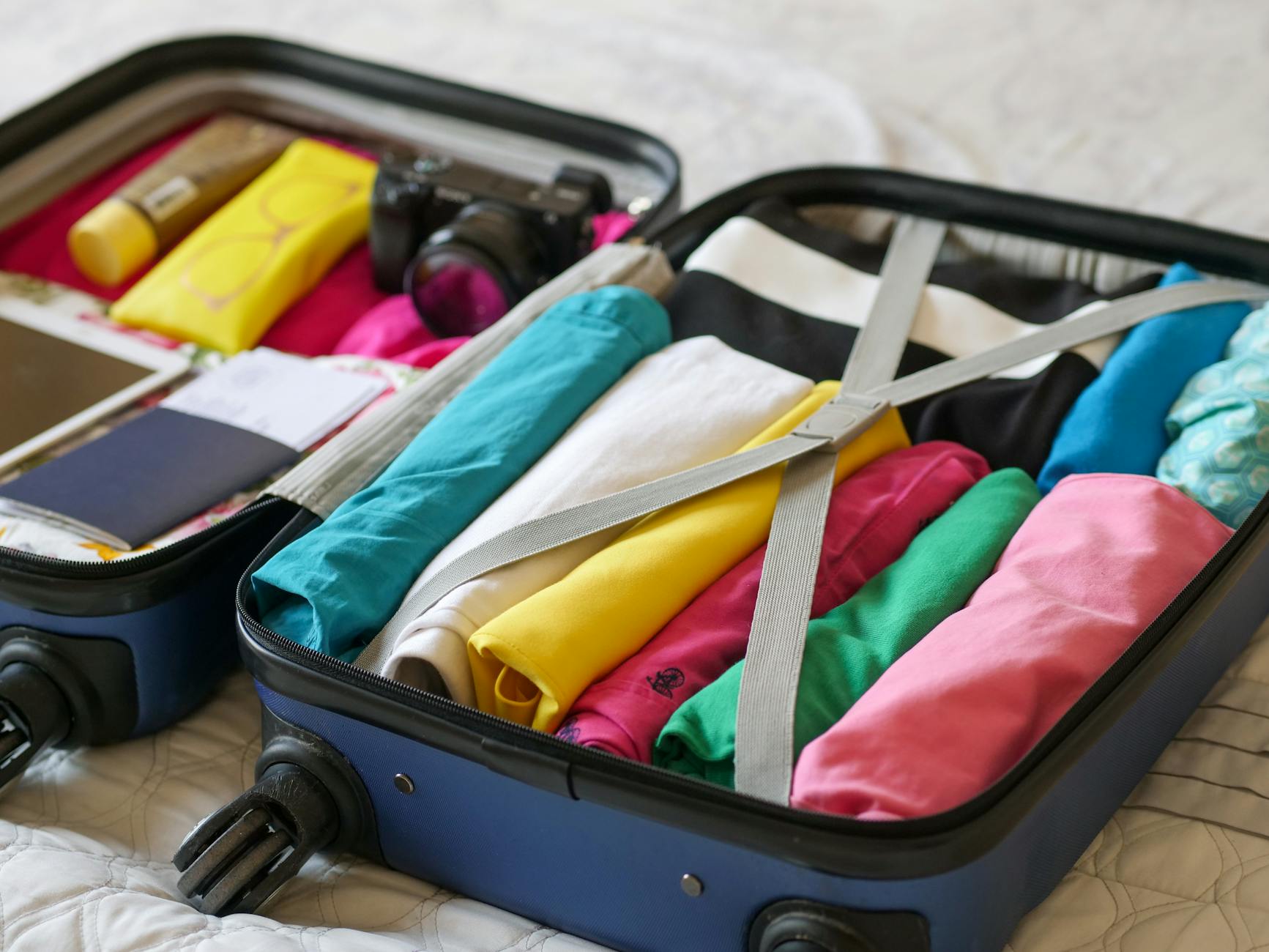
After countless miles and unexpected detours, I've curated the ultimate road trip essentials list – the one I keep coming back to because it *actually works*. Get ready to transform your next journey from a stressful ride into an epic adventure with these tried-and-true items.
The engine rumbles, the playlist is queued, and the horizon beckons. There’s a magic to the open road, isn’t there? That feeling of freedom, the wind in your hair (or the AC blasting, depending on the season), and the promise of discovery around every bend. I live for it. From the sun-baked highways of the American Southwest to the misty, winding lanes of the Scottish Highlands, I’ve chased sunsets and embraced unexpected detours. But here’s the thing: pure spontaneity is overrated if it means being stranded without a phone charger or freezing because you forgot a proper jacket.
Trust me, I learned this the hard way. My very first solo road trip, a naive journey up the Pacific Coast Highway, saw me battling a dead phone battery in a no-service zone, shivering through a fog-laden evening because I packed only beachwear, and rationing the last sad granola bar because I thought gas stations always had gourmet snacks. Never again.
That trip, though memorable for all the wrong reasons, forged my commitment to preparation. Over the years, through countless miles and a few more minor mishaps, I’ve refined my ultimate road trip essentials list – the one that never lets me down, the one that makes every journey smoother, safer, and infinitely more enjoyable. This isn’t just a checklist; it’s a blueprint for maximizing adventure and minimizing stress. It’s the "actually works" list I keep going back to, and it’s about to become yours too.
Ready to transform your next drive into an unforgettable epic? Let’s dive in.
---
### 1. The Navigational Nexus & Tech Toolkit: Stay Connected, Stay Found
In the age of smartphones, it’s easy to assume Google Maps will always save the day. And while it’s a brilliant tool, relying solely on it is a rookie mistake I used to make. Imagine cruising through a breathtaking national park, only for your signal to vanish and your battery to die. Panic mode activated!
The Essentials:
* Reliable Offline GPS & Maps: My go-to is a downloaded offline map of my route on Google Maps or Apple Maps. But for true peace of mind, especially in remote areas like Utah’s Mighty 5 parks or the vast expanse of the Australian Outback, I often pack a physical map or a dedicated GPS device (like an older Garmin unit). There’s something undeniably satisfying about unfolding a paper map and tracing your route, plus it’s a lifesaver when technology fails. You can often pick up detailed regional maps at visitor centers for a few dollars.
Power Banks (Plural!) & Car Chargers: This is non-negotiable. I carry at least two high-capacity power banks (my Anker 20,000mAh has saved me more times than I can count, usually around $50-70) and multiple car chargers for different devices. Make sure you have cables for all* your tech – phones, cameras, tablets, e-readers. Pro tip: always charge everything overnight, every night.
* A Killer Playlist & Podcasts/Audiobooks: The right soundtrack can elevate a good drive to an epic one. Curate diverse playlists – upbeat for morning drives, chill for sunset cruises, and a few sing-alongs for those long stretches. For educational or thought-provoking moments, download podcasts (My Favorite Murder, Stuff You Should Know, travel narratives) or audiobooks. This is especially vital when crossing vast, empty landscapes where radio signals are non-existent.
* Headlamps/Flashlights: More for when you arrive at your campsite or need to check under the hood at night, but crucial for any late-night packing or navigating. A good headlamp (around $20-30) leaves your hands free.
Tripsora Takeaway:
Before you even leave the driveway, ensure your digital navigation is backed up by analog, and your power supply is abundant. There's nothing worse than missing that iconic photo op because your phone died or getting lost in a place with no signal.
---
### 2. Comfort & Convenience Crew: Happy Driver, Happy Road Trip
Long hours in the car can take a toll. This category is all about making the journey itself as comfortable and enjoyable as the destination. One time, driving through the sweltering heat of Arizona, I thought I could survive on whatever junk food I found. By day three, I was craving fresh fruit and proper hydration like never before. My stomach grumbled, my energy flagged, and the "hangry" monster made an appearance. Lesson learned.
The Essentials:
* The Ultimate Snack Box & Cooler: Forget sad gas station snacks. Pack a dedicated cooler (a decent YETI or RTIC alternative can be found for $100-200, or a cheaper soft cooler for $30-50) with ice, water bottles, electrolyte drinks, and healthy snacks: pre-cut veggies, hummus, fruit, cheese sticks, sandwiches, nuts, dried fruit. Also, a few indulgent treats for morale! A dedicated "snack box" (a plastic bin) for non-perishables keeps things organized.
* Reusable Water Bottles & Coffee Mug: Reduce plastic waste and stay hydrated. A Hydro Flask or similar insulated bottle (around $30-50) keeps water cold for hours. A reusable coffee mug is perfect for those early morning gas station refills.
* Comfort Essentials: A small travel pillow, a lightweight blanket (especially for passengers), and sunglasses are game-changers. I swear by a good neck pillow ($15-30) for those long co-pilot naps. For drivers, a lumbar support cushion can make a world of difference on multi-day drives.
* Trash Bags: This seems obvious, but people forget! Keep a roll of small kitchen bags or grocery bags handy to prevent your car from turning into a mobile landfill. Designate one for recyclables, one for trash.
* Wet Wipes & Hand Sanitizer: Sticky fingers, unexpected spills, public restrooms – these are your best friends. A large pack of wet wipes (around $5) is indispensable.
Tripsora Takeaway:
Fuel your body right, stay hydrated, and ensure your car is a comfortable sanctuary. A well-fed and comfortable crew is a happy crew, ready to tackle any adventure!
---
### 3. Safety First, Always: The Unsung Heroes of the Open Road
This is the least glamorous part of the list, but arguably the most critical. You hope you never need these items, but when you do, you’ll thank your past self profusely. I once had a flat tire on a deserted stretch of highway in rural Montana. No cell service, no other cars for miles. My basic toolkit and a little know-how (thank you, YouTube!) saved me hours of waiting and potential danger.
The Essentials:
* Comprehensive First-Aid Kit: Don’t just grab a tiny travel kit. Build or buy a robust one ($30-60) with bandages, antiseptic wipes, pain relievers, allergy meds, blister treatment, gauze, medical tape, and any personal medications. Also, bug spray and sunscreen are crucial depending on your destination.
Basic Car Toolkit & Jumper Cables: A wrench, screwdriver, pliers, tire pressure gauge, and jumper cables are non-negotiable. Learn how to use them before* you need them. My jumper cables (around $25-40) have been used by me and by countless other stranded travelers I’ve encountered.
* Emergency Roadside Kit: This should include reflective triangles or flares, a bright vest, a multi-tool, and a sturdy flashlight (separate from your headlamp).
* Extra Water & Non-Perishable Food: Beyond your cooler, keep a gallon or two of water and some emergency snacks (granola bars, crackers) in your trunk. Crucial for breakdowns in remote areas or unexpected detours.
* Fire Extinguisher: A small car-specific fire extinguisher (around $20-30) is a smart investment, especially if you’re traveling through dry areas or carrying flammable camping gear.
Spare Tire & Jack: Know where it is, how to use it, and ensure it's properly inflated before* you leave.
* Duct Tape & Zip Ties: The universal fixers. Seriously, these can temporarily solve so many problems, from a flapping bumper to a broken bag strap.
Tripsora Takeaway:
Prioritize safety above all else. A little preparation here can prevent a minor inconvenience from escalating into a major emergency. Know your vehicle, know your tools, and always inform someone of your itinerary, especially if you’re venturing off the beaten path.
---
### 4. Personal Prep & Hygiene Haven: Stay Fresh, Feel Good
Just because you’re living out of a car doesn’t mean you have to feel like it. Maintaining a sense of personal hygiene and having the right clothing can significantly boost morale, especially on longer trips. I remember camping along the Oregon Coast, waking up to damp, chilly air, and being eternally grateful for my waterproof jacket and a clean pair of socks. Small comforts, big impact.
The Essentials:
* Toiletries Bag (Easy Access!): Keep a small, easily accessible bag with your toothbrush, toothpaste, deodorant, dry shampoo, a travel-sized soap/shampoo, and moisturizer. This is perfect for quick refreshes at rest stops or gas stations. Consider biodegradable options if you're camping.
* Layered Clothing: The golden rule of travel. Pack versatile layers – t-shirts, long-sleeved shirts, a fleece or sweater, and a waterproof/windproof jacket. Temperatures can fluctuate wildly, especially when crossing different altitudes or climates (e.g., desert plains to mountain passes). Merino wool socks are a revelation for comfort and odor control.
* Comfortable Shoes: Beyond your driving shoes, pack walking shoes for exploring and flip-flops or sandals for easy on/off at rest stops or hotels. One pair of sturdy hiking boots is essential if your trip involves trails.
* Sun Protection: Sunscreen (SPF 30+), a wide-brimmed hat, and good quality sunglasses are non-negotiable, even on cloudy days. The sun reflecting off the road can be intense.
* Small Towel: A quick-dry microfiber towel (around $15-25) is incredibly versatile for anything from a spontaneous swim to wiping down spills or drying hands after a roadside wash.
* Pillowcase & Small Sheet (Optional but Luxe!): If you're staying in budget motels or camping, having your own clean pillowcase and a lightweight sheet can make a huge difference to your comfort and peace of mind.
Tripsora Takeaway:
Don't underestimate the power of feeling clean and comfortable. These items contribute significantly to your overall well-being and enjoyment of the journey, no matter how rustic your accommodations.
---
### 5. Documenting the Journey & Keeping it Real: Memories Made, Stories Shared
What’s an epic road trip without the memories to prove it? Capturing the beauty, the unexpected moments, and the sheer joy of the open road is half the fun. My most cherished travel souvenirs aren't trinkets, but the photos and stories I bring home. I once tried to rely solely on my phone camera, only to find its battery draining too fast and its lens not quite capturing the grandeur of the Grand Canyon.
The Essentials:
* Camera Gear (Beyond Your Phone): While phones are great, a dedicated camera (DSLR, mirrorless, or even a good point-and-shoot) with extra batteries and memory cards will elevate your photography. Consider a GoPro for action shots or driving time-lapses. Don’t forget a small tripod for those stunning landscape shots or self-portraits.
* Travel Journal & Pen: Sometimes, the best way to capture a moment isn't through a lens, but with words. Jot down observations, funny anecdotes, names of towns, or reflections. These journals become priceless treasures years later.
* Small Backpack/Daypack: Essential for quick hikes, exploring towns, or carrying your essentials when you leave the car for a few hours.
* Binoculars: For spotting wildlife (like elk in Rocky Mountain National Park or eagles along the coast) or getting a closer look at distant landmarks.
* Small Gifts/Tokens: While not an "essential" in the traditional sense, I often carry small, locally sourced items from my hometown (e.g., postcards, small chocolates) to offer as a thank you to kind strangers, helpful locals, or new friends I meet along the way. It’s a beautiful way to connect and show appreciation.
Tripsora Takeaway:
Documenting your journey is about more than just photos; it's about preserving the feeling, the stories, and the connections you make. Invest in tools that help you capture every moment authentically.
---
### 6. The "Just In Case" Bin (The True MVPs): Unexpected Lifesavers
This is my secret weapon – a small plastic bin that lives in my trunk, filled with items I rarely use but am eternally grateful for when I do. These are the items that often get overlooked but can save a day, or even a trip. Like the time a rogue branch ripped a small hole in my tent, and a roll of duct tape became the unlikely hero, securing it through a stormy night in the Canadian Rockies.
The Essentials:
* Roll of Duct Tape: As mentioned, the ultimate problem solver. Broken mirror? Loose trim? Tent tear? Duct tape.
* Multi-Tool/Swiss Army Knife: From opening cans to cutting rope, a good multi-tool (like a Leatherman, around $70-120) is incredibly versatile.
* Extra Car Key: Give it to your travel partner or hide it securely outside the vehicle (in a magnetic hide-a-key box). Losing your only key far from home is a nightmare scenario.
* Small Bag of Laundry Detergent Pods: For quick washes at laundromats or even a sink wash for essential items.
* Paper Towels/Roll of Toilet Paper: You never know when you’ll need extra absorbency or find yourself at a rest stop with empty dispensers.
* Plastic Bags (Various Sizes): For dirty laundry, wet swimsuits, trash, organizing small items, or protecting electronics from rain.
* Cash (Small Bills): While cards are widely accepted, some small roadside stands, toll booths, or remote gas stations might be cash-only. Always keep some small denominations handy ($50-100 in fives and tens).
* Emergency Whistle: A simple, loud whistle can be used to signal for help if you're stranded or lost on a hike.
* A Good Book (Physical!): For downtime, waiting, or when all your devices are dead. A physical book is a wonderful luxury.
Tripsora Takeaway:
Don't underestimate the power of the unexpected. These "just in case" items are the unsung heroes that prevent minor inconveniences from derailing your carefully planned adventure.
---
### 7. Mindset & Flexibility: The Ultimate Essential
Beyond all the physical items, the most crucial road trip essential is your mindset. No amount of gear can replace a spirit of adventure, patience, and adaptability. I’ve learned that the best road trips aren’t about sticking to a rigid itinerary but embracing the detours, the unexpected roadside attractions, and the moments of pure, unplanned magic.
Embrace the Unexpected:
Sometimes the best memories are made when things don’t go according to plan. A flat tire leads you to a charming small-town mechanic who tells you stories of the area. A road closure forces you onto a scenic backroad you never knew existed. Be open to these moments.
Cultural Sensitivity & Local Respect:
When traveling, especially through small towns or indigenous lands, remember you are a guest. Research local customs, be respectful of traditions, and engage with locals with an open mind. A simple "hello" and a genuine smile can open doors to incredible experiences. Buy from local businesses, sample local cuisine, and leave no trace.
Budgeting for Spontaneity:
While having a budget is smart, try to allocate a small percentage (say, 10-15%) for "spontaneous splurges." This could be an impromptu stay at a charming B&B, an unforgettable meal at a local eatery, or a last-minute ticket to a quirky museum. It allows for flexibility without breaking the bank.
When to Go & Where to Stay:
The best time to road trip really depends on your destination. Spring and Fall often offer milder weather and fewer crowds. Summer can be great for national parks but expect more people and higher prices. For accommodations, mix it up: camping under the stars, budget motels, charming Airbnb stays, or even a night at a luxury resort. Websites like The Dyrt (for camping) or Booking.com (for hotels) are great resources. Always try to book ahead during peak season or in popular areas.
Tripsora Takeaway:
Pack your bags, but also pack your sense of wonder. The road trip isn’t just about getting from A to B; it’s about the journey, the stories, and the person you become along the way.
---
### Ready to Hit the Road?
There you have it – my comprehensive road trip essentials list, honed over thousands of miles and countless adventures. This isn't just a list of things; it's a collection of tools that empower you to embrace the unknown, tackle challenges with confidence, and truly savor every moment of your journey.
So, print this out, bookmark it, share it with your adventure buddies, and start packing. The open road is calling, and with this list in hand, you're not just ready for a trip; you're ready for an epic.
What’s the one road trip essential you can’t live without? Share your ultimate tip in the comments below – I’m always looking to refine my own list! And don’t forget to tag #TripsoraRoadTrip on Instagram with your own adventures!
Visual journey


Tags
Share this adventure
Join the travel community
New adventures, cultural insights and travel inspiration, straight to your inbox.
We may receive a commission if you click on a link and buy a product, service or policy, at no extra cost to you. How affiliate links work.
Been there?