
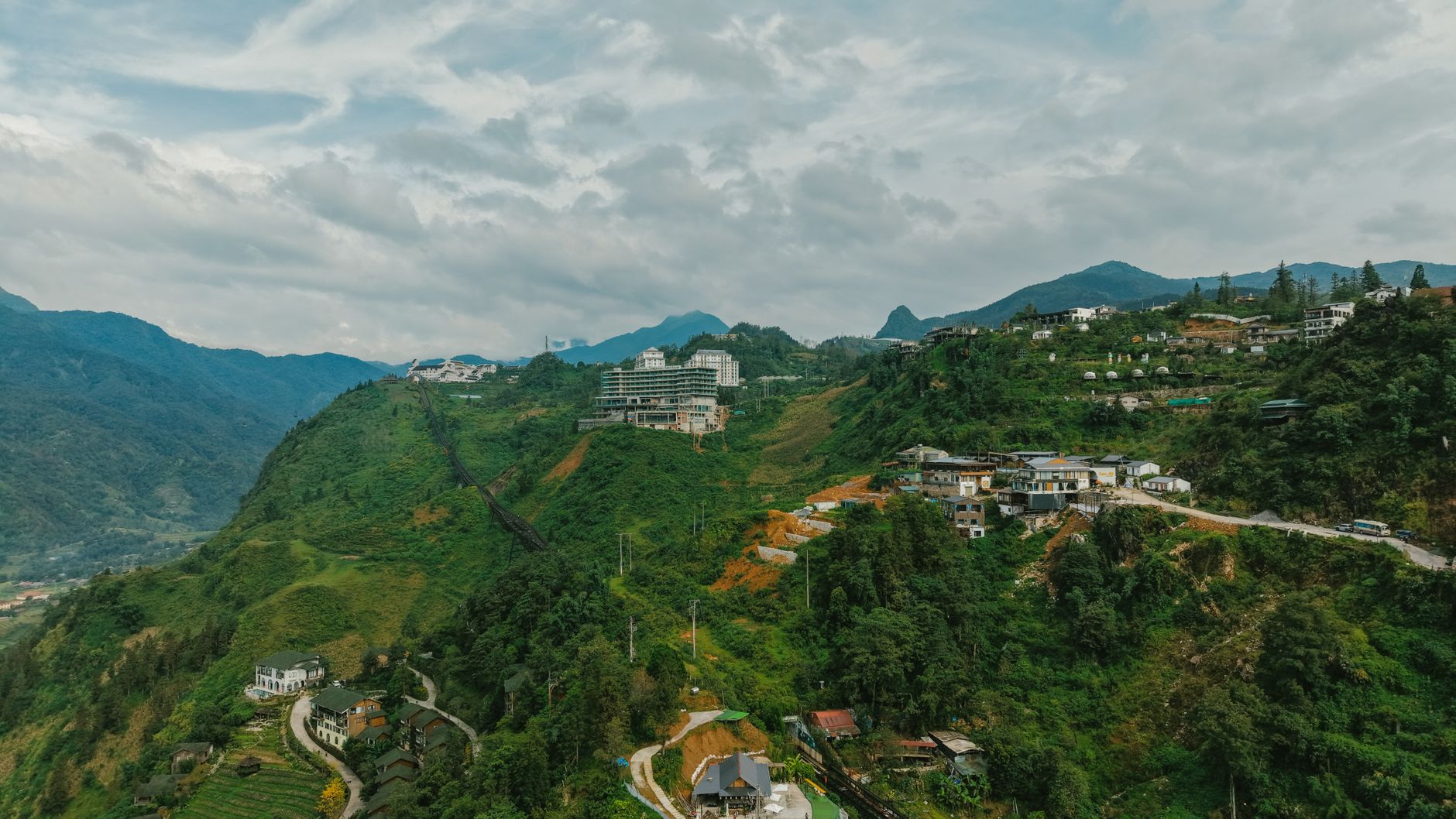
Every travel photographer dreams of that one shot, the one that transcends a moment and tells a universal story. For me, that dream came true when National Geographic featured my photo of Sapa's breathtaking rice terraces. Join me as I reveal the untold story, the challenges, the magic, and the practical tips behind capturing a truly iconic image. ---
The email landed in my inbox like a bolt of lightning, shaking me out of my jet-lagged stupor. Subject line: "National Geographic - Feature Inquiry." My heart hammered against my ribs, a chaotic drum solo accompanying the sudden rush of adrenaline. I blinked, reread it, then reread it again, just to be sure. It wasn't a dream. That photo, the one I’d poured my soul into capturing in the misty, emerald mountains of northern Vietnam, had caught the eye of the world’s most prestigious visual storytelling platform.
I remember that moment vividly, sitting in a bustling café in Lisbon, the scent of espresso and pastries filling the air, yet all I could taste was the metallic tang of disbelief and sheer, unadulterated joy. It wasn't just a photo; it was a testament to countless early mornings, challenging treks, language barriers, mosquito bites, and the unwavering belief that some stories are just waiting to be told through a lens.
Today, I’m pulling back the curtain, not just on the photo itself, but on the entire immersive journey that led to it. This isn't just about a picture; it's about the pursuit of authenticity, the magic of cultural connection, and the relentless dedication required to capture that one unforgettable moment. If you've ever dreamt of seeing your work in a major publication, or simply want to elevate your travel photography, settle in. This is the story of how I found my shot, and how you can find yours.
### The Quest Begins: Why Sapa, Vietnam?
My journey to Sapa wasn't a spontaneous whim; it was a deeply researched pilgrimage. I’d been captivated by images of Vietnam’s terraced rice fields for years, a mosaic of emerald green and golden yellow carved into dramatic mountain slopes. But it was the stories of the resilient ethnic minority communities – particularly the Hmong and Red Dao people – that truly drew me in. I wasn't just looking for a pretty landscape; I was searching for a narrative, a human element woven into the fabric of nature.
Sapa, a former French hill station nestled in the Hoang Lien Son mountain range, stood out. While it has become increasingly popular, I knew that with a bit of effort and a willingness to step off the beaten path, I could still find untouched beauty and genuine cultural experiences. My goal was to immerse myself, not just observe from a distance. I wanted to understand the rhythm of life there, the challenges, the triumphs, and the deep connection these communities had with their land.
My initial research involved scouring travel blogs, photography forums, and even academic papers on the region's ethnography. I knew I needed to visit during the shoulder seasons – late May to early June for the vibrant green rice shoots, or September for the golden harvest, to avoid the peak tourist rush and the monsoon season. I settled on late September, hoping for that perfect golden hue before the fields were completely harvested.
Budget Tip:
Flying into Hanoi is generally the most affordable option for international travelers. From Hanoi, you can take an overnight sleeper train to Lao Cai (approximately $25-40 USD one-way for a soft sleeper berth), followed by a 45-minute minivan or bus ride up to Sapa town (around $3-5 USD). Booking train tickets in advance, especially for weekends, is highly recommended.
### Immersing Myself: Beyond the Tourist Trail
Upon arrival in Sapa town, the immediate impression was a bustling hub, a vibrant mix of tourists, local vendors, and trekking guides. But I knew the real Sapa lay beyond the souvenir shops. My first priority was to find a local guide and arrange a homestay. This was non-negotiable for me; genuine interaction and understanding would only come from living amongst the people.
I connected with a local Hmong woman named Mai, through a recommendation from another traveler. Mai, with her infectious smile and impressive grasp of English, became my guide, translator, and ultimately, a friend. She arranged for me to stay with her family in a small village called Ta Van, about 8 kilometers from Sapa town, deep within the Muong Hoa Valley.
My homestay experience was transformative. For just $15 USD a night (including delicious homemade meals), I shared simple yet comfortable accommodations, woke to the sounds of roosters, and ate sticky rice and stir-fried vegetables cooked over an open fire. I spent my days trekking with Mai, not just through the famous rice terraces, but through bamboo forests, past cascading waterfalls, and into other remote villages. We’d stop to chat with farmers tending their fields, women weaving intricate indigo fabrics, and children playing barefoot in the dirt.
These were the moments that truly enriched my trip. I learned about the Hmong’s animist beliefs, their respect for nature, and the incredible artistry in their traditional clothing, which often tells a story of their lineage and village. I discovered their resilience in adapting to modern changes while fiercely preserving their cultural heritage. Mai even taught me a few basic Hmong phrases, which always brought smiles and open doors. It was in these shared moments, over cups of rice wine and shared laughter, that I felt I was truly understanding the spirit of Sapa.
Cultural Insight:
Always ask for permission before taking someone's photo, especially in rural communities. A simple gesture, a smile, or learning a few basic phrases like "Xin chào" (hello in Vietnamese) or "Nyob zoo" (hello in Hmong) goes a long way. Offering a small print of the photo later, if possible, is a wonderful gesture of gratitude.
### The Art of Patience: Chasing the Light & Moment
Capturing a Nat Geo-worthy shot isn’t just about being in the right place; it's about being there at the right time, with the right light, and with an unwavering commitment to patience. The terraced rice fields of Sapa are beautiful at any time of day, but they are absolutely magical during the "golden hour" – the hour after sunrise and the hour before sunset – when the light is soft, warm, and paints the landscape in incredible hues.
For several days, I rose before dawn, often with Mai, to trek to various vantage points she knew. We’d navigate slippery paths in the pre-dawn gloom, sometimes through a thick blanket of mist that obscured everything. There were many mornings where the mist never lifted, or the light was flat and uninspiring. It was frustrating, but I reminded myself that photography is a game of probability. The more you show up, the higher your chances.
I carried my trusty Canon 5D Mark IV with a versatile 24-70mm f/2.8 lens and a lightweight travel tripod. I also had a 70-200mm f/2.8 for compression and detail shots. A good quality waterproof camera bag was essential, given the unpredictable mountain weather. I scouted locations during the day, noting angles, foreground elements, and potential compositions. I looked for leading lines, natural frames, and areas where the light might interact dramatically with the terraces.
One evening, after another day of trekking, I watched a Hmong woman, clad in her intricate indigo attire, slowly make her way through the fields, tending to her crops. The way her silhouette moved against the fading light, the quiet dignity of her labor – it struck me. I knew then that the human element, a solitary figure in that vast landscape, was what would elevate my next shot from beautiful to powerful. It would tell a story of harmony between human and nature.
Photography Tip:
Always shoot in RAW format for maximum flexibility in post-processing. Pay attention to your histogram to ensure you're not clipping highlights or shadows. For landscapes, an aperture of f/8 to f/16 will generally give you good depth of field. And don't forget to pack extra batteries – the cold and long days drain them quickly!
### The Unforgettable Shot: A Moment in Time
The day it happened, the air was crisp, and a gentle mist still clung to the mountain peaks as the first rays of dawn began to kiss the valley. Mai and I had hiked up to a lesser-known viewpoint overlooking the main valley, a spot that offered a sweeping panorama of the terraces. The rice was at its peak golden-yellow, shimmering under the soft, emerging light.
I had my tripod set up, the camera ready. I was shooting at a low ISO (100) for minimal noise, an aperture of f/11 for a good depth of field, and a shutter speed that allowed for proper exposure, around 1/60th of a second. I was waiting for the light to hit that perfect spot, for the mist to clear just enough to reveal the distant mountains, but not so much that it lost its atmospheric quality.
Then, I saw her. A lone Hmong woman, just like the one I'd envisioned, slowly walking along a narrow bund between two terraces, her back slightly bent, her traditional indigo fabric a vibrant contrast against the golden fields. She carried a small basket, a familiar sight for those tending their daily livelihood. It was the perfect human element, symbolizing generations of connection to this land.
I pressed the shutter, not once, but in a rapid burst. The light was magical, painting the scene in hues of gold and amber. The mist provided a soft, ethereal backdrop. The woman’s unhurried pace added a sense of timelessness. It was a fleeting moment, probably no more than 30 seconds, where everything converged: the light, the landscape, the culture, the story. I knew, even as I reviewed the shot on my camera’s LCD, that this was it. This was the one.
The particular image that National Geographic selected was a wide-angle shot, taken with my 24-70mm lens at around 35mm. It captured the vastness of the terraced landscape, the dramatic light, and the solitary figure of the woman, perfectly placed in the lower third of the frame, providing scale and a powerful narrative focus. The composition drew the eye from the foreground terraces, through the woman, and into the misty mountains beyond. It wasn't just a pretty picture; it was a window into a way of life, a testament to resilience and beauty.
### Beyond the Lens: What I Learned & Why You Should Go
That photo didn't just get me featured; it deepened my understanding of travel, photography, and the profound power of human connection. It taught me that the best photographs often come from genuine immersion, respect, and a willingness to be patient and persistent.
Sapa, for me, represents everything incredible about experiential travel. It's a place where ancient traditions thrive amidst stunning natural beauty. It's challenging, rewarding, and endlessly photogenic.
Why You MUST Visit Sapa:
1. Unparalleled Scenery: The terraced rice fields are a UNESCO World Heritage candidate for a reason. They are a living, breathing work of art, changing colors with the seasons.
2. Rich Cultural Tapestry: Engage with the Hmong, Red Dao, Tay, and other ethnic minority groups. Learn about their unique customs, languages, and handicrafts.
3. Trekking Paradise: Whether you’re a casual walker or a serious hiker, Sapa offers trails for all levels, leading to remote villages, waterfalls, and breathtaking viewpoints.
4. Authentic Homestays: Skip the hotels in Sapa town and opt for a homestay in a village like Ta Van, Cat Cat, or Lao Chai for a truly immersive experience.
5. Ethical Tourism: By hiring local guides and staying in homestays, you directly contribute to the local economy and support these communities.
Practical Tips for Your Sapa Adventure:
* Best Time to Visit:
* March-May: Spring, pleasant weather, rice fields are greening up.
* September-October: Autumn, harvest season, golden rice fields, clear skies. My preferred time for photography.
* Avoid June-August: Peak rainy season, though lush, can be very wet and muddy.
* December-February: Winter, can be very cold, foggy, and even snow.
* Getting There: Overnight sleeper train from Hanoi to Lao Cai is iconic and comfortable. Book in advance. From Lao Cai, take a shared minivan to Sapa town.
* Getting Around: Sapa town is walkable. For villages and trekking, hire a local guide. Motorbike taxis (xe om) are available, but be cautious on mountain roads.
* Safety: Sapa is generally safe. Be aware of your surroundings, especially at night. When trekking, stick to marked paths or go with a guide. Be respectful of local customs. Carry small denominations of Vietnamese Dong.
* Budgeting: Sapa can be very affordable. Expect to pay around $15-25 USD for a homestay with meals, $25-40 USD for a full-day guided trek, and delicious street food for a few dollars.
### Your Turn to Shine: Tips for Capturing Your Own Masterpiece
You don't need a National Geographic assignment to capture incredible photos or experience profound travel moments. Here's how you can approach your next adventure with a photographer's eye and an open heart:
1. Do Your Research (and then forget it): Understand the place, its culture, and its photographic potential. But once you're there, be open to spontaneity. The best shots are often unexpected.
2. Embrace Early Mornings & Late Evenings: The "golden hours" are cliché for a reason – they offer the best light. Commit to waking up before dawn and staying out until sunset.
3. Seek the Human Element: Landscapes are beautiful, but people tell stories. Look for interactions, traditional crafts, daily life – moments that add depth and narrative to your images.
4. Connect, Don't Just Observe: Learn a few local phrases, share a smile, ask questions. Build a genuine connection before you raise your camera. This often leads to more authentic and compelling portraits.
5. Patience is Your Superpower: The shot you envision might take days to materialize. Wait for the light, the weather, the perfect subject to align. Don't rush.
6. Master Your Gear: You don't need the most expensive camera, but understand the fundamentals of composition, exposure, and light. Practice makes perfect.
7. Tell a Story: Every great photo tells a story. What is the narrative you want to convey? Is it resilience, beauty, tradition, contrast?
8. Go Off the Beaten Path: While popular spots are popular for a reason, the truly unique perspectives often lie where fewer people venture. Hire a local guide to show you hidden gems.
9. Practice Ethical Photography: Be respectful, don't exploit. Always ask permission. If you promise to send a photo, follow through.
10. Print Your Work: See your photos in tangible form. It's incredibly rewarding, and you never know who might see it!
My National Geographic feature was a monumental milestone, but the true reward was the journey itself – the lessons learned, the friendships forged, and the incredible beauty discovered. Sapa is more than just a destination; it's an experience that stays with you, inspiring a deeper appreciation for our diverse world.
So, what's your story waiting to be told? What hidden corner of the world is calling your name? Pack your bags, grab your camera, and go find your own iconic shot. The world is waiting for you to capture its magic.
---
Visual journey


Tags
Share this adventure
Join the travel community
New adventures, cultural insights and travel inspiration, straight to your inbox.
We may receive a commission if you click on a link and buy a product, service or policy, at no extra cost to you. How affiliate links work.
Been there?