

I went to Vietnam expecting breathtaking landscapes, but found something far deeper. A chance encounter with the vibrant world of Hmong indigo dyeing in a secluded mountain village didn't just extend my trip – it redefined my entire journey, weaving a new purpose into my life fabric. ---
## The Blue Thread That Rewrote My Itinerary: How Hmong Indigo Made Me Stay in Vietnam
My initial plan for Vietnam was ambitious: a whirlwind two-week tour, hitting all the highlights from Hanoi's bustling Old Quarter to the serene Halong Bay, and then south to the ancient charm of Hoi An and the Mekong Delta. I'm a travel blogger, after all, constantly chasing the next "must-see" spot, perpetually in motion. But then, as often happens when you truly open yourself up to a destination, the universe had other plans. It introduced me to Ban Mai, a remote Hmong village nestled in the Hoàng Liên Sơn mountains, and to a tradition so captivating, so deeply rooted, that it didn't just make me extend my trip – it redefined my entire understanding of travel, craft, and connection.
### The Faded Blue Scarf and a Missed Bus
It all started, as many good stories do, with an unexpected detour. After a few days of enthusiastic trekking around Sapa, feeling a bit like just another tourist in a long line, I found myself craving something… quieter. More authentic. I was waiting for a bus back to Lao Cai when I saw her: an elderly Hmong woman, her face etched with wisdom, carrying a basket of freshly picked herbs. What caught my eye, though, was the scarf draped around her neck. It was a deep, rich indigo, not the uniform blue of commercial dyes, but a living, breathing textile woven with subtle variations, almost shimmering with an inner light. It looked ancient, yet vibrant.
I missed my bus.
Instead, driven by an inexplicable pull, I gestured to the woman, pointing to her scarf and then towards the misty peaks beyond. With a gentle smile and a few exchanged words (mostly hand gestures and the universal language of curiosity), she indicated a path. A path, she seemed to suggest, that led to the source of that magical blue. What followed was a bumpy, exhilarating motorbike ride along winding mountain trails, past terraced rice fields glowing emerald green, and through bamboo groves that whispered secrets in the wind. When we finally arrived, Ban Mai was less a village and more a dreamscape – a cluster of wooden stilt houses clinging to a hillside, shrouded in a perpetual haze that softened the edges of the world. And everywhere, the subtle, earthy scent of something fermenting… something blue.
### The Echoes of the Indigo Pot – My First Glimpse into Ban Mai
Ban Mai wasn't on any tourist map I'd seen. It was a world away from the souvenir shops and bustling markets of Sapa town. Here, life moved at the rhythm of nature: the crow of a rooster, the gentle murmur of a stream, the distant clang of a cowbell. The air was cool and crisp, carrying the scent of woodsmoke, damp earth, and that faint, sweet, fermented aroma – the unmistakable smell of indigo.
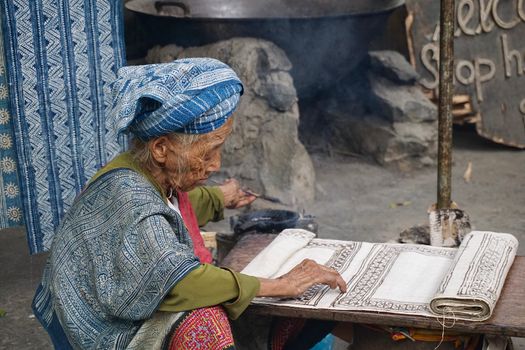
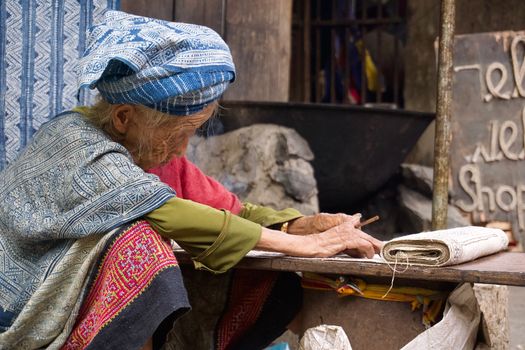
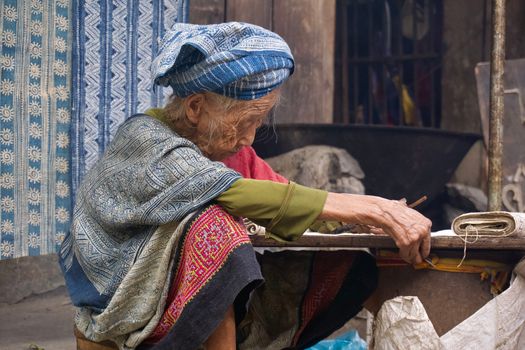
I was welcomed into a homestay by Mae, the woman who had guided me there. Her hands, I noticed, were permanently stained a beautiful, mottled blue, a living testament to her craft. Her smile was warm, her eyes crinkled with years of stories. Around her simple home, vibrant textiles hung drying, their deep blues and intricate patterns telling tales of generations. Clothes, blankets, baby carriers – each piece a masterpiece of patience and skill.
I watched, mesmerized, as other women in the village went about their daily tasks, often with a piece of cloth in hand, stitching or preparing dye. The rhythmic thud of a loom echoed from one of the houses. My initial curiosity quickly transformed into profound fascination. This wasn't just a craft; it was the very fabric of their lives, their identity, their connection to the land. I knew, almost instinctively, that I couldn't just pass through this place. I had to understand it. I had to feel it.
### The Deep Blue Secret – Unraveling the Art of Hmong Indigo
The heart of Ban Mai, I soon learned, beat to the rhythm of the indigo pot. The Hmong people here have been cultivating, processing, and dyeing with natural indigo for centuries. It's not just a skill; it's a sacred knowledge, passed down from mother to daughter, embodying their heritage and spirit.
The process, which I was fortunate enough to witness and eventually participate in, is nothing short of magical:
1. Cultivation: It begins with the indigo plant itself, Strobilanthes cusia, grown in small patches around the village. The leaves, surprisingly green, hold the secret to the blue.
2. Harvest and Fermentation: The mature leaves are harvested and then steeped in large wooden or ceramic vats of water, often with a touch of rice wine or ash, to begin the fermentation process. This is where the magic truly starts. Over several days, the leaves break down, releasing the indigotin. The liquid turns a murky green-brown.
3. Oxidation: Lime (calcium hydroxide, often derived from burnt seashells or limestone) is added, and the mixture is vigorously aerated – often by hand, splashing it repeatedly into the air. It's during this crucial step that the indigotin oxidizes, transforming the liquid from green to a frothy, vibrant blue foam. This is then allowed to settle, and the blue pigment separates, sinking to the bottom as a thick paste.
4. Dye Vat Preparation: The indigo paste is then carefully collected and added to a fresh vat of water, often with natural sweeteners like rice liquor or even fruit (like bananas) to 'feed' the vat and maintain its alkalinity. This living dye vat, often passed down for generations, is a delicate ecosystem, requiring constant care and attention.
5. Batik Waxing (Optional but Common): Before dyeing, many Hmong women apply intricate patterns to their hemp fabric using beeswax. This "resist dyeing" technique involves drawing designs freehand with a small, heated wax pen. Where the wax is applied, the dye won't penetrate, leaving stunning white patterns against the deep blue.
6. The Dyeing Cycles: The fabric – usually hand-spun hemp – is then immersed in the indigo vat. It comes out a sickly yellowish-green, which, upon exposure to air, slowly oxidizes before your very eyes, deepening to a rich blue. This process is repeated, sometimes 10, 20, or even 30 times, with careful washing and drying between each dip, to achieve the desired depth and intensity of color. Each dip adds another layer of blue, building complexity.
7. Finishing: After the final dye, the fabric is boiled to remove the wax (if batik was used), thoroughly rinsed, and then often pounded with a wooden mallet or polished with wax to give it a characteristic sheen and softness.
It's a process that demands immense patience, a deep understanding of natural chemistry, and a profound respect for the materials. It's a dance between human hands and the gifts of the earth, resulting in textiles that are not just beautiful, but imbued with soul.
### My Hands, My Heart, My New Home – Learning the Craft
My initial "just a few more days" quickly spiraled into weeks, then months. I couldn't tear myself away. Mae, with a quiet generosity that belied her formidable skill, took me under her wing. My first attempts at drawing batik patterns were clumsy, the wax bleeding where it shouldn't. My hands, initially pristine, soon bore the indelible mark of the indigo, a badge of honor I wore with pride.
Every morning, I'd wake with the sun, the mountain air cool against my skin, and join Mae and the other women. We'd prepare the indigo vats, stirring the liquid, checking its pH by taste and smell (a truly ancient method!). I learned to carefully dip the fabric, watching with bated breath as the green transformed to blue. I learned to draw precise lines with the wax pen, my movements becoming more fluid, more confident with each passing day.
The language barrier slowly dissolved, replaced by a shared rhythm of work and laughter. We communicated through gestures, smiles, and the universal language of shared purpose. I learned rudimentary Hmong phrases, enough to share meals, tell simple jokes, and express my gratitude. I participated in village festivals, danced to traditional music, and shared stories over smoky fires.
This wasn't just a workshop; it was an apprenticeship in a way of life. The hours spent with my hands in the indigo pot, the meticulous work of weaving, the communal meals, the simple yet profound daily routines – they began to strip away the layers of my "fast-paced blogger" identity. I was no longer just observing; I was participating. I was no longer just reporting; I was living. The transformation was subtle but profound. I felt a sense of belonging I hadn't anticipated, a quiet joy in the creation, and a deep appreciation for the unhurried pace of life. My first "perfect" batik piece, a small scarf with intricate patterns, felt less like a craft project and more like a piece of my soul woven into the fabric.
### Beyond the Blue – Life, Community, and Connection in Ban Mai
The indigo tradition, I realized, was merely an entry point into the rich tapestry of Hmong culture. Beyond the dye pots and looms, I discovered a vibrant community built on mutual support, respect for elders, and a deep connection to their ancestral lands.
Women, in particular, play a central role in preserving cultural heritage through their textile work. It's not just a source of income; it's a form of artistic expression, a way to tell stories, and a means of maintaining identity. Grandmothers teach mothers, who teach daughters, ensuring the intricate patterns and dyeing secrets are never lost. I saw this intergenerational wisdom in action every day, a beautiful continuum of knowledge.
My time in Ban Mai taught me the invaluable lesson of slowing down. In a world obsessed with speed and efficiency, the Hmong approach to indigo dyeing – a process that can take weeks or even months for a single garment – is a powerful counter-narrative. It taught me patience, meticulousness, and the beauty of handcrafted imperfections. I learned to appreciate the simple pleasures: the taste of freshly harvested rice, the warmth of a shared meal, the peaceful quiet of the mountains at dusk.
This experience fundamentally changed my perception of travel. It's not just about ticking off landmarks or capturing the perfect Instagram shot. It's about immersion, about allowing a place and its people to truly touch you, to change you from the inside out. I discovered that I wasn't just adopting a tradition; I was adopting a set of values: community, sustainability, reverence for nature, and the profound satisfaction of creating something beautiful with one's own hands. It felt like finding a missing piece of myself in the most unexpected corner of the world.
### Weaving Your Own Story – How You Can Experience Ban Mai's Indigo Magic
If the call of the indigo pot whispers to your soul, here's how you can embark on your own transformative journey to Ban Mai or a similar Hmong village in the Sapa region:
Getting There:
* Fly to Hanoi (HAN): This is your international gateway.
* Hanoi to Sapa (Lao Cai):
* Overnight Train: A popular and scenic option. Book a soft sleeper berth (around $30-50 one-way) from Hanoi's Tran Quy Cap station to Lao Cai. The journey takes about 8-9 hours. From Lao Cai, you'll need a bus or taxi for the final hour up to Sapa town.
* Luxury Bus/Limousine Van: Several companies offer comfortable sleeper buses or smaller, more luxurious vans (around $15-25 one-way) directly from Hanoi to Sapa. These are often quicker than the train.
* Sapa to Ban Mai (or similar remote village): Ban Mai is a fictionalized village, but many real Hmong villages like Ta Van, Cat Cat (though more touristy), or more remote ones around Sapa offer similar experiences.
* Pre-arrangement is Key: To find truly authentic experiences like mine, it's best to work with a reputable local guide or responsible tour operator in Sapa who specializes in cultural immersion and homestays. They can arrange transport and introductions. Expect to pay around $10-20 for a motorbike taxi (xe ôm) or shared minivan from Sapa, depending on the distance and your negotiation skills.
* Embrace Slow Travel: Don't rush. The journey itself is part of the experience.
Accommodation – Homestays & Cultural Immersion:
* Authentic Experience: The best way to experience Ban Mai is through a homestay. You'll live with a local family, share their meals, and witness daily life firsthand.
* Cost: Expect to pay around $10-25 per night, which often includes delicious home-cooked meals (breakfast, lunch, dinner). This money directly supports the local family.
* What to Expect: Simple, clean accommodation (often a shared room or private room with basic bedding), shared bathroom facilities (sometimes an outdoor squat toilet), and no frills. Embrace the simplicity; it's part of the charm.
* Responsible Tourism: Opt for homestays directly, rather than large hotels, to ensure your money benefits the community.
Indigo Dyeing & Batik Workshops:
* Availability: Many homestays and community centers in authentic villages now offer workshops. Ask your homestay host or guide.
* Duration & Cost:
* Half-day or Full-day workshop: Typically $30-70, depending on the materials used and the depth of the instruction. You'll usually get to dye a scarf or a small piece of fabric.
* Multi-day immersion: Some places offer longer programs for a deeper dive into the process, including growing, harvesting, and preparing the dye. Prices vary.
* What You'll Learn: The basics of indigo preparation, dipping, and often traditional batik drawing techniques. You'll leave with your own unique, handmade indigo creation.
Best Time to Visit:
* Spring (March-May): Pleasant temperatures, clear skies, blooming wildflowers, and lush green rice paddies. Ideal for trekking and outdoor activities.
* Autumn (September-November): Golden rice fields ready for harvest, vibrant festivals, and comfortable weather.
* Avoid Rainy Season (June-August): While beautiful in its own way, heavy rains can make trekking and road travel challenging.
Safety Tips for Rural Travel:
* Respect Local Customs: Dress modestly, especially when visiting homes or communal areas. Always ask permission before taking photos of people.
* Stay Hydrated & Carry Essentials: Bring a water bottle (and purification tablets/filter), snacks, sunscreen, and insect repellent.
* Inform Someone: Let your homestay host or a trusted friend know your plans if you're venturing out alone for a trek.
* Travel Insurance: Always have comprehensive travel insurance.
* Footwear: Bring sturdy, comfortable walking shoes, especially if you plan to trek.
* Local Guides: For longer treks or visits to very remote areas, hiring a local guide is highly recommended for safety and cultural insights.
Budget Tips:
* Homestays: Are inherently budget-friendly and offer incredible value with meals included.
* Eat Local: Stick to food prepared at your homestay or small village eateries. It's delicious and cheap.
* Bargain Respectfully: If buying crafts, a gentle negotiation is acceptable, but remember you're supporting artisans directly.
* Focus on Experiences: Prioritize the workshops and interactions over expensive souvenirs.
### The Thread That Binds – Why I Stayed, and Why You Might Too
My decision to extend my trip, and ultimately to integrate this Hmong tradition permanently into my life (I now regularly support their artisans, share their stories, and even dabble in natural dyeing myself back home), wasn't just about the beauty of the indigo. It was about the profound human connection, the sense of purpose I found in learning a dying art, and the peaceful rhythm of a life deeply entwined with nature.
Ban Mai offered me a mirror, reflecting back a simpler, more meaningful way of being. It showed me that travel isn't just about seeing what's out there, but about discovering what's within, about allowing yourself to be transformed by the places and people you encounter. It taught me that sometimes, the most profound adventures aren't found on a map, but in the quiet corners of the world, in the hands of a master artisan, and in the deep blue secrets of an indigo pot.
### More Than Just a Souvenir, It's a Soul-Stitch
My journey to Vietnam began with a checklist, but it ended with a revelation. The Hmong indigo tradition of Ban Mai didn't just add a few extra weeks to my itinerary; it added a new dimension to my soul. It was a stark reminder that true travel is an exchange, a giving and receiving, a willingness to let your planned path diverge into something infinitely more enriching.
So, I challenge you, fellow traveler: Are you ready to step off the beaten path? Are you ready to truly immerse yourself, to learn, to connect, and to let a place and its people weave a new story into the fabric of your life? Go forth, seek out these hidden traditions, and perhaps, like me, you'll find a piece of your heart indelibly stained with the magic of a local tradition, compelling you to stay just a little bit longer. What tradition has called to you? Share your stories in the comments below!
---
Visual journey


Tags
Share this adventure
Join the travel community
New adventures, cultural insights and travel inspiration, straight to your inbox.
We may receive a commission if you click on a link and buy a product, service or policy, at no extra cost to you. How affiliate links work.
Been there?