

That glossy hostel photo promised a vibrant oasis, but what I found was a chaotic, crumbly reality that launched me into an epic travel fail. Dive into my unfiltered story of the hostel that was *definitely* not like the photos, and discover how this unexpected detour became one of my most unforgettable (and instructional) adventures. ---
## The Hostel That Was Definitely Not Like the Photos
The tropical sun beat down on my excited face as I stepped off the overnight train into the bustling heart of Bangkok. My backpack felt lighter than usual, my spirit soaring. I had meticulously planned this solo backpacking trip across Southeast Asia, and my first stop, a "boutique hostel" with an "eco-chic vibe" and a "rooftop pool" – all for a mere $12 a night – was supposed to be the perfect landing pad. The photos on the booking site were incredible: sun-drenched common areas, sparkling clean dorms, a smiling barista serving artisanal coffee. I pictured myself sipping a smoothie by the pool, swapping travel tales with fellow adventurers.
Oh, how naive I was.
What unfolded over the next 48 hours was a masterclass in expectation versus reality, a hilarious (in retrospect) and utterly cringeworthy journey into the heart of what happens when a booking photo is less a promise and more a work of abstract art. This, my friends, is the story of the hostel that was definitely not like the photos, and the invaluable lessons it taught me about travel, resilience, and the art of looking very closely at reviews.
### The Illusion of the Online Listing: My Dream That Never Was
Let’s set the scene: I was browsing booking sites, months before my trip. I'd typed in "eco-friendly, social hostel, Bangkok," and there it was: "The Oasis Urban Retreat." The name alone whispered promises of tranquility amidst the city's chaos. The photos? Pure Instagram gold.
Imagine: A sun-drenched common area with reclaimed wood furniture, potted plants cascading from macramé hangers, and a chic chalkboard menu. The dorms boasted crisp white linens on custom-built bunk beds, individual reading lights, and power outlets. The bathrooms were spa-like, with rainfall showers and polished concrete. And the rooftop pool! A shimmering blue rectangle reflecting the Bangkok skyline, surrounded by comfy beanbags. All for $12. My inner budget traveler did a happy dance. I booked it instantly, feeling smug about my incredible find. It had a 7.8 rating, which, in my optimistic mind, meant "pretty good for the price." I ignored the handful of "meh" reviews; they were probably just picky travelers, right?
Fast forward to reality.
### Arrival Reality Check: Welcome to 'The Oasis' (of Dust and Despair)
Stepping out of the tuk-tuk, the first thing that hit me wasn't the sweet aroma of street food, but a faint, unidentifiable dampness mixed with stale cigarette smoke. The address led me down a narrow, shadowy alleyway, past overflowing bins and sleeping stray dogs. "This must be a shortcut," I thought, clutching my phone with the booking confirmation.
Then I saw it. A peeling, faded sign, barely legible: "The Oasis Urban Retr..." The last letters had long since vanished. The entrance was a grimy metal gate, half-open, revealing a dark, cavernous space. This was not the sun-drenched lobby from the photos. This was more like the lair of a forgotten urban legend.
Inside, the "reclaimed wood furniture" was splintered, stained plywood. The "potted plants" were dead, brittle husks in cracked plastic pots. The "chic chalkboard menu" was a greasy whiteboard with a single, smudged word: "Coffee." The air was thick and heavy, the kind that makes your clothes feel sticky the moment you walk in. A lone, despondent-looking traveler was slumped on a beanbag that had seen better decades, staring blankly at a wall. My heart sank faster than a lead balloon.
The receptionist, a young man with tired eyes, barely looked up from his phone. "Passport," he grunted, pointing vaguely towards a stack of crumpled forms. There was no friendly greeting, no offer of a welcome drink, just the heavy silence punctuated by the distant drone of Bangkok traffic. This was it. My $12 "eco-chic boutique hostel."
### Beyond the Bed: The 'Amenities' That Weren't
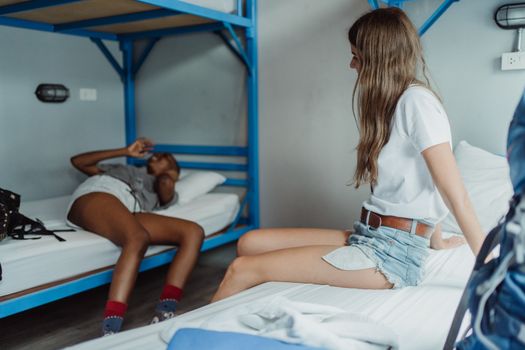
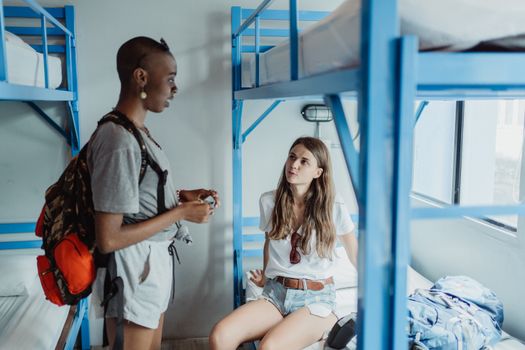
After a brief, unenthusiastic check-in, I was directed to my dorm. The hallway was dimly lit, reeking of mildew and something vaguely chemical. My "custom-built bunk bed" turned out to be a rusty metal frame with a mattress so thin I could feel the springs. The "crisp white linens" were grey, suspiciously stained sheets that looked like they'd been in a long, losing battle with a washing machine. Individual reading light? Power outlet? A single, flickering fluorescent tube hung precariously from the ceiling, and the only visible outlet was monopolized by a charging fan that rattled like a dying engine.
But the real pièce de résistance was the bathroom. The online photos had shown sparkling tiles and rainfall showers. The reality was a shared cubicle with a perpetually wet floor, a showerhead that dribbled a lukewarm trickle, and a toilet that looked like it hadn't seen a scrubbing brush since the hostel's "eco-chic" grand opening. The "polished concrete" was, in fact, just raw concrete, liberally splattered with... well, let's just say it added character. I quickly learned the art of the "hostel shower dance" – quick, strategic movements designed to minimize contact with any surface.
The "rooftop pool"? I found a rusted ladder leading to a padlocked trapdoor marked with a faded "No Entry" sign. The dream of sipping a smoothie by the pool dissolved into the humid Bangkok air.
### The Human Element: Shared Misery, Unexpected Camaraderie
Surprisingly, not all was lost. While the physical surroundings were a dismal failure, the human element of "The Oasis" proved to be its unexpected saving grace. The despondent traveler I’d seen earlier, a German named Klaus, turned out to be a seasoned backpacker with a dry wit and an impressive collection of "hostel horror stories." We bonded almost instantly over the shared absurdity of our situation.
"First time at one of these, eh?" he asked, a knowing smirk on his face as he watched me inspect my bed with a look of utter disbelief. "Welcome to the real Southeast Asia, my friend. What you see online... it's a suggestion, not a promise."
Over lukewarm instant coffee (the "artisanal" kind was nowhere to be found), Klaus shared tales of bedbugs in Vietnam, shared dorms with chickens in Laos, and a hostel in Cambodia where the "private room" was a tent in a backyard. His stories put my current predicament into perspective and, surprisingly, made me laugh.
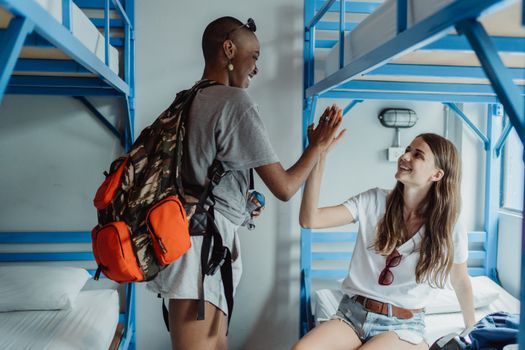
Later that evening, a young American woman named Sarah joined our impromptu "Survivor's Club." She’d arrived equally bewildered, clutching a printout of the glossy photos, her face a mixture of confusion and dismay. We spent the evening swapping travel tips, commiserating over the hostel's various failings, and sharing genuine laughter. We even ventured out for street food together, finding solace in the vibrant chaos of Bangkok outside our gloomy "Oasis." It was a stark reminder that even in the most uninspiring settings, connection with fellow travelers can turn a potential disaster into a memorable adventure. We collectively decided to move to a different hostel the next day, but not before documenting the absurdity with some darkly humorous photos.
### Surviving the Unthinkable: My Tips & Tricks for Hostels That Lie
My 48 hours at "The Oasis Urban Retreat" were an eye-opener. It taught me invaluable lessons about vetting accommodation and preparing for the unexpected. Here are my hard-won tips for surviving (and avoiding) a hostel that's definitely not like the photos:
1. Read All the Reviews (and filter by "Lowest Rated"): Don't just skim the high ratings. Pay close attention to the 1, 2, and 3-star reviews. These often contain the most honest and specific details about cleanliness, staff attitude, and actual conditions. Look for patterns in complaints.
2. Scrutinize the Photos:
* Look for inconsistencies: Does the lighting change drastically between rooms? Do some photos look professionally staged while others are blurry phone shots?
* Check for details: Are there specific amenities shown (e.g., individual power outlets, reading lights) that are absent in other photos? Zoom in on corners, floors, and less-glamorous areas.
* Reverse Image Search: A quick Google reverse image search can sometimes reveal if photos are stock images, from a different property, or heavily edited.
3. Cross-Reference Multiple Booking Sites: A hostel might have different photos or different reviews on various platforms (Booking.com, Hostelworld, Agoda, Google Maps). Compare them.
4. Google Street View & Satellite View: If available, use Google Street View to see the immediate surroundings of the hostel. Does it match the vibe depicted online? Satellite view can reveal if that "rooftop pool" is actually a tiny paddling pool or, in my case, non-existent.
5. Pack Smart for the Worst:
* Travel Towel: Always bring your own quick-dry towel.
* Flip-flops/Shower Shoes: Non-negotiable for shared bathrooms.
* Sleep Sheet/Liner: A lightweight silk or cotton sleep sack can provide a barrier between you and questionable bedding.
* Padlock: For lockers (if they even exist and aren't broken).
* Headlamp/Small Flashlight: For navigating dark dorms without disturbing others.
* Earplugs & Eye Mask: Essential for light sleepers in shared spaces.
* Small First Aid Kit & Hand Sanitizer: Always useful.
6. Have a Backup Plan (and some emergency cash): Know which other hostels are nearby, just in case you need to make a quick escape. Have enough local currency for a taxi or a night at a slightly nicer place if your chosen accommodation is truly unbearable.
7. Trust Your Gut: If something feels off when you arrive, it probably is. Don't be afraid to walk away and find somewhere else, even if it means losing a night's payment. Your comfort and safety are paramount.
### The Silver Lining: A Story for the Ages
Despite the initial disappointment and the mild discomfort, my experience at "The Oasis Urban Retreat" wasn't a total write-off. In fact, it's become one of my most recounted travel stories, often eliciting gasps, laughs, and nods of understanding from fellow travelers. It taught me several profound lessons:
* Resilience: It pushed me out of my comfort zone and taught me to adapt quickly to less-than-ideal situations.
* Humor: Finding humor in adversity is a powerful coping mechanism. Shared laughter with Klaus and Sarah transformed a frustrating situation into a memorable bonding experience.
Perspective: It made me appreciate every subsequent hostel that did* have clean sheets, working showers, and a semblance of the photos. It recalibrated my expectations for budget travel.
* The Kindness of Strangers: The camaraderie forged in shared misery was genuinely heartwarming. We exchanged contact info and even met up later in another city.
* The Importance of Due Diligence: This experience hammered home the need to thoroughly research accommodation, rather than just being swayed by pretty pictures and low prices.
This "hostel horror story" became a turning point, making me a savvier, more prepared traveler. It reminded me that travel isn't always about perfect sunsets and curated experiences. Sometimes, it's about the unexpected detours, the challenges overcome, and the raw, unfiltered reality of being on the road. And often, those are the stories we remember most vividly, the ones that truly shape us.
### Before You Book: Essential Due Diligence for Your Next Adventure
So, how do you avoid your own "Oasis Urban Retreat" moment? It boils down to thorough research and a healthy dose of skepticism.
Before clicking "Book Now":
* Check the Age of Reviews: Are the glowing reviews from five years ago, or are they recent? Hostels can change hands or decline quickly.
* Look for Specifics: Reviews that say "clean bathrooms" or "friendly staff" are more trustworthy than generic "great place!" comments.
* Photos from Travelers: Many booking sites allow travelers to upload their own photos. These are often far more accurate than the hostel's official shots. Prioritize these!
* Google Maps Satellite and Street View: As mentioned, this is a game-changer. You can virtually "walk" the street to the hostel and see its immediate environment. Is it in a dodgy alley or a bustling main street?
* Social Media Scrutiny: Search the hostel's name on Instagram or Facebook. Are there recent, un-filtered posts from actual guests? Do these photos match the official ones? If a hostel has a strong social media presence, it often indicates they care about their image and guest experience.
* Ask in Forums/Groups: Join Facebook backpacking groups or Reddit travel subreddits and ask for opinions on specific hostels. Real-time feedback from recent guests is gold.
When you arrive:
Do a Quick Scan: Before even taking off your backpack, do a quick visual check. Does it feel* right? Does it look clean?
* Check Your Bed: Look under the mattress, around the edges. Check for signs of bed bugs (small red/brown spots). If you see anything suspicious, request a different bed or room immediately.
* Secure Your Valuables: Always use a locker for your passport, money, and electronics. Even in a "good" hostel, petty theft can happen.
My time at "The Oasis" taught me that sometimes, the best adventures aren't the ones you plan for, but the ones that challenge you, make you laugh, and ultimately, leave you with a fantastic story to tell. It was a reminder that even when things go wrong, there's always a lesson to be learned, a new friend to be made, and a deeper appreciation for the simple comforts we often take for granted.
Don't let a bad experience deter you from the incredible world of budget travel. Instead, arm yourself with knowledge, a sense of humor, and maybe an extra pair of flip-flops. Happy travels, and may your hostels always be exactly like the photos!
---
What's your biggest hostel horror story or travel fail? Share it in the comments below! Let's build a community of savvy travelers who learn from each other's (mis)adventures!
---
Visual journey
Tags
Share this adventure
Join the travel community
New adventures, cultural insights and travel inspiration, straight to your inbox.
We may receive a commission if you click on a link and buy a product, service or policy, at no extra cost to you. How affiliate links work.
Been there?