

Forget what you know about finding places online. I stumbled upon a jazz club in Tokyo so deeply hidden, it feels like a secret handshake with the city itself. Prepare to be transported to a bygone era of soulful melodies and intimate whispers, an experience you simply won't find on any digital map. ---
The digital age promised us boundless information, every corner of the earth mapped, every experience reviewed. And for the most part, it delivered. From the highest mountain peaks to the most obscure street food stalls, a quick search often yields a treasure trove of data. But what if I told you that the most profoundly authentic and soul-stirring experiences are still out there, hiding in plain sight, deliberately untouched by the digital world? What if the true magic lies in the unfindable?
I’m talking about a place that defies algorithms, laughs in the face of GPS coordinates, and exists purely on the whispers of those in the know. I’m talking about a hidden jazz club in the heart of Tokyo, a city I thought I knew inside out, that isn't on Google Maps – and that, my friends, is its greatest charm.
It's a place I've returned to countless times, a personal sanctuary, a secret ritual. And today, I’m going to share its story, not its exact address (because some secrets are meant to be sought), but its essence, the journey of finding it, and why it has become the most precious gem in my travel diary.
### The Allure of the Unfindable: A Chance Encounter in Shinjuku
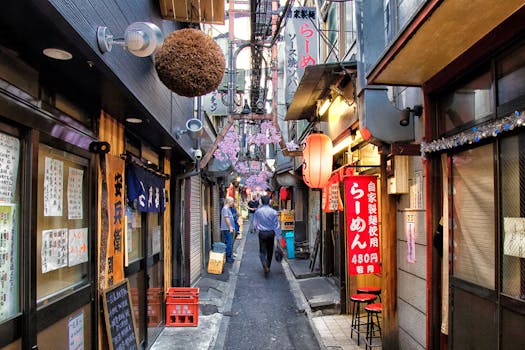
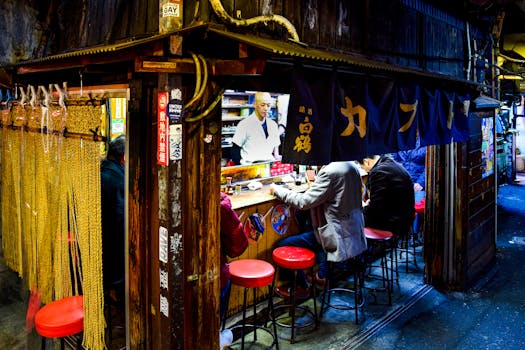
My journey to this extraordinary place began, as many great adventures do, with a dash of serendipity and a healthy dose of local guidance. It was my third trip to Tokyo, and I thought I had exhausted the city’s famed nightlife. From the pulsating energy of Shibuya's scramble to the electric buzz of Golden Gai’s micro-bars, I'd seen it all, or so I believed. One drizzly evening, sheltering in a tiny, nameless ramen shop deep in the labyrinthine alleys of Shinjuku, I struck up a conversation with the elderly proprietor. He was a man whose eyes held the stories of decades, a true Tokyoite.
As we chatted, fueled by steaming bowls of tonkotsu, I mentioned my love for jazz. His eyes twinkled. He leaned in, lowering his voice, and began to describe a place. Not with an address, but with a series of vague, almost poetic directions: "Turn right after the red lantern, then look for the door without a sign, listen for the bass." He drew a crude map on a napkin, a series of squiggly lines and X's, that looked less like a map and more like a treasure hunt clue. "No Google Maps," he chuckled, "you must feel your way there."
That night, armed with a cryptic napkin and a surge of excitement, I embarked on my quest. It felt like stepping into an analog world, a true adventurer in an age saturated with digital convenience. The thrill of the unknown, the deliberate absence of a safety net of reviews or directions, was intoxicating. It wasn’t just about finding a bar; it was about rediscovering the joy of discovery itself. And when I finally pushed open that unassuming door, the muffled sounds of a saxophone bleeding into the alley, I knew I had found something truly special.
### Stepping Back in Time: The Ambiance of a Bygone Era
The moment you step inside, the world outside – the neon glow of Shinjuku, the crowded streets, the constant hum of modern life – simply melts away. It's like walking into a carefully preserved time capsule, a portal to a mid-20th-century jazz club, perhaps in New York or Paris, but with an undeniable Japanese sensibility.
The air is thick with the scent of aged wood, a hint of good whisky, and the subtle sweetness of filtered cigarette smoke (yes, some traditional Japanese bars still permit it, adding to the authentic, albeit niche, atmosphere for those who appreciate it). The lighting is impossibly dim, cast by ornate, shaded lamps that barely illuminate the worn leather banquettes and the dark, polished bar. Every surface tells a story: the scuffed wooden floor, the framed, faded photographs of jazz legends adorning the walls, the subtly peeling wallpaper that hints at decades of soulful music.
It's a small space, seating perhaps thirty people at most, creating an immediate sense of intimacy. There's no stage in the traditional sense; the musicians set up in a corner, almost at eye level with the audience. This proximity is crucial to the experience. You don't just listen to the music; you feel it reverberate through the floorboards, through your very bones. The whole room becomes a living, breathing instrument.
The atmosphere is one of hushed reverence. Conversations are kept low, respectful. It's not a place for loud chatter or boisterous laughter; it's a place for quiet appreciation, for losing yourself in the moment. This cultural nuance – the Japanese respect for artistry and the shared experience – elevates it beyond just a bar. It’s a temple to sound.
### The Music: Soulful Sounds & Unforgettable Nights
And then, there's the music. Oh, the music. This isn't background noise; it's the beating heart of the establishment. The club hosts a rotating roster of local and sometimes international jazz musicians, each a master of their craft. From the soaring improvisations of a tenor saxophonist to the intricate rhythms of a drum solo, every note is delivered with passion and precision.
I've been fortunate enough to witness incredible performances here. One evening, a trio played a set of bebop that was so tight, so electrifying, it felt like the musicians were communicating telepathically. Another time, a melancholic trumpet solo filled the room, each note hanging in the air, a story of longing and beauty. I remember watching the pianist, his eyes closed, lost in the intricate dance of his fingers across the keys, completely oblivious to the world around him, drawing us all into his private universe of sound.
The beauty of such an intimate setting is the direct connection you forge with the artists. There's no barrier, no grand distance. You can see the subtle shifts in their expressions, feel the energy they pour into their instruments. It’s raw, it’s authentic, and it's utterly captivating. The genres vary – sometimes it's classic swing, other nights a more modern, experimental sound, but always, it’s undeniably jazz, played with a reverence that borders on spiritual.
The cover charge, typically ¥1000-¥3000 (approximately $7-$20 USD depending on the exchange rate and the night), is a small price to pay for such world-class artistry, and it directly supports these incredible musicians.
### The Experience Beyond the Music: Drinks & Company
Beyond the mesmerizing melodies, the club offers an experience that engages all senses. The bar itself is a work of art, tended by a quiet, attentive master mixologist who moves with an almost balletic grace. There's no flashy flair here, just meticulous craftsmanship.
The drink menu leans heavily into classic cocktails, executed flawlessly. Think perfectly stirred Old Fashioneds, crisp Gin and Tonics, and velvety Manhattans. But it's the whisky selection that truly shines, a testament to Japan's deep appreciation for the spirit. Rows of rare Japanese whiskies, alongside international single malts, line the backbar, each bottle holding the promise of a nuanced journey for the palate. If you're feeling adventurous, ask the bartender for a recommendation based on your preferences; their knowledge is encyclopedic.
Prices for drinks range from about ¥800-¥1500+ ($5-$10+ USD) for cocktails and whiskies, which is standard for a high-quality establishment in Tokyo. For budget-conscious travelers, sticking to local beers or a glass of sake can be a more economical choice, and still perfectly enjoyable.
The clientele is a fascinating mix: discerning locals, often solitary, lost in thought; quiet couples seeking an intimate evening; and a handful of in-the-know travelers, usually tipped off by a friend or a lucky encounter like mine. There's a shared understanding, a silent camaraderie among those who've found their way here. I've had some truly fascinating, albeit hushed, conversations with strangers at the bar, connections forged over a shared love for the music and the unique atmosphere. It’s a place where digital distractions are forgotten, and genuine human connection flourishes.
### The Quest: How to Find This Elusive Gem (Without Google Maps)
Now for the part you’ve been waiting for: how to find this place. As I said, there's no address, no pin on a map. But I can give you the tools, the mindset, and the general vicinity to aid in your own treasure hunt. This isn't about giving you a direct answer; it's about empowering you to experience the thrill of the chase.
1. Start in Shinjuku: The general area you're looking for is tucked away in the dense network of small streets and alleys that branch off from the main thoroughfares of Shinjuku, specifically towards the Golden Gai or Shinjuku Ni-chome areas. These areas are known for their incredibly small, independent bars and require a bit of adventurous spirit to navigate.
2. Look for Clues, Not Signs: The club does not have a prominent sign. Instead, look for subtle indicators. It could be an unassuming, slightly recessed door that looks like it belongs to an office building. It might have a tiny, hand-painted symbol or a faded sticker. The most reliable clue, as my ramen master hinted, is the sound. Listen for the low thrum of a bass, the distinct wail of a saxophone, or the gentle brush of drums. The music, though muffled, is your beacon.
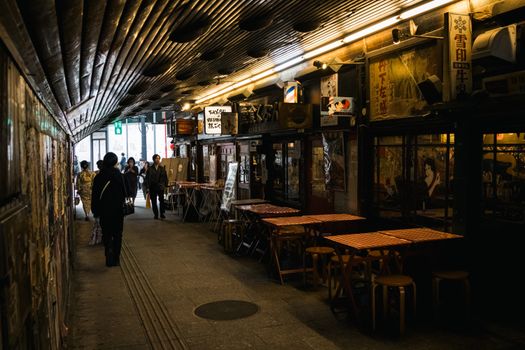
3. Embrace the Labyrinth: Tokyo’s backstreets are a maze. Don't be afraid to wander down narrow alleys, turn unexpected corners, and explore passages that seem to lead nowhere. This is where Tokyo truly reveals its secrets. It’s part of the adventure.
4. Ask a Local (Politely): If you find yourself truly lost but in the right general area, try asking a local shopkeeper or a bartender in a nearby izakaya (a Japanese pub). Frame your question politely: "Do you know of a small jazz bar around here, perhaps one that's a bit hidden?" Be respectful of their local knowledge and don't expect them to pull up a Google Map for you. The ramen shop owner’s tip was invaluable; sometimes, a genuine connection with a local is the best map.
5. Best Time to Visit: The club typically opens in the late evening, around 7 PM or 8 PM, and stays open until the wee hours. For a more intimate, less crowded experience, aim for a weeknight (Tuesday-Thursday). Weekends can be a bit livelier, but still maintain that respectful atmosphere.
Safety Tip:
While Tokyo is one of the safest cities in the world, always be aware of your surroundings, especially when exploring unfamiliar alleys at night. Travel with a friend if possible. The areas I've suggested (Golden Gai, Shinjuku Ni-chome) are generally safe and well-trafficked, but common sense is always your best companion.
### Why It's More Than Just a Club: A Cultural Dive
This jazz club is more than just a place to hear music; it’s a living testament to a particular facet of Japanese culture. The concept of omotenashi, or wholehearted hospitality, is evident in the meticulous care taken by the staff, from the perfectly crafted drinks to the quiet, respectful service. There's an underlying philosophy of appreciating craftsmanship, artistry, and the beauty of imperfection (wabi-sabi) that permeates the entire experience.
In a world obsessed with instant gratification and mass appeal, this club stands as an antidote. It celebrates slow travel, deep listening, and the joy of genuine discovery. It’s a place where you’re encouraged to disconnect from your phone, to be fully present, and to engage with the world around you in a more profound way. It reminds us that some of the greatest treasures are found when we step away from the screens and trust our instincts, our senses, and the wisdom of locals.
### My Personal Ritual & Why I Keep Returning
For me, returning to this hidden jazz club has become a cherished ritual whenever I’m in Tokyo. It's not just about the incredible music or the perfectly mixed drinks; it's about the feeling of belonging to a secret, a quiet rebellion against the over-digitized world. It's the thrill of the hunt each time (even though I now know the general path, I still love the feeling of rediscovering it). It’s the comfort of familiar faces – the barman’s subtle nod, the knowing glance with another patron.
It’s an experience that feels deeply personal, almost like a conversation with the city’s soul. It's a reminder that true luxury isn't about opulence, but about authenticity, intimacy, and the unique stories that only the unfindable places can tell. It’s a place that continually inspires me, fuels my wanderlust, and reminds me why I travel in the first place: to find the magic that lies beyond the obvious.
So, the next time you find yourself in the dazzling labyrinth of Tokyo, instead of reaching for your phone, tuck it away. Let your curiosity be your guide, your ears your compass. Wander down an unfamiliar alley, listen for the soulful cry of a saxophone, and perhaps, just perhaps, you too will stumble upon this extraordinary sanctuary. And when you do, raise a glass not just to the music, but to the enduring magic of the unmapped world.
Go forth, explore, and let the music guide you. And if you find your own hidden gem, tell us about it – or keep it to yourself, some secrets are best savored in silence.
---
Visual journey


Tags
Share this adventure
Join the travel community
New adventures, cultural insights and travel inspiration, straight to your inbox.
We may receive a commission if you click on a link and buy a product, service or policy, at no extra cost to you. How affiliate links work.
Been there?