
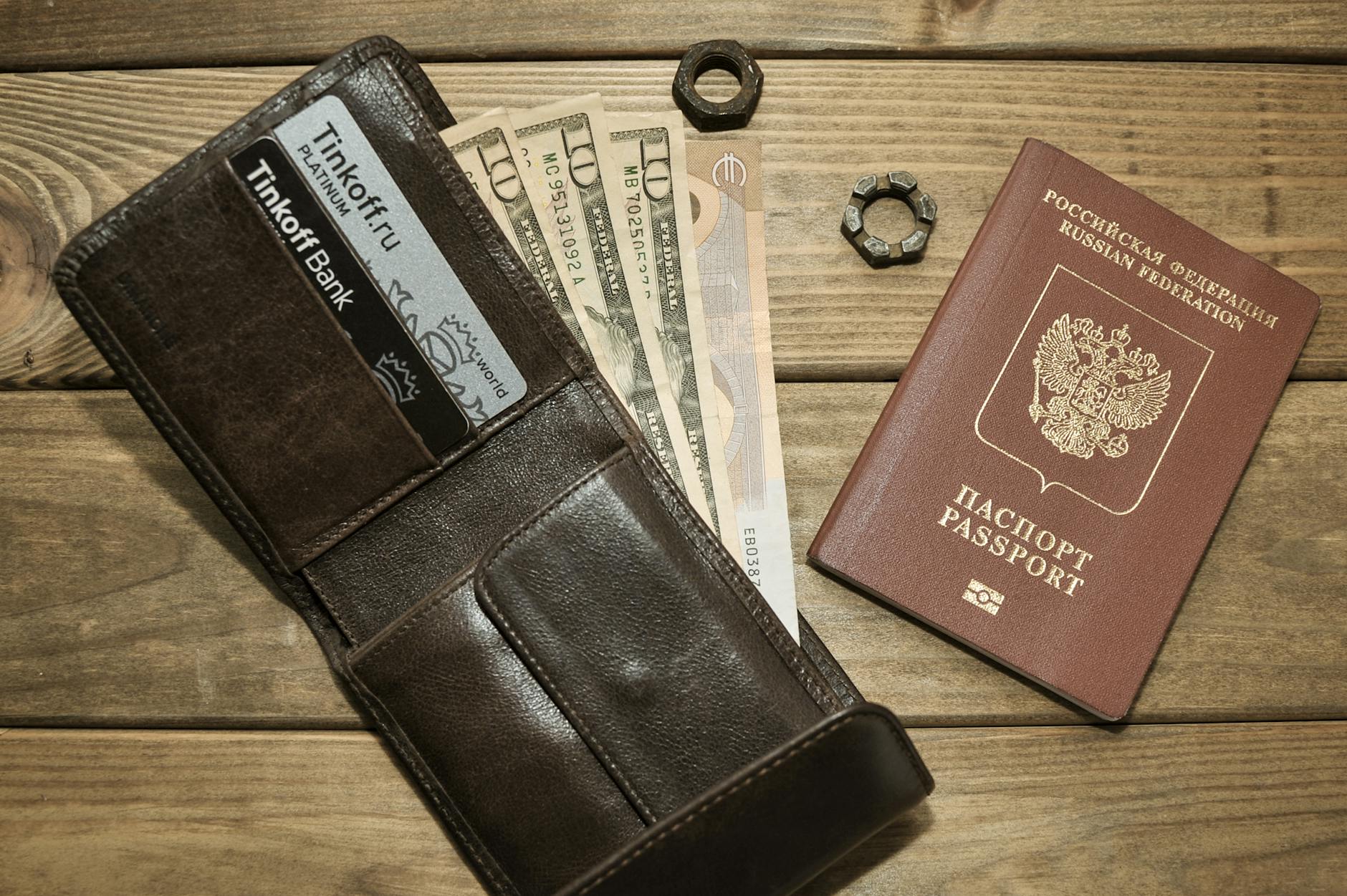
Ever felt like your bank was secretly siphoning off your travel budget with hidden fees? I certainly did, until I discovered this game-changing currency exchange hack. Get ready to ditch those sneaky charges and keep more money where it belongs: in your pocket, funding unforgettable adventures! ---
### The Secret Weapon My Bank Hates: How I Travel the World Without Losing a Penny to Hidden Fees
The vibrant chaos of a Bangkok night market, the serene beauty of a Kyoto temple, or the breathtaking views from a café in Lisbon – these are the moments we travel for. We save, we plan, we dream. But what if I told you that, for years, a silent saboteur was chipping away at my hard-earned travel budget, often without me even realizing it? My bank.
It hit me hard during my first big solo trip through Southeast Asia. I was meticulously tracking every baht spent on street food in Thailand, every dong on a motorbike taxi in Vietnam, every rupiah on a sarong in Bali. I felt like a financial wizard, squeezing every drop of value out of my budget. Then I got home, reviewed my statements, and saw it: a myriad of "foreign transaction fees," "ATM withdrawal charges," and unfavorable exchange rates that added up to hundreds of dollars – money that could have bought me an extra week of travel, another cooking class, or a dozen more mango sticky rices!
That sting of realization fueled a mission: find a way to beat the system, to reclaim my travel funds from the clutches of hidden bank fees. And after years of globetrotting, research, and a few valuable lessons learned the hard way, I cracked the code. This isn't some shady back-alley deal or a risky investment scheme. This is a legitimate, powerful currency exchange hack that your bank absolutely hates because it cuts into their profit margins – and it puts that money directly back into your travel fund.
Ready to unlock the secret and travel smarter? Let's dive in.
---
### The Silent Saboteurs: Understanding Why Your Bank Loves When You Travel
Before we reveal the hack, it's crucial to understand the enemy. Banks aren't charities; they're businesses. And when you travel internationally, they see a golden opportunity to make a little extra cash off your wanderlust. Here's how:
1. Foreign Transaction Fees: This is the most common culprit, often 1-3% of every single purchase you make with your credit or debit card abroad. Buy a €5 coffee in Paris? That's an extra €0.15. Spend $1000 on a hotel in Rome? That's $30 gone, just like that. It adds up quickly and silently.
2. ATM Withdrawal Fees (Your Bank's & the Local Bank's): When you pull cash from an ATM overseas, you're usually hit with a double whammy. Your bank might charge you a flat fee (e.g., $5) for using an "out-of-network" ATM, and the local ATM operator often charges their own fee. I once paid $10 in fees to withdraw $100 in a remote village in Peru – a staggering 10% tax on my own money!
3. Unfavorable Exchange Rates: While often less transparent, banks and currency exchange kiosks (especially at airports or tourist traps) often offer exchange rates that are significantly worse than the interbank rate. This means you're getting less local currency for your home currency, effectively losing money on the conversion itself.
4. Dynamic Currency Conversion (DCC): The Sneaky Swindle: This is perhaps the most insidious. When you pay by card or withdraw from an ATM, you might be asked if you want to be charged in your home currency (e.g., USD) or the local currency (e.g., Euros). Always choose the local currency! If you choose your home currency, the local merchant or ATM operator applies their own, usually much worse, exchange rate, often tacking on an additional fee for the "convenience." I once unknowingly fell for this in a shop in Portugal, only to realize later that I'd paid an extra 5% for a souvenir. Never again!
---
### The Core Hack: Your Plastic Passport to Fee-Free Travel
The absolute cornerstone of my bank-hating currency exchange strategy revolves around your payment cards. Forget carrying wads of cash or relying on traditional bank cards. The secret lies in specific types of credit and debit cards designed for international travelers.
#### 1. The No-Foreign-Transaction-Fee Credit Card: Your Primary Powerhouse
This is your MVP. Many travel-focused credit cards, and even some general rewards cards, come with no foreign transaction fees. This means you can swipe your card for purchases abroad just as you would at home, without that pesky 1-3% surcharge.
What to look for:
* 0% Foreign Transaction Fees: Non-negotiable. Check the fine print!
* No Annual Fee (or a fee offset by benefits): If you're not a frequent traveler, an annual fee might outweigh the savings. However, some premium travel cards (like the Chase Sapphire Preferred or Capital One Venture) have annual fees but offer incredible rewards, travel insurance, and other perks that can easily justify the cost for savvy travelers.
* Fraud Protection: Standard on most major credit cards, this offers peace of mind if your card is lost or stolen.
* Travel Rewards/Points: Rack up points on your international spending, which you can then redeem for flights, hotels, or cash back for future adventures. Imagine earning a free flight just by using your card for everyday expenses on your trip!
* Travel Insurance Benefits: Many cards offer complimentary travel insurance, including trip cancellation/interruption, baggage delay, and rental car insurance. This saved me a huge headache when my luggage was delayed for 24 hours in Colombia; the card's insurance covered essentials until it arrived.
My Personal Anecdote:
On a two-week trip through Italy, exploring everything from the bustling markets of Florence to the quiet charm of Positano, I used my no-foreign-transaction-fee credit card for everything from train tickets to restaurant bills. I estimate I saved well over $100-150 in fees alone, money I happily spent on an extra gelato (or three!) and a beautiful leather bag I bought from a local artisan.
#### 2. The ATM-Fee-Refund Debit Card: Your Cash Machine Savior
While credit cards are fantastic for most purchases, cash is still king in many parts of the world – think street food vendors in Thailand, small guesthouses in Vietnam, local markets in Morocco, or even just tipping your guide in Peru. This is where a specialized debit card comes in.
Certain online banks and brokerages offer debit cards that refund all ATM fees worldwide, including both your bank's fee and the local ATM operator's fee. This is a game-changer!
What to look for:
* Worldwide ATM Fee Refunds: The key feature.
* No Foreign Transaction Fees: Essential for any card used abroad.
* No Monthly Maintenance Fees: Keep it simple and cheap.
My Personal Anecdote:
During my month-long backpacking trip through Japan, I relied heavily on cash for smaller purchases, ramen shops, and temple entrance fees. With my fee-free debit card, I'd withdraw larger sums (e.g., 30,000 JPY or about $200 USD) from 7-Eleven or Japan Post ATMs, knowing every single yen of the local ATM fee would be reimbursed. Over the course of the month, this amounted to easily $50-70 in saved fees – enough for several delicious bowls of ramen and a few charming souvenirs from Kyoto. It felt like I was literally printing money compared to my old bank's charges!
Actionable Tip:
Apply for these cards well in advance of your trip! It can take a few weeks to get approved and receive your cards. Also, make sure to activate them and set up online banking before you leave.
---
### Mastering the ATM: Your Best Friend (with Critical Caveats)
Even with the right debit card, using ATMs abroad requires a smart approach to maximize savings and ensure security.
1. Always Choose Local Currency (DCC Trap Alert!): This cannot be stressed enough. When an ATM or point-of-sale terminal asks if you want to be charged in your home currency (e.g., USD) or the local currency (e.g., EUR), ALWAYS choose the local currency. Choosing your home currency means the ATM operator or merchant processes the conversion at their usually awful rate, plus extra fees. Choosing local currency ensures your bank (which offers the better rate on your fee-free card) handles the conversion. This single tip can save you 3-10% on every transaction.
2. Withdraw Larger Amounts, Less Frequently: Even with an ATM-fee-refund card, it’s good practice to minimize withdrawals. If you're in a country where local ATMs charge a fee (even if your card refunds it), you still want to avoid the hassle of frequent trips. Plus, it's safer to carry a reasonable amount of cash rather than constantly exposing your card at various ATMs.
3. Stick to Bank-Branded ATMs: For security, always use ATMs attached to reputable banks, especially during business hours. Avoid standalone ATMs in dimly lit alleyways or tourist traps, as these are more susceptible to skimmers (devices that steal your card information). In Japan, 7-Eleven ATMs are ubiquitous and reliable. In Europe, look for major bank names like BNP Paribas, Santander, or HSBC.
4. Inform Your Bank of Your Travel Plans: A quick call or online notification to your bank (for both credit and debit cards) before you leave can prevent your card from being flagged for suspicious activity and frozen. There's nothing worse than being stranded in a foreign country with a suddenly non-functional card!
---
### Beyond the Plastic: Smart Cash Management & Local Insights
While your fee-free plastic is your primary weapon, understanding when and how to use cash is still vital for a smooth travel experience.
* When Cash is King:
* Local Markets & Street Food: In places like Vietnam, Thailand, or Mexico, cash is essential for delicious, cheap street food and bargaining at local markets.
* Small Vendors & Taxis: Many small shops, local buses, or independent taxis (especially in less developed regions) prefer or only accept cash.
* Tipping & Small Purchases: Having small denominations of local currency is perfect for tipping guides, hotel staff, or making quick purchases like a bottle of water.
* Remote Areas: Outside of major cities, card infrastructure might be limited or non-existent.
Small Denominations are Your Friend: When you withdraw cash, try to get a mix of denominations. A large bill can be hard to break in a small shop, and you don't want to be that* tourist paying for a €2 coffee with a €50 note in Italy.
* The Emergency Stash: Always carry a small amount of USD or EUR (crisp, new bills are best) in a separate, secure place as an emergency backup. This can be exchanged in a pinch or used for visa fees.
* Cultural Context: In some cultures, haggling is expected (e.g., souks in Morocco), and cash gives you leverage. In others, like Japan, cash transactions are often very precise and respectful. Observe local customs around money; it's part of the travel experience!
My Personal Anecdote:
Wandering through the bustling souks of Marrakech, Morocco, I quickly realized that cash was the only way to truly engage with the vendors. My fee-free debit card allowed me to withdraw Moroccan Dirhams without worry, and having smaller bills meant I could haggle for spices, lamps, and leather goods, enjoying the cultural dance of negotiation. It wasn't just about saving money; it was about participating authentically.
---
### Real-World Savings: My Colombian Coffee & Caribbean Coast Adventure
Let me paint a picture with a recent trip to Colombia. My partner and I spent three weeks exploring the vibrant streets of Medellín, the lush coffee regions of Salento, and the sun-drenched beaches of Cartagena. Colombia is a fantastic destination, offering a mix of modern cities and traditional charm, where both card and cash are widely used.
How the Hack Played Out:
* Medellín: In the trendy El Poblado neighborhood, our no-foreign-transaction-fee credit card was perfect for boutique hotels, upscale restaurants, and even tickets for the MetroCable, offering stunning city views. Every swipe meant 0% foreign transaction fees and points towards our next flight. We saved probably $50-70 just in this city compared to using a regular card.
* Salento (Coffee Region): Here, cash became more important. For our charming guesthouse in the Cocora Valley, paying for horseback riding tours, and picking up artisanal coffee beans at local farms, cash was preferred. My ATM-fee-refund debit card was a lifesaver. I withdrew a larger sum of Colombian Pesos (COP) at a Bancolombia ATM in Salento, knowing I wouldn't be dinged by fees. This allowed us to fully immerse ourselves in the local economy, buying fresh fruit from street vendors and small handicrafts directly from artisans.
* Cartagena: Back to a mix! Fine dining in the walled city, boat tours to the Rosario Islands, and boutique souvenir shops took our credit card. But for quick empanadas from a street cart or a refreshing mango biche, cash was king. The flexibility of having both cards, knowing neither would incur fees, was priceless.
The Total Impact:
Over three weeks, with hotel stays, countless meals, tours, and souvenirs, I estimate we saved at least $200-$300 in banking fees and unfavorable exchange rates. That's enough for a fantastic multi-course tasting menu in Cartagena, or a domestic flight within Colombia, or even a few extra nights in a cozy guesthouse. It’s money that went directly into enriching our experience, not into my bank’s pockets.
Instagram-Worthy Moment:
Capturing the vibrant street art of Medellín, knowing every purchase I made to support local artists and businesses was fee-free, felt incredibly liberating. Or sipping fresh coffee on a farm in Salento, the cost of which was purely the local price, not inflated by hidden fees. These moments, unburdened by financial anxiety, truly become unforgettable.
---
### Advanced Tips & Final Preparations
To truly master this currency exchange hack, consider these additional tips:
* Have Backup Cards: Never travel with just one card. Keep a primary credit card, a primary debit card, and a backup of each (from a different issuer/network if possible) in separate, secure locations. If one is lost, stolen, or compromised, you won't be stranded.
* Monitor Exchange Rates: Use apps like XE Currency or Google's currency converter to get a real-time idea of the current exchange rate. This helps you gauge if you're getting a fair deal.
* Budgeting Apps: Apps like Mint, YNAB, or even a simple spreadsheet can help you track your spending in local currency and convert it back to your home currency, ensuring you stay within budget.
* Digital Wallets: If your phone supports Apple Pay, Google Pay, or Samsung Pay, link your no-foreign-transaction-fee credit card to it. Many places worldwide now accept contactless payments, offering an extra layer of security as your physical card details aren't exposed.
* Understand Visa/Mastercard vs. Amex/Discover: Visa and Mastercard are almost universally accepted worldwide. American Express and Discover have less global acceptance, so while they might offer great rewards, they shouldn't be your only option abroad.
---
### Reclaim Your Travel Budget, One Fee-Free Swipe at a Time!
The open road, the unknown horizon, the thrill of discovery – that's what travel is all about. And the last thing you want is to have your hard-earned travel funds silently eroded by banking fees. This currency exchange hack isn't just about saving money; it's about empowerment. It's about taking control of your travel budget, making your money work harder for you, and ensuring that every dollar, euro, or baht goes towards creating incredible memories, not enriching your bank.
I've seen the difference this strategy makes firsthand, turning hundreds of dollars in potential fees into extra experiences, delicious meals, and unique souvenirs. It's a simple, legal, and incredibly effective way to stretch your travel budget further.
So, what are you waiting for? Start researching those fee-free cards, plan your next adventure, and get ready to tell your bank you're taking your money back. Your next incredible journey, unburdened by hidden fees, awaits!
Have you used these strategies? What are your favorite tips for saving money on currency exchange? Share your experiences in the comments below!
---
Visual journey



Tags
Share this adventure
Join the travel community
New adventures, cultural insights and travel inspiration, straight to your inbox.
We may receive a commission if you click on a link and buy a product, service or policy, at no extra cost to you. How affiliate links work.
Been there?