
Forget quick bites and hurried coffees – the Turkish kahvaltı is an epic journey for your senses, a sprawling breakfast feast that’s as much about connection and culture as it is about food. Join me as we dive fork-first into this incredible tradition, discovering how a single meal can unlock the heart of Turkey.
## The Breakfast That's Also a Cultural Experience: Unlocking Turkey Through its Kahvaltı
The chaos of Istanbul was a symphony of horns, haggling, and the insistent call to prayer echoing across minarets. It was my first solo trip to Turkey, and after a restless night navigating a new city, I felt a familiar pang of travel fatigue. I needed fuel, something beyond the usual hotel buffet. I craved authenticity, a taste of the real Istanbul. Little did I know, I was about to stumble upon a breakfast that would not only satisfy my hunger but profoundly shift my understanding of Turkish culture – the legendary kahvaltı.
I followed a recommendation from a local shopkeeper, weaving through narrow, fragrant streets in Karaköy until I found a small, unassuming café. The air was thick with the scent of freshly baked bread and brewing tea. I ordered "Turkish breakfast," imagining a simple plate of eggs and toast. What arrived, however, was a table-groaning, eye-popping, vibrant tapestry of food so immense, I wondered if I’d accidentally ordered for a small army.
This wasn't just a meal; it was an event, a celebration, a vibrant portal into the heart of Turkey. From that moment on, I realized that the Turkish kahvaltı isn't merely breakfast; it’s an immersive cultural experience, a ritual of slow living, connection, and unparalleled hospitality. And trust me, once you experience it, you’ll never look at breakfast the same way again.
### The Anatomy of a Kahvaltı: A Symphony of Flavors and Textures
Imagine a sprawling canvas, but instead of paint, it’s covered with an intoxicating array of small dishes, each a burst of color and flavor. That’s kahvaltı. The word itself, kahvaltı, literally means "before coffee" (kahve-altı), hinting at a time when a hearty meal was essential before indulging in the strong Turkish coffee. This isn't your grab-and-go cereal; it's a leisurely feast designed to be savored for hours, fostering conversation and camaraderie.
Let's break down the essential components you'll likely encounter:
The Cheeses (Peynirler): A good kahvaltı will feature at least two or three varieties. Beyaz peynir (white cheese), similar to feta but often creamier and less salty, is a staple. You might also find tulum peyniri, a crumbly, aged goat or sheep cheese with a distinct tangy flavor, and kaşar peyniri*, a semi-hard yellow cheese. Each offers a unique texture and taste, perfect for pairing with fresh bread.
* Olives (Zeytinler): Forget your standard black or green olives. Turkish olives are often plump, oil-cured, and come in various marinades – some spicy, some herby, always intensely flavorful. They’re a salty counterpoint to the sweeter elements.
Jams, Honey & Cream (Reçeller, Bal & Kaymak): This is where the indulgence truly begins. Expect small bowls of homemade fruit jams – sour cherry, fig, apricot – vibrant and sweet. But the true star is bal kaymak*: thick, clotted buffalo cream, often served with a generous drizzle of golden honey. The combination is pure, unadulterated bliss, especially spread on warm, fresh bread.
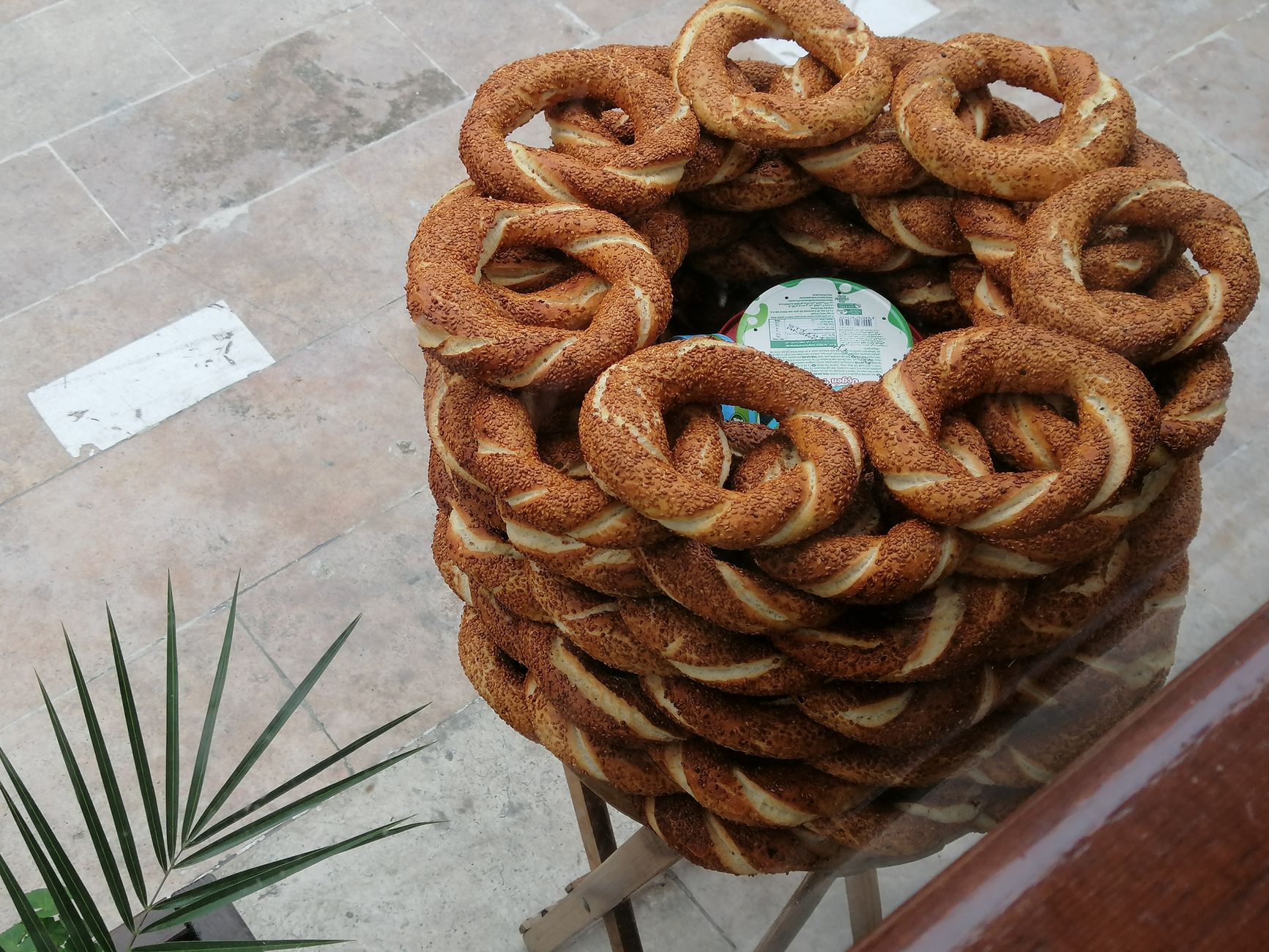
The Breads (Ekmekler): No kahvaltı is complete without an assortment of fresh breads. You’ll find slices of rustic village bread (köy ekmeği), often still warm, and perhaps açma, a soft, buttery, ring-shaped bread. And, of course, the iconic simit*, a sesame-crusted bread ring, crisp on the outside and chewy within, perfect for dipping into everything.
Eggs (Yumurta): While simple fried eggs (sahanda yumurta) are common, the showstopper is often menemen*. This delightful dish features eggs scrambled with finely diced tomatoes, green peppers, and sometimes onions, cooked in a copper pan and often seasoned with red pepper flakes. It’s savory, slightly spicy, and incredibly comforting.
Meats (Et Ürünleri): For a heartier kahvaltı, you might find slices of sucuk (spicy cured beef sausage), often pan-fried, or delicate, paper-thin slices of pastırma* (air-dried cured beef, similar to pastrami). These add a rich, savory depth to the spread.
* Fresh Vegetables (Sebzeler): To balance the richness, a plate of fresh, crisp cucumber slices, juicy tomatoes, and vibrant green peppers is always present, offering a refreshing crunch.
Spreads & Dips: Don't be surprised to find bowls of tahini and pekmez (sesame paste and grape molasses), a surprisingly delicious sweet and nutty combination, or ezme*, a spicy tomato and walnut dip.
Endless Tea (Çay): And finally, the lifeblood of Turkish social life – çay*. Served in elegant, tulip-shaped glasses, black tea flows continuously. It’s not just a drink; it's an invitation to linger, to talk, to relax.
The beauty of kahvaltı lies in its variety and the freshness of its ingredients. Many establishments pride themselves on sourcing local, organic produce, making each bite a true taste of the region.
### Beyond the Plate: Kahvaltı as a Cultural Ritual
My first kahvaltı experience taught me that this meal is far more than just sustenance. It's a profound cultural ritual, a cornerstone of Turkish social life that reflects the values of hospitality, community, and keyif – the art of enjoying life's simple pleasures.
* A Communal Affair: Kahvaltı is rarely a solitary meal. It’s meant to be shared with family and friends, a perfect excuse to gather, catch up, and spend quality time together. The sprawling nature of the spread naturally encourages sharing and passing dishes around, fostering connection. My own experience, sharing the massive table with new friends I'd met at the cafe, cemented this feeling of instant community.
* The Art of Slow Living: In our fast-paced world, kahvaltı is a refreshing antidote. It's a meal that demands you slow down, savor each bite, and engage in unhurried conversation. Weekends are often reserved for leisurely kahvaltı sessions that can easily stretch for two or three hours, often merging into lunch. It’s a deliberate pause, a mindful indulgence.
* Turkish Hospitality (Misafirperverlik): Turkish culture is renowned for its warmth and hospitality, and kahvaltı embodies this spirit perfectly. When you’re invited to a Turkish home for kahvaltı, you’re not just a guest; you’re family. And even in cafes, the generous portions and attentive service reflect this ingrained desire to ensure guests are well-fed and comfortable.
* The Çay Ceremony: The constant flow of tea is central to the kahvaltı experience. It’s offered tirelessly, a symbol of welcome and an invitation to extend your stay. Each small glass of hot, strong black tea is a comforting presence, warming the hands and stimulating conversation. Refusing a refill is almost unheard of; it’s a gesture of appreciation to accept.
It’s this holistic experience – the food, the company, the pace, the tea – that elevates kahvaltı from a mere meal to a deeply immersive cultural journey. It's a tradition that truly captures the soul of Turkey.
### Where to Find Your Perfect Kahvaltı: From Bustling Bazaars to Bosphorus Views
While you can find kahvaltı almost anywhere in Turkey, Istanbul, with its diverse neighborhoods and vibrant food scene, offers an unparalleled range of experiences. Here are a few recommendations, catering to different budgets and vibes:
1. Van Kahvaltı Evi (Cihangir & Nişantaşı): This is where many Istanbulites go for an authentic, delicious kahvaltı. With branches in trendy Cihangir and upscale Nişantaşı, Van Kahvaltı Evi (named after the eastern Turkish city known for its breakfast culture) serves up generous, traditional spreads. The atmosphere is bustling and lively, popular with locals and in-the-know tourists.
* Vibe: Authentic, lively, popular.
* Price: Mid-range. Expect to pay around ₺250-₺400 per person for a comprehensive spread, depending on what you order (as of late 2023/early 2024; prices can fluctuate). Add-ons like menemen or sucuklu yumurta are usually extra but worth it.
* Getting there: Easily accessible by tram (T1 line to Tophane for Cihangir) or metro (M2 line to Osmanbey for Nişantaşı).
2. Namlı Gurme (Karaköy): If you love variety and a "build-your-own" concept, Namlı Gurme is your spot. It's a high-end deli where you select your cheeses, olives, cured meats, and spreads from a dazzling display, paying by weight. They'll then bring it to your table, along with fresh bread and tea. The atmosphere is energetic, located right in the heart of the bustling Karaköy district, perfect for people-watching.
* Vibe: Modern deli, bustling, customizable.
* Price: Mid to high-range, depending on your choices. You can easily spend ₺300-₺500+ per person if you go all out, but you have control over the cost.
* Getting there: Located steps from the Karaköy tram station (T1 line).
3. Emirgan Sütiş (Bosphorus Shore): For a more upscale experience with breathtaking views, Emirgan Sütiş is an Istanbul institution. Situated right on the Bosphorus, this classic spot offers a refined kahvaltı in a beautiful setting. While pricier, the panoramic views of the strait and the elegant ambiance make it a memorable splurge. It's perfect for a special occasion or if you want to soak in Istanbul's iconic scenery.
* Vibe: Elegant, classic, stunning Bosphorus views.
* Price: High-range. Expect ₺400-₺700+ per person for a full spread and drinks.
* Getting there: Best reached by taxi or bus along the Bosphorus shore. You could also take a ferry to Emirgan and walk.
4. Local Mahalle (Neighborhood) Cafes: For the most authentic, budget-friendly kahvaltı, venture into a local mahalle (neighborhood). Look for small, unpretentious cafes with simple outdoor seating where locals are gathered, chatting over endless glasses of tea. These spots might not have English menus, but pointing and smiling goes a long way. The ingredients are often sourced from nearby markets, offering an incredibly fresh and genuine experience.
* Vibe: Local, authentic, quiet, immersive.
* Price: Budget-friendly. You can often get a decent kahvaltı for ₺150-₺250 per person.
* Getting there: Explore neighborhoods like Kadıköy (Asian side), Balat, or Fener. Public transport (metro, tram, ferry) will get you to these areas, then explore on foot.
Beyond Istanbul:
If you venture outside the city, particularly to rural areas or towns like Bursa, you might find "köy kahvaltısı" (village breakfast), which is often even more rustic, featuring homemade cheeses, jams from local fruits, and bread baked in traditional ovens. These experiences are truly special and often incredibly affordable.
### Practical Tips for Your Kahvaltı Adventure
To truly maximize your Turkish breakfast experience, keep these practical tips in mind:
* Go Hungry (Seriously!): This isn't a light meal. Skip dinner the night before or plan for it to be your main meal of the day. You’ll need every bit of stomach space.
* Go with Company: Kahvaltı is designed for sharing. Not only does it make the experience more social and fun, but it also allows you to try more dishes without feeling overwhelmed. Plus, it can help split the cost of a large spread.
* Pace Yourself: It’s a marathon, not a sprint. Don't feel pressured to eat everything at once. Linger over your tea, chat, and slowly work your way through the delicious offerings.
* Learn a Few Phrases: While many tourist-facing establishments will have English speakers, learning a few Turkish phrases will enhance your experience. "Teşekkür ederim" (thank you), "Çay, lütfen" (tea, please), and "Afiyet olsun!" (enjoy your meal!) will be greatly appreciated.
* Budgeting Wisely: As mentioned, prices vary significantly. For budget travelers, seek out local neighborhood spots or smaller, less flashy cafes. For a splurge, consider a Bosphorus-view restaurant for the ambiance. Always check recent reviews or menus for current pricing as inflation can impact costs.
* Best Time to Go: Weekends are prime kahvaltı time for locals, meaning popular spots can get very busy. Arrive early (around 9-10 AM) to secure a good table, or consider a weekday for a more relaxed experience. Late morning is ideal, allowing you to enjoy a long, leisurely meal that covers both breakfast and lunch.
* Getting Around Istanbul: Istanbul has an excellent public transport system (Istanbulkart is a must). Trams (T1 line) are great for historical areas and Karaköy, while the Metro serves wider areas. Ferries offer scenic routes across the Bosphorus. Taxis are available but ensure they use the meter.
* Safety Tips: Istanbul is generally safe, but like any major city, be mindful of your belongings, especially in crowded tourist areas or on public transport. Use reputable taxi services or ride-sharing apps, and always trust your gut.
### Making it Shareable & Instagram-Worthy
Let's be real: a Turkish kahvaltı spread is a feast for the eyes as much as it is for the stomach. It's practically begging to be photographed and shared!
* Overhead Shots are King: Capture the entire glorious spread from above. The vibrant colors, the array of small dishes, and the rustic presentation make for stunning flat lays.
* Focus on Details: Get close-ups of specific dishes – the bubbling menemen, the glistening honey and kaymak, the perfect swirl of a simit. Highlight the textures and freshness.
* Capture the Ambiance: Don't forget the setting. Whether it's a cozy cafe interior with natural light, a bustling street scene, or the iconic Bosphorus as your backdrop, let your photos tell the story of where you are.
* Human Element: A candid shot of friends reaching for a dish, hands pouring tea, or simply enjoying the moment adds warmth and authenticity.
* Storytelling Captions: Share your personal experience, describe the flavors, and convey the cultural significance. Ask questions to engage your audience!
* Essential Hashtags: #TurkishBreakfast #KahvaltıGoals #IstanbulFood #CultureOnAPlate #TravelTurkey #FoodieAdventure #Tripsora #EatLikeALocal #BreakfastOfChampions #TravelGram
Your kahvaltı photos will undoubtedly inspire wanderlust and make your followers green with envy – in the best possible way!
### Conclusion: Beyond the Meal, Into the Heart of Turkey
My first Turkish kahvaltı was more than just a meal; it was an awakening. It taught me that travel isn't just about seeing famous landmarks; it's about immersing yourself in the everyday rituals that define a culture. It's about slowing down, connecting with people, and savoring the simple, yet profound, pleasures of life.
The kahvaltı, with its endless bounty, its emphasis on shared moments, and its quiet insistence on lingering, encapsulates the very essence of Turkish hospitality and the country's rich cultural tapestry. It’s a testament to the idea that some of the deepest cultural insights come not from museums or monuments, but from the warmth of a shared table.
So, when you plan your next adventure to Turkey, don't just book a flight and a hotel. Plan your kahvaltı. Seek out a local spot, gather your companions, and prepare to embark on a culinary and cultural journey that will nourish not just your body, but your soul. You’ll leave with a full stomach, a happy heart, and a profound appreciation for a tradition that truly is a cultural experience on a plate.
Have you experienced the magic of Turkish Kahvaltı? Or is there another breakfast experience that truly defines a culture for you? Share your stories and dream destinations in the comments below! Let's inspire each other's next foodie adventure!
---
Visual journey


Tags
Share this adventure
Join the travel community
New adventures, cultural insights and travel inspiration, straight to your inbox.
We may receive a commission if you click on a link and buy a product, service or policy, at no extra cost to you. How affiliate links work.
Been there?