
My lifelong dream trip to Patagonia became a financial nightmare thanks to a booking oversight that cost me thousands and shattered my expectations. Learn from my colossal mistake so your adventure isn't derailed by hidden costs and complex logistics. This isn't just a story of loss; it's a blueprint for smarter, safer, and ultimately more enjoyable travel. ---
## The Patagonia Blunder: How My Dream Trip Became a $5,000 Nightmare
There are moments in every traveler's life that define their journey – the breathtaking sunrise over an ancient ruin, the unexpected kindness of a local, the taste of an exotic dish that transports you. And then, there are the moments that define your learning curve. For me, that moment arrived with a sickening thud, somewhere between the towering granite spires of Torres del Paine and the icy waters of the Beagle Channel. It was the moment I realized a single, seemingly minor booking mistake had cost me thousands of dollars, shattered a significant part of my dream itinerary, and taught me a lesson I'll never forget.
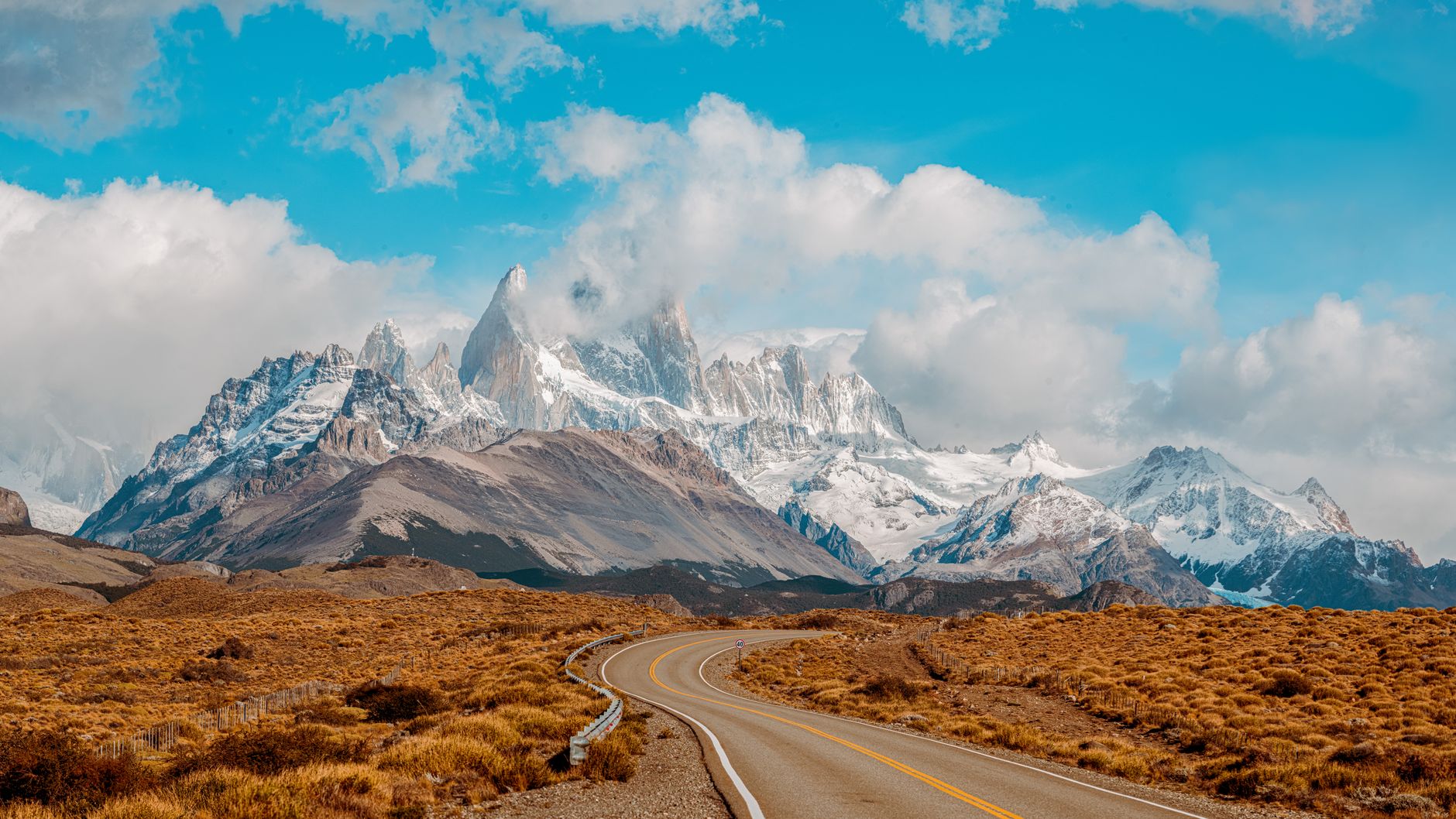
Patagonia. Just the name evokes images of raw, untamed wilderness: colossal glaciers calving into turquoise lakes, windswept pampas stretching to infinity, and jagged peaks piercing the crisp, Andean sky. For years, it had been at the absolute top of my bucket list. I’d meticulously scoured blogs, devoured documentaries, and saved every penny, picturing myself trekking through national parks, marveling at the Perito Moreno Glacier, and embarking on an unforgettable expedition from Ushuaia, the "End of the World."
The planning was half the fun. I spent months piecing together what I thought was the perfect multi-week itinerary: Buenos Aires’ vibrant tango halls, the majestic Perito Moreno Glacier near El Calafate, the epic W-trek in Torres del Paine, and the crown jewel – a seven-day luxury cruise from Ushuaia through the Beagle Channel, visiting remote islands and wildlife havens, a prelude to a potential future Antarctic adventure. I booked flights, accommodations, trek permits, and that coveted cruise, all independently, convinced I was saving money by cutting out the middleman.
Oh, how wrong I was.
### The Anatomy of My Mistake: A Web of Complexity
My ambitious itinerary stretched across two countries, Argentina and Chile, involving multiple internal flights, bus connections, and distinct pre-booked experiences. Here’s a snapshot of the critical segments:
1. International Flight: Home to Buenos Aires (EZE).
2. Internal Flight 1: Buenos Aires (AEP) to El Calafate (FTE) – Gateway to Perito Moreno Glacier.
3. Bus Journey: El Calafate to Puerto Natales, Chile – Gateway to Torres del Paine.
4. Trekking: 5-day W-trek in Torres del Paine (pre-booked refugios and permits).
5. Bus Journey: Puerto Natales back to El Calafate.
6. Internal Flight 2: El Calafate (FTE) to Ushuaia (USH) – The "End of the World."
7. The Crown Jewel: 7-day luxury expedition cruise from Ushuaia, departing on a very specific date and time.
8. Internal Flight 3: Ushuaia (USH) back to Buenos Aires (AEP) for international departure.
The fatal flaw in my meticulously planned, DIY approach wasn't just a single error; it was a cascade of interconnected vulnerabilities. I had booked each segment separately, chasing the best deals, but without fully appreciating the delicate balance required for such a complex, high-value itinerary.
The critical miscalculation? I underestimated the impact of a single, unavoidable delay on a tightly scheduled, non-refundable segment.
The trigger for my nightmare came in the form of a seemingly innocuous email from my airline just 48 hours before my flight from El Calafate to Ushuaia. Due to "operational reasons," my flight was delayed by six hours. Six hours! Ordinarily, this might be an inconvenience, a chance to grab an extra coffee. But on this trip, it was a death knell.
My luxury expedition cruise from Ushuaia had a strict embarkation window: passengers must be on board by 4 PM on departure day. Missing that window meant missing the ship. My original flight had me arriving in Ushuaia at 1 PM, leaving a comfortable three-hour buffer. The delayed flight, however, would now have me landing at 7 PM – a full three hours after the ship had sailed.
My heart sank. That cruise, the centerpiece of my Patagonian dream, was non-refundable and non-transferable. I'd paid nearly $3,000 for it upfront, months ago.
### The Fallout: Scrambling, Stress, and Sky-High Costs
The panic set in immediately. I spent the next 12 hours in a frantic, desperate scramble. I called the airline, pleading for alternatives, but their response was curt: "Operational delays are beyond our control. We offer a refund for the delayed flight segment, but we are not responsible for consequential losses." I called the cruise line, explaining my predicament, hoping for a miracle. "Policy is policy," they said. "The ship sails on time. We cannot hold it. Your booking is non-refundable."
Tears welled up. That $3,000 cruise was gone. Just like that.
But the financial bleeding didn't stop there. My entire subsequent itinerary was built around disembarking that cruise in Ushuaia. I now had no flight out of Ushuaia, and no onward connection to my international departure from Buenos Aires. Desperate, I checked last-minute flight prices from Ushuaia to Buenos Aires. They were exorbitant, easily double or triple the price I had paid initially. I managed to secure a flight for the following day, but it cost me an additional $600.
Then there was the accommodation. My Ushuaia hotel was booked for after the cruise. I now needed an emergency night in El Calafate (as my flight was delayed from there), and an additional night in Ushuaia before my new flight out. Last-minute hotel bookings, especially in peak season Patagonia, are never cheap. That added another $400.
The total damage? Over $4,000 in lost cruise fare and emergency rebookings. It was a gut punch, financially and emotionally. My dream trip felt tarnished, my meticulous planning undone by a single, unforeseen hiccup and my own naive overconfidence. The expectations I had built up for years lay shattered.
### Patagonia Unveiled (Despite the Blunder): What I Learned on the Ground
Despite the significant setback, Patagonia itself remained as magnificent as I had always imagined. The silver lining was that I was there. I still got to witness the staggering beauty of the Perito Moreno Glacier, a colossal river of ice that constantly calves into Lago Argentino with thunderous roars. Standing on the viewing platforms, watching ice chunks the size of buses crash into the water, was a profound, humbling experience – a reminder of nature's raw power, dwarfing any human mistake.
My time in Torres del Paine National Park, Chile, was equally breathtaking. The iconic "W" trek, despite being shortened due to the financial hit, offered views of the Torres del Paine granite towers, the vivid turquoise of Lago Nordenskjöld, and the serene Grey Glacier. The crisp Patagonian air, the smell of ancient forests, and the camaraderie with fellow trekkers were unforgettable. We refueled with hearty Patagonian lamb stew (Cordero al Palo) and local craft beer, the flavors tasting even sweeter after a day of hiking. The locals, known as Gauchos in Argentina and Chile, are incredibly warm and resilient, their culture deeply intertwined with the land and its harsh beauty.
Cultural Insights & Local Perspectives:
Patagonia isn't just about landscapes; it's about the spirit of its people. From the bustling market stalls of Puerto Natales to the cozy cafes in El Calafate, you encounter a genuine warmth. Don't miss trying the local mate tea (a shared ritual), the incredible barbecued lamb, and the delicious Malbec wine from Mendoza. Learning a few basic Spanish phrases ("Hola," "Gracias," "Por favor") goes a long way.
Best Times to Visit:
My trip was in the peak Southern Hemisphere summer (December-February), which offers the best weather for trekking and long daylight hours. However, it's also the most crowded and expensive. Shoulder seasons (November and March) offer a good balance of decent weather, fewer crowds, and slightly lower prices. If you're hoping for wildlife viewing, check specific seasonal migrations.
How to Get There and Getting Around:
* Getting There: Most international travelers fly into Buenos Aires (EZE), then take internal flights to Patagonian hubs like El Calafate (FTE), Ushuaia (USH), or Bariloche (BRC) in Argentina. For Chilean Patagonia, fly into Santiago (SCL) then connect to Punta Arenas (PUQ) or Puerto Natales (PNT). Airlines like Aerolineas Argentinas, LATAM, and Sky Airline are common.
* Getting Around: Long-distance buses are the backbone of Patagonian travel. Services like Bus Sur or Chalten Travel offer comfortable "Cama" (bed) or "Semi-Cama" seats. Rental cars are an option but can be expensive, require specific insurance, and driving conditions can be challenging (gravel roads, strong winds). For trekking, many hostels offer shuttle services to national park entrances.
### Your Turn: Actionable Advice to Avoid My Pain
My $5,000 lesson was painful, but it yielded invaluable wisdom. Here's how you can avoid my Patagonia blunder and ensure your dream trip remains just that:
1. Comprehensive Travel Insurance is NON-NEGOTIABLE: This is my #1 takeaway. Do not book a complex, high-value trip without it. Look for policies that include:
* "Cancel For Any Reason" (CFAR) coverage: While more expensive, this offers flexibility for unexpected personal issues (family emergency, minor injury, change of heart).
* Trip Interruption/Delay coverage: For situations like my flight delay, ensuring you're compensated for lost non-refundable segments or emergency rebookings.
* Medical and Evacuation coverage: Essential for remote regions like Patagonia, where medical facilities might be far.
Purchase at the Time of Booking: Many policies require you to buy insurance within 10-14 days of your first* trip deposit to cover pre-existing conditions or specific benefits. Don't wait!
2. Understand the Fine Print, Especially for High-Value Components: Before clicking "confirm" on any cruise, expedition, non-refundable flight, or specialized tour, read the cancellation and change policies thoroughly. A non-refundable deposit might save you a small amount upfront, but it can cost you thousands if plans change.
3. Buffer Time is Your Best Friend: In regions with unpredictable weather (Patagonia's notorious winds!) or limited transportation options, tight connections are a recipe for disaster.
* Internal Flights: Always allow at least one full day, preferably two, between a critical internal flight and a major non-refundable event like a cruise departure or the start of a multi-day trek.
* International Connections: Give yourself a generous layover (3-4 hours minimum) for international flights.
* Between Countries: When crossing borders by bus (e.g., Argentina to Chile), account for potential delays at customs.
4. Consider a Reputable Travel Agent for Complex Trips: While I love DIY planning, for multi-country, multi-segment trips with high-value components, a specialist travel agent can be worth their weight in gold. They often have:
* Insider Knowledge: Of logistics, local conditions, and reliable operators.
* Booking Power: Access to better fares, flexible terms, or contingency plans.
* Support System: Someone to call when things go wrong, saving you precious time and stress.
* Package Deals: Sometimes bundling flights, hotels, and tours can offer better protection than booking à la carte.
5. Flexibility is Key (Where Possible): If your budget allows, opt for flexible flight tickets or refundable hotel bookings. The slightly higher upfront cost can save you a fortune if plans change. Look for accommodations that offer free cancellation up to a few days before arrival.
6. Build an Emergency Fund: Always travel with a financial safety net. Unexpected costs, whether due to delays, medical issues, or a booking blunder, are a reality of travel. A separate credit card for emergencies or a dedicated savings account can be a lifesaver.
7. Document Everything: Keep digital and physical copies of all booking confirmations, insurance policies, and contact numbers. Store them in a cloud service, email them to yourself, and print key documents. This will be invaluable if you need to make claims or rebook.
### Beyond the Mistake: The Resilient Traveler's Spirit
My Patagonia blunder was a tough pill to swallow, but it didn't break my spirit for travel. In fact, it strengthened my resolve to be a smarter, more prepared traveler. The lessons learned were invaluable, far outweighing the monetary loss in the long run. I still saw incredible beauty, met amazing people, and pushed my own boundaries. The remaining parts of my trip, though altered, were still profoundly impactful.
Mistakes happen. It's how we learn and adapt that truly defines our journey. Don't let my story deter you from pursuing your own Patagonian dream. Instead, let it empower you with the knowledge and tools to navigate the complexities of international travel with confidence.
### Conclusion: Don't Let Your Dream Slip Away
Patagonia is a place of unparalleled beauty, a testament to nature's grandeur. It's a destination that demands to be experienced, but it also demands respect for its wildness and careful planning. My booking mistake cost me thousands and broke my expectations for a perfect trip, but it ultimately made me a more resilient and informed traveler.
So, go forth and explore! Dream big, plan meticulously, but always, always pack that comprehensive travel insurance and build in buffer time. Don't let a booking blunder turn your dream into a nightmare. Learn from my experience, secure your plans, and embrace the adventure.
What's your biggest booking blunder? Share your stories and any savvy tips you've learned in the comments below! And if you're planning a trip to Patagonia or any complex destination, bookmark this post and share it with your travel buddies – let's help each other travel smarter!
---
Visual journey


Tags
Share this adventure
Join the travel community
New adventures, cultural insights and travel inspiration, straight to your inbox.
We may receive a commission if you click on a link and buy a product, service or policy, at no extra cost to you. How affiliate links work.
Been there?