
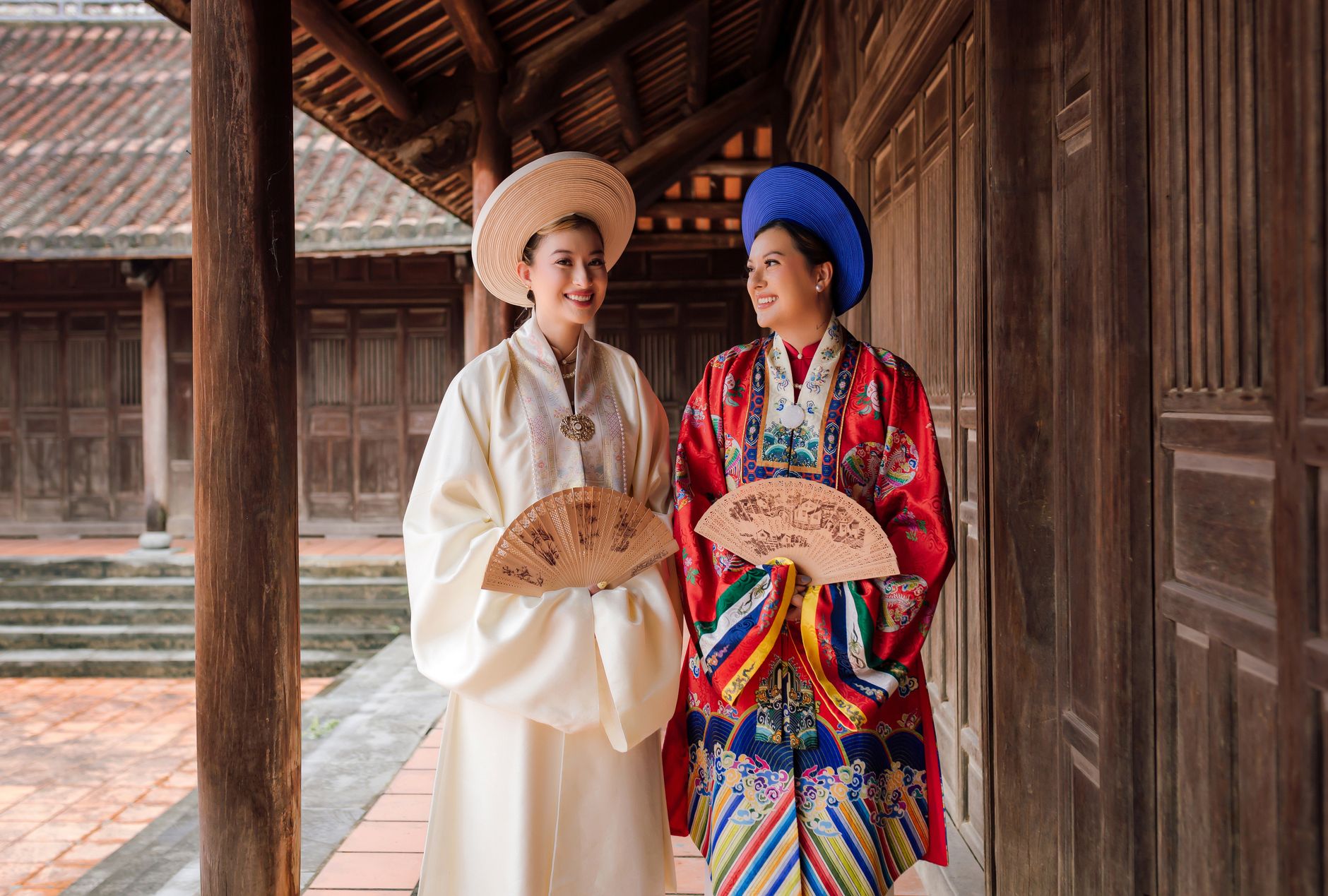
Ever wondered what truly sets an average trip apart from an unforgettable journey? I discovered a secret that transformed my travels from sightseeing to soul-deep connections: wearing traditional clothing. It's not just about blending in; it's about unlocking a world of genuine warmth, invitations, and experiences that you simply won't find any other way. --- ##
The year was 2017. I was haggling (badly) for a scarf in a bustling Marrakech souk, sweating through my usual travel-worn t-shirt and jeans. The vendor, a man with eyes that had seen a thousand tourists, was polite but firm. I was just another face in the crowd. Frustrated, I decided on a whim to try something different. I pointed to a simple, flowing djellaba – the traditional Moroccan robe – and asked to try it on.
The moment the soft fabric draped over me, something shifted. It wasn't just the relief from the heat; it was the way the vendor's face softened, a genuine smile replacing his practiced neutrality. "Ah, habibti," he said, adjusting the hood for me. "You look like a true Moroccan woman." The price for the scarf suddenly became much more reasonable, accompanied by an offer of mint tea and a story about his village.
That simple act of putting on a djellaba wasn't just a transaction; it was an invitation. It was the first time I truly felt like a guest, not just a passerby, and it sparked a revelation that has since transformed every trip I take. I discovered that when you wear traditional clothing, doors don't just open; they swing wide, inviting you into the heart of a culture. And that's why I keep going back.
### More Than Just a Costume: The Power of Respect and Connection
Let's be clear: this isn't about cultural appropriation. It's about appreciation, respect, and a genuine desire to connect. When you choose to wear traditional attire, you're sending a powerful, non-verbal message: "I see you. I respect your culture. I want to understand." This signal immediately breaks down barriers that language, appearance, and preconceived notions often create.
Think about it: how often do you see tourists in your home country attempting to wear your traditional dress? It’s rare, and when it happens, it often elicits a smile, a nod of approval, perhaps even a curiosity to engage. The same magic happens abroad, amplified.
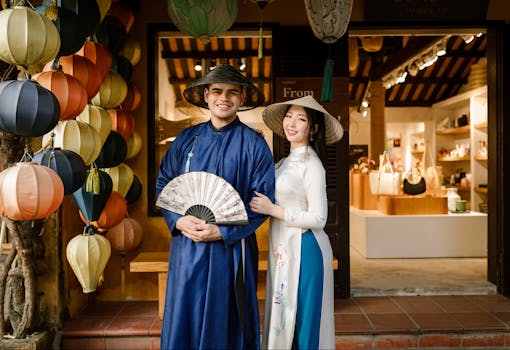
My Marrakech experience was just the beginning. In Vietnam, donning an áo dài in Hoi An meant tailors welcomed me like family, sharing stories of their grandmothers who taught them the craft. In India, a simple salwar kameez or kurta turned transactional market visits into warm conversations, often ending with an invitation for chai. It’s a subtle shift, but the impact is profound. You move from being an outsider looking in, to an insider being welcomed.
_Practical Tip:_
Before you pack, do a quick search on local dress customs. Understand what's appropriate and what's not. Some garments are sacred, others are everyday wear. The key is genuine curiosity, not simply dressing up for a photo op.
### Unlocking Hidden Experiences: Beyond the Tourist Trail
This is where the real magic happens. When you signal respect, locals are often eager to share their world with you. I've been invited to family meals, local festivals, and even private ceremonies, simply because I was wearing something that showed I cared.
One unforgettable afternoon in a small village outside Cusco, Peru, I was wearing a beautifully woven poncho I’d bought from a local artisan. I was trying to find a specific textile cooperative, a place known for its natural dyes. After a few wrong turns, I stopped to ask an elderly woman, her face weathered by the Andean sun, for directions. Her eyes, initially guarded, lit up when she saw my poncho. She pointed me in the right direction, then, with a warm smile, beckoned me to follow her instead.
She led me not to the cooperative, but to her own humble home, where her family was preparing pachamanca, a traditional Andean meal cooked in the earth. I spent the next few hours helping to arrange hot stones, learning about their farming practices, and sharing laughter (mostly through gestures and a few broken Spanish words). It was an experience entirely off the tourist map, a genuine glimpse into Andean life, all because of a simple piece of clothing that resonated with her.
_Practical Tip:_
Look for local markets, not just souvenir shops, to find authentic pieces. Engage with the vendors. Ask about the origin of the garment, the meaning behind its patterns. This is part of the cultural exchange! Often, you'll find custom-made options that fit perfectly and are surprisingly affordable.
### The Art of the Deal & The Warmth of Strangers
Let's be honest, as tourists, we often stick out like a sore thumb. This can sometimes make us targets for inflated prices or less genuine interactions. Wearing local attire, while not a foolproof shield, can certainly change the dynamic.
In the bustling bazaars of Istanbul, wearing a modest headscarf and a longer tunic, I found that vendors were less aggressive, more inclined to chat, and often offered fairer prices without me even having to haggle much. They saw someone who was making an effort, not just another wallet-on-legs. I remember one spice merchant, after a lively chat about Turkish coffee, gave me an extra bag of apple tea "as a gift, because you honor our traditions." It wasn't about the free tea; it was about the connection.
This isn't just about saving a few bucks; it's about fostering an environment where genuine human connection can flourish. When you're perceived as someone who respects the local way of life, people are more open, more trusting, and more willing to share their stories, their knowledge, and their kindness. It transforms transactions into interactions, and interactions into memories.
_Practical Tip:_
Pair your local attire with a few basic phrases in the local language. "Hello," "thank you," "please," and "how much?" can go a long way in breaking the ice and showing your commitment to engaging.
### Safety, Comfort, and Blending In (Sensibly)
Beyond the cultural benefits, there are practical advantages too. In many hot climates, traditional clothing is designed for comfort and breathability. Think of the loose, flowing fabrics of a kaftan or a sarong – often far more comfortable than tight jeans in humid weather. Modest clothing can also offer protection from the sun.
From a safety perspective, blending in can be a subtle but effective deterrent. While it's impossible to completely erase your "tourist" status, looking less ostentatious and more aligned with local dress can make you less of a target for petty crime. In some regions, respecting dress codes (especially for women, like covering shoulders and knees) is also a matter of social etiquette and can prevent unwanted attention.
_Caveat:_
Common sense is crucial. This strategy isn't about becoming invisible or pretending to be someone you're not. It's about showing respect. There might be situations or specific types of traditional clothing that are not appropriate for a foreigner to wear, or that could inadvertently draw more attention. Always observe, learn, and prioritize your safety and comfort. If in doubt, err on the side of modesty and simplicity.
_Practical Tip:_
Start small if you're unsure. A beautifully woven scarf, a traditional hat, or a simple tunic can be a great first step. Pay attention to how locals dress and follow their lead.
### My Top 3 Destinations Where This Strategy Shines
While this approach works wonders almost anywhere, some places truly amplify the experience. Here are my top three destinations where wearing local attire opened doors wider than I ever imagined:
#### 1. India: The Land of Vibrant Hues and Heartfelt Smiles
What I Wore: Salwar Kameez (a tunic, trousers, and scarf set) or a simple kurta* (long tunic). For special occasions, a saree.
My Experience: In Rajasthan, wearing a vibrant salwar kameez* felt like I was instantly part of the tapestry of colors. Walking through the markets of Jaipur, vendors would often offer me a seat, a glass of chai, and a more relaxed conversation, often sharing stories about their families and the history of their crafts. In Varanasi, visiting temples, my modest attire earned respectful nods and helped me feel more connected to the spiritual atmosphere. I even got invited to a small, local wedding procession by a family who saw me admiring their vibrant outfits!
* Where to Buy: Local markets in Jaipur, Udaipur, or Delhi. Boutique stores in tourist areas will be pricier but offer more curated designs.
Price Range: A decent salwar kameez* set can range from 500-2500 INR ($6-$30 USD), depending on fabric and embellishments. A custom-stitched one might be slightly more.
* Impact: Instant warmth, genuine smiles, and a feeling of being embraced rather than just observed. And, of course, incredible photos!
#### 2. Vietnam: Elegance, Grace, and the Ao Dai Charm
What I Wore: The áo dài*, Vietnam's elegant national dress (a long, split tunic worn over trousers).
My Experience: Hoi An is famous for its tailor shops, and getting an áo dài* custom-made there was an experience in itself. I chose a deep emerald green silk, and over two days, watched it come to life. Wearing it in the ancient town, particularly when visiting temples or strolling along the river, felt incredibly graceful. Locals, especially older women, would often smile and give a nod of approval. I felt a sense of quiet pride, and people were noticeably more open and friendly. I even got a special blessing at a local temple after a monk saw my respectful attire.
Where to Buy: Hoi An is the undisputed capital for custom áo dài*. Many tailors can make one in 24-48 hours.
Price Range: Custom áo dài* can range from $30-$100 USD, depending on the fabric (silk being pricier) and the complexity of the design.
* Impact: A feeling of elegance and respect. It made me feel like an honored guest, not just another tourist clicking photos.
#### 3. Peru: Andean Weaves and Mountain Hospitality
What I Wore: A hand-woven poncho or intricately patterned textiles (like a manta or lliclla* used as a shawl) combined with practical layers.
My Experience: Exploring the Sacred Valley and small Andean villages around Cusco, my hand-woven alpaca poncho was not only incredibly warm but also a huge conversation starter. Indigenous women, often shy with tourists, would often point to my poncho, smile, and sometimes even touch the fabric, sharing stories about the weaving patterns or where I might find similar quality. It connected me to the rich textile heritage of the region. That impromptu pachamanca* invitation? That was in Peru. I also found myself getting better prices at local markets, not because I haggled hard, but because the vendors appreciated my interest in their craft and culture.
* Where to Buy: Pisac Market, Chinchero, or directly from artisans in smaller villages. Always try to buy directly from the makers to support their craft.
Price Range: A good quality, hand-woven alpaca poncho* can range from $20-$100 USD or more, depending on the wool quality and intricacy.
* Impact: Deep connections with indigenous communities, a greater understanding of their art, and a true sense of belonging in the stunning Andean landscape.
_Practical Tip:_
Always ensure your chosen attire is appropriate for the specific region and context. In some places, certain garments are reserved for specific ceremonies or social statuses. A quick chat with a local guide or hotel staff can clarify this.
### Sustainable Travel and Supporting Local Artisans
Choosing to buy and wear traditional clothing isn't just about enriching your travel experience; it's also a powerful way to practice sustainable and ethical tourism. When you purchase handcrafted garments from local artisans, you are directly supporting their livelihoods, preserving traditional crafts, and contributing to the local economy in a meaningful way.
Avoid mass-produced, often cheap, "costumes" made in factories far away. Seek out genuine articles made with care and skill. Ask about the materials, the process, and the story behind the piece. This not only ensures you get a high-quality, authentic item but also deepens your understanding and appreciation for the culture. It's a souvenir with a soul, a piece of your journey that tells a story long after you've returned home.
### The Doors Are Waiting to Open for You
My journey of wearing traditional clothing has been one of the most rewarding aspects of my travels. It’s transformed mundane trips into extraordinary adventures, turning strangers into friends and fleeting moments into cherished memories. It’s a secret weapon for any traveler seeking genuine connection and a deeper understanding of the world.
So, on your next adventure, consider swapping out your usual travel gear for something a little more local. Be respectful, be open, and watch as the doors swing wide, inviting you into experiences you never thought possible. You might just find yourself, like me, wanting to go back again and again.
What traditional clothing will you try on your next adventure? Share your stories and plans in the comments below! And when you do, don't forget to tag #TripsoraCulture and #LocalThreads on Instagram so we can share in your amazing experiences! Let's inspire each other to travel deeper.
---
Visual journey


Tags
Share this adventure
Join the travel community
New adventures, cultural insights and travel inspiration, straight to your inbox.
We may receive a commission if you click on a link and buy a product, service or policy, at no extra cost to you. How affiliate links work.
Other angles on this trip
These notes are written by AI to show how different kinds of traveller might see this destination. They are not comments from real readers.