
What started as a quick stop in Iceland turned into an extended adventure, all thanks to an impulsive decision to walk on a glacier. Discover how donning microspikes over my sneakers on ancient ice transformed my journey, making me extend my trip. Get ready to be inspired to chase your own icy escapade! ---
## The Unexpected Ice Call: How a Spontaneous Glacier Walk Changed Everything
You know how it goes. You plan a trip, meticulously mapping out every waterfall, every hot spring, every iconic landmark. That was me, cruising through my perfectly curated 7-day Iceland itinerary. The land of fire and ice was already exceeding expectations – the vibrant energy of Reykjavík, the Golden Circle's geothermal wonders, the dramatic basalt columns of Reynisfjara. My schedule was packed, my spirit soaring, and my trusty, well-worn travel sneakers were ready for anything… except, perhaps, a glacier.
I’d seen photos, of course, the impossibly blue ice, the crevasses that looked like nature's own artwork. But glacier hiking felt like a 'next time' kind of adventure, something requiring heavy-duty gear and a level of planning I hadn't invested in this trip. My internal monologue went something like this: "Glacier? Nah, I've got a bus to catch for Jökulsárlón. Plus, I don't even have proper hiking boots, just my comfortable, everyday sneakers."
Then, as I drove along the South Coast, a sign for Sólheimajökull glacier tongue appeared, almost whispering, "Detour." Curiosity, that ever-present travel companion, nudged me. "Just a quick look," I told myself. Famous last words, right? What happened next wasn't just a quick look; it was a spontaneous decision that redefined my entire trip, leading to an unplanned extension and an experience so profound, it’s still etched into my memory – the day I walked on a glacier in my sneakers.
## Sólheimajökull: Where Sneakers Met Ancient Ice (Safely!)
The drive to Sólheimajökull, a majestic outlet glacier of the larger Mýrdalsjökull ice cap, was a prelude in itself. The landscape morphed from verdant fields to a stark, almost lunar terrain, scattered with volcanic ash and ancient rock. As I parked my rental car, the sheer scale of the glacier hit me. It wasn't just a distant white mass; it was a living, breathing entity, scarred by the elements, a testament to time.
I wandered towards the visitor center, still thinking I’d just snap a few photos from the viewpoint. But then I saw them: small groups of people, not in full mountaineering gear, but casual hikers, emerging from the ice with grins plastered across their faces. And many of them were, surprisingly, wearing sturdy walking shoes – not heavy-duty boots. Intrigued, I approached one of the local tour operators, Arctic Adventures, whose small office was buzzing.
"Glacier walk?" the guide, a friendly Icelander named Bjorn, asked, noticing my lingering gaze. "We have a beginner-friendly tour starting in 20 minutes. Just need good sturdy shoes, we provide microspikes and all other safety gear."
Microspikes! That was the game-changer. These lightweight traction devices, designed to fit over regular footwear, were the bridge between my sneakers and the ancient ice. Suddenly, the impossible felt possible. A quick check of my sneakers – good grip, decent ankle support – and Bjorn gave me the nod. "Perfect," he said. "Just make sure they're comfortable."
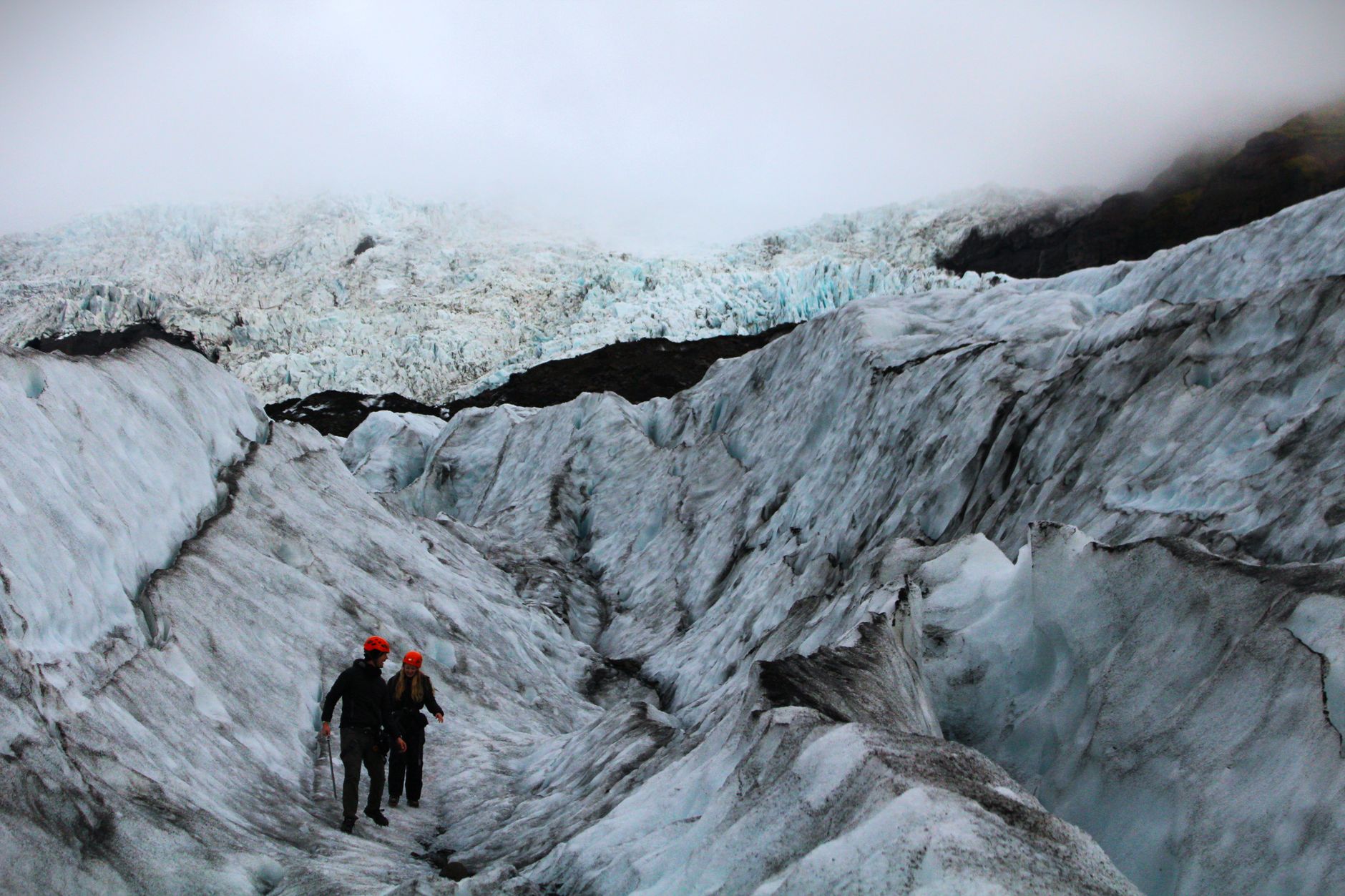
Twenty minutes later, helmet strapped on, ice axe in hand (more for balance and dramatic effect than actual ice climbing on this gentle route), and microspikes firmly buckled over my sneakers, I was part of a small group trekking towards the glacier's edge. The air was crisp, carrying a faint scent of damp earth and pure ice. The initial steps onto the ice were tentative, the microspikes crunching reassuringly into the frozen surface. My sneakers, usually reserved for city streets and light trails, now gripped the ancient ice with surprising confidence.
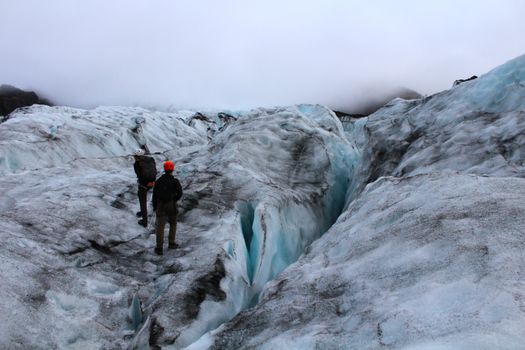
The walk itself was mesmerizing. Bjorn led us through a labyrinth of ice, pointing out fascinating formations: delicate ice sculptures, deep blue meltwater pools, and dramatic crevasses that plunged into the glacier's depths. He explained how the glacier was constantly moving, shifting, and reshaping itself, a living river of ice. We drank straight from a crystal-clear meltwater stream – the purest water I've ever tasted. The colors were incredible – stark whites, brilliant blues, and even streaks of volcanic ash creating a striped effect. It was humbling, standing on something so ancient, so powerful, and yet so fragile in the face of climate change.
My "sneakers on a glacier" experience wasn't reckless; it was an accessible, guided introduction to an awe-inspiring natural wonder, made possible by ingenious gear and expert local knowledge. And it was utterly transformative.
## The Glacial Spell: Why I Extended My Trip
As I stepped off the glacier, my mind was still reeling. The sheer magnitude of the experience had shifted something deep within me. It wasn't just a physical walk; it was a journey through geological time, a profound connection with raw, untamed nature. My carefully planned itinerary suddenly felt… inadequate. How could I simply leave Iceland after experiencing something so deeply moving, so unexpectedly profound?
The glacier walk had awakened a thirst for more. More raw nature, more spontaneous detours, more of that feeling of insignificance and wonder. I realized I had rushed through so much, focused on ticking boxes rather than truly experiencing. The glacier had forced me to slow down, to be present, to marvel.
That night, instead of heading back towards Reykjavík as planned, I found myself canceling my next hotel booking and searching for accommodation further along the South Coast. My 7-day trip became a 10-day odyssey. The extra three days were a gift, a bonus round of Icelandic magic, all thanks to that impulsive detour. It was a conscious decision to lean into the unexpected, to let the journey unfold rather than rigidly follow a script. This extension wasn't just about seeing more sights; it was about shifting my travel philosophy, embracing the serendipity that makes travel truly unforgettable.
## Beyond the Ice: South Iceland's Unveiled Wonders
With my newfound "bonus time" and a refreshed perspective, I dove deeper into South Iceland. My extended stay allowed me to explore at a more leisurely pace, discovering hidden gems and revisiting favorites with new eyes.
Chasing Waterfalls (Again, and Again):
I revisited Skógafoss and Seljalandsfoss, but this time, instead of just snapping photos, I spent hours. At Skógafoss, I climbed the endless steps to the top, then walked further along the Fimmvörðuháls hiking trail, discovering dozens of smaller, unnamed cascades tumbling down the valley. It was a symphony of water, far from the main tourist throng. At Seljalandsfoss, instead of just walking behind it, I explored the nearby Gljúfrabúi, a "hidden" waterfall tucked away in a canyon, requiring a wade through a shallow stream to reach its misty, magical embrace. (Pro tip: waterproof gear is a must for Gljúfrabúi!)
Black Sand and Basalt Secrets:
Reynisfjara, the iconic black sand beach near Vik, was another stop. This time, I went at sunrise, before the tour buses arrived. The geometric basalt columns, the Reynisdrangar sea stacks emerging from the churning Atlantic, and the dramatic arch of Dyrhólaey were even more captivating in the golden light, devoid of crowds. I spent a long morning simply walking, listening to the powerful waves, and feeling the ancient volcanic sand beneath my feet.
Jökulsárlón Glacier Lagoon & Diamond Beach:
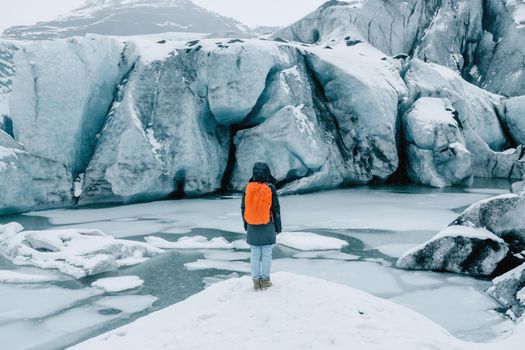
My original plan included a quick stop here, but with extra time, I indulged in a zodiac boat tour on the lagoon. Navigating between colossal icebergs, some sparkling with electric blue veins, was an otherworldly experience. Our guide explained the lifecycle of the ice, from its ancient origins in Vatnajökull to its slow drift towards the ocean. Afterwards, I spent a solid two hours on Diamond Beach, watching the ice chunks, polished by the waves, glitter like jewels on the black sand. It's a photographer's dream and a soul-stirring sight.
Embracing Local Culture & Cuisine:
My extended stay also allowed for more authentic interactions. I spent an evening in the small town of Vík, trying a hearty Icelandic fish stew (plokkfiskur) at a local restaurant, Berg Restaurant, and chatting with the owners about life in such a wild landscape. I discovered a small, family-run farm selling homemade ice cream (Efstidalur II is a popular spot, but many smaller farms offer this!) and sampled fresh bread baked in geothermal vents. These small, unplanned moments were as enriching as the grand landscapes. The extra days allowed for deeper immersion, transforming my trip from a checklist of sights into a tapestry of experiences.
## Your Own Icy Adventure: Planning & Practicalities
Inspired to walk on a glacier yourself? Here's how to make it happen, safely and memorably.
Which Glacier to Choose?
* Sólheimajökull: My personal choice! It's one of the most accessible outlet glaciers from Reykjavík (about a 2-hour drive). It's perfect for shorter, beginner-friendly walks, and often features dramatic ice formations and meltwater pools. It's ideal if you're looking for a 1.5-3 hour experience.
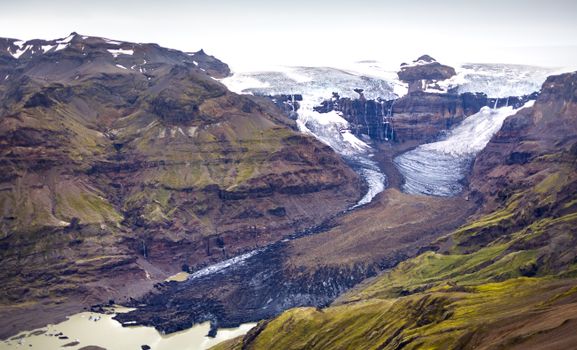
* Vatnajökull National Park (Skaftafell area): For longer, more challenging treks, head to Skaftafell, part of Europe's largest glacier, Vatnajökull. Here, you'll find options for longer hikes, ice climbing, and more remote exploration. It's about a 4-5 hour drive from Reykjavík, so often requires an overnight stay in the area.
How to Get There:
* Rental Car: This offers the most flexibility, allowing you to stop at waterfalls and sights along the South Coast at your own pace. Roads are generally well-maintained, but be prepared for varying weather conditions, especially outside of summer.
* Guided Bus Tours: Many companies offer day trips from Reykjavík that combine glacier walks with other South Coast highlights (Seljalandsfoss, Skógafoss, Reynisfjara). This is a convenient option if you prefer not to drive.
Booking Your Glacier Tour:
* Always Book with a Certified Operator: This is crucial for safety. Reputable companies provide experienced guides and all necessary safety equipment. I went with Arctic Adventures, but other highly-rated operators include Icelandic Mountain Guides and Glacier Guides.
* Book in Advance: Especially during peak season (June-August) and popular times, tours can fill up quickly.
* Tour Duration & Difficulty: Most beginner tours are 2-3 hours long (including gear fitting and safety briefing). They are generally considered easy to moderate, suitable for most fitness levels. Longer, more strenuous options are available for experienced hikers.
What to Wear & Bring (Yes, Even If You're Wearing Sneakers!):
* Layer Up! The weather on a glacier can change rapidly. Wear warm layers: thermal base layer, fleece, waterproof and windproof outer jacket and pants. Even in summer, it's cold on the ice.
Footwear: While I wore sturdy sneakers, they were only suitable because* I had microspikes provided by the tour company. For optimal comfort and safety, sturdy hiking boots are highly recommended. If you don't have them, most tour operators offer boot rentals for a small fee (around $10-15 USD). Don't just show up with flimsy fashion sneakers; you need good ankle support and a robust sole for the microspikes to attach properly.
* Gloves & Hat: Essential for warmth.
* Sunglasses: The glare off the ice can be intense.
* Water Bottle & Snacks: Stay hydrated, and bring a small snack for energy.
* Camera: You'll want to capture the incredible views! Ensure it's waterproof or protected.
Cost Breakdown (Budget Tips Included):
* Glacier Walk Tour: Expect to pay roughly $80-$150 USD per person for a 2-3 hour guided walk, including all safety gear (microspikes/crampons, ice axe, helmet). Prices can vary by operator and season.
* Boot Rental: If needed, add $10-15 USD.
* Transportation:
* Rental Car: A compact 2WD car for a week can be around $400-$700 USD (excluding fuel, which is expensive in Iceland). Splitting costs with travel companions is a great budget tip.
* Bus Tour from Reykjavík: Day tours combining a glacier walk and other sights can range from $150-$250 USD, including transport and the glacier tour.
* Accommodation: Budget hostels start around $40-60 USD per night for a dorm bed. Guesthouses/hotels along the South Coast can be $100-250+ USD. Booking in advance and looking for guesthouses with kitchen facilities for self-catering can save a lot.
Safety First:
* NEVER walk on a glacier alone or without a certified guide. Glaciers are dynamic and dangerous environments with hidden crevasses, unpredictable icefalls, and changing conditions.
* Listen to your guide. They are experts and know the safest routes.
* Check weather forecasts. Tours can be canceled in extreme weather for safety reasons.
Best Time to Visit:
* Summer (June-August): Long daylight hours, milder temperatures, and generally stable weather make this popular. More accessible routes.
* Shoulder Seasons (April-May, September-October): Fewer crowds, potential for Northern Lights, but weather can be more unpredictable. Still great for glacier walks.
* Winter (November-March): Experience the glacier in a truly dramatic, icy landscape. Shorter daylight hours, colder temperatures, and potential for more challenging conditions, but also the best chance for Northern Lights. Some tours might be limited or require more specialized gear.
## Sustainable Exploration & Local Flavors
Walking on a glacier offers a stark, undeniable view of climate change. Our guide, Bjorn, spoke passionately about the rapid retreat of Sólheimajökull, showing us markers of where the glacier used to reach just decades ago. It's a powerful reminder of our environmental impact. As travelers, we have a responsibility to tread lightly.
* Support Local: Choose local tour operators, eat at locally-owned restaurants, and buy artisan crafts. This directly benefits the communities you visit.
* Leave No Trace: Stick to marked paths, take all your rubbish with you, and respect wildlife.
* Be Mindful of Water Usage: Iceland's water is pure, but it's a precious resource.
* Respect the Land: The Icelandic landscape is fragile. Don't climb on basalt columns or disturb natural formations.
A Taste of Iceland:
Beyond the breathtaking scenery, Iceland offers unique culinary experiences. Don't leave without trying:
* Plokkfiskur: A hearty fish stew, perfect after a cold day on the ice.
* Kjötsúpa: Traditional Icelandic lamb soup, a warming comfort food.
* Skyr: A thick, creamy dairy product, similar to Greek yogurt, served with berries.
* Hot Dogs (Pylsur): The famous Bæjarins Beztu Pylsur stand in Reykjavík is a must, but you'll find delicious ones everywhere.
* Rúgbrauð: Geothermal rye bread, often served with smoked salmon or butter.
Engaging with the local culture and understanding the environmental challenges facing this incredible country adds another layer of richness to your travel experience.
## Conclusion: Chase the Unexpected
My journey to Iceland was supposed to be a whirlwind tour, a series of checked boxes on a carefully crafted itinerary. But the spontaneous decision to walk on Sólheimajökull glacier, microspikes over my everyday sneakers, transformed everything. It wasn't just about seeing a glacier; it was about feeling the ancient ice beneath my feet, understanding its power and fragility, and letting that experience reshape my entire perception of travel.
It taught me that the most memorable moments are often the unplanned ones, the detours that lead to profound discoveries. Extending my trip wasn't just about adding more days; it was about adding more depth, more connection, and more awe.
So, next time you're planning a trip, or even if you're already on one, keep an open mind. Look for that unexpected sign, listen to that internal nudge. Maybe, just maybe, it will lead you to a glacier, or a hidden waterfall, or a quiet conversation with a local that changes everything. Iceland, with its raw beauty and surprising accessibility, is the perfect place to embrace the magic of the unexpected.
Are you ready to lace up your (spiked) sneakers and step onto ancient ice? Trust me, it's an experience that will stay with you long after the ice melts. Go on, chase that unexpected adventure – you might just extend your trip too!
---
Visual journey


Tags
Share this adventure
Join the travel community
New adventures, cultural insights and travel inspiration, straight to your inbox.
We may receive a commission if you click on a link and buy a product, service or policy, at no extra cost to you. How affiliate links work.
Been there?