

Tired of just ticking off landmarks, I sought a deeper travel experience and found it transforming my life as a conservation volunteer. Join me as I recount my incredible journey protecting sea turtles in Costa Rica, sharing vivid stories, practical tips, and why this adventure is far more rewarding than any postcard view. ---
## Beyond the Postcard: How Volunteering with a Conservation Project Transformed My Travel
For years, my travel philosophy revolved around chasing the next stunning vista, the most Instagrammable meal, or the thrill of a new city's pulse. I’d seen the Eiffel Tower sparkle, trekked through ancient ruins, and savored street food across continents. Yet, after each trip, a subtle, persistent question lingered: Was I truly connecting? Was I making any difference beyond my own fleeting enjoyment?
The answer, if I was honest, was often no. I felt a yearning for something more profound, a desire to leave a positive footprint rather than just a carbon one. It was this quiet dissatisfaction that led me down a different path, one that promised dirt under my nails, mosquito bites, and a profound sense of purpose. I decided to volunteer with a conservation project, and little did I know, it would become the most challenging, rewarding, and utterly life-changing adventure of my travels.
### The Spark: Why I Traded Resorts for Rainforests
My decision wasn't impulsive. It began with research, a deep dive into the world of ethical volunteering. I wasn't just looking for a "voluntourism" experience; I wanted a project with genuine impact, where my efforts would contribute meaningfully to a cause. My passion for marine life, particularly the plight of sea turtles, drew me in. These ancient mariners, symbols of resilience, face immense threats from plastic pollution, habitat loss, and illegal poaching. The thought of being a small part of their survival story resonated deeply.
I imagined moonlit beaches, baby turtles scrambling to the sea, and the camaraderie of like-minded individuals. What I found was all that and more: a grueling, beautiful, often frustrating, and ultimately, deeply spiritual connection to the natural world and the dedicated people fighting to protect it. This wasn't just a trip; it was an immersion, a commitment, and a complete redefinition of what travel could be.
### Choosing My Adventure: Finding My Sea Turtle Sanctuary in Costa Rica
The world of conservation volunteering is vast, offering everything from wildlife rehabilitation in Africa to rainforest preservation in the Amazon. After sifting through countless organizations and projects, I settled on a sea turtle conservation initiative located on a remote stretch of Costa Rica's Caribbean coast, near the Gandoca-Manzanillo Wildlife Refuge in Limón Province.
I chose this project for several reasons: its strong community involvement, its scientific approach to conservation, and its commitment to protecting four endangered sea turtle species: Leatherback, Green, Hawksbill, and Loggerhead. I found the project through a reputable online platform specializing in ethical volunteer placements, which vetted organizations for their sustainability and impact. The process involved an application, a brief interview, and a project fee that covered my accommodation, meals, training, and a significant portion of the project's operational costs – a crucial detail often overlooked by those expecting "free" volunteering. My 2-week project fee was approximately $1,200 USD, not including flights or personal spending. While it wasn't a "budget" trip in the traditional sense, I viewed it as an investment in both the planet and my personal growth.
Getting there was an adventure in itself. After flying into San José (SJO), I took a local bus (around $10 USD) for a scenic, albeit bumpy, five-hour journey across the continental divide to the vibrant coastal town of Limón. From there, another local bus (or shared taxi for about $5-10 USD) took me further south to a smaller village, followed by a final, thrilling ride in a 4x4 or even a small boat through mangroves to reach our isolated research station. This multi-stage journey only heightened the sense of anticipation and the feeling of truly stepping off the beaten path.
### My Daily Life as a Turtle Guardian: Sand, Sweat, and Miracles
Life at the research station was simple, rustic, and utterly captivating. My "home" for two weeks was a basic bunkhouse with shared facilities, powered by solar energy, and just steps from the wild, untamed beach. Days blended into a rhythm dictated by the tides, the sun, and the turtles.
A typical day might look like this:
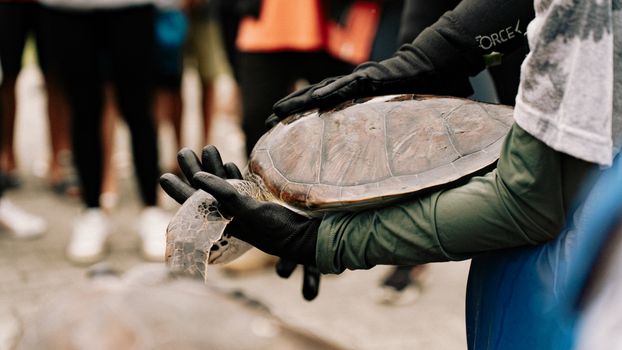
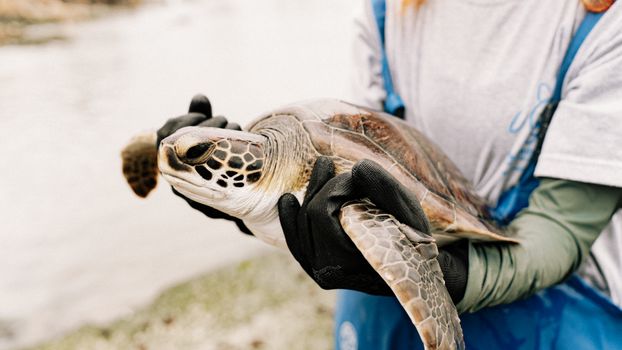
* Morning Patrols (4:00 AM - 7:00 AM): Often, my shift started before dawn. Armed with a flashlight, a data sheet, and bug repellent, a small team and I would walk miles of beach, searching for fresh turtle tracks indicating a female had come ashore to nest overnight. The quiet solitude of the pre-dawn beach, the rhythmic crash of waves, and the anticipation of discovery were truly magical. If we found a nest, we'd carefully relocate the eggs to a protected beach hatchery to safeguard them from poachers and predators, meticulously recording data like species, nest size, and GPS coordinates.
* Hatchery Duty (Throughout the Day): The hatchery was a nursery of hope. Here, we'd monitor nests, protect them from extreme weather, and, crucially, assist newly hatched turtles in their perilous journey to the sea. The sight of dozens of tiny hatchlings erupting from the sand, instinctively scrambling towards the ocean, was an experience that brought tears to my eyes every single time. We'd ensure they made it safely past the high tide line, fending off ghost crabs and seabirds.
* Beach Clean-ups & Data Entry (Mid-morning): After patrols, we'd spend time cleaning the beach, collecting alarming amounts of plastic debris that threatened marine life. The sheer volume of bottle caps, fishing nets, and microplastics was a stark reminder of humanity's impact. Later, we'd meticulously enter the data collected from patrols into a central database, contributing to long-term scientific research that informs conservation strategies.
* Education & Community Engagement (Afternoons): Some afternoons involved visiting local schools or community centers, helping to educate children and adults about the importance of sea turtle conservation and sustainable practices. Learning a few basic Spanish phrases was invaluable here, allowing for more genuine interactions and shared laughter.
* Night Patrols (8:00 PM - 1:00 AM): These were the most intense and often the most rewarding shifts. Under the vast, star-studded Caribbean sky, we'd patrol the beaches, looking for nesting mothers. Spotting a majestic Leatherback, often over six feet long, slowly making her way up the beach, digging her nest, and laying hundreds of eggs, was an awe-inspiring privilege. We’d tag them, measure them, and record their health, all while maintaining absolute silence and minimal light to avoid disturbing them. The sheer effort and ancient instinct of these creatures left me humbled.
The work was physically demanding – long walks in soft sand, often in humid conditions, battling mosquitoes and sandflies. But the exhaustion was always overshadowed by the profound sense of purpose. Every single egg saved, every hatchling guided to the ocean, felt like a victory.
### The Impact and the Heart of the Matter: Why It Matters
Volunteering with a conservation project isn't just about the tasks you perform; it's about the deep, multifaceted impact you create – both for the environment and for yourself.
For the Environment:
My contribution, however small, directly aided the survival of endangered sea turtles. By relocating nests, deterring poachers, and collecting data, we were giving countless hatchlings a fighting chance. The beach clean-ups directly removed harmful plastic, making the habitat safer. These local efforts contribute to global conservation strategies, providing vital data to scientists and policymakers.
For Local Communities:
Our project actively employed local staff, providing economic opportunities in an area where resources are often scarce. We worked alongside Costa Rican biologists and community members, learning from their intimate knowledge of the land and sea. This collaboration fostered a shared sense of responsibility and built capacity within the community for long-term conservation efforts. It also helped promote sustainable eco-tourism as an alternative to destructive practices.
For Me (Personal Transformation):
This experience stripped away the superficial layers of my usual travels. I learned patience, resilience, and the immense power of collective effort. I gained a deeper appreciation for the delicate balance of ecosystems and the urgent need for conservation. I forged friendships with people from all walks of life, united by a common passion. My perspective on travel shifted entirely; it was no longer about escaping, but about engaging, learning, and contributing. I returned home not just with stories and photos, but with a renewed sense of purpose and a profound connection to the natural world. It was a true "aha!" moment that redefined my priorities.
### Planning Your Own Conservation Journey: Practical Tips & Budgeting
Inspired to make your own impact? Here’s how to get started on your transformative conservation journey:
1. Do Your Homework – Research is Key:
* Reputable Platforms: Start with platforms like GVI, Volunteer World, GoAbroad, or Projects Abroad. These sites vet organizations and offer a wide range of projects.
* Directly with NGOs: If you have a specific cause in mind (e.g., elephant conservation, coral reef restoration), research NGOs directly involved in that field.
* Ethical Concerns: Be wary of "voluntourism" traps. Look for projects with clear objectives, scientific backing, and strong local community involvement. Questions to ask: Where does my money go? What impact does the project truly have? Are local people employed?
* Read Reviews: Look for testimonials and independent reviews from past volunteers.
2. Budgeting for Impact:
* Project Fees: Expect to pay a project fee. This covers your accommodation, meals, training, supervision, and contributes directly to the project's operational costs (equipment, local staff salaries, conservation materials). Fees can range from $500 to $2,500+ for 1-4 weeks, depending on the location, duration, and type of project.
* Flights: These are usually separate and can be a significant cost. Book in advance for the best deals.
* Travel Insurance: Non-negotiable! Ensure it covers medical emergencies, trip cancellations, and any specific activities you'll be doing.
* Visas & Vaccinations: Research requirements for your destination well in advance. Factor in the cost of necessary vaccinations and medications (e.g., anti-malarials).
* Personal Expenses: Budget for snacks, souvenirs, day trips, and any personal items you might need.
* Budget Tip: Some organizations offer longer-term placements at a reduced weekly rate. Traveling during the off-peak season might also save on flights. Look for projects that include food and accommodation, as this drastically cuts down daily expenses.
3. What to Pack (Beyond the Basics):
* Appropriate Clothing: Think quick-drying, breathable fabrics. Long sleeves and pants are essential for mosquito protection and sun. Sturdy closed-toe shoes (hiking boots or old sneakers) for fieldwork, and sandals for downtime.
* Rain Gear: A lightweight rain jacket or poncho is a must, especially in tropical climates.
* Headlamp/Flashlight: Essential for night patrols or power outages.
* Biodegradable Toiletries: To minimize environmental impact.
* Water Bottle: Stay hydrated and reduce plastic waste.
* Insect Repellent: A strong one!
* Sunscreen & Hat: Protect yourself from the sun.
* Basic First-Aid Kit: Band-aids, antiseptic wipes, pain relievers.
* Power Bank: For charging devices where electricity might be scarce.
* Camera: To capture those incredible moments (but always be mindful of disturbing wildlife).
4. Safety First:
* Follow Project Guidelines: Always adhere to safety protocols, especially when working with wildlife or in remote areas.
* Travel in Groups: Especially during night patrols or when exploring local areas.
* Inform Someone: Let family or friends know your itinerary and contact information for the project.
* Cultural Sensitivity: Be respectful of local customs, traditions, and dress codes. Learning basic phrases in the local language goes a long way.
5. Best Time to Go:
* This is entirely project-dependent. For sea turtle projects, you'll want to go during nesting season (e.g., March to October for Leatherbacks in Costa Rica, July to October for Green turtles). For other wildlife projects, it might be migration season or breeding season. Research the optimal time for the specific conservation effort you're interested in.
6. Getting There & Getting Around:
* Most projects will provide detailed instructions on how to reach their remote sites from the nearest major airport or city. This often involves a combination of public buses, shared taxis, and sometimes even small planes or boats. Embrace the journey – it's part of the adventure!
### Beyond the Project: Embracing Local Culture
While the conservation work was my primary focus, I also made sure to embrace the vibrant local culture of Costa Rica. During my rare days off, or in the evenings, I'd venture into nearby villages.
Savoring Local Flavors: I indulged in traditional Gallo Pinto (rice and beans) for breakfast, fresh ceviche, and countless varieties of plantains. The local sodas* (small, family-run restaurants) offered delicious, authentic, and incredibly affordable meals (often just $5-8 USD for a full plate).
* Cultural Immersion: I spent time chatting with local fishermen, learned a few more Spanish phrases, and visited bustling local markets, where the air was thick with the scent of tropical fruits and the sounds of friendly bartering. These interactions provided invaluable insights into the local perspective on conservation, often far more nuanced and complex than I had initially imagined. Many local families have lived off the land and sea for generations, and finding sustainable solutions requires deep understanding and collaboration.
* Exploring the Natural Beauty: Even on days off, nature was never far. I hiked through parts of the Gandoca-Manzanillo Wildlife Refuge, spotting sloths, monkeys, and exotic birds. The biodiversity was breathtaking, reinforcing the importance of our work.
These moments of cultural exchange and exploration enriched my experience immensely, reminding me that conservation is not just about protecting animals, but about fostering sustainable relationships between people and their environment.
### Your Call to Action: Travel with Purpose
My time volunteering with the sea turtles of Costa Rica wasn't just another trip; it was a profound journey of self-discovery, environmental advocacy, and deep human connection. It was physically demanding, emotionally challenging, and utterly exhilarating. I returned home with mosquito scars, sand in my shoes, and a heart full of gratitude and renewed purpose.
If you’ve ever felt that subtle yearning for more, if you want your travels to leave a legacy beyond passport stamps and photo albums, then I urge you to consider volunteering with a conservation project. It’s an opportunity to swap superficial tourism for meaningful engagement, to trade the comfort of a resort for the raw beauty of the wild, and to truly make a difference in a world that desperately needs our help.
Are you ready to trade your travel bucket list for a purpose-driven adventure? Share your thoughts in the comments below, or better yet, start researching your own conservation journey today! The world is waiting for your footprint of change.
---
Visual journey



Tags
Share this adventure
Join the travel community
New adventures, cultural insights and travel inspiration, straight to your inbox.
We may receive a commission if you click on a link and buy a product, service or policy, at no extra cost to you. How affiliate links work.
Been there?