
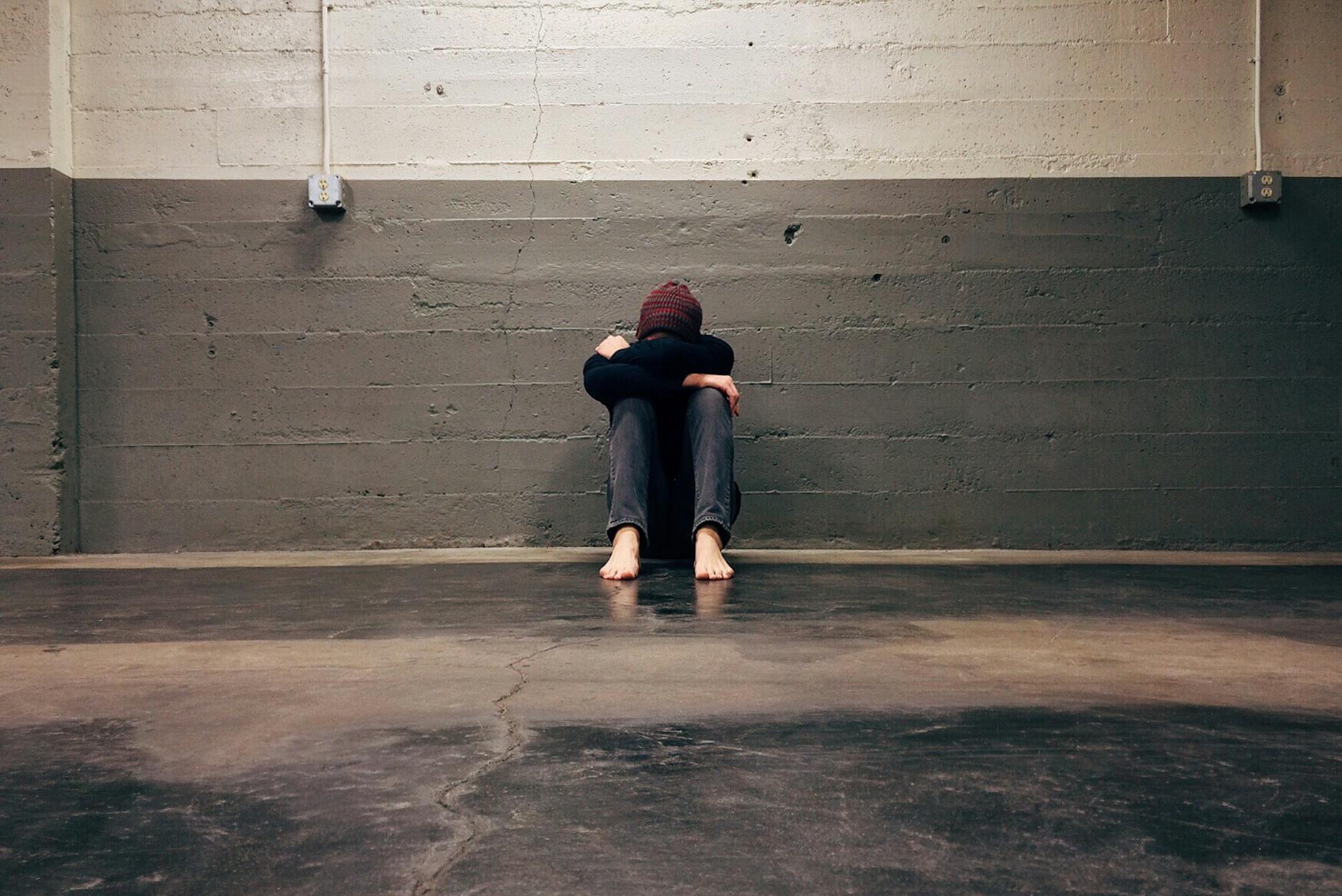
When anxiety and depression threatened to keep me home, I made a radical choice: solo travel. This isn't just a story about seeing the world, but about confronting inner demons, finding unexpected strength, and discovering that sometimes, the greatest journey is the one within. ---
## The Unseen Baggage: My Leap of Faith into Solo Travel with Anxiety and Depression
The world outside my window always seemed vibrant, beckoning. But inside, a different world raged. For years, anxiety had been a constant hum, a frantic drumbeat beneath my skin, while depression often draped itself over me like a heavy, suffocating blanket, muting colors and stealing motivation. The idea of "traveling solo" felt like a cruel joke. Me? Alone in an unfamiliar country, navigating new languages, customs, and logistics, all while trying to keep my own mind from unraveling? It sounded like a recipe for disaster.
Yet, there was a whisper. A tiny, insistent voice amidst the cacophony of self-doubt, urging me to find something beyond the familiar four walls of my comfort zone, which, paradoxically, had become a prison. I was tired of living by the rules of my mental health conditions. I craved an adventure, a shift, a challenge that might just prove I was stronger than my illnesses made me feel. So, one rainy Tuesday, after a particularly draining therapy session and armed with a shaky resolve, I booked a one-way ticket to Southeast Asia. My journey to travel solo with anxiety and depression was about to begin, carrying not just a backpack, but a heavy load of unseen baggage.
### Section 1: Pre-Departure Prep – Calming the Storm Before the Flight
The decision was made, but the storm within intensified. The weeks leading up to my departure were a maelstrom of "what ifs." What if I have a panic attack on the plane? What if I get lost and can't cope? What if I just want to stay in bed the whole time? These fears were legitimate, rooted in past experiences. But this time, I decided to confront them head-on, not by ignoring them, but by meticulously planning around them.
My first, and most crucial, step was consulting my therapist and doctor. We discussed my travel plans, potential triggers, and strategies for managing my anxiety and depression while abroad. My doctor ensured I had an adequate supply of my medication, plus a letter explaining my prescriptions – an essential, often overlooked detail for international travel.
Next, I focused on creating a "safety net." This wasn't about avoiding challenges, but about building resilience. I booked my first week's accommodation in a highly-rated guesthouse in Ubud, Bali – a place known for its tranquil atmosphere and wellness focus. This provided a secure, gentle landing pad, rather than throwing myself straight into the chaotic unknown. I chose a private room with air conditioning, knowing that having a comfortable, personal space to retreat to would be vital on overwhelming days. The cost was around $35/night, a little more than a hostel dorm, but worth every penny for peace of mind.
I also packed a "mental health toolkit":
* Journal and pens: For processing thoughts and feelings.
* Noise-cancelling headphones and comforting music/podcasts: Essential for flights, noisy environments, or moments of overstimulation.
* My favorite herbal tea bags: A familiar ritual for grounding.
* Lavender essential oil: For calming aromatherapy.
* A small, soft blanket or scarf: A comfort item from home.
* Offline meditation apps (like Calm or Headspace): Accessible anywhere.
* Emergency contact list (physical and digital): Including my doctor, therapist, and family.
* Copies of important documents: Passports, visas, insurance.
* Travel insurance: Non-negotiable, covering medical emergencies and trip interruptions.
Researching local mental health resources, even just knowing where the nearest English-speaking clinic was, provided an extra layer of reassurance. This proactive planning didn't erase my anxiety, but it transformed it from a paralyzing force into a manageable companion. I was preparing for the journey, both external and internal.
### Section 2: Touchdown in Bali – Navigating the Emotional Tides
Stepping off the plane in Denpasar, the humid air hit me first, thick and sweet with the scent of incense and exhaust. Then came the sensory overload: the cacophony of motorbikes, the vibrant colors of offerings, the constant chatter. For a moment, my anxiety flared, a familiar tightness in my chest. This is it, I thought, I've made a terrible mistake.
But then, I remembered my plan. I had pre-arranged airport transfer to Ubud (approximately 400,000 IDR or $27 USD), avoiding the stress of haggling with taxis. The drive through rice paddies and past intricate temples was a balm, a gentle introduction to a new world. My guesthouse in Ubud, nestled amidst lush greenery, felt like a sanctuary.
The first few days were a delicate dance. I allowed myself to slowly acclimatize. I didn't rush out to explore every temple or chase every Instagram-worthy spot. Some mornings, the blanket of depression would still try to pull me back down. I'd spend hours in my room, journaling, meditating, or simply staring at the geckos on the wall. And that was okay. I gave myself permission to have "down days" without guilt. This was a crucial lesson: solo travel with mental health challenges isn't about being "on" all the time; it's about listening to your body and mind.
One particularly challenging day, I found myself overwhelmed by the crowds at the Tegallalang Rice Terraces. The beauty was undeniable, but the sheer volume of people, the hawkers, the relentless heat – it was too much. I felt a panic attack brewing. Instead of pushing through, I found a quiet spot overlooking the terraces, put on my noise-cancelling headphones, and focused on my breath. After 20 minutes, I felt calmer. I then chose to leave and found solace at a nearby, less-crowded coffee shop, sipping a refreshing iced latte (about 30,000 IDR or $2 USD) and simply watching life go by. This ability to pivot, to prioritize my well-being over a planned itinerary, was a powerful act of self-care.
### Section 3: Finding Rhythm & Unexpected Joy – From Lisbon's Hills to Thai Beaches
As I moved beyond Bali, my confidence grew, but the emotional roller coaster continued. There were days of pure exhilaration, like hiking through the vibrant palaces and mystical gardens of Sintra, just outside Lisbon. The Pena Palace, with its whimsical colors, felt like stepping into a fairytale, and the views from the Moorish Castle were breathtaking. I took the train from Lisbon (a cheap, easy 40-minute ride, around €2.50 each way) and spent the day lost in wonder, feeling light and free.
But then there were days, like a rainy afternoon in Lisbon, where the grey skies mirrored my mood. I felt isolated, the energy to explore gone. Instead of forcing myself out, I embraced it. I found a cozy bookstore café, ordered a pastel de nata and coffee (€3), and simply read, people-watching. I allowed myself to feel the sadness, knowing it would pass. The key was not fighting the feelings, but acknowledging them and finding gentle ways to support myself through them.
Practical Tips for On-the-Road Mental Wellness:
* Prioritize Sleep: Stick to a routine as much as possible. A good night's rest is foundational.
* Nourish Your Body: Don't skip meals. Seek out fresh, local foods. Hydrate constantly.
* Move Your Body: Daily walks, yoga, swimming – physical activity is a potent mood booster.
* Connect (When You Feel Like It): Hostels with common areas, group tours, or language exchange meetups can be great for low-pressure socialization. I met incredible people on a street food tour in Bangkok (around 1,500 THB or $45 USD), sharing laughter and stories over delicious dishes, which lifted my spirits immensely.
Embrace Solitude (When You Need It): It's okay to decline invitations or spend a day alone. This is your* trip.
* Set Small, Achievable Goals: Instead of "see everything," try "visit one museum" or "find a good coffee shop."
* Mindfulness & Grounding: Use your senses. What do you see, hear, smell, taste, feel? This can pull you out of anxious thought spirals.
* Journaling: A powerful tool for processing emotions and tracking your mood.
* Stay Connected to Support System: Regular (but not excessive) check-ins with family or friends back home can provide comfort.
One of the most profound experiences was in Railay Beach, Thailand. After a particularly rough patch of anxiety, I decided to try a beginner rock-climbing session. My palms were sweaty, my heart pounded, but with the encouragement of the instructor, I slowly, painstakingly, made my way up. Reaching the top and looking out over the turquoise Andaman Sea, I felt an incredible surge of accomplishment. It wasn't just about climbing a rock; it was about proving to myself that I could push past fear, one handhold at a time. This feeling of mastery, of physical and mental challenge, became a powerful antidote to the helplessness I often felt with depression. The half-day climbing tour cost about 1,000 THB ($30 USD).
### Section 4: Budget-Friendly Adventures & Cultural Immersion
Solo travel, especially with mental health considerations, doesn't have to break the bank. In fact, many budget-friendly options can actually enhance the experience, fostering a sense of community and authenticity.
Accommodation:
* Hostels: Many now offer private rooms, combining the social aspect of a hostel with the privacy needed for quiet moments. Look for ones with good reviews for cleanliness and atmosphere. In Southeast Asia, a quality hostel dorm might be $10-15/night; a private room $25-40. In Europe, dorms range from €20-40, private rooms €50-80+.
* Guesthouses/Homestays: Often run by local families, these offer a more personal, quiet experience at reasonable prices.
* Airbnb/Booking.com: Filter for "private room" in an apartment, allowing for local interaction while still having your own space.
Transportation:
Public transport: Buses, trains, and subways are almost always the cheapest way to get around. They also offer a fantastic window into local life. I loved taking the vibrant songthaews* (shared pick-up trucks) in Chiang Mai, Thailand, for just 30 THB ($1 USD) per ride.
* Walking: Free, great exercise, and the best way to truly soak in a city.
* Ride-sharing apps (Grab, Uber): For safety and convenience, especially at night or when feeling overwhelmed.
Food:
* Street food: Delicious, authentic, and incredibly cheap. In Vietnam, a bowl of pho might be 30,000 VND ($1.20 USD).
* Local markets: Buy fresh produce and snacks.
* Cook your own: If your accommodation has a kitchen, cooking can save money and provide a comforting, familiar activity.
Activities:
* Free walking tours: Great for orientation and meeting other travelers.
* Parks and nature trails: Always free and incredibly therapeutic.
* Museums: Many offer free entry days or student discounts.
* Local festivals: Immerse yourself in culture without spending much.
Cultural Insights & Local Perspectives:
Engaging with locals was a significant part of my healing journey. In Hoi An, Vietnam, I took a lantern-making class (around 200,000 VND or $8 USD). My instructor, a kind elderly woman, shared stories of her family and the symbolism of the lanterns. Her calm demeanor and the focused, repetitive task of crafting something beautiful were incredibly grounding. These moments of genuine connection, even fleeting ones, reminded me of the universal human spirit and lessened my feelings of isolation.
I also learned to observe. In Buddhist cultures like Thailand, the emphasis on mindfulness and compassion resonated deeply with me. Visiting temples, watching monks chant, and participating in a short meditation retreat (a donation-based experience) offered new perspectives on dealing with suffering and finding inner peace.
Safety Tips:
For solo travelers, especially those managing mental health, safety is paramount.
* Trust your gut: If a situation feels off, remove yourself.
* Share your itinerary: Let a trusted friend or family member know your plans.
* Stay aware of your surroundings: Avoid walking alone at night in unlit areas.
* Secure your belongings: Use anti-theft bags, lock up valuables in hostels.
* Learn basic phrases: "Hello," "thank you," "help" in the local language can go a long way.
* Have a local SIM card: For navigation and emergencies.
### Section 5: The Return Home – Carrying the Journey Within
My solo travel adventure wasn't a "cure" for my anxiety and depression. That would be an unrealistic expectation. But it was profoundly transformative. Returning home wasn't without its challenges – the post-travel blues are real, even after an amazing trip. The familiar triggers were still there, the comfort of routine sometimes felt stifling after the freedom of the road.
However, I returned with new tools, new perspectives, and an undeniable inner strength. I had faced my fears, navigated countless unknowns, and found moments of profound joy, connection, and peace, all while managing my mental health. I learned that I was capable of far more than I had given myself credit for.
The coping mechanisms I practiced on the road became ingrained habits: the daily journaling, the mindful walks, the permission to rest without guilt, the courage to seek connection. I learned to be kinder to myself, to accept that some days would be harder than others, and that was okay. My journey wasn't about escaping my mental health conditions; it was about learning to travel with them, to understand them, and to still live a rich, adventurous life.
### Conclusion: Your Adventure Awaits – Dare to Journey Within
Solo travel with anxiety and depression is not for the faint of heart. It demands courage, planning, and radical self-compassion. There will be tough days, moments of doubt, and perhaps even tears. But there will also be sunrises that take your breath away, unexpected friendships forged over shared meals, moments of quiet introspection that redefine your understanding of yourself, and triumphs that will echo in your memory long after you've returned home.
My journey taught me that while my mental health conditions are a part of me, they do not define my potential for adventure, joy, or resilience. They are simply part of the baggage I carry, and I've learned how to pack them a little lighter, how to unpack them when needed, and how to still find wonder in the world, one step at a time.
If you're reading this and feeling that same whisper, that yearning for something more, despite the inner struggles, consider this your sign. Start small. Plan meticulously. Be kind to yourself. The world is waiting, and perhaps, more importantly, a stronger, more resilient you is waiting to be discovered.
What's stopping you from taking that first brave step? Share your thoughts or questions in the comments below. Let's inspire each other to explore, both the world and our own incredible inner landscapes.
---
Visual journey


Tags
Share this adventure
Join the travel community
New adventures, cultural insights and travel inspiration, straight to your inbox.
We may receive a commission if you click on a link and buy a product, service or policy, at no extra cost to you. How affiliate links work.
Been there?