

Skeptical at first, I decided to brave the monsoon season for my latest adventure, expecting nothing but gloom. What I found instead was a world transformed into an emerald paradise, brimming with unexpected beauty, profound tranquility, and unforgettable experiences that changed my travel perspective forever. ---
## I Traveled During Monsoon Season and Found Magic, and I Can't Stop Thinking About It
Let's be honest, the thought of traveling during monsoon season usually conjures up images of endless downpours, muddy roads, cancelled plans, and a general sense of dreary discomfort. For years, I subscribed to this popular notion, carefully scheduling my trips to avoid the 'wet months'. Why intentionally seek out rain when you could have glorious sunshine, right?
But then, last August, a peculiar blend of cabin fever, a nagging desire for something different, and an irresistible flight deal to India conspired to challenge my long-held belief. "What's the worst that could happen?" I mused, booking a solo trip to Kerala and Goa smack-bang in the middle of their monsoon. My friends thought I was mad. My family raised eyebrows. Even I had a faint tremor of apprehension. I envisioned myself holed up in a hotel room, watching Netflix, utterly defeated by the relentless rain.
Oh, how gloriously, magnificently wrong I was.
What unfolded over the next two weeks wasn't just a trip; it was an awakening. It was a journey into a world painted in a hundred shades of green, where the air hummed with life, and the very act of existing felt profoundly, intensely alive. I didn't just travel during the monsoon; I experienced it. And now, I can't stop thinking about the magic I found, and I'm here to tell you why you should consider chasing the rain too.
### The Myth vs. The Reality: Why Monsoon Travel Isn't What You Think
Before I dive into my adventures, let's debunk some common myths about monsoon travel. The biggest misconception is that it rains all the time. While some regions do experience heavy, continuous downpours, many places, especially popular tourist destinations, see intermittent showers. You might have a torrential downpour for an hour, followed by glorious sunshine, then another shower in the evening. This creates incredible atmospheric drama – think brooding skies giving way to vibrant rainbows, or misty mornings transforming into clear, crisp afternoons.
My first day in Kochi, Kerala, started with a steady drizzle. I was ready to wallow in self-pity, but then, around lunchtime, the clouds broke. The sun burst through, illuminating the ancient fort walls, and the air smelled incredibly fresh, washed clean. The puddles reflected the sky like shattered mirrors. It wasn't gloomy; it was dynamic. This pattern repeated throughout my trip – moments of intense rain, followed by periods of calm and even sunshine, allowing for plenty of exploration.
Another myth is that everything shuts down. While some beach shacks might pack up and certain adventure activities like white-water rafting might be too dangerous, many establishments, especially hotels and guesthouses, remain open, often offering incredible off-season deals. Local life continues, sometimes even more vibrantly, as the land rejuvenates.
Practical Tip:
Research your specific destination. Some places are better suited for monsoon travel than others. Coastal areas might face rough seas, but hill stations and backwater regions often thrive.
### Lush Landscapes & Dramatic Skies: A Photographer's Dream
If you're a nature lover or a photographer, monsoon season is your secret weapon. The world transforms into an emerald tapestry, vibrant and alive. Every leaf glistens, every blade of grass seems to hum with energy. The dust settles, revealing colors so vivid they almost hurt your eyes.
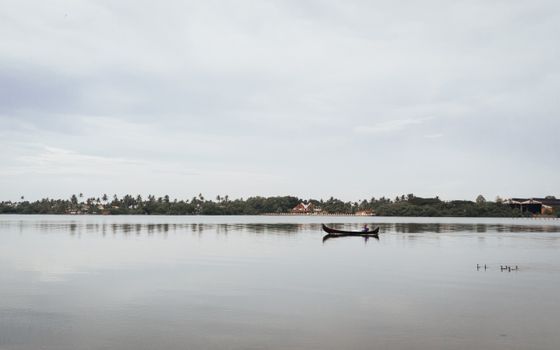
In Kerala's backwaters, navigating the serene canals on a traditional houseboat, the coconut groves seemed impossibly green, almost glowing against the slate-grey sky. The water, usually a placid blue, took on a deeper, richer hue, reflecting the dramatic cloud formations like a masterpiece. One evening, as the sun dipped below a blanket of clouds, it painted the sky in fiery oranges and purples, a spectacle made even more intense by the moisture in the air. I captured shots that day that I still look at with awe – the kind of light and mood you just don't get in peak season.
Later, in the Western Ghats, near Munnar, the tea plantations rolled across the hills like a velvet carpet, shrouded in mist that danced and swirled with the breeze. Waterfalls, often mere trickles in drier months, roared to life, cascading down the mountainsides with incredible force. The air was cool, crisp, and carried the scent of wet earth and fresh tea leaves. It was an immersive sensory experience.
Instagram-Worthy Moment:
Imagine a vibrant green tea plantation shrouded in ethereal mist, with a single ray of sun breaking through the clouds, illuminating a tiny village nestled in the valley. #MonsoonMagic #KeralaGreens #NaturePhotography
Practical Tip for Photographers:
Pack a good waterproof camera bag, lens cloths, and silica gel packets to protect your gear from moisture. An umbrella or rain cover for yourself is also essential. Embrace the moody light and dramatic skies!
### The Gift of Solitude: Fewer Crowds, Deeper Connections
Perhaps the most unexpected and cherished gift of monsoon travel was the profound sense of solitude. Imagine iconic tourist spots, usually bustling with crowds, now almost deserted. No queues, no jostling for the perfect photo op, just you and the raw beauty of the place.
In Alleppey, I booked a private houseboat for a day and night. During peak season, these backwaters are a highway of houseboats. In monsoon, it felt like I had the entire network of canals to myself. My captain, an elderly man named Raju, shared stories of his life, his family, and the rhythm of the backwaters, unhurried and authentic. We stopped at a tiny village, where children, unaccustomed to tourists at this time, greeted me with shy smiles and curious waves. I bought freshly caught prawns from a local fisherman, which Raju’s wife cooked for dinner – a simple, yet unforgettable meal shared under the gentle patter of rain on the roof.
Later, in Goa, the usually packed beaches of Palolem and Agonda were serene, almost empty. The few shacks that remained open were run by locals who had time to chat, share a cup of chai, and offer genuine insights into their lives. I spent an afternoon at a small, family-run restaurant, listening to the rain drumming on the tin roof, chatting with the owner about the fishing season, and enjoying some of the freshest seafood I've ever tasted. It wasn't just a meal; it was a connection.
This lack of crowds allows for a different kind of travel – slower, more introspective, and more deeply connected to the local culture and environment. It's an opportunity to truly be in a place, rather than just passing through it.
Practical Tip:
Don't be afraid to strike up conversations with locals. With fewer tourists, they often have more time and inclination to share their stories and recommendations. You might discover hidden gems not found in any guidebook.
### Budget-Friendly Bliss: Making Your Money Go Further
Let's talk logistics. Off-season travel, by its very nature, often means better deals. And monsoon season, being the ultimate off-season for many destinations, is no exception.
My flight to Kochi, which would have cost upwards of $800-1000 in December, was a steal at $450. Accommodation prices were slashed significantly. I stayed in a charming heritage guesthouse in Fort Kochi for just $30 a night, complete with a delicious breakfast. My private houseboat experience in Alleppey, usually around $150-200, cost me $100 for the entire day and night, including all meals. Even scooter rentals in Goa were cheaper, around $5 a day instead of the usual $7-10.
These savings allowed me to extend my trip, indulge in better food, and participate in experiences I might have otherwise skipped. I treated myself to an Ayurvedic massage in Kerala, a perfect antidote to the damp weather, for a fraction of the peak-season price. I took a cooking class in Goa, learning to prepare authentic curries, something I wouldn't have had the budget or time for if I was rushing through crowded attractions.
Specific Example:
A boutique hotel in Candolim, Goa, that lists at $120/night in December, was offering rooms for $50/night in July. I nabbed a stunning room with a balcony overlooking a lush garden, feeling like I'd won the lottery.
Practical Tip:
Always check hotel and flight booking sites for 'off-season' or 'monsoon season' deals. Many establishments will offer special packages to attract the few brave travelers. Don't be afraid to negotiate, especially for longer stays.
### My Monsoon Adventures: Destinations That Shone
While the monsoon can be magical in many parts of the world, a few places truly came alive for me.
#### 1. Kerala, India: God's Own Country in its Greenest Glory
Kerala, already known as 'God's Own Country,' truly lives up to its name during the monsoon. The backwaters are serene, the Western Ghats are mystical, and the culture feels deeply authentic.
* Alleppey (Alappuzha) Backwaters: My houseboat experience was the highlight. Imagine waking up to the sound of rain on the roof, mist clinging to the palm trees, and the gentle lapping of water against the boat. We navigated through narrow canals, past tiny villages, rice paddies, and local life unfolding by the water's edge. The air was cool, the pace was slow, and the sense of peace was profound.
* Cost: Private houseboat for 1 night/2 days (including all meals): approx. $100-120 (negotiated).
* Experience: Kayaking through flooded rice paddies, watching local fishermen, savoring fresh seafood cooked onboard.
* Munnar & The Western Ghats: The tea plantations here are breathtaking at any time, but in monsoon, they are an otherworldly emerald sea. I took a local bus (another great budget tip!) up into the hills, watching the landscape transform. Mist rolled in and out, revealing dramatic vistas and hidden waterfalls. I hiked through a local tea estate, the air thick with the scent of damp earth and tea leaves, and sipped hot chai at a tiny roadside stall, watching the clouds drift by.
* Cost: Guesthouse in Munnar: $25-40/night. Bus fare: negligible.
* Experience: Trekking through misty tea gardens, visiting a spice plantation, witnessing gushing waterfalls like Attukad Falls.
#### 2. Goa, India: A Different Kind of Chill
Goa, often synonymous with wild parties and crowded beaches, transforms into a laid-back, introspective haven during the monsoon. The party scene quietens down, but the natural beauty shines.
* South Goa (Palolem, Agonda): These usually bustling beaches become tranquil retreats. The waves are bigger, making swimming a bit more adventurous (or just a great show from the shore). The remaining shacks offer cozy spots to read, write, and enjoy the sound of the ocean. I spent hours simply walking along the deserted sands, collecting shells, and watching the dramatic skies.
* Cost: Beach hut/guesthouse: $20-40/night. Scooter rental: $5/day.
* Experience: Long, meditative beach walks, savoring fresh seafood at a quiet shack, exploring the lush inland villages on a scooter.
* Dudhsagar Falls: While the falls are impressive year-round, after a good monsoon, they are absolutely roaring. The name "Dudhsagar" translates to "Sea of Milk," and it truly looks like a torrent of white milk cascading down the mountainside. The journey to the falls, often involving a bumpy jeep ride through the Bhagwan Mahavir Wildlife Sanctuary, becomes an adventure in itself, with lush greenery everywhere.
* Cost: Jeep safari to falls: approx. $20-30 (shared).
* Experience: Witnessing the sheer power of nature, spotting wildlife in the sanctuary, feeling the spray of the falls.
### Practicalities & Preparation: How to Embrace the Rain
So, you're convinced? You want to chase the monsoon magic? Here's how to prepare for a comfortable and enjoyable trip:
1. Waterproof Everything:
* Clothing: Pack quick-dry fabrics. Synthetics are your friend. Avoid denim or heavy cotton, which take ages to dry. A lightweight waterproof jacket and trousers are essential.
* Footwear: Waterproof sandals (like Tevas or Crocs) or sturdy, waterproof hiking shoes are a must. Your fancy sneakers will get soaked and muddy.
* Bags: A waterproof backpack cover is crucial. Consider a dry bag for electronics and important documents.
* Electronics: Keep your phone and camera in waterproof pouches. Silica gel packets can absorb moisture if things get damp.
2. Health & Safety:
* Mosquitoes: Monsoon means more standing water, which means more mosquitoes. Pack a strong insect repellent (DEET or Picaridin). Cover up in the evenings.
* Slippery Surfaces: Roads and trails can be incredibly slippery. Wear appropriate footwear and watch your step.
* Food & Water: Stick to bottled water. Be cautious with street food, as hygiene can be an issue. Choose busy, popular stalls where food is cooked fresh.
* Check Forecasts: While the weather can be unpredictable, keep an eye on local forecasts for any major storm warnings.
3. Transportation:
* Delays: Be prepared for potential flight, train, or bus delays due to heavy rain or landslides, especially in hilly regions. Build some buffer time into your itinerary.
* Road Conditions: Some roads might be muddy or temporarily closed. Have a flexible mindset and be open to alternative routes or modes of transport.
4. Mindset is Key:
* Flexibility: Embrace the unexpected. Your plans might change, and that's okay. Some of my most memorable moments were unplanned detours caused by the weather.
* Embrace the Rain: Don't let a shower ruin your day. Put on your rain gear, grab an umbrella, and step out. There's a unique joy in walking in the rain, especially when you're prepared.
* Slow Down: Monsoon travel encourages a slower pace. Enjoy long coffee breaks, read a book, watch the rain, or simply soak in the atmosphere.
### The Magic Lingers
Returning home, the scent of petrichor (the smell of rain on dry earth) still lingered in my memory. The vibrant greens were etched into my mind. My perspective on travel, and even on life, had shifted. I had sought an escape from the mundane, and instead, I found a profound connection with nature, with local life, and with myself.
Monsoon travel isn't for everyone. If you're chasing guaranteed sunshine and pristine beaches, it might not be your cup of chai. But if you're an adventurer at heart, if you crave authenticity, if you're willing to step outside your comfort zone and embrace the wild, unpredictable beauty of nature, then the monsoon will reward you tenfold. It’s an experience that awakens the senses, challenges perceptions, and leaves an indelible mark on your soul.
So, the next time the 'off-season' rolls around, don't shy away. Consider packing your waterproofs and chasing the rain. You might just find your own kind of magic, a magic that will stay with you long after the clouds have cleared.
What's your most unexpected travel experience? Have you ever considered a monsoon adventure? Share your thoughts in the comments below!
---
Visual journey



Tags
Share this adventure
Join the travel community
New adventures, cultural insights and travel inspiration, straight to your inbox.
We may receive a commission if you click on a link and buy a product, service or policy, at no extra cost to you. How affiliate links work.
Other angles on this trip
These notes are written by AI to show how different kinds of traveller might see this destination. They are not comments from real readers.