

Imagine soaring above a smoking caldera, the air thick with sulfur, the ground rumbling beneath you. My journey over Mount Etna wasn't just a trip; it was a heart-stopping, awe-inspiring adventure that unexpectedly went viral, and I'm thrilled to share every electrifying detail and practical tip so you can experience it too. ---
## I Took a Cable Car Over an Active Volcano that Went Viral for Good Reason
The moment I stepped into that cable car, a knot of pure exhilaration and a healthy dose of fear tightened in my stomach. Below us, the lush green slopes of Sicily gave way to a stark, alien landscape of black lava flows. Above, Mount Etna, Europe's most active volcano, exhaled a plume of white smoke into the impossibly blue Italian sky, a constant, living reminder of the fiery power simmering beneath our feet. My phone was clutched in my hand, recording, but nothing could truly capture the sensory overload of that ascent.
Little did I know, that shaky, awe-struck video I posted from inside the cable car, showcasing the moon-like terrain and the distant rumble of the volcano, would soon explode across social media. Within days, it had hundreds of thousands of views, countless shares, and comments ranging from "Are you insane?!" to "This is my dream trip!" It was a moment of travel magic, proving that sometimes, the most profound adventures are those that push you right to the edge of your comfort zone. And trust me, soaring over an active volcano does just that, for all the right reasons.
### Etna's Allure: Why I Chose the Fiery Giant
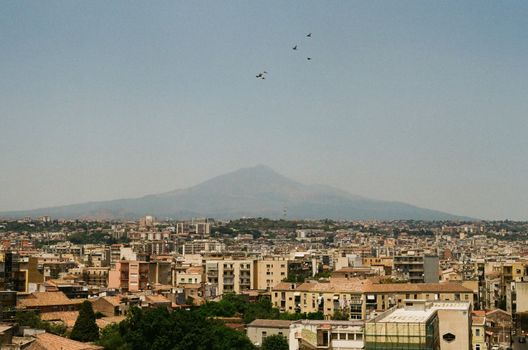
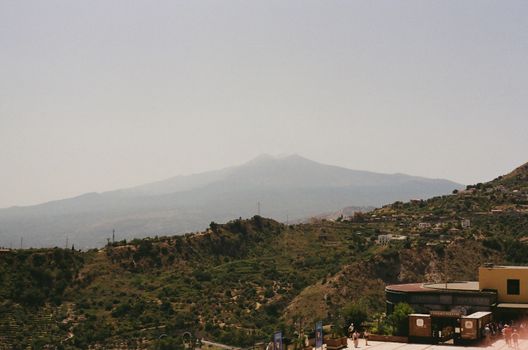
My quest for an "extreme" travel experience led me to Sicily, an island already brimming with ancient history, stunning coastlines, and mouthwatering food. But it was the promise of Mount Etna that truly called to me. Standing majestically at over 3,300 meters, Etna isn't just a mountain; it's a living, breathing geological marvel, constantly reshaping itself with fiery eruptions, steam vents, and lava flows. It’s a place where you truly feel the raw power of our planet.
The idea of seeing an active volcano up close was thrilling, but the thought of hiking for hours through potentially dangerous terrain was a bit daunting. That's when I discovered the cable car – the Funivia dell'Etna. It offered a way to ascend quickly and safely to a high altitude, opening up the upper reaches of the volcano to a wider range of travelers. It felt like the perfect blend of adventure and accessibility. My research led me to the south side of Etna, known as Etna Sud, the most popular and organized entry point for visitors, accessible from Catania.
### The Ascent: Cable Car Over a Lunar Landscape
My journey began early in the morning from Catania, a vibrant city that lives in Etna's shadow. A local bus, surprisingly efficient, took me directly to Rifugio Sapienza, the base station for the Funivia dell'Etna, nestled at around 1,900 meters above sea level. Even at this relatively low altitude, the air was crisp, and the landscape was already beginning to transform.
The cable car station itself is a hive of activity, with eager tourists buzzing around. I'd bought my ticket online in advance (a smart move, especially in peak season!), which saved me some time. The ticket options vary, but typically include the cable car ascent, and often, an optional 4x4 jeep ride and guided hike further up. I opted for the full package – if I was going to do this, I was going all in.
Stepping into the cable car was like entering a giant glass bubble. As it slowly pulled away from the station, the world below shrank rapidly. The initial views were of a surprisingly green, albeit rugged, landscape dotted with hardy shrubs. But soon, that gave way to a dramatic transformation. The ground turned darker, then a deep, rich black, sculpted by ancient lava flows. It was like watching the Earth's raw geology unfold beneath me.
The cable car journey itself takes about 15-20 minutes, climbing steadily to around 2,500 meters. The silence inside was often broken only by the gentle creak of the cables and the occasional gasp from fellow passengers as a particularly stunning vista opened up. I remember pressing my face against the cool glass, mesmerized by the intricate patterns of solidified lava, the way the light played off the volcanic rock. And then, the first whiff of sulfur hit me – a subtle, metallic scent that served as a potent reminder: this wasn't just a mountain, it was a living, breathing volcano. That's where the viral video started, capturing the surreal beauty and the nervous excitement in my eyes.
### Beyond the Cables: Jeeps, Guides, and the Upper Craters
Upon disembarking the cable car at 2,500 meters, the landscape had fully embraced its lunar persona. The air was noticeably thinner and colder, even on a sunny day. Gone were any traces of greenery; it was a vast expanse of volcanic ash, ancient craters, and dramatic rock formations. This is where the next stage of the adventure began: the specialized 4x4 jeeps, often referred to as Unimogs.
These robust vehicles are designed to navigate the extremely rugged, unpaved terrain that lies beyond the cable car station. The jeep ride itself is an adventure! We bounced and jostled our way across vast lava fields, a cloud of dust trailing behind us. Our driver, a seasoned local, navigated with impressive skill, pointing out various features and recounting stories of past eruptions.
The jeep dropped us off at around 2,900 meters, near the base of the main summit craters. From here, further exploration is only permitted and safe with a certified volcanological guide. This is a non-negotiable safety measure, and for good reason. These guides are experts, constantly monitoring the volcano's activity, knowing which paths are safe, and providing invaluable insights into Etna's geology and history. My guide, a jovial Sicilian named Marco, spoke excellent English and had an infectious passion for his "mountain."
The hike from the jeep drop-off point was exhilarating. The terrain was challenging in places – loose volcanic ash made for slippery footing, and the altitude meant every step felt a little heavier. But the sheer spectacle kept me going. We walked past steam vents, feeling the surprising warmth emanating from the ground. Marco showed us different types of lava rock, explaining their formation, and pointed out the remnants of past, massive eruptions. The views were simply out of this world – a panorama of ancient craters, newer lava flows, and in the distance, the shimmering blue of the Ionian Sea.
### Up Close and Personal with a Living Giant
Standing on the slopes of an active volcano is a truly humbling experience. The air was thick with the scent of sulfur, and a low, persistent rumble emanated from the earth, a sound that felt more like a vibration in my chest than something I heard with my ears. We were close enough to see the smoke curling from the summit craters, a constant reminder of the immense power beneath. Marco explained that while major explosive eruptions are rare and well-monitored, Etna frequently exhibits effusive eruptions (lava flows) and Strombolian activity (small, explosive bursts of ash and rock) from its various summit craters.
I remember one particular moment, standing on a ridge, when a stronger gust of wind carried a distinct plume of sulfur gas directly towards us. It was momentary, but the sharp, acrid smell was intense, a powerful, primal reminder of where we were. It wasn't scary in a terrifying way, but in a way that commanded immense respect for nature's raw, untamed force.
Looking out across the vast, desolate landscape, it felt like being on another planet. The silence, broken only by the wind and the volcano's low growl, was profound. It makes you feel incredibly small, yet incredibly connected to the fundamental processes of the Earth. It's a feeling that stays with you long after you've descended. This raw, unfiltered connection to nature's power is precisely what made my video so compelling to so many people – it captured that sense of awe and wonder that's hard to find anywhere else.
### Plan Your Epic Etna Expedition: Practical Tips & Costs
Ready to face the fire? Here’s everything you need to know to plan your own unforgettable trip to Mount Etna.
#### Getting There:
* Fly to Catania (CTA): This is the closest major airport.
* From Catania to Rifugio Sapienza (Etna Sud):
* Bus: The AST bus departs daily from Catania's main train station (Piazza Papa Giovanni XXIII) in the morning (check current schedules, usually around 8:15 AM) and returns in the late afternoon. It’s the most budget-friendly option.
* Rental Car: Offers the most flexibility. The drive up is scenic and well-paved. Parking is available at Rifugio Sapienza (paid).
* Organized Tour: Many companies offer day trips from Catania or Taormina, including transport, cable car, jeep, and guide. This is the most hassle-free option, albeit usually the most expensive.
#### The Experience & Costs (Approximate, always check current rates!):
* Funivia dell'Etna (Cable Car only): Around €35-40 return. This takes you to 2,500m. You can walk around this area, but cannot go higher without a guide/jeep.
* Cable Car + 4x4 Jeep to 2,900m: Around €70-75 return. This gets you further up, but you still need a guide for the highest accessible points.
* Cable Car + 4x4 Jeep + Volcanological Guide to Summit Craters (when permitted, usually 3000-3300m): This is the full experience, typically costing €90-110 per person. This is what I did and highly recommend for the most immersive and safe experience.
* Guided Trekking Tours (from base): Some companies offer full-day guided treks from Rifugio Sapienza, often including some jeep transport. Prices vary.
Budget Tip:
If you're on a tight budget, even just taking the cable car to 2,500m offers incredible views and a taste of the lunar landscape. Bring your own snacks and water as food at the refuges can be pricey.
#### Best Time to Visit:
* Spring (April-June) & Autumn (September-October): Generally considered the best times. The weather is milder, and visibility is usually excellent. Crowds are manageable.
* Summer (July-August): Very popular, so expect more crowds. It can be hot at the base, but still cool and windy at altitude. Book everything in advance.
* Winter (November-March): A completely different experience, with snow often covering the upper slopes. Skiing is possible! However, access to the highest craters can be limited or impossible due to snow and ice.
#### What to Wear and Bring:
This is crucial! Even in summer, it's significantly colder and windier at altitude.
* Layers, layers, layers! A base layer, a fleece or sweater, and a wind/waterproof jacket are essential.
* Sturdy hiking boots: The terrain is uneven, rocky, and covered in loose ash. Trainers are not sufficient.
* Hat and gloves: Especially outside of peak summer.
* Sunscreen and sunglasses: The sun's intensity is much higher at altitude.
* Water and snacks: Hydration is key, and you'll burn calories hiking.
* Small backpack: To carry your essentials.
* Camera/Phone: For those viral-worthy shots!
* Walking poles (optional): Can be helpful for stability on loose ash.
### Safety First: Respecting the Volcano's Power
Mount Etna is an active volcano, and while visiting is generally safe, it demands respect.
* Always go with a certified volcanological guide for any exploration above the 2,900m mark or if you're venturing off the main paths. Their knowledge is invaluable for your safety.
* Check activity levels: Before you go, check the official Etna volcano monitoring websites or ask local tour operators about the current activity status. Access to certain areas can be restricted during periods of heightened activity.
* Follow your guide's instructions: They know the terrain, the weather patterns, and the volcano's behavior.
* Be aware of altitude sickness: Take it slow, stay hydrated, and if you feel unwell, inform your guide.
* Weather changes rapidly: Clouds can roll in quickly, reducing visibility and dropping temperatures. Be prepared.
* Stay on marked paths: Venturing off can lead to unstable ground, hidden fissures, or restricted areas.
### Capture the Awe: Making Your Etna Trip Viral-Ready
My video caught fire because it captured the raw emotion and the utterly unique landscape. Here's how you can make your own Etna content shareable and Instagram-worthy:
* Embrace the scale: Frame your shots to show the vastness of the volcanic landscape, with the cable car, jeeps, or people in the foreground to provide a sense of scale.
* Capture the contrast: The black volcanic rock against the blue sky, or the distant green plains against the stark upper slopes, creates powerful imagery.
* Focus on the details: The textures of the lava, the steam escaping from a vent, the crunch of volcanic ash underfoot – these sensory details translate well into engaging content.
* Video is key: A short, well-shot video of the cable car ascent, the jeep ride, or even just the smoke plume from the craters, often performs better than still photos for conveying the experience.
* Time-lapse: If you have the gear, a time-lapse of the clouds rolling in or the changing light can be mesmerizing.
* Authenticity over perfection: Don't obsess over getting the "perfect" shot. Capture your genuine reactions, the awe, the wonder. That's what resonates with people.
* Hashtags: Use relevant and popular hashtags like #MountEtna #VolcanoAdventure #SicilyTravel #Tripsora #CableCarViews #ExtremeTravel #ItalyAdventure and #TravelGram to reach a wider audience.
### The Volcano's Call: Go Experience It For Yourself!
My cable car ride over Mount Etna wasn't just a trip; it was a profound encounter with the Earth's enduring power, a reminder of the incredible beauty and raw force that shapes our world. It was terrifying, exhilarating, and utterly unforgettable – and the fact that it resonated so deeply with so many people online only amplified its magic.
If you're seeking an adventure that will ignite your senses, challenge your perceptions, and leave you with stories that will last a lifetime, then Mount Etna is calling. It's more than just a tourist attraction; it's a pilgrimage to a living legend. Are you ready to answer its call? To feel the rumble, smell the sulfur, and witness the majesty of a truly active volcano from above? Trust me, it’s an experience that’s worth every penny, every step, and every moment of awe-struck silence.
Go. Explore. Be amazed. And don't forget to share your own viral-worthy moments!
---
Visual journey


Tags
Share this adventure
Join the travel community
New adventures, cultural insights and travel inspiration, straight to your inbox.
We may receive a commission if you click on a link and buy a product, service or policy, at no extra cost to you. How affiliate links work.
Been there?