

Imagine yourself face-to-face with the ocean's largest fish – a moment so profound it stops time. This isn't just a dream; it's a real, accessible adventure, and I'm here to tell you exactly how you can experience the breathtaking magic of swimming with whale sharks in their natural habitat. Prepare to be inspired to dive into the most unforgettable marine encounter of your life! ---
The moment the guide yelled, "Go! Go! Go!" my heart leaped into my throat. The water, a brilliant, almost impossibly clear turquoise, beckoned, but my mind was still grappling with the sheer audacity of what I was about to do. I was about to jump into the open ocean, not just with a fish, but with the largest fish in the world: a whale shark. This wasn't a curated aquarium experience; this was raw, wild, and utterly exhilarating.
For years, "swim with whale sharks" sat proudly at the very top of my travel bucket list. It was a dream whispered in quiet moments, a fantasy fueled by stunning Instagram posts and intrepid travel documentaries. The idea of sharing the ocean with such a magnificent, gentle giant felt almost too good to be true. But there I was, mask on, fins ready, standing on the edge of a panga boat off the coast of La Paz, Mexico, about to plunge into a reality far more incredible than any dream.
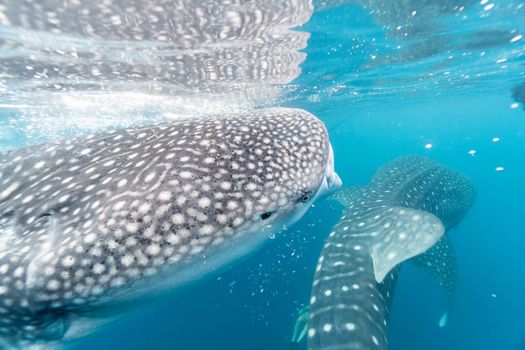
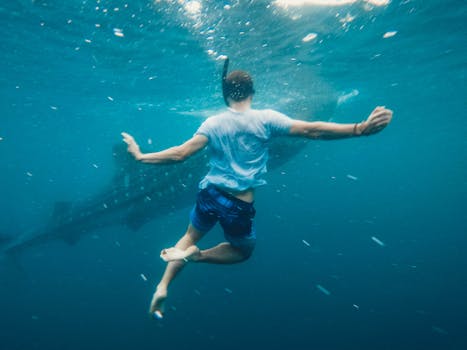
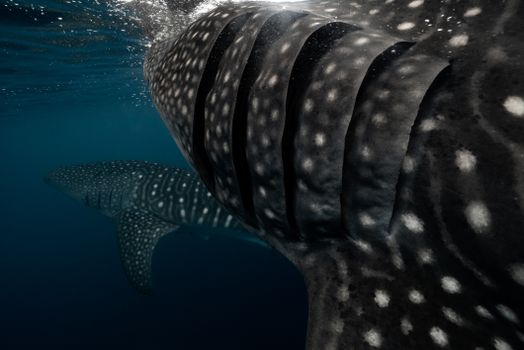
The initial shock of the cool water quickly gave way to a surge of adrenaline as I pushed my face into my mask. And then, there it was. Not a distant shadow, but a colossal, speckled form gliding effortlessly through the blue. Its massive mouth, like a cavernous, dark opening, was slowly filtering plankton, utterly oblivious to the tiny human now frantically finning alongside it. My breath caught in my chest, and for a few precious seconds, the world outside that underwater tableau ceased to exist. It was just me, the ocean, and this ancient, majestic creature.
This wasn't just a swim; it was a communion. A humbling, awe-inspiring dance with a creature that has roamed these waters for millennia. And if you're anything like me, reading this, your own adventurous spirit is probably stirring. So, let's dive into how you can make this extraordinary dream a reality, responsibly and unforgettably.
### The Gentle Giants: Understanding the Ocean's Largest Fish
First things first: let's clear up some common misconceptions. Despite their imposing size – often reaching lengths of 18 meters (60 feet) and weighing over 20 metric tons – whale sharks (Rhincodon typus) are not whales. They are, in fact, the largest fish in the world! And despite the "shark" in their name, they are filter feeders, meaning they sustain themselves on plankton, small fish, and krill. They have no interest in humans and possess no sharp teeth. They are truly the gentle giants of the ocean, moving with a serene grace that belies their colossal stature.
Their distinctive pattern of white spots and stripes on a grey-blue background is unique to each individual, like a fingerprint, making them easily identifiable to researchers. They are migratory creatures, following plankton blooms to various warm-water locations around the globe, which is why their presence in specific areas is seasonal. Understanding these magnificent animals is the first step towards appreciating the privilege of sharing their world.
### Where Dreams Swim: Top Ethical Whale Shark Destinations
Choosing the right destination for your whale shark encounter is paramount, not just for an incredible experience, but also for ensuring you're supporting ethical, sustainable tourism practices. While there are several places worldwide where these magnificent creatures congregate, some stand out for their commitment to marine conservation and responsible interactions.
My Top Recommendation: La Paz, Baja California Sur, Mexico
This is where I had my unforgettable encounter, and for good reason. The Bay of La Paz, a jewel within the Sea of Cortez (dubbed "the aquarium of the world" by Jacques Cousteau), is a critical feeding ground for whale sharks.
* Why La Paz? The operators here are generally well-regulated, prioritizing the well-being of the sharks. Tours are typically small groups (6-10 people) on pangas (small, open boats), ensuring minimal disturbance. Guides are knowledgeable, often marine biologists or passionate conservationists, and strictly enforce rules like maintaining distance (usually 3-4 meters), no touching, and no flash photography. The waters are also incredibly clear and calm, making for excellent visibility.
* Best Time to Visit: The whale shark season in La Paz generally runs from October to April, with peak sightings often in the cooler months between November and March.
* Typical Tour Experience: Most tours depart early in the morning, beginning with a scenic boat ride into the designated whale shark zone. Guides work together, spotting the distinct shadows of the sharks from the surface. Once a shark is located, the boat approaches slowly, and groups of 2-4 snorkelers (accompanied by a guide) are given the signal to enter the water. You'll spend about 15-20 minutes swimming alongside a shark before rotating with other groups. My tour managed to find multiple sharks, allowing for several incredible opportunities.
* Approximate Prices: Whale shark tours in La Paz typically range from $100 to $150 USD per person. This usually includes snorkel gear, wetsuit, water, snacks, and a knowledgeable guide. Some tours combine the whale shark experience with a visit to Espíritu Santo Island or sea lion colonies, which might be a bit pricier.
Other Ethical Mentions for Your Radar:
* Donsol, Philippines: Often cited as the pioneer of ethical whale shark tourism, Donsol offers a "no-touch, no-feed" policy. Interactions are strictly regulated by government-trained Whale Shark Interaction Officers (WSQOs). The experience is very natural and less commercialized, often requiring more patience to spot them. Best time: November to June, peaking March-May.
* Ningaloo Reef, Western Australia: A UNESCO World Heritage site, Ningaloo offers highly regulated and conservation-focused tours. It's a pristine environment, and the experience here is top-tier, albeit often at a higher price point. Best time: March to July.
* Maldives: Whale sharks can be found year-round in the South Ari Atoll, making it a luxurious and relatively consistent destination for encounters. Many resorts offer dedicated excursions.
* Isla Holbox, Mexico (Yucatan Peninsula): Another fantastic Mexican option, though the season is different from La Paz. Best time: May to September.
A Word of Caution: Avoiding Unethical Tourism
While I won't name specific locations to avoid, it's crucial to be aware that some destinations engage in practices detrimental to whale sharks, such as feeding them to ensure their presence. This alters their natural migratory patterns, makes them dependent on humans, and can lead to injuries from boats. Always research your tour operator thoroughly, look for eco-certifications, and choose companies that explicitly state their commitment to responsible, non-invasive interactions. If a tour guarantees a sighting by baiting or feeding, it's a red flag.
### The Dance in the Deep: My Open Ocean Encounter
My second jump into the water was less frantic, more intentional. The first encounter had been a blur of adrenaline; this time, I wanted to savor every second. As my face hit the water, the world transformed into a vibrant blue canvas. Below me, a leviathan of the deep. This one was even larger than the first, perhaps 10-12 meters long. Its massive tail fin, like a slow-motion pendulum, propelled its immense body through the water with effortless power.
The most striking feature was its head – broad and flat, with those small, almost human-like eyes that seemed to hold ancient wisdom. And then, the gills. Five enormous slits on each side of its head, gently opening and closing, filtering the life-giving water. The sheer scale was mind-boggling. I felt like a tiny minnow swimming next to a submarine, yet there was no fear, only profound respect and wonder.
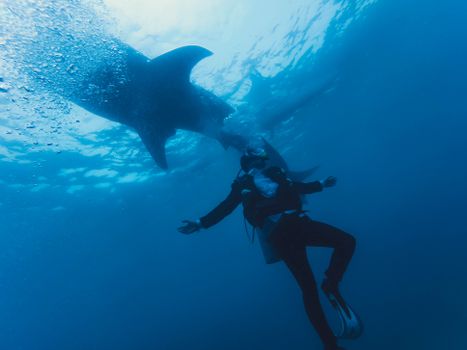
Our guide, a local named Marco, swam just ahead, ensuring we maintained the respectful distance. He pointed out the tiny remoras, often mistaken for parasites, hitching a ride on the shark's skin – a symbiotic relationship in action. The sunlight pierced the surface, dappling the shark's spotted back, making its unique pattern even more pronounced.
The sound? Or rather, the lack thereof. Underwater, the world is muted. My own breathing through the snorkel was the loudest sound, a rhythmic counterpoint to the silent majesty unfolding before me. There were no roars, no aggressive movements, just the gentle swish of water as the shark moved. It was a meditation, a dance, a shared moment of existence in the vastness of the ocean.
As it slowly veered away, descending deeper into the blue, I felt a pang of longing, a desire to follow, to understand more. But then it was gone, swallowed by the depths, leaving me with a memory so vivid it felt tattooed on my soul. Climbing back onto the boat, dripping wet and exhilarated, I exchanged wide-eyed glances with my fellow travelers. We didn't need words; our smiles said it all.
### Preparation & Practicalities: Dive into the Details
Making this dream a reality requires a bit of planning, but it's entirely achievable. Here's what you need to know:
1. Booking Your Tour & Choosing an Operator:
* Research is Key: Don't just pick the cheapest tour. Look for operators with strong ethical reputations, positive reviews focusing on conservation, and small group sizes. In La Paz, many reputable companies operate out of the Marina Cortez or the main Malecon area. Ask about their whale shark interaction policies.
* Book in Advance: Especially during peak season (November-March), tours can sell out. Book at least a few weeks ahead.
* Small Groups: Prioritize tours that limit group sizes. It's better for the sharks and provides a more intimate experience for you.
2. What to Pack:
* Swimwear & Towel: Obvious, but essential!
* Reef-Safe Sunscreen: This is non-negotiable. Regular sunscreens contain chemicals harmful to marine life. Look for zinc oxide or titanium dioxide-based formulas.
* Hat & Sunglasses: For sun protection on the boat.
* Long-Sleeved Rash Guard: Offers additional sun protection in the water.
* Light Jacket or Hoodie: For the boat ride back, as it can get breezy after being in the water.
* Camera (GoPro/Underwater Housing): You'll want to capture this! Ensure it's waterproof and has a strap. No flash photography!
Motion Sickness Medication: If you're prone to seasickness, take it before* you get on the boat.
* Water Bottle & Snacks: Most tours provide water and some snacks, but it's good to have extra.
* Dry Bag: To protect your valuables from splashes.
3. Safety First & Rules of Engagement:
* Listen to Your Guide: Their instructions are for your safety and the whale sharks' well-being.
* Maintain Distance: The golden rule is to stay 3-4 meters (10-13 feet) away from the whale shark at all times. Give them space to move freely.
* DO NOT Touch: This is critical. Touching can remove the shark's protective mucus layer, stress them, and habituate them to humans, which is harmful.
* No Flash Photography: Flash can disorient and distress marine life.
* Stay Calm: Panic can scare the sharks and put you at risk. Move slowly and deliberately.
* Basic Swimming Ability: You need to be comfortable swimming in open water with a mask and fins. Wetsuits (provided by most tours) offer buoyancy, which helps.
Understand the "No Guarantee": While sightings are highly probable during season, these are wild animals. No reputable tour can guarantee* a sighting. Be prepared for this possibility, although it's rare to strike out in prime season.
4. Budgeting Your Trip (Focus on La Paz):
* Flights: To La Paz (LAP) or Los Cabos (SJD) and then a shuttle/bus to La Paz. Prices vary widely.
* Accommodation: La Paz offers options from budget-friendly hostels ($20-40/night) to mid-range hotels ($50-150/night) and luxury resorts ($200+).
* Food: Enjoy delicious local tacos for a few dollars, or explore nicer restaurants for $20-50 per meal.
* Whale Shark Tour: As mentioned, $100-$150 USD.
* Other Activities: La Paz and the surrounding area offer incredible snorkeling with sea lions, kayaking, paddleboarding, and exploring Espíritu Santo Island, which can add to your budget.
### Beyond the Swim: Culture, Conservation, and Community
My experience with the whale sharks in La Paz wasn't just about the encounter itself; it was interwoven with the vibrant culture of Baja California Sur and the deep-seated commitment to marine conservation evident in the region.
Cultural Insights in La Paz:
La Paz is a charming, laid-back city with a distinct Mexican-Baja feel. The Malecon (waterfront promenade) is the heart of the city, bustling with families in the evenings, street vendors, and public art installations, many celebrating the marine life of the Sea of Cortez. The local cuisine is fresh and seafood-focused, with incredible fish tacos and ceviches being staples. The pace of life is slower here, reflecting a deep connection to the ocean and desert landscapes. Engaging with local businesses, from family-run restaurants to artisan shops, enriches your travel experience and directly supports the community.
Why Ethical Tourism Matters:
The whale shark tourism industry, when managed responsibly, provides significant economic benefits to local communities. It creates jobs for boat captains, guides, hospitality workers, and stimulates local businesses. This economic incentive, in turn, fosters a strong local interest in protecting the whale sharks and their habitat. When locals see the direct benefits of conservation, they become powerful advocates for it.
Choosing ethical operators directly supports organizations and individuals dedicated to research and conservation efforts. Many tour companies work closely with marine biologists to collect data on whale shark populations, movements, and health. This data is vital for understanding these endangered species and developing effective conservation strategies. By being a responsible traveler, you become a part of this global effort to protect our oceans.
### Making Your Dream a Reality: Planning Your Trip to La Paz
So, you're ready to make the jump? Here’s how to put your La Paz adventure into motion:
Getting There:
* Fly Directly to La Paz (LAP): Manuel Márquez de León International Airport (LAP) has connections from major Mexican cities like Mexico City and Guadalajara, and some seasonal flights from the US.
* Fly to Los Cabos (SJD) and Travel North: Many international travelers fly into Los Cabos International Airport (SJD), which has more direct international flights. From SJD, La Paz is about a 2-2.5 hour drive. You can rent a car, take a shared shuttle (EcoBajaTours is a popular option), or catch a comfortable public bus.
Getting Around La Paz:
* Walk: The Malecon and downtown area are very walkable.
* Taxis/Uber: Readily available and affordable for longer distances within the city.
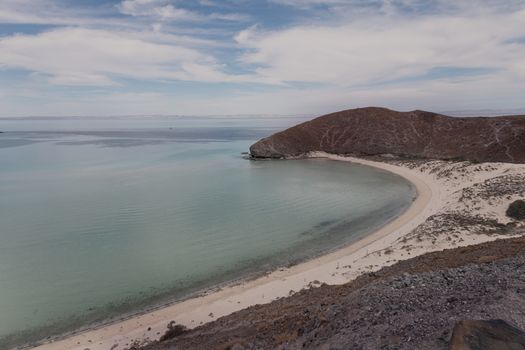
* Rental Car: Useful if you plan to explore beyond La Paz, like nearby beaches (Playa Balandra, El Tecolote) or the desert landscapes.
Accommodation in La Paz:
* Boutique Hotels: Many charming options near the Malecon, like Posada LunaSol or Hotel Catedral La Paz.
* Larger Resorts: CostaBaja Resort & Spa offers a more luxurious experience a bit outside the city center.
* Hostels: For budget travelers, Hostal Casa Esterito or La Paz Hostel offer great value and a social atmosphere.
* Airbnb/VRBO: Plenty of private rentals available, especially for longer stays.
Beyond Whale Sharks: Other Activities:
While the whale sharks are undoubtedly the main draw, La Paz offers so much more:
* Espíritu Santo Island: A UNESCO Biosphere Reserve, this uninhabited island is a paradise for snorkeling with playful sea lions, kayaking, hiking, and exploring pristine beaches. Many whale shark tours combine this.
* Kayaking/Paddleboarding: Explore the calm waters of the bay.
* Desert Adventures: Go hiking, mountain biking, or explore the unique desert flora and fauna.
* Gastronomy: Indulge in fresh seafood, traditional Mexican dishes, and international cuisine. Don't miss the street food!
* Sunset on the Malecon: A nightly ritual for locals and tourists alike.
Best Time to Visit (Recap):
For whale sharks, aim for October to April. For overall pleasant weather and a good balance of activities, November to March is ideal.
### Conclusion: A Call to the Wild
The memory of that immense, spotted form gliding past me, its eye briefly meeting mine (or so it felt), remains one of the most powerful and humbling experiences of my life. It's a vivid reminder of the incredible biodiversity our planet holds and our profound connection to the natural world. Swimming with whale sharks isn't just an item to tick off a list; it's an awakening, a moment that shifts your perspective and deepens your appreciation for the ocean.
If you've ever dreamt of an encounter with one of nature's true wonders, let this be your sign. Choose an ethical operator, pack your bags, and head to a place like La Paz. You'll not only create a memory that will last a lifetime, but you'll also contribute to the vital conservation efforts that ensure these magnificent creatures continue to grace our oceans for generations to come.
Don't just dream it – live it. The ocean is calling, and its gentle giants are waiting. Have you swam with whale sharks or are you planning your trip? Share your thoughts and questions below, and let's inspire each other to explore our incredible world responsibly!
---
Visual journey
Tags
Share this adventure
Join the travel community
New adventures, cultural insights and travel inspiration, straight to your inbox.
We may receive a commission if you click on a link and buy a product, service or policy, at no extra cost to you. How affiliate links work.
Other angles on this trip
These notes are written by AI to show how different kinds of traveller might see this destination. They are not comments from real readers.
Or
"Your article is a beautifully crafted tribute to the awe-inspiring experience of swimming with whale sharks, and I'm particularly drawn to your description of the water as 'a brilliant, almost impossibly clear turquoise' - it's as if you're transporting us to the heart of the ocean itself. Your encounter serves as a powerful reminder that even in the face