

Remember that feeling of being ripped off or missing out on the 'real' destination? I do. For years, I fell for every tourist trap imaginable – until one pivotal trip changed everything. Now, I travel smarter, deeper, and way more authentically, and I'm sharing exactly how you can too. ---
## I Stopped Falling for Tourist Traps After Learning This and Now I Can't Travel the Same Way
There’s a photo of me from my first trip to Paris. I’m standing in front of the Eiffel Tower, squinting in the mid-afternoon sun, clutching a plastic souvenir Eiffel Tower that probably cost me €15. My smile is a little forced, my eyes a little tired. I’d just spent €30 on a mediocre crêpe and coffee near the Champ de Mars, battled crowds for a glimpse of the Mona Lisa, and felt a nagging sense that something was… missing.
I was seeing the landmarks, ticking off the boxes, but I wasn't experiencing Paris. I was stuck in the tourist bubble, a gilded cage of overpriced experiences, generic souvenirs, and the constant feeling of being hustled. For years, this was my travel reality, a string of predictable, sometimes disappointing, encounters in beautiful places.
Then, something clicked. A pivotal moment on a rainy street in Rome, a revelation that completely reshaped how I approach travel. It was like I’d been playing a video game on easy mode, following the most obvious path, only to discover there was a whole hidden world of side quests, secret levels, and truly epic boss battles (the good kind!) waiting for me.
I stopped falling for tourist traps. And now, I can't travel the same way. My adventures are richer, my memories deeper, and my wallet significantly happier. If you’re tired of the same old, same old, and yearn for genuine connection with the places you visit, read on. I’m about to spill all my secrets.
### The Trapdoor Moment: My Roman Revelation
My "aha!" moment didn't come with a grand epiphany, but rather a slow, simmering frustration that boiled over in Rome. It was my second time in the Eternal City. On my first visit, I’d done it all: the Colosseum tour with a headset, the Trevi Fountain jostle, the pizza slice near the Pantheon that tasted suspiciously like cardboard. This time, I wanted more.
One afternoon, seeking refuge from the persistent street vendors near the Spanish Steps, I ducked into a small, unassuming trattoria. It had no flashy signs, no multilingual menu boards outside. Inside, it was bustling, filled with the clatter of plates and lively Italian chatter. The menu was handwritten, entirely in Italian. My broken Italian was barely enough to order a cacio e pepe and a glass of house wine.
What arrived was pure magic. The pasta was al dente, coated in a creamy, peppery sauce that sang with flavor. The wine was robust and cheap. The bill? A shockingly low €12 for the pasta and wine. I watched families laughing, friends debating, and felt an authentic warmth I hadn't experienced in any of the polished, tourist-centric restaurants I'd frequented before.
Meanwhile, just a block away, I knew tourists were paying €25 for a pre-made lasagna and a fizzy drink, enduring aggressive waiters and a cacophony of languages. The contrast was stark. I realized I’d been missing out, not just on better food, but on the very soul of the city. That meal in Rome wasn't just lunch; it was a paradigm shift. It taught me that the best experiences aren't always the most advertised, and often, they're hiding in plain sight, just off the well-trodden path.
### Decoding the Tourist Trap: What They Are & Why We Fall For Them
So, what exactly is a tourist trap? It's more than just an overpriced souvenir shop. It's any experience, attraction, restaurant, or service primarily designed to extract maximum money from visitors, often at the expense of authenticity, quality, or value.
Common Characteristics of a Trap:
* Prime, High-Traffic Locations: Think right outside major landmarks, along famous promenades, or at airport exits. Convenience often comes with a premium.
* Aggressive Marketing/Hustling: Anyone trying too hard to get you in the door or sell you something is a red flag. "Best price, just for you!"
* Multilingual Menus with Photos: While sometimes helpful, this often signals a place catering to the lowest common denominator, prioritizing volume over genuine culinary experience.
* Mass-Produced Souvenirs: Identical trinkets found in every shop, often made thousands of miles away from where they’re sold.
* Generic, Overpriced Experiences: Think "authentic cultural show" that feels more like a stage performance for tourists, or a "traditional market" selling only tourist tat.
* Lack of Locals: If you're the only non-local in a restaurant, it's a good sign. If you're the only local, it's a bad one.
Why Do We Fall for Them?
* Convenience: After a long flight or day of sightseeing, the easiest option often wins.
* Fear of Missing Out (FOMO): We see others doing it, so we assume it's "the thing to do."
* Lack of Information/Research: We haven't had time to dig deeper, so we rely on what's presented to us.
* Perceived Safety: Sticking to familiar, well-advertised places can feel safer than venturing into the unknown.
* Language Barrier: It's easier to order when there are pictures and English descriptions.
Understanding these patterns is the first step to breaking free.
### The Art of the Local Lens: How to Find Authentic Experiences
My transformation wasn't instant, but a gradual accumulation of strategies. Here's how I now approach every new destination, ensuring I bypass the traps and dive deep into the local culture.
#### 1. Befriend Your Browser (and Locals!): Pre-Trip Intelligence
Before I even pack my bags, my research begins. Google is powerful, but you need to know how to use it.
* Advanced Google Searches: Instead of "best restaurants in Rome," try "Rome local food guide," "Rome neighborhood eats," "where do locals eat in Trastevere?" Add "blog" or "reddit" to your search for more personal recommendations.
* Local Blogs & Forums: Seek out blogs written by expats living in the city, or locals passionate about their hometown. They often reveal hidden gems. Reddit's city-specific subreddits (e.g., r/Rome, r/Paris) are goldmines. Ask specific questions like "Where's a great non-touristy trattoria near X?"
* Instagram & TikTok (Used Wisely): Follow local food bloggers or travel influencers who focus on authentic experiences. Look for hashtags like #RomeFood (vs. #RomeTravel), #ParisSecret or #LocalParis. Don't just follow the pretty pictures; look at the comments and geotags for specific names.
Google Maps & Reviews: Once you have a few potential spots, cross-reference them on Google Maps. Zoom in on neighborhoods. Look for places with lots of reviews, but critically, read the local language* reviews. Translate them – if locals are raving about it, you're on the right track. Look for photos of the interior – are there tourists or locals?
Connect with Locals: Use platforms like Couchsurfing (even if you're not staying with someone, they have forums for meetups), local Facebook groups, or even ask your Airbnb host or hotel staff for their personal recommendations, not just the generic ones. Specify, "Where do you* go for a good coffee/meal/drink?"
#### 2. Eat Like a Local, Pay Like a Local: Culinary Immersion
Food is often the quickest gateway to a culture, and also one of the easiest ways to fall into a trap.
* Look for the Local Language: If a restaurant has a menu in five languages with glossy pictures of every dish, it's probably a trap. Seek out menus written primarily in the local language, or even handwritten daily specials.
* Follow the Crowds (of Locals!): A bustling eatery packed with locals, especially during lunch or dinner hours, is almost always a good sign. If it's empty, or full of only tourists, proceed with caution.
Venture Off the Main Drag: Even a block or two away from a major attraction can drastically change the quality and price of food. In Venice, for example, the restaurants directly on Piazza San Marco are notoriously overpriced. Wander into Dorsoduro or Cannaregio for incredible, affordable bacari* (traditional Venetian bars serving small bites).
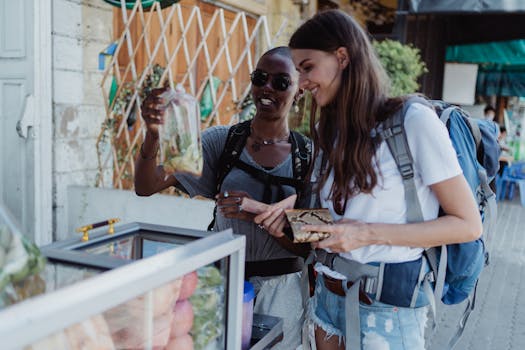
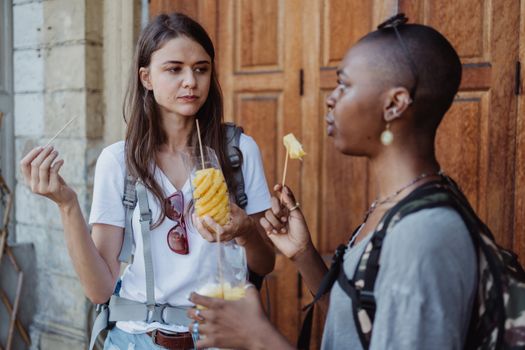
Street Food & Markets: These are often the most authentic and delicious culinary experiences. In Bangkok, skip the touristy Khao San Road restaurants and head to Chinatown (Yaowarat Road) for incredible street food, or a local market like Or Tor Kor. In Mexico City, the mercados* are where you'll find the real flavors.
* Learn a Few Phrases: "Hello," "please," "thank you," "the bill," and "delicious" in the local language can go a long way. It shows respect and can sometimes get you better service or even a local recommendation.
Anecdote: In Barcelona, after one too many bland, overpriced paellas near Las Ramblas, I used Google Maps to find a small bar de tapas in the Gràcia neighborhood. It was tiny, standing-room only, and the bartender barely spoke English. But with pointing and a few Spanish words, I had the most incredible patatas bravas and pan con tomate for a fraction of the price, surrounded by boisterous locals. It was messy, loud, and utterly perfect.
#### 3. Ditch the Tour Bus, Embrace the Metro: Navigating Like a Local
* Public Transport is Your Friend: The metro, bus, and tram systems in most major cities are efficient, affordable, and give you a genuine feel for daily life. Skip the hop-on, hop-off buses unless you genuinely just want an overview.
* Walk, Walk, Walk: Many cities are best explored on foot. You notice details, stumble upon hidden squares, and get a better sense of direction.
* Rent a Bike: In cities like Amsterdam, Copenhagen, or even Seville, renting a bike is an amazing way to cover ground and feel like a local.
* Avoid Taxis for Short Distances: Taxis, especially from airports or major train stations, often have inflated "tourist" prices. Research ride-sharing apps (Uber, Lyft, Grab, Bolt) or public transport options beforehand.
#### 4. The Power of 'Off-Peak' & 'Off-Season': Timing is Everything
* Go Against the Flow: Visit popular attractions first thing in the morning (sunrise at the Trevi Fountain in Rome is magical and crowd-free!) or late in the afternoon. Lunch at 1 PM in Italy is peak tourist time; locals often eat later.
* Travel During Shoulder Seasons: Spring (April-May) and Fall (September-October) often offer pleasant weather, fewer crowds, and better prices than peak summer. You still get great experiences without the tourist deluge.
* Weekday vs. Weekend: Museums and popular spots are often less crowded on weekdays.
#### 5. Sleep Smarter, Not Just Cheaper: Beyond the Chain Hotel
* Boutique Hotels & Guesthouses: These often offer a more personalized experience, with owners who are locals and can offer insider tips.
* Airbnb (with caution): While Airbnb can be great for local immersion, be mindful of responsible tourism. Look for places hosted by actual residents (not large management companies) and consider its impact on local housing. Use it as a base to explore a local neighborhood.
* Hostels (Private Rooms): Many modern hostels offer private rooms with en-suite bathrooms, giving you privacy but also access to a community of travelers and local staff who can provide tips.
### Navigating the Souvenir Minefield & Ethical Engagements
Souvenirs are a tangible memory, but don't let them become another trap.
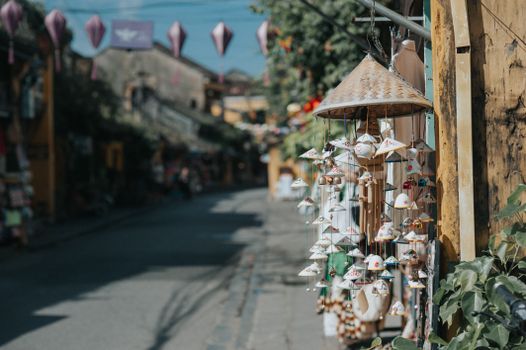
* Seek Local Artisans & Markets: Look for craft markets, artisan shops, or cooperatives where you can buy directly from the creators. The quality will be higher, the story behind it richer, and your money directly supports the local economy. Skip anything that says "Made in China" in a local market.
* Bargaining Etiquette: In some cultures, bargaining is expected (e.g., Southeast Asian markets, some parts of the Middle East). Do it respectfully, with a smile, and know your limit. Don't haggle over a few cents; it's about the interaction, not just the lowest price.
* Experiences Over Objects: Sometimes the best souvenir is a memory. Take a cooking class, learn a few phrases of the local language, or attend a local festival. These are far more valuable than any trinket.
* Ethical Tourism: Be mindful of your impact. Avoid places that exploit animals (e.g., elephant riding, tiger temples). Be respectful of local customs and dress codes. Think about where your money is going and if it benefits the local community.
### My Favorite "Anti-Trap" Discoveries (with examples!)
Embracing these strategies has led to some of my most cherished travel memories.
Instead of the Trevi Fountain at noon (Rome): I woke up at 5 AM and walked to the Trevi Fountain. The only sound was the rushing water, and a handful of other early risers. I sat on the steps, tossed my coin, and savored the quiet majesty of it all. Price: Free (plus an early alarm!)*
Instead of an overpriced "traditional" flamenco show with dinner (Madrid): I found a small, local bar in La Latina that had free, impromptu flamenco sessions on Sunday afternoons. It was raw, passionate, and electrifying, with locals cheering and clapping. Price: Cost of a few beers (€3-5 each).*
Instead of queuing for hours at the Louvre (Paris): I visited the Musée Rodin, a tranquil oasis with beautiful gardens and equally stunning art, including the iconic "The Thinker" and "The Kiss." It was far less crowded and deeply moving. Price: €12 for entry.*
Instead of the tourist-heavy gondola ride (Venice): I took a traghetto (a public gondola ferry) across the Grand Canal for just €2, then spent hours getting lost in the quieter Dorsoduro district, discovering hidden bridges and local bacari. Price: €2 for the traghetto, €5-10 for cicchetti and a glass of wine.*
Instead of a pre-booked, expensive safari tour (Kenya): I found a local, community-run safari camp that employed Maasai guides from the nearby village. Not only was it more affordable, but the insights and cultural exchange with my guide, who knew every tree and animal personally, were invaluable. Price: Varies, but significantly less than large commercial operators, and directly benefits the local community.*
These experiences weren't just about saving money; they were about truly connecting with the essence of a place. They were about the unexpected conversations, the delicious discoveries, and the feeling of belonging, even just for a moment.
### Your Journey to Authentic Travel Begins Now
The shift from being a tourist to becoming a traveler is incredibly empowering. It means taking control of your experience, venturing beyond the obvious, and embracing the unpredictable magic of discovery. You'll stumble, you'll make mistakes, but you'll also uncover incredible moments that very few others will ever see.
My travel life has been irrevocably changed. I no longer feel like a passive observer, but an active participant. I come home with stories that go beyond "I saw X landmark" to "I shared a meal with Y local family" or "I discovered Z hidden street art."
So, what are you waiting for? Start planning your next adventure with a new mindset. Challenge yourself to find that hidden gem, to eat where the locals eat, and to truly immerse yourself. The world is waiting, beyond the tourist traps.
What's your best anti-trap tip or a hidden gem you've discovered? Share your wisdom in the comments below! Let's build a community of smart, authentic travelers.
---
Visual journey
Tags
Share this adventure
Join the travel community
New adventures, cultural insights and travel inspiration, straight to your inbox.
We may receive a commission if you click on a link and buy a product, service or policy, at no extra cost to you. How affiliate links work.
Other angles on this trip
These notes are written by AI to show how different kinds of traveller might see this destination. They are not comments from real readers.