
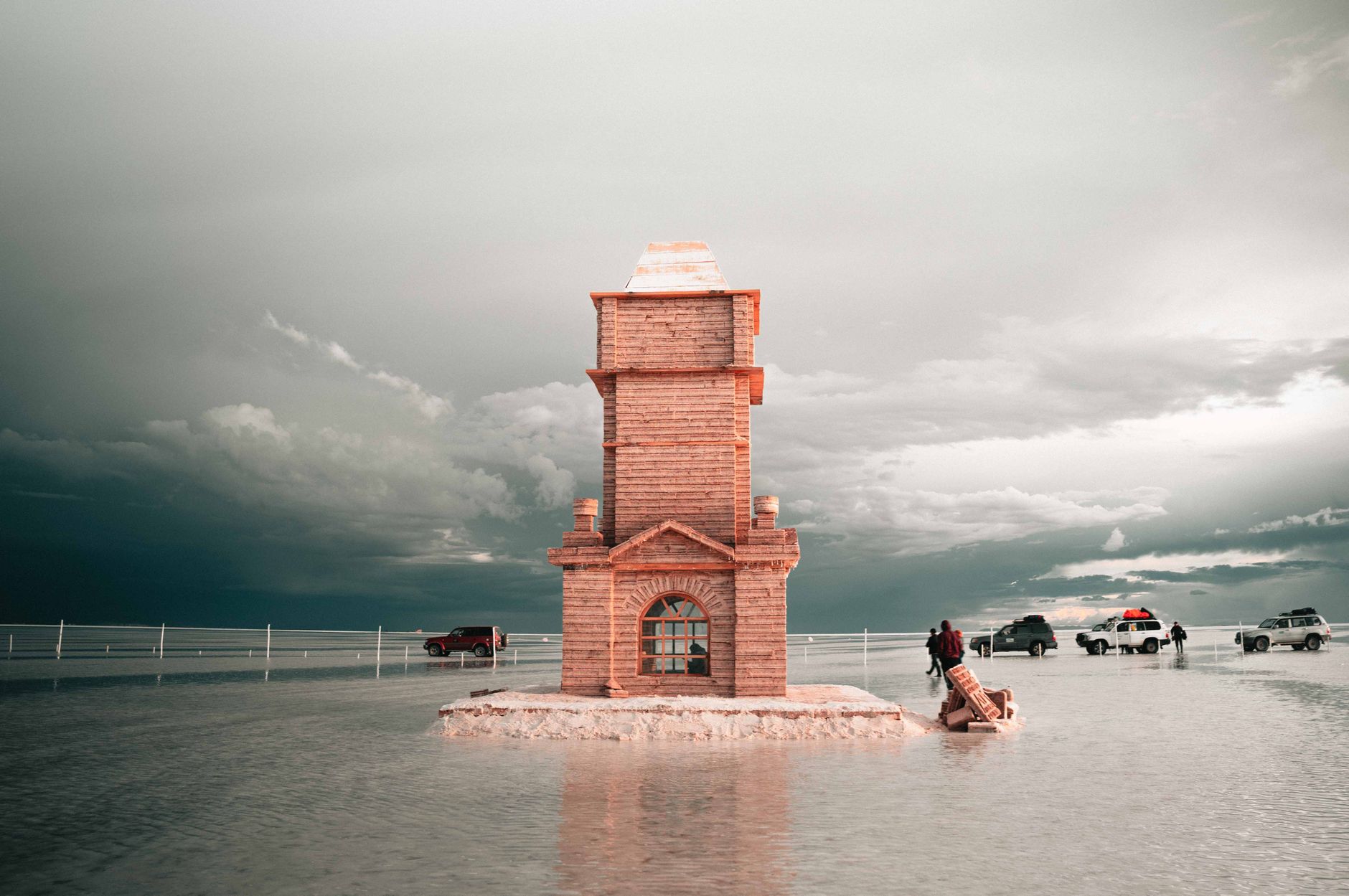
"A hotel made entirely of salt? You'll be sleeping on a block of rock!" That was the common refrain when I told friends about my plan. But my stay at a remarkable salt hotel in Bolivia's epic Salar de Uyuni didn't just meet my expectations; it shattered them, offering an unbelievably comfortable, luxurious, and utterly unique experience that proved every skeptic wrong. Prepare to have your travel assumptions turned upside down. ---
"You're going to sleep where? In a pile of salt? Good luck with that, hope you don't melt!"
That was the typical response I received when excitedly sharing my upcoming travel plans with friends and family. A hotel made entirely of salt, deep in the heart of Bolivia's Salar de Uyuni? It sounded like something out of a quirky dream, or perhaps a particularly ambitious elementary school project. My loved ones pictured me shivering on a lumpy bed of coarse granules, waking up feeling perpetually thirsty, or worse, dissolving into a puddle overnight. Even I, a seasoned traveler who thrives on off-beat adventures, harbored a tiny sliver of doubt. Was this just a gimmick? A novelty lacking any real comfort or genuine experience?
Spoiler alert: I didn't melt. I didn't even shiver, unless it was from the sheer awe of my surroundings. My stay at the famed Palacio de Sal, nestled on the edge of the world’s largest salt flat, was not just a night in a unique hotel; it was an immersive, surprising, and utterly unforgettable journey that redefined what luxury, authenticity, and architectural ingenuity can truly mean. It proved everyone, including a tiny skeptical part of myself, gloriously wrong.
### The Journey to a Crystalline Dream: Gateway to the Salar
Getting to the Salar de Uyuni is an adventure in itself, a pilgrimage to one of Earth's most surreal landscapes. Most travelers, like myself, fly into Uyuni (UYU) from Bolivia’s major cities like La Paz or Santa Cruz. From La Paz, the flight is a quick, scenic hop over the Andes, a stark contrast to the 10-12 hour bumpy bus ride – a budget-friendly option, but one I opted to skip this time around to maximize my time on the flats.
Uyuni town itself is a dusty, unassuming frontier outpost, the kind of place that feels like the edge of civilization. It’s the jumping-off point for countless tours into the salt flat, ranging from multi-day excursions to quick day trips. My pre-booked tour, which included the salt hotel stay, picked me up directly from Uyuni airport.
As our 4x4 ventured out of town, the landscape began its transformation. The scrubby desert gave way to a blindingly white expanse that stretched to the horizon, blurring the line between earth and sky. It was like driving onto a colossal, pristine canvas, untouched and infinite. The air, crisp and thin at over 12,000 feet above sea level, hummed with an almost spiritual silence. And then, there it was, a subtle structure rising from the white, blending almost seamlessly into its environment: the Palacio de Sal. It didn't shout for attention; it simply existed, an organic extension of the very ground it stood upon.
### Stepping Inside: A World Carved from Salt
My first steps inside the Palacio de Sal were a sensory revelation. The exterior, while unique, hadn't prepared me for the interior. Walls, ceilings, floors – everything was constructed from meticulously cut salt blocks, fitted together like a giant, shimmering jigsaw puzzle. The air had a faint, clean, mineral scent. Sunlight streamed through small windows, refracting off the crystalline surfaces, creating a soft, ethereal glow.
"Feel free to lick the walls," our guide quipped with a grin, "but don't make a habit of it – it's cleaned regularly!" A few brave souls (myself included, I admit) tentatively touched a tongue to the cool, slightly grainy surface. Yep, definitely salt.
The lobby was an architectural marvel, featuring grand arches and columns, all carved from compacted salt. The furniture – tables, chairs, even the bar – were also hewn from salt blocks, softened with cushions and throws to make them surprisingly comfortable. It felt less like a building and more like walking into a massive, naturally formed geode. The textures were incredible: smooth, cool, and undeniably unique. It was minimalist yet rich, a testament to how local materials, when used creatively, can create something truly spectacular. The ambient temperature inside was noticeably stable and comfortable, a welcome respite from the high-altitude desert chill that would descend later.
### My Salty Slumber: Comfort, Quirks, and Unexpected Luxury
And then, my room. Oh, my glorious, salty room. The door itself was wooden, but once inside, the salt motif continued. The walls, the bedside tables, and most strikingly, the bed frame itself were all solid salt blocks. My initial fear of sleeping on a lumpy, crystalline surface quickly vanished when I saw the actual bed: a thick, comfortable mattress topped with plush linens and warm alpaca blankets. It was far from primitive; it was cozy, inviting, and surprisingly chic.
The bathroom was equally impressive. While the walls were salt, the fixtures were modern and functional: a hot shower with good water pressure (a luxury in such a remote location!), a flush toilet, and a proper sink. The ingenious design meant that the salt structures were protected from direct water exposure, ensuring their longevity. And no, the water wasn't salty – it was fresh water transported to the hotel, another testament to the logistical efforts involved in operating such a place.
My night's sleep was one of the most peaceful I've ever experienced. The thick salt walls provided excellent sound insulation, and the remote location meant absolutely no light or noise pollution. I drifted off under a warm alpaca blanket, enveloped in a quiet, cool, and utterly unique cocoon. Waking up to the soft light filtering through the salt bricks, knowing I was in a place unlike any other on Earth, was an absolute privilege.
Price Point & Booking:
Expect to pay a premium for this unique experience. A night at Palacio de Sal typically ranges from $150-$300 USD per person, often bundled into multi-day Salar de Uyuni tours. While it's a splurge compared to basic Uyuni accommodations, it's an investment in an unparalleled experience. Booking in advance, especially during peak season, is highly recommended. Many reputable tour operators in La Paz or Uyuni can arrange your stay as part of a comprehensive Salar de Uyuni package.
### Beyond the Walls: The Salar de Uyuni Experience
Staying at a salt hotel isn't just about the novelty of the accommodation; it's about its privileged position as a gateway to the breathtaking Salar de Uyuni. Being able to wake up within steps of this natural wonder meant we could experience it at its most magical hours.
* Sunrise on the Flats: This was a non-negotiable. Our tour group departed the hotel before dawn, driving a short distance onto the flats. As the first hues of pink and orange painted the sky, the vast white expanse slowly came to life. The silence was profound, broken only by the soft crunch of salt underfoot. It’s an ethereal, almost spiritual experience, especially in the rainy season (December to April) when a thin layer of water transforms the flats into the world’s largest mirror, reflecting the sky in an impossibly perfect illusion.
* Perspective Photography: The Salar is a photographer's paradise, famous for its surreal perspective shots. With no discernible horizon, objects appear to float, shrink, or grow. Our guide was a master at directing us for hilarious photos: gigantic Pringles cans, tiny people being "stepped on," or even a dinosaur chasing us across the flats. These photos are Instagram gold and provide endless entertainment.
* Isla Incahuasi (Fish Island): A bizarre oasis of giant cacti rising from the salt sea, Incahuasi is a must-visit. The island is actually the remains of an ancient volcano, now teeming with columnar cacti that can grow up to 12 meters tall. Hiking to the top offers panoramic views of the endless salt, a truly alien landscape.
* Train Cemetery: On the outskirts of Uyuni lies a hauntingly beautiful "cementerio de trenes," a graveyard for old steam locomotives and carriages from the 19th century. These rusted relics, once vital for transporting minerals, now stand as a testament to a bygone era, offering fantastic photo opportunities against the arid backdrop.
### More Than Just a Hotel: Sustainability and Cultural Connection
The Palacio de Sal isn't just a quirky hotel; it's a thoughtful integration of local resources and cultural respect. The entire structure, from its walls to its furniture, is built using the very salt and materials harvested from the Salar itself. This minimizes its ecological footprint and celebrates the unique geology of the region.
The hotel also employs local Aymara people, providing economic opportunities in a region where they are scarce. During my stay, I learned about the traditional methods of salt harvesting, a practice that has sustained communities here for centuries. The meals served at the hotel, while catering to international tastes, often incorporated local ingredients and Bolivian culinary traditions. I particularly enjoyed a delicious quinoa soup and tender llama steak, a staple protein in the high Andes. It's a subtle way the hotel connects guests to the rich cultural tapestry of Bolivia, making the experience much more profound than just a comfortable bed.
### Is It for You? Practicalities, Prices, and Planning Your Salty Escape
So, is a stay at a salt hotel for every traveler? Absolutely, if you're seeking:
* Unique Experiences: This is for those who crave stories over souvenirs, who want to sleep somewhere truly extraordinary.
* Adventure with Comfort: You appreciate the raw beauty of nature but still want a hot shower and a plush bed at the end of the day.
* Photographic Opportunities: From the hotel's architecture to the surreal salt flats, every corner is Instagram-ready.
* Cultural Immersion: An appreciation for local materials, cuisine, and the way of life in a remote part of the world.
Best Time to Visit:
* Dry Season (May - November): Expect clear skies, warm days, and cold nights. The salt flats are perfectly white and firm, ideal for driving and perspective photography.
* Rainy Season (December - April): This is when the magic mirror effect occurs, transforming the flats into a colossal reflection pool. However, some areas might be inaccessible due to water, and weather can be unpredictable. Both seasons offer distinct, incredible experiences.
Getting There and Around:
* Flights: Fly into Uyuni (UYU) from La Paz (LPB) or Santa Cruz (VVI) via airlines like BoA (Boliviana de Aviación). Book in advance.
* Buses: Overnight buses from La Paz, Oruro, or Sucre are a budget-friendly but lengthy option. Choose reputable companies for safety.
* Tours: Most travelers explore the Salar via guided 4x4 tours, which can be booked from La Paz, Sucre, or directly in Uyuni. Ensure your tour operator is reputable, has good safety records, and that the vehicle is in good condition. Ask about English-speaking guides if needed.
What to Pack:
* Layers: High altitude means wide temperature swings. Pack warm layers, a good jacket, and thermals for cold nights.
* Sun Protection: Sunglasses (essential for the blinding white!), wide-brimmed hat, high SPF sunscreen. The UV index is extreme.
* Comfortable Walking Shoes: For exploring Incahuasi Island and the train cemetery.
* Camera Gear: Extra batteries (they drain faster in the cold!), wide-angle lens, tripod for night photography.
* Altitude Sickness Medication: Consult your doctor. Coca leaves or tea are also commonly used local remedies. Acclimatize in La Paz for a day or two before heading to Uyuni.
* Cash (Bolivianos): For small purchases, park fees (like Incahuasi), and tips.
Safety Tips:
* Choose Reputable Tour Operators: This is paramount. Don't go for the cheapest option if it compromises safety or vehicle maintenance. Read reviews.
* Stay Hydrated: Drink plenty of water to combat altitude sickness and the dry air.
* Inform Others: Let someone know your itinerary.
* Respect the Environment: Do not litter. Take only photos, leave only footprints.
### Proving Everyone Wrong: The Unforgettable Verdict
As I departed the Palacio de Sal, driving away from that ethereal landscape, a profound sense of satisfaction washed over me. My salt hotel experience hadn't just been a place to sleep; it was an integral part of an epic adventure, a testament to human ingenuity, and a bridge to understanding Bolivia's unique natural and cultural heritage.
The skepticism of my friends, the tiny doubts in my own mind, all melted away like salt in water. This wasn't just a quirky novelty; it was a comfortable, genuinely luxurious, and deeply authentic immersion into one of the most magnificent places on Earth. It was a stark reminder that sometimes, the most extraordinary travel experiences are found precisely where others least expect them, defying conventional wisdom and proving everyone gloriously, wonderfully wrong.
So, if you're seeking a travel story that will captivate listeners, a photo album that will make your followers green with envy, and a personal memory that will shine brighter than a thousand salt crystals, then pack your bags. Bolivia’s salt hotel isn't just a place to stay; it's a destination that promises to change the way you see travel, comfort, and the incredible possibilities of our planet.
Ready to turn your own travel assumptions upside down? Start planning your Bolivian salt adventure today and prepare to prove everyone wrong!
---
Visual journey


Tags
Share this adventure
Join the travel community
New adventures, cultural insights and travel inspiration, straight to your inbox.
We may receive a commission if you click on a link and buy a product, service or policy, at no extra cost to you. How affiliate links work.
Other angles on this trip
These notes are written by AI to show how different kinds of traveller might see this destination. They are not comments from real readers.