

I embarked on a wild 6-month travel challenge, swapping sterile malls for vibrant local markets, and the results were beyond anything I could have imagined. My followers went absolutely crazy for the authentic finds, incredible food, and deep cultural connections I uncovered, proving that true travel treasures often lie off the beaten path. This isn't just a shopping spree; it's a transformative journey into the heart of local life. ---
## My 6-Month Local Market Obsession: How Ditching Malls Made My Followers Go WILD!
For years, my travel routine was fairly standard. Arrive, explore the main sights, eat some good food, and if I needed something, a quick trip to a well-known shopping district or a familiar department store. It was efficient, predictable, and, frankly, a little... soulless. I was starting to feel a disconnect, a nagging sense that I was missing the true pulse of the places I visited. My content, while popular, felt like it was skimming the surface.
Then came the "Crazy Idea."
It started as an offhand comment during a live Q&A with my followers. Someone asked, "What's the most challenging travel experience you'd consider?" Without thinking, I blurted out, "Six months of travel, and I'd only shop at local markets. No malls, no chain stores, no online ordering. Everything from groceries to gifts has to come from a local vendor."
The chat exploded. Emojis, exclamation points, a flurry of "YES!" and "DO IT!" My spontaneous challenge had become a mandate. And so, the "Market Maverick" journey began. For the next six months, across three continents – starting in the bustling alleyways of Southeast Asia, moving through the vibrant plazas of Latin America, and concluding in the charming squares of Europe – I committed to a market-only lifestyle. What started as a personal quest for authenticity quickly became a viral sensation, captivating my followers and fundamentally changing the way I travel.
This wasn't just about saving money (though, spoiler alert, it did!). It was about connection, discovery, and a profound immersion into the cultures I visited. And trust me, my feed has never looked better.
### Beyond the Souvenir Shop: Unearthing Authentic Treasures
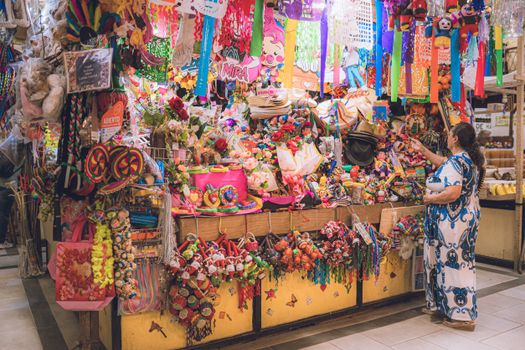
My initial goal was simple: survive. But very quickly, it morphed into something much more profound: thrive. I wasn't just buying food; I was sourcing unique fashion, one-of-a-kind home decor, and gifts with stories woven into every thread.
Chiang Mai, Thailand
kicked off my adventure. At the Saturday Walking Street Market (Wua Lai Road), I was immediately overwhelmed by the sheer volume of handcrafted goods. Instead of a mass-produced "I Love Thailand" t-shirt, I found a local artisan hand-painting intricate designs onto delicate silk scarves. I bought three, each a vibrant explosion of color, for about 300 THB ($9 USD) each. The vendor, a soft-spoken woman named Mali, explained the symbolism behind each pattern. It wasn't just a purchase; it was a mini-lesson in Thai artistry.
In Oaxaca, Mexico, at the sprawling Mercado Benito Juárez, my eyes were drawn to a stall brimming with handcrafted leather goods. I needed a new wallet, and there, nestled amongst belts and bags, was a beautifully embossed leather wallet, distinctively Oaxacan in design. After some friendly haggling (more on that later!), I walked away with it for 200 MXN ($10 USD). Its rich, earthy smell and the subtle imperfections of handmade craft instantly made it more valuable than any brand-name accessory. My followers went wild for the "wallet tour" I posted on Instagram Stories, showing off its compartments and the unique design.
I even furnished parts of my temporary accommodations through markets. In a small apartment in Lisbon, Portugal, I found vintage ceramic tiles (azulejos) at the Feira da Ladra (Thieves' Market) for a steal, transforming a bland wall into a focal point. A hand-knitted blanket from a small market in the Andes of Peru kept me warm and added a burst of color to my hostel room. Each item carried the energy of its creator and the soul of its origin, a stark contrast to the sterile uniformity of global retail.
This wasn't just about what I bought, but how I bought it. Every item became a story, a conversation, a memory. And that, my friends, is priceless.
### A Culinary Adventure: Eating My Way Through Local Stalls
If there's one area where market shopping truly shines, it's food. Forget overpriced restaurant meals; market food is where you find the freshest ingredients, the most authentic flavors, and the best bang for your buck. My taste buds, and my wallet, have never been happier.
My journey started in Hanoi, Vietnam, where the street food markets are legendary. At the Dong Xuan Market and the surrounding street stalls, I dove headfirst into bowls of fragrant pho, crispy banh xeo, and succulent bun cha. A steaming bowl of pho could be had for as little as 30,000 VND ($1.30 USD), freshly made before my eyes. The vibrant colors of fresh herbs, the sizzling sounds of woks, and the chatter of vendors created an intoxicating symphony for the senses. My Instagram Reels showcasing the preparation of banh mi from a tiny, bustling stall went viral, racking up millions of views. People were captivated by the simplicity and deliciousness.
In Marrakech, Morocco, the Jemaa el-Fnaa at night transforms into a colossal open-air restaurant. Navigating the smoke and spice-laden air, I sampled everything from tender lamb tagine cooked in clay pots to sweet mint tea and snails (yes, snails!). A full, satisfying meal with bread and tea rarely cost more than 50 MAD ($5 USD). The key here is to look for stalls with long lines of locals – a sure sign of good food and hygiene. I always carried hand sanitizer and opted for cooked-to-order dishes.
My European market experience took a different turn. In Rome, Italy, the Mercato di Testaccio became my daily ritual. Here, I’d pick up impossibly fresh pecorino romano, sun-ripened tomatoes, crusty bread, and succulent prosciutto for a fraction of supermarket prices. My picnic lunches in the Roman Forum, assembled entirely from market finds, were not only delicious but incredibly budget-friendly, often costing less than 10 EUR ($11 USD) for a feast. The vendors, often passionate about their produce, would offer samples and cooking tips, making each transaction a mini-culinary class.
Safety Tip for Street Food:
Always choose stalls where food is cooked fresh in front of you, look for high turnover of customers (especially locals), and if something looks questionable, trust your gut. Hydration is key, and I always carried a water bottle.
### The Art of the Deal: Mastering Market Etiquette & Bargaining
Bargaining can feel intimidating, but it’s an integral part of market culture in many parts of the world. After a few awkward attempts, I learned to embrace it as a friendly dance, a way to connect with the vendor, rather than a confrontation.
My first attempts in Bangkok, Thailand, at the Chatuchak Weekend Market, were a disaster. I'd meekly accept the first price, only to watch a local effortlessly knock it down by 50%. I learned quickly:
1. Smile and Be Polite: A friendly demeanor goes a long way. Start with a "hello" in the local language if you can.
2. Ask "How Much?": Don't make the first offer. Let the vendor state their price.
3. Offer a Counter: Aim to offer 30-50% less than their initial price. They might act shocked, but it's part of the game.
4. Be Prepared to Walk Away: This is your strongest bargaining chip. Often, as you turn to leave, they’ll call you back with a better offer.
5. Don't Overdo It: Don't haggle over small amounts. A few cents here or there isn't worth losing face or goodwill. Remember, this is often their livelihood.
6. Know When to Stop: Once you've agreed on a price, honor it. Don't try to go lower.
In Marrakech, bargaining for a beautiful silver tagine pot was a masterclass. The vendor, a jovial man named Hassan, offered it for 800 MAD. I countered with 400. We went back and forth, sipping mint tea he offered, laughing, and gesturing. He told me about his family, I told him about my travels. Eventually, we settled on 550 MAD ($55 USD), a price that felt fair to both of us. It wasn't just about the pot; it was about the shared experience. This interaction, captured on my stories, resonated deeply with my followers, who saw the human connection behind the transaction.
Cultural Note:
In some cultures (e.g., Japan, much of Europe), bargaining isn't customary. A quick observation of how locals shop will usually tell you what's appropriate. When in doubt, a polite "Is this the best price?" (or local equivalent) can sometimes open the door to a small discount without offense.
### More Than Transactions: Connecting with Locals & Culture
This market challenge pushed me out of my comfort zone and into the heart of local communities. It wasn't just about buying things; it was about connecting with the people who made, grew, and sold them. These interactions became the most rewarding part of my journey.
In Oaxaca, at the Tlacolula Market on a Sunday, I stumbled upon a family weaving intricate Zapotec rugs. The matriarch, a woman with kind eyes and weathered hands, invited me to sit and watch her work. She didn't speak English, and my Spanish was rudimentary, but through gestures and a shared smile, we communicated. She showed me how she dyed the wool using natural pigments from cochineal insects and plants. I bought a small, vibrantly colored placemat, not just for its beauty, but for the story of the hands that created it. This interaction, documented in a heartfelt post, received an outpouring of comments from followers who appreciated the authenticity.
These aren't just vendors; they are farmers, artisans, chefs, and storytellers. They are the keepers of traditions, and by engaging with them, even for a few minutes, you gain invaluable insights into their culture and way of life. I learned about seasonal harvests, ancient weaving techniques, the importance of family, and the pride in their craft.
Supporting these local businesses directly benefits the community. My purchases put money directly into the hands of families, helping to sustain traditional crafts and local economies, rather than flowing into corporate coffers. This aspect deeply resonated with my audience, who were increasingly looking for ways to travel more responsibly and ethically.
### Your Market Survival Guide: Practical Tips for Aspiring Local Shoppers
Inspired to embark on your own market adventure? Here’s everything I learned to make your experience seamless, safe, and incredibly rewarding:
1. Bring the Essentials:
* Reusable Bags: Markets often don't provide bags, or use flimsy plastic ones. A sturdy, foldable tote is a lifesaver.
* Small Denominations of Local Currency: Many vendors prefer cash, and breaking a large bill for a small purchase can be difficult or annoying.
* Comfortable Shoes: You'll be walking, standing, and exploring for hours.
* Water Bottle: Stay hydrated, especially in warmer climates.
* Translation App: Google Translate's camera function is a game-changer for deciphering signs or menus.
* Hand Sanitizer: Essential for street food and general market exploration.
2. Timing is Everything:
* Early Mornings: Best for fresh produce, fewer crowds, and often the first pick of unique items. Vendors are also often more open to bargaining.
* Late Afternoons/Evenings: Ideal for night markets, street food, and a different, often more festive, atmosphere.
3. Safety First:
* Keep Valuables Secure: Use a cross-body bag or money belt. Markets are bustling, and pickpockets can be present.
* Be Aware of Your Surroundings: Don't get so engrossed in shopping that you lose track of your belongings or your group.
* Ask Before Photographing: Always be respectful. Some vendors or locals may not appreciate being photographed without permission.
4. Getting There & Getting Around:
* Public Transport: Often the cheapest and most authentic way to reach local markets. Embrace the local buses or trains!
* Walking: Many markets are centrally located or within walking distance of popular areas.
* Ride-sharing Apps: If available and affordable, they offer convenience, especially if you're laden with purchases.
* Navigate with Maps: Offline maps (like Google Maps) are invaluable for finding specific market sections or getting back to your accommodation.
5. Do a Little Research:
* Identify Market Days/Hours: Many markets are only open on specific days or times.
* What to Expect: Some markets specialize in food, others in crafts, others in antiques. Knowing this helps manage expectations.
* Local Etiquette: A quick search on local customs can save you from unintentional offense.
### The Ripple Effect: How Market Shopping Transformed My Travels (and My Followers)
This six-month challenge was more than just an experiment; it was a revolution in my travel philosophy. I started as a traveler seeking novelty; I emerged as a cultural explorer, deeply connected to the places I visited.
My Personal Transformation:
I became a more patient, observant, and resilient traveler. I learned to communicate beyond words, to appreciate the simple beauty of everyday life, and to find joy in the unexpected. My relationship with consumption changed – I bought fewer things, but each item was more meaningful. I truly understood the concept of "conscious travel."
My Followers' Engagement:
The response was phenomenal. My Instagram Stories and Reels featuring market tours, bargaining tips, and street food reviews routinely hit record engagement numbers. My DMs were flooded with questions: "Where did you get that?" "How do you find these places?" "What are your best bargaining tips?" I hosted live Q&As directly from markets, giving my audience a real-time, immersive experience. They started sharing their own market finds, tagging me, and creating a vibrant community around this shared love for authentic travel. Many told me they were inspired to ditch their usual shopping habits and seek out local markets on their next trips.
The most incredible feedback was how my content made them feel like they were there with me. The vivid descriptions, the sounds of the bustling markets, the faces of the vendors, the aroma of spices – it transported them. This wasn't just about showing pretty pictures; it was about sharing an experience, a mindset.
This challenge proved that travel isn't just about ticking off landmarks; it's about diving into the fabric of daily life, connecting with people, and embracing the unexpected. It's about finding the extraordinary in the ordinary.
### Join the Market Revolution!
So, are you ready to ditch the predictable and embrace the vibrant chaos of a local market? Trust me, it will be one of the most rewarding travel experiences you'll ever have. You'll uncover treasures, taste incredible food, connect with amazing people, and bring home memories far richer than any mass-produced souvenir.
Take the leap. Challenge yourself. Skip the mall on your next trip and head straight to the local market. You might just find that your followers (and your own travel spirit!) go absolutely wild for it too.
What's the most amazing thing you've ever found at a local market? Share your stories and tips in the comments below! And don't forget to tag Tripsora and #MarketMaverick on your next market adventure!
---
Visual journey



Tags
Share this adventure
Join the travel community
New adventures, cultural insights and travel inspiration, straight to your inbox.
We may receive a commission if you click on a link and buy a product, service or policy, at no extra cost to you. How affiliate links work.
Been there?