

My initial plan for Bali was simple: beaches, Bintangs, and blissful relaxation. But a chance encounter with an ancient Balinese water purification ceremony didn't just cleanse my body; it transformed my entire trip, making me extend my stay and truly connect with the island's soul. This is the story of how I found more than just a vacation, but a profound spiritual awakening. ---
## Bali's Sacred Waters: How One Ceremony Changed My Trip
The plane ticket was booked, the sarongs packed, and my mental checklist for Bali was firmly set: sunrise hikes, vibrant rice paddies, surfing lessons, and enough smoothie bowls to last a lifetime. I was ready for a quintessential Balinese escape – a beautiful, Instagram-worthy, and utterly relaxing two weeks. What I wasn't prepared for was an ancient ceremony that would not only shift my perspective but entirely rewrite my travel plans, making me extend my trip and leave with a heart overflowing with unexpected spiritual depth.
It all started, as many good travel stories do, with a conversation. I was nursing a fresh coconut at a warung in Ubud, chatting with a local named Wayan, who ran a small guesthouse. I mentioned I was looking for something "a bit more authentic" than the usual tourist trail, and his eyes lit up. "You should try Melukat," he said, drawing out the syllables. "It is a purification ceremony. For cleansing, for spirit."
My immediate thought was, Oh, one of those tourist-trap spiritual experiences. I'd seen the signs for "spiritual healers" and "chakra balancing" all over town. But Wayan's sincerity was different. He spoke of it not as a performance, but as a deeply personal and sacred ritual that Balinese people regularly undertake. Curiosity, a traveler's best friend, nudged me forward. "Tell me more," I said, leaning in. And that, dear reader, was the beginning of an experience that would anchor me to Bali in a way I never imagined.
### The Call of the Sacred Waters: What is Melukat?
Before I dive into my personal journey, let’s briefly touch on what Melukat actually is. In Balinese Hinduism, Melukat is a purification ritual that aims to cleanse the body, mind, and soul of negative energy, bad karma, and impurities. It’s believed to restore balance and harmony, inviting positive energy and blessings. The word "Melukat" itself comes from the Old Javanese word "lukat," meaning to cleanse or purify.
Unlike some ceremonies that are exclusive to priests or specific community members, Melukat is accessible to everyone, including tourists, provided you approach it with respect and a genuine intention. It's not a one-time event but a recurring practice for many Balinese, performed during significant life events, before important undertakings, or simply when one feels the need for spiritual renewal.
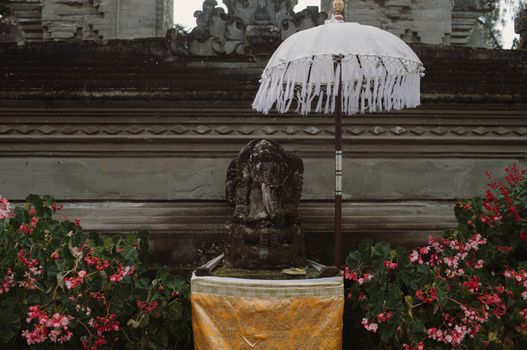
The ceremony typically takes place at sacred spring water temples (like Tirta Empul, which I’ll get to, or Pura Mengening, Pura Sebatu) or even waterfalls, where the natural flow of water is believed to carry potent cleansing properties. The water, often channeled through ornate spouts, is considered holy (tirta) and imbued with divine energy.
Wayan explained that it wasn't about converting to Hinduism or adopting new beliefs, but about connecting with a universal spiritual energy, releasing what no longer serves you, and inviting clarity. This resonated with me. I wasn't seeking a new religion; I was seeking a deeper connection, a moment of introspection beyond the noise of daily life. The idea of a physical and spiritual cleanse felt incredibly appealing amidst the usual hustle of travel.
### Preparing for the Purification: More Than Just a Dip
The next morning, Wayan arrived at my guesthouse, his smile as warm as the Balinese sun. He had arranged for his cousin, Made, to be my guide for the day. Made, a soft-spoken man with kind eyes, explained the process with a gentle patience that instantly put me at ease.
"First, we go to the market for offerings," Made said, gesturing towards his scooter. This was my first lesson: Melukat isn't just about showing up. It's about preparation, intention, and respect.
We zipped through the bustling streets of Ubud to a local market, a kaleidoscope of colours and scents. Made helped me select the components for a canang sari, the daily Balinese offering: delicate palm leaf baskets filled with colourful flowers (each colour representing a different Hindu deity), a pinch of rice, a tiny piece of fruit, and a stick of incense. The act of choosing these items, knowing their purpose, already felt like a small ritual in itself. It was a tangible way to connect with the upcoming ceremony, moving past mere observation to active participation. The cost for these simple offerings was negligible, perhaps IDR 10,000-20,000 ($0.70-$1.40 USD), but their symbolic value was immense.
Next, Made advised me on appropriate attire. For Melukat, you need to wear a sarong and a sash (selendang). These are not just for modesty; they are symbols of respect for the sacred space. Many temples provide sarongs for rent at the entrance (usually around IDR 50,000, or $3.50 USD, for entrance and rental), but Made suggested I buy one, as I would likely want to keep it as a memento. He led me to a small shop where I picked out a beautiful indigo sarong for about IDR 100,000 ($7 USD). The act of wrapping it around my waist, securing it with the sash, felt like I was donning a uniform for a spiritual journey.
Made also emphasized the importance of mindset. "Come with an open heart," he advised. "Release expectations. Just be." This simple advice was profound. I realized I had been approaching it with a tourist's lens, analyzing and observing. Made was inviting me to feel.
### My First Dip – A Journey Within at Tirta Empul
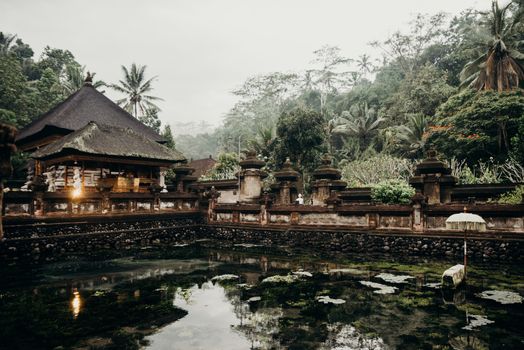
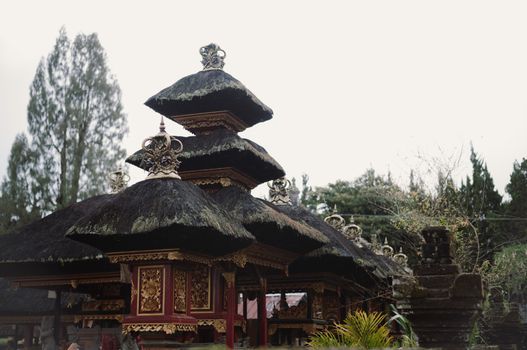
Our destination was Tirta Empul Temple, one of Bali's most famous holy water temples, located near Tampaksiring. As we approached, the air grew thick with the scent of incense, the murmur of prayers, and the gentle splash of water. The temple complex itself was breathtaking, a maze of courtyards, shrines, and ponds, all meticulously maintained.
Made guided me to the outer courtyard, where we performed a small prayer and placed our canang sari offerings at a shrine. He then led me to the main purification pool, Petirtaan, where rows of stone spouts poured forth clear, cool spring water. Devotees, both local and foreign, stood in line, patiently awaiting their turn.
Before entering the water, Made showed me how to perform a simple prayer and offering at a specific shrine. Then, we stepped into the cool, ankle-deep water. The base of the pool was smooth river stones, slightly slippery with moss. The water, though cold at first, quickly became invigorating.
The ritual involves moving from spout to spout, bowing your head under the stream of water, cupping your hands to drink from it three times, and then splashing it over your head and face three times. There are usually around 13-15 spouts, each with a different blessing or purpose, though two are typically reserved for funerary rituals and are skipped.
My first spout: the water hit my head with a surprising force, a jolt of cold. I drank, the taste fresh and clean, then splashed. I felt a surge of energy, a tingling sensation. I moved to the next spout, and the next. With each stream of water, Made would whisper a brief explanation of its meaning – for purification of the mind, for clarity of thought, for healing of the body, for inviting prosperity.
As I progressed, something shifted. The initial chill gave way to a profound sense of calm. The sounds of the temple, the chanting, the splashing water, the distant gamelan, all began to blend into a meditative hum. My thoughts, usually a chaotic whirlwind, began to slow. I wasn't thinking about my itinerary, my emails, or even what I would eat for dinner. I was simply there, present in the moment, feeling the water, breathing the incense-laced air.
By the time I reached the final spout, a deep peace had settled over me. My body felt lighter, my mind clearer. Tears welled up, not from sadness, but from a profound sense of release and gratitude. It was as if the weight of unspoken anxieties and accumulated stress had been washed away, leaving behind a pristine sense of self. It wasn't just a dip in cold water; it was a baptism of the soul.
### Beyond the Waters – The Aftermath and Deeper Connection
Emerging from the purification pool, wrapped in a dry sarong, I felt like a different person. The world seemed sharper, colours more vibrant, sounds more distinct. The spiritual high wasn't fleeting; it lingered, a gentle hum beneath my skin.
Made led me to a quieter part of the temple where we sat in contemplation. He explained that the Melukat was just one step. The true purification happens when you carry that renewed energy and clarity into your daily life.
That evening, back at my guesthouse, I found myself looking at my travel plans with new eyes. My initial agenda, once so appealing, now felt shallow. I realized I hadn't truly connected with Bali, with its people, its beliefs, its profound spiritual undercurrent. I had merely scratched the surface.
The feeling from the Melukat ceremony was so powerful, so grounding, that I knew I couldn't just pack up and leave. I felt an undeniable pull to explore this deeper side of Bali. My planned two-week trip suddenly felt woefully short. I cancelled my flight home and booked an additional two weeks.
My extended stay wasn't about more beaches (though I still enjoyed those!). It was about spending more time in Ubud, exploring its hidden temples, learning about Balinese philosophy, trying different yoga and meditation classes, and seeking out other local ceremonies. I visited smaller, less-known temples like Pura Mengening (another beautiful purification temple, often less crowded than Tirta Empul) and even attended a local village cremation ceremony (a surprisingly joyful and communal event, not macabre as one might expect). I took a Balinese cooking class, learned some basic Bahasa Indonesia, and spent hours talking to locals about their beliefs and way of life.
The Melukat ceremony had been a gateway, opening my eyes to a Bali that existed beyond the tourist brochures – a Bali of deep spirituality, unwavering faith, and profound connection to nature and community. It taught me the value of slowing down, of being present, and of seeking experiences that nourish the soul, not just the senses.
### Making it Your Own – Tips for a Meaningful Melukat Experience
Inspired by my journey, I want to empower you to experience this incredible ritual yourself. Here’s how you can approach Melukat with respect and openness:
1. Choose Your Temple Wisely:
* Tirta Empul: The most famous and easily accessible. It can get crowded, especially with tour groups. Go early in the morning (before 9 AM) or late afternoon for a more serene experience. Entrance fee is around IDR 50,000 (approx. $3.50 USD).
* Pura Mengening: A beautiful, less-crowded alternative near Tirta Empul. It offers a very similar, tranquil experience.
* Pura Sebatu: Another serene option, known for its lush surroundings and peaceful atmosphere.
* Local Waterfalls: Some local guides can arrange private Melukat ceremonies at sacred waterfalls, offering a more intimate experience.
2. Find a Reputable Local Guide: This is crucial. A good guide will explain the rituals, help with offerings, ensure you respect local customs, and provide context. Ask your guesthouse owner or a trusted local for recommendations. Expect to pay anywhere from IDR 200,000 to IDR 500,000 (approx. $14-$35 USD) for a half-day guided experience, including transport and assistance with offerings. Bargain respectfully.
3. Dress Respectfully: You must wear a sarong and a sash (selendang) to enter any Balinese temple, and especially for Melukat. These can be rented at the temple entrance or purchased cheaply at local markets. Women should also ensure their shoulders are covered.
4. Bring a Change of Clothes & Towel: You will get completely wet! There are changing facilities at most major temples.
5. Prepare Your Mindset:
* Intention: Before you go, think about what you want to release or invite into your life.
* Respect: Approach the ceremony with reverence. It's not a photo opportunity (though discreet photos are usually fine, ask your guide). Be mindful of other worshippers.
* Openness: Let go of expectations. Allow yourself to be present and receptive to the experience.
6. Offerings: Your guide will help you prepare or purchase the canang sari. These are small, beautiful offerings made of palm leaves, flowers, rice, and incense.
7. Cost Breakdown (Estimate):
* Temple Entrance: IDR 15,000 - IDR 50,000
* Sarong Rental (if needed): IDR 10,000 - IDR 20,000
* Offerings: IDR 10,000 - IDR 20,000
* Local Guide (optional but highly recommended): IDR 200,000 - IDR 500,000 (for a few hours)
* Total: Roughly IDR 250,000 - IDR 600,000 ($17-$42 USD) for a truly enriching experience.
### Bali's Spiritual Heartbeat – More Than Just Beaches
My Melukat experience was more than just a ceremony; it was an invitation into the heart of Balinese culture. It allowed me to see that Bali is not just a tropical paradise, but a deeply spiritual island where daily life is interwoven with ritual and reverence.
If you're planning a trip to Bali, I urge you to look beyond the infinity pools and beach clubs. Dive into its spiritual side. Explore the intricate carvings of its temples, listen to the hypnotic rhythm of the gamelan, participate in a local cooking class, or simply spend time talking to the incredibly warm and hospitable Balinese people.
Consider incorporating a Melukat ceremony into your itinerary. It’s an accessible, profound, and truly authentic way to connect with the island's unique energy. It might just be the most impactful experience of your trip, leaving you feeling refreshed, renewed, and with a deeper appreciation for this magical island.
Who knows? Like me, you might just find yourself extending your stay, captivated by the call of Bali’s sacred waters and the profound transformation they offer.
### Ready to Dive Deeper?
Have you experienced a Melukat ceremony or another transformative cultural ritual during your travels? Share your stories in the comments below! And if you're planning your Balinese adventure, save this post for your ultimate spiritual travel guide.
---
Visual journey
Tags
Share this adventure
Join the travel community
New adventures, cultural insights and travel inspiration, straight to your inbox.
We may receive a commission if you click on a link and buy a product, service or policy, at no extra cost to you. How affiliate links work.
Other angles on this trip
These notes are written by AI to show how different kinds of traveller might see this destination. They are not comments from real readers.