
When I announced my plan to travel through Thailand completely plastic-free, I was met with skepticism. Everyone said it was impossible, especially in a country known for its vibrant street food culture and prevalence of single-use plastics. But I not only survived; I thrived, proving that conscious travel is not just a dream, but a deeply rewarding reality.
The tropical sun beat down on my face as I stood amidst the bustling chaos of Bangkok’s Chatuchak Weekend Market. The air hummed with the chatter of vendors, the sizzle of street food, and the vibrant symphony of a thousand transactions. My senses were alive, but my resolve was being tested. Every stall seemed to offer its delicious wares in a plastic bag, a styrofoam container, or with a plastic spoon. My friends back home had scoffed, saying I’d last a day before succumbing to the plastic tide. “Thailand? Plastic-free? Good luck with that!” they’d laughed.
But here I was, two weeks into my epic plastic-free adventure across Thailand, and I hadn’t touched a single piece of disposable plastic. Not one. And let me tell you, it felt incredible. This wasn’t just a personal challenge; it was a mission to prove that sustainable travel isn’t just for the privileged few or the extremely hardcore. It’s accessible, it’s rewarding, and it’s absolutely essential for the future of our planet and the places we love to explore.
This is the story of how I packed plastic-free for my entire trip to Thailand, how I navigated the challenges, celebrated the triumphs, and ultimately, proved everyone wrong. And trust me, if I can do it amidst the fragrant curries and bustling markets of Thailand, you can too.
### My Zero-Waste Arsenal: Packing Smart, Not Hard
Before I even booked my flight, I knew my packing strategy would be the cornerstone of this entire endeavor. This wasn’t about deprivation; it was about thoughtful preparation. My backpack, usually a chaotic mix of "just in case" items, was meticulously curated into a lean, mean, plastic-fighting machine.
Here’s what made the cut:
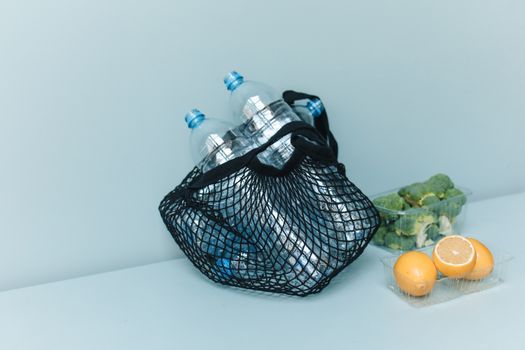
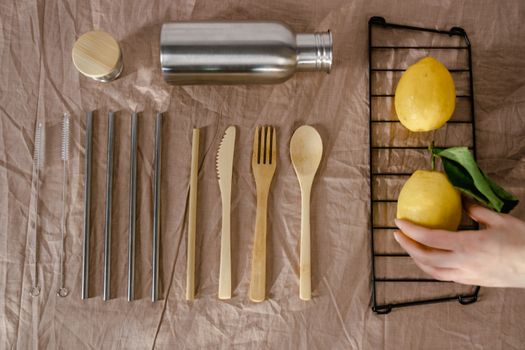
* My Trusty Water Filter Bottle: This was hands down my MVP. I invested in a high-quality bottle with a built-in filter (I use a Grayl GeoPress, but there are other great options like Lifestraw or Steripen). This meant I could safely fill up from almost any tap, saving me countless plastic bottles and a significant amount of money. In Thailand, where bottled water is ubiquitous and often necessary for safety, this was a game-changer. I probably saved at least 100 plastic bottles over three weeks.
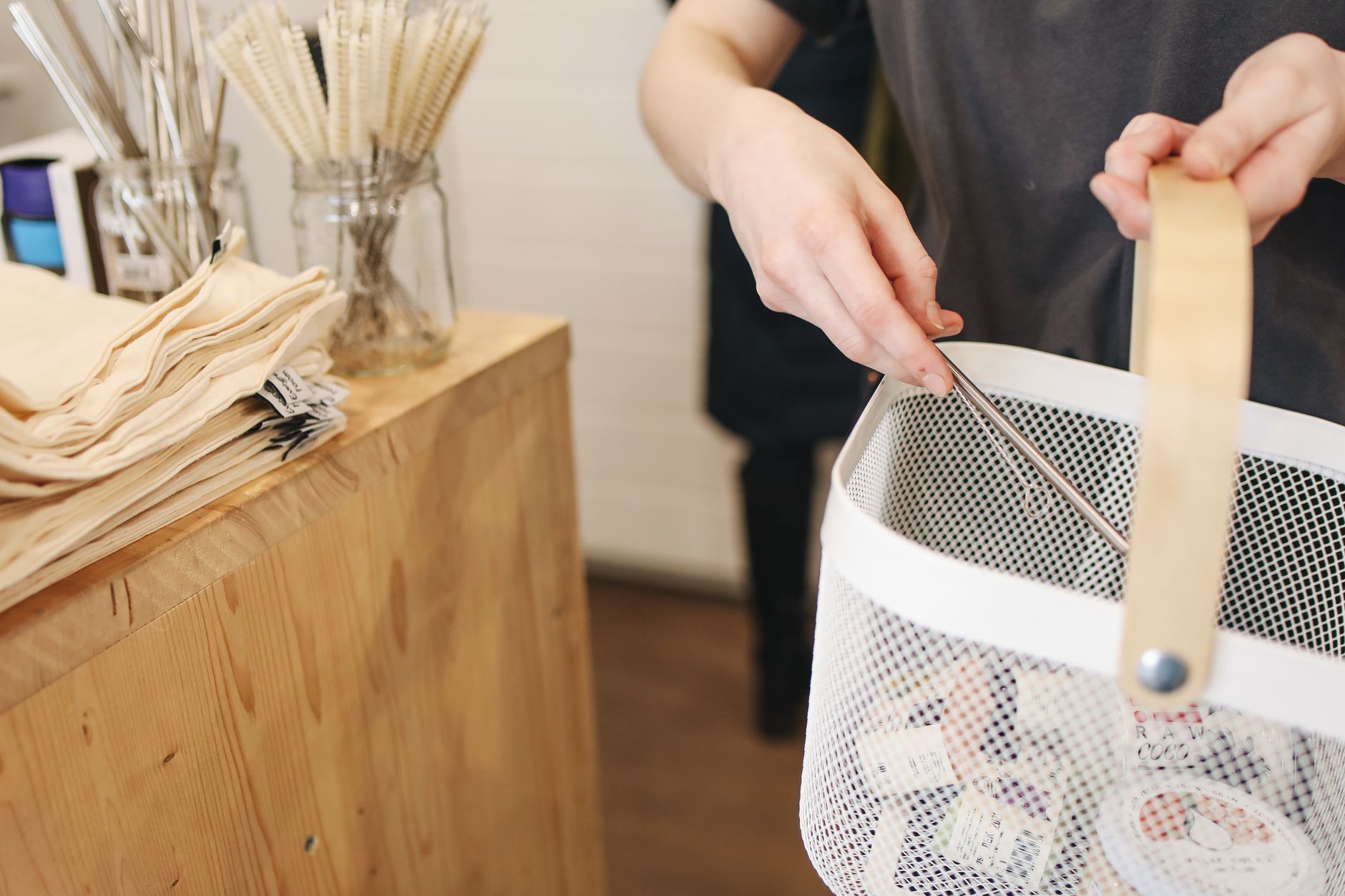
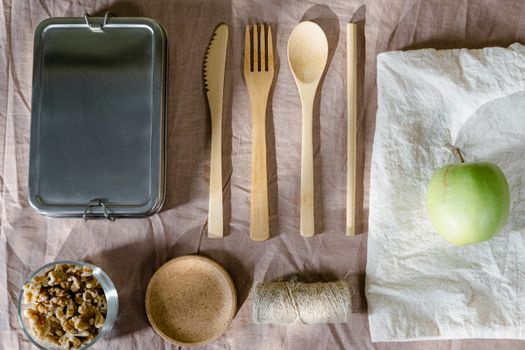
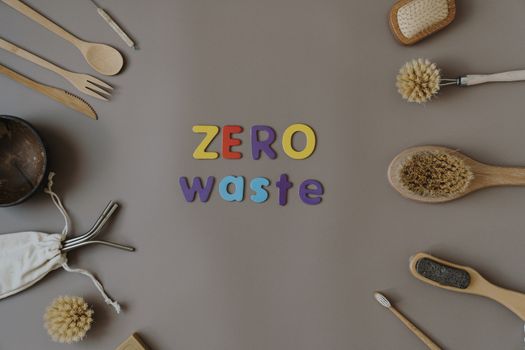
* Reusable Coffee Cup & Cutlery Set: My insulated stainless steel coffee cup doubled as a tea cup and even a small bowl for snacks. My bamboo cutlery set (fork, spoon, knife, chopsticks, and a straw cleaner) lived in a small pouch in my daypack, ready for any street food encounter.
* Produce Bags & Tote Bags: I carried a couple of lightweight mesh produce bags for market shopping and two compact, sturdy tote bags for everything else. These were invaluable for bringing back fresh fruit, snacks, or souvenirs without needing plastic bags.
* Solid Toiletries: This was a fun one! Shampoo bars, conditioner bars, a solid soap bar, and toothpaste tablets replaced all my usual plastic bottles and tubes. Not only are they plastic-free, but they’re also leak-proof and last ages! I even found a solid sunscreen bar, which was perfect for the tropical climate. My bamboo toothbrush and a menstrual cup (for those who need it) completed my eco-friendly hygiene kit.
* Bandana/Cloth Napkins: Versatile and essential! These served as napkins, sweat rags, head coverings in temples, and even impromptu food wraps.
The initial feeling at the airport security, with my array of unusual-looking solid bars and metal bottle, was a mix of mild embarrassment and fierce determination. But as I packed and unpacked, I realized how much lighter and more organized my bag felt. This wasn't just about avoiding plastic; it was about simplifying travel.
### Street Food, Markets, & Temples: Thailand's Cities, Plastic-Free Style
My journey began in Bangkok, a city that assaults your senses in the best possible way. The aroma of spices, the kaleidoscope of colors, the symphony of honking tuk-tuks – it’s an unforgettable experience. But it’s also a city where plastic is deeply ingrained in daily life, especially around street food, which is, let’s be honest, half the reason you come to Thailand!
The Challenge:
Every mouth-watering dish, from Pad Thai to mango sticky rice, is typically served in a plastic bag, a styrofoam box, or with a plastic spoon. Bottled water is sold everywhere.
My Solutions & Anecdotes:
* Communicating My Intent: My first few attempts to ask for food in my reusable bowl were met with confused smiles. I learned a few key Thai phrases: "Mai ao thung" (no bag), "Mai ao gaew plastic" (no plastic cup), and "Mai ao lord" (no straw). Often, pointing to my reusable items and making a "no plastic" gesture worked wonders. Most vendors, once they understood, were incredibly accommodating, some even delighted by the novelty.
* My Pad Thai Triumph: One evening at a bustling night market in Chiang Mai, I approached a legendary Pad Thai stall. The queue was long, and the chef was a whirlwind of motion. When it was my turn, I held out my stainless steel food container and said, "Mai ao thung, ka." The chef paused, a flicker of surprise in her eyes, then grinned, nodded, and scooped the steaming noodles directly into my container. It was a small victory, but it felt monumental. The Pad Thai tasted even better knowing it was zero-waste.
* Water Refills: Many guesthouses and eco-conscious cafes now offer water refill stations for a small fee (often 5-10 THB, which is less than a dollar). Some 7-Eleven stores even have filtered water machines outside. I also used apps like "RefillMyBottle" to find nearby stations. My filter bottle meant I was never truly stuck.
* Market Magic: Shopping at local markets like Warorot Market in Chiang Mai or Or Tor Kor in Bangkok was a joy. With my mesh produce bags, I loaded up on loose fruits like rambutan, mangosteen, and dragon fruit, and vibrant vegetables, all without a single plastic bag. The vendors loved my colorful reusable bags!
Walking through the ancient temples of Ayutthaya or the serene Wat Phra Singh in Chiang Mai, I felt a deeper connection to the culture, knowing I wasn't contributing to the plastic pollution that increasingly threatens Thailand's natural beauty.
### Beaches, Boats, & Biodiversity: Keeping the Islands Clean
After the vibrant cities, I headed south to the idyllic islands. My chosen destination was Koh Lanta, known for its laid-back vibe and stunning beaches. This was where the "everyone was wrong" sentiment really started to sink in, especially when people saw me on boat tours.
The Challenge:
Island life, while beautiful, often comes with its own set of plastic problems. Boat tours frequently provide bottled water and snacks in single-use packaging. Beach vendors sell drinks with plastic straws, and sadly, plastic litter often washes ashore.
My Solutions & Anecdotes:
* Eco-Conscious Tour Operators: Before booking a snorkeling or island-hopping tour, I made sure to ask about their plastic policies. Some operators were genuinely trying to be more sustainable. For a long-tail boat trip to nearby islands, I chose a smaller, locally-run company after a friendly chat about my plastic-free mission. They were happy for me to bring my own water and snacks.
* Packing My Own Provisions: For boat trips, I filled my reusable water bottle, packed sandwiches or fruit in my stainless steel container, and brought a few nuts in a small cloth bag. While others on the tour were handed plastic bottles and packaged biscuits, I was enjoying my homemade, plastic-free treats. This also saved me money!
* The Snorkel Straw Refusal: During a snorkeling trip, the boat crew offered everyone a refreshing drink with a plastic straw. I politely refused, holding up my reusable straw and giving a thumbs up. A few other tourists noticed and actually asked me about it. It sparked a small conversation about sustainable travel right there on the boat, which felt incredibly rewarding.
* Beach Clean-ups (Personal Edition): While I didn't join an organized clean-up, I made it a point to always leave the beach cleaner than I found it. I’d pick up any stray plastic I saw near my spot, placing it in my small trash bag (which I then emptied into a proper bin later). It's a small act, but if everyone did it, imagine the impact.
One afternoon, sitting on the pristine sands of Klong Dao Beach on Koh Lanta, watching the sunset paint the sky in fiery hues, I felt a profound sense of peace. I knew I was doing my small part to preserve this paradise, and that feeling was far more satisfying than any fleeting convenience plastic could offer.
### Feasting Responsibly: How I Ate My Way Through Thailand Without Plastic
Food is the heart and soul of Thai culture, and experiencing it plastic-free was a culinary adventure in itself. It pushed me to be more intentional about my choices and often led to more authentic interactions.
The Challenge:
The sheer abundance of delicious, convenient, and often plastic-wrapped food.
My Solutions & Anecdotes:
* Prioritizing Sit-Down Meals: Whenever possible, I chose to eat at restaurants or cafes where food was served on reusable plates with metal cutlery. This was an easy win for zero-waste dining.
* The "No Straw" Mantra: Plastic straws are rampant. I got into the habit of saying "Mai ao lord" (no straw) immediately when ordering a drink. Sometimes, they’d still bring one, but persistence paid off. Eventually, it became second nature for me to intervene.
* Local Markets for Groceries: For snacks or ingredients, local fresh markets were my go-to. I’d buy loose fruits, vegetables, and even some baked goods directly into my reusable bags or containers. This was not only plastic-free but also often fresher and cheaper than supermarket alternatives.
* Finding Unpackaged Delights: I discovered small, independent bakeries selling bread and pastries unwrapped, and local shops where I could buy nuts or dried fruits by weight into my own cloth bags. It required a bit more searching, but it was a fun treasure hunt.
* The Power of My Container: My food container became my best friend. I used it for leftover restaurant food, for carrying snacks, and even for getting a scoop of delicious curry from a street vendor. One time, a vendor at a small market in Krabi filled my container with a vibrant green curry, and then, with a twinkle in her eye, offered me a small, traditional banana leaf packet of sticky rice to go with it – a truly zero-waste and authentic experience!
Eating plastic-free meant I slowed down, observed more, and engaged more deeply with the food culture. It wasn't just about avoiding plastic; it was about savoring every bite and appreciating the effort behind it.
### Beyond the Buzzwords: The Realities, Rewards, and Revelations
My plastic-free trip to Thailand wasn't without its minor hiccups. There were moments of frustration – a language barrier leading to accidental plastic, a particular item I needed only available in packaging. But these were fleeting. The overwhelming feeling was one of empowerment and deep satisfaction.
The Unexpected Wins:
* Deeper Cultural Immersion: By actively seeking out local markets, engaging with vendors about my reusable items, and trying to communicate my intentions, I felt a stronger connection to the local culture and people. It opened doors to conversations I wouldn't have had otherwise.
* Saving Money: No more buying expensive bottled water! My filter bottle paid for itself within days. Buying loose produce and avoiding packaged snacks also added up to significant savings.
* Lighter Load, Lighter Heart: My simple, solid toiletries meant no heavy, bulky bottles. My bag was lighter, and my conscience was too. I felt a profound sense of contributing positively to the places I loved.
* Inspiring Others: Several times, other travelers or locals expressed interest in my plastic-free approach. Sharing my tips and showing them my gear felt like I was planting seeds of change.
* Mindfulness: Being plastic-free forced me to be more mindful of my consumption, to think before I bought, and to appreciate what I already had.
The Realities & Revelations:
* It's Not About Perfection: There might be times when plastic is unavoidable, or you slip up. Don't beat yourself up! The goal is progress, not perfection. Every conscious choice makes a difference.
* Preparation is Key: The more prepared you are with your reusable items and some basic phrases, the easier it becomes.
* Cultural Nuances: Some cultures might not immediately understand or accept the plastic-free concept. Patience and politeness go a long way.
* The Joy of Discovery: This challenge led me to discover hidden gems – small local shops, unique cafes, and incredible street food stalls that I might have otherwise overlooked.
This journey wasn't just about proving "everyone wrong"; it was about proving to myself what's possible. It showed me that travel can be a powerful force for good, not just for personal enrichment, but for the planet too.
### Your Adventure Awaits: Take the Plastic-Free Plunge!
So, to all those who said it couldn’t be done, I say: it absolutely can. My plastic-free trip through Thailand was one of the most enriching and impactful travel experiences of my life. It changed the way I see the world, and more importantly, the way I interact with it.
You don't need to go to Thailand to start your plastic-free travel journey. Start small. Pack a reusable water bottle and coffee cup for your next weekend getaway. Bring a tote bag to the grocery store. Refuse that plastic straw. Every single step, no matter how small, is a step towards a more sustainable and responsible way to explore our beautiful planet.
Are you ready to take on the plastic-free challenge for your next adventure? Trust me, the rewards are immense, and the feeling of making a positive impact is truly unmatched.
Share your plastic-free travel tips in the comments below! What’s your go-to item for reducing waste on the road? Let’s inspire each other!
Visual journey

Tags
Share this adventure
Join the travel community
New adventures, cultural insights and travel inspiration, straight to your inbox.
We may receive a commission if you click on a link and buy a product, service or policy, at no extra cost to you. How affiliate links work.
Other angles on this trip
These notes are written by AI to show how different kinds of traveller might see this destination. They are not comments from real readers.