

Forget rushed tours and generic tourist traps! My quest for truly authentic Italian food led me to a tiny, sun-drenched village in Puglia, where a 90-year-old Nonna taught me more than just the art of pasta. This single, heartwarming experience didn't just fill my belly; it reshaped my entire philosophy of travel, proving that the most profound journeys are often found in the simplest, most personal connections. ---
## I Learned to Make Pasta From a 90-Year-Old Italian Nonna that Transformed How I Travel
I used to be a checklist traveler. You know the type: "See the Colosseum, check. Snap a selfie at the Trevi Fountain, check. Eat a pizza in Naples, check." My itineraries were packed, my camera roll overflowing, and my memories, while numerous, often felt a little… thin. Like a perfectly crafted espresso shot, beautiful but fleeting. I was seeing the world, but was I truly experiencing it?
The turning point came during a whirlwind trip to Italy. Rome, Florence, Venice – glorious, yes, but also a blur of crowds, tourist menus, and the nagging feeling that I was missing something essential. I craved genuine connection, the kind of insight that only comes from stepping off the well-trodden path and into the heart of a culture. I wanted to understand Italy, not just observe it.
My resolution was simple: my next Italian adventure wouldn't be about monuments; it would be about people, food, and the quiet magic of daily life. I decided to chase a dream I’d harbored for years: to learn to make pasta from an authentic Italian Nonna. Little did I know, this seemingly simple quest would not only unlock the secrets of perfect orecchiette but would utterly transform my approach to travel forever.
### The Quest for Authenticity: Why I Ditched the Guidebook
After years of rushing through Europe, I was tired of the superficial. I’d seen countless landmarks, but rarely felt I’d truly connected with the soul of a place. I yearned for stories beyond Wikipedia, flavors beyond Michelin stars, and warmth beyond a hotel lobby. This desire for authenticity became my new compass.
I started researching. Instead of "Top 10 Things to Do in Italy," I searched "authentic Italian cooking class," "learn pasta from locals," "cultural immersion Italy." Most results led to fancy culinary schools or commercial tours. I wanted something more intimate, something that felt like being welcomed into a home. My search eventually narrowed to Puglia, the heel of Italy's boot. Known for its rustic charm, ancient olive groves, and a slower pace of life, it felt like the perfect backdrop for my unconventional quest. Plus, Puglia is the undisputed home of orecchiette – "little ears" pasta – a dish I was determined to master.
I scoured travel forums, local blogs, and even Airbnb Experiences, not for organized tours, but for independent hosts offering unique insights. It wasn't easy, but persistence paid off. I stumbled upon a tiny listing from a woman named Sofia, offering "Handmade Pasta with My Nonna" in a village called Cisternino, nestled among the iconic trulli houses. The description was sparse, but the photo – a pair of flour-dusted, wrinkled hands deftly shaping pasta – spoke volumes. This was it. This was my Nonna.
### Finding Nonna Maria: A Serendipitous Encounter in Puglia
Cisternino is a whitewashed gem in the Itria Valley, far removed from the tourist throngs of Florence or Rome. Getting there involved flying into Bari (around €50-€150 from major European cities, depending on seasonality and booking in advance), then renting a car – an essential for exploring Puglia's winding country roads and charming villages. The drive itself was a meditation: ancient olive trees stretching for miles, dry stone walls, and the occasional trullo dotting the landscape.
I found Sofia’s home on a quiet street just outside Cisternino’s historic center. The air was thick with the scent of jasmine and something else… something savory and comforting. As I knocked, the door swung open, revealing Sofia, a bright-eyed woman in her late 40s, and then, peering from behind her, Nonna Maria.
Nonna Maria was everything I had imagined and more. At 90 years old, her stature was small, but her presence was immense. Her face was a map of life, etched with a thousand smiles and quiet wisdom. Her hands, the very hands from the photo, were surprisingly strong, gnarled but agile. She wore a simple apron over a floral dress, and her eyes, though deep-set, sparkled with an almost childlike curiosity. There was no formal greeting, no awkward small talk. She simply smiled, a crinkling of the eyes, and gestured me into her kitchen. “Benvenuta!” (Welcome!).
The kitchen was the heart of the home, as it always is in Italy. It was small, bathed in the soft Puglian light streaming through a window, and smelled divine – a symphony of simmering tomato sauce, fresh basil, and the subtle sweetness of olive oil. A large, well-worn wooden board covered most of the table, ready for action.
Practical Tip:
Don't be afraid to seek out unique experiences on platforms like Airbnb Experiences, EatWith, or even by asking locals in smaller towns. Sometimes, the most authentic encounters aren't professionally advertised. Learning a few basic Italian phrases (hello, thank you, please) goes a long way in fostering connection.
### The Art of Orecchiette: My First Day in Nonna's Kitchen
Nonna Maria spoke no English, and my Italian was rudimentary at best. Sofia acted as our gentle translator, but much of the communication happened through smiles, gestures, and the universal language of food.
The lesson began not with ingredients, but with a philosophy. Nonna Maria gestured to the flour, the water, the empty board. "Simplicity," Sofia translated, "is the secret." No fancy machines, no complex measurements. Just durum wheat semolina flour, a pinch of salt, and water. Nonna explained how the climate in Puglia, with its strong sun and dry air, dictated the type of flour used, making a sturdier pasta perfect for holding rich sauces.
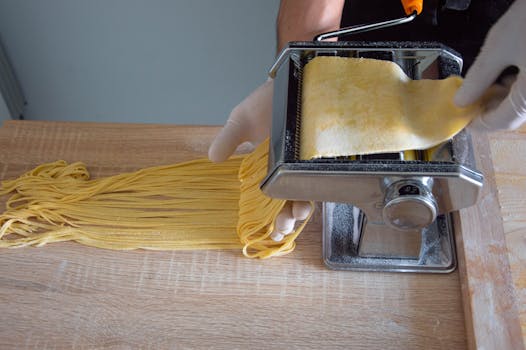
She poured a mound of flour onto the wooden board, creating a small well in the center. Then, slowly, methodically, she added water, mixing it with her fingers, gradually incorporating the flour. Her hands moved with an ancient rhythm, a dance passed down through generations. "Feel the dough," she instructed through Sofia. "It should be soft, but firm. Like a baby's cheek."
We kneaded. And kneaded. For what felt like an eternity, but was probably only twenty minutes. Nonna Maria's movements were fluid, powerful, her whole body engaged. She pressed, folded, turned, her hands a blur of motion. My own attempts were clumsy, hesitant. She’d gently take my hands in hers, adjusting my grip, guiding the rhythm. Her hands were surprisingly strong, years of kneading bread and pasta had given them an incredible dexterity.
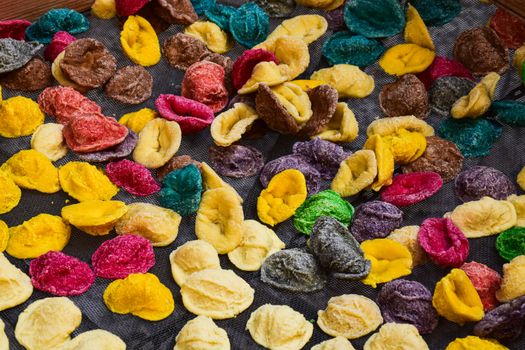
Then came the orecchiette. She rolled a piece of dough into a long, thin rope, then with a small, blunt knife, she sliced off tiny pieces. The magic happened next: with a flick of her thumb, she dragged each piece across the board, creating a small, concave disc – the "little ear." My first attempts looked like misshapen pebbles. Nonna Maria chuckled, a warm, melodic sound, and with infinite patience, showed me again. And again. She didn't correct me with words, but with gentle nudges, a reassuring pat on the back, a knowing glance. Slowly, painstakingly, my pebbles began to resemble ears.
We talked (or rather, Sofia translated Nonna's stories) as we worked. Nonna Maria shared tales of her youth, of making pasta for her large family, of gathering wild herbs, of growing vegetables in her garden. Food wasn't just sustenance; it was history, tradition, love.
The culmination was a simple but divine meal: our handmade orecchiette, tossed with a fresh tomato sauce Nonna had been simmering for hours, fragrant with basil from her garden and a generous drizzle of her own family’s olive oil. The taste was transcendent. It wasn't just the flavors; it was the story in every bite, the connection, the effort, the love.
Budget Tip:
Cooking classes like Nonna Maria's typically range from €70-€150 per person, often including the meal. While not free, it's an investment in an experience far richer than a fancy restaurant meal and can often serve as both an activity and a meal, saving on separate dining costs.
### More Than Just Pasta: Lessons in Life, Laughter, and Slow Living
The day with Nonna Maria extended far beyond the kitchen. After lunch, we sat in her small, sun-drenched courtyard, sipping strong espresso from tiny cups. Nonna Maria, despite her age, had an infectious vitality. She shared stories of her life, of growing up in a world without refrigerators, where food was grown, harvested, and prepared with respect for the land and the seasons.
She spoke of the importance of family, of community, of finding joy in the simple things. "Life is like pasta," she said, her eyes twinkling. "You must knead it with patience, shape it with care, and savor every bite." This wasn't just cooking advice; it was a philosophy.
I realized then that my pursuit of "authenticity" wasn't just about finding traditional recipes; it was about connecting with the values that underpin those traditions. It was about understanding the cultural fabric that gives life its flavor. Nonna Maria embodied "slow living" – a concept I had read about in magazines but had never truly witnessed firsthand. There was no rush, no multitasking, just a profound engagement with the present moment.
Her home, though modest, radiated warmth and history. Every object seemed to have a story, every photograph a memory. She showed me old family pictures, her eyes misting over with a blend of nostalgia and gratitude. I wasn't just a tourist; I was a temporary guest, welcomed into her world, sharing a slice of her life. This intimate connection, forged over flour and water, was more profound than any museum visit or guided tour.
Cultural Insight:
In Italian culture, especially in the South, food is an expression of love, hospitality, and family tradition. Nonnas are revered as the guardians of these traditions. Always show respect, be polite, and try to engage, even with a language barrier. A small gift (like a local specialty from your home country, or flowers) is a thoughtful gesture.
### Puglia Beyond the Kitchen: Embracing the Slow Travel Ethos
My experience with Nonna Maria didn't just teach me to make pasta; it taught me how to travel. Inspired by her philosophy of slow living, I spent the rest of my time in Puglia embracing this new approach.
Instead of rushing from town to town, I lingered. I explored Cisternino’s whitewashed alleys, discovering hidden courtyards bursting with bougainvillea. I spent an afternoon simply watching the local men play cards in the piazza, sipping a bitter aperitivo and soaking in the atmosphere.
I ventured to nearby towns like Locorotondo and Ostuni, known for their stunning historical centers. Instead of a quick photo op, I'd find a local café, order a caffè leccese (iced coffee with almond milk), and simply observe life unfolding. I visited local markets in Martina Franca, mesmerized by the vibrant colors of fresh produce and the lively banter of vendors. I bought local olive oil, sun-dried tomatoes, and fresh cheese, savoring the flavors of the land.
I took a scenic drive through the Valle d'Itria, stopping at random masseria (fortified farmhouses) that advertised local produce or wine tastings. Many offer informal tours and tastings for a fraction of the cost of organized tours, often with passionate owners eager to share their heritage. I discovered hidden beaches along the Adriatic coast, where the water was impossibly turquoise and the only sounds were the waves and the distant cries of gulls.
Getting Around Puglia:
While trains connect some major towns, a rental car is highly recommended for exploring Puglia’s countryside and smaller villages at your own pace. Roads are generally good, and parking is available (though can be tricky in historic centers). Expect to pay €30-€60 per day for a basic rental, depending on the season.
Best Time to Visit:
Spring (April-May) and Fall (September-October) offer pleasant weather, fewer crowds, and vibrant landscapes. Summers (June-August) can be hot and crowded, especially along the coast, but perfect for beach lovers.
### How to Find Your Own Nonna (or Transformative Experience): Practical Tips for Deeper Travel
My experience with Nonna Maria was unique, but the principles behind it can be applied to almost any destination. Here’s how you can seek out your own transformative travel moments:
1. Prioritize Connection Over Checklist: Shift your mindset. Instead of "what landmarks can I see?", ask "what unique cultural interactions can I have?" Look for opportunities to learn, create, or share.
2. Go Local, Literally:
* Airbnb Experiences: Look for small, hyper-local offerings. Filter by "cooking," "crafts," or "local life." Read reviews carefully for authenticity.
* Local Tour Operators: Seek out small, independent operators specializing in cultural tours or unique workshops, rather than large commercial companies.
* Ask Around: Once you arrive, ask your guesthouse host, a shopkeeper, or a café owner for recommendations for local experiences. Word-of-mouth is powerful.
* Community Centers/Religious Institutions: In some cultures, these can be hubs for local activities and classes.
3. Embrace the Language (Even a Little): Learning a few basic phrases in the local language opens doors. "Hello," "thank you," "please," and "delicious" go a long way. Use translation apps when necessary, but don't let it be a barrier to trying.
4. Be Open and Respectful: Approach these experiences with an open mind and heart. Be genuinely curious, patient, and respectful of local customs and traditions. Remember you are a guest.
5. Venture Off the Beaten Path: Smaller towns and villages often offer more authentic experiences than bustling cities. They are typically more welcoming to curious travelers.
6. Allow for Spontaneity: Don't over-schedule. Leave room in your itinerary for serendipitous encounters, unexpected invitations, and simply observing local life. Some of the best memories are unplanned.
7. Consider Homestays or Guesthouses: Staying with locals or in small, family-run accommodations can provide invaluable insights and connections that hotels cannot.
8. Budget Wisely: Authentic experiences don't always mean cheap, but they offer incredible value. Prioritize these experiences over expensive tourist traps. A €100 cooking class that provides a lifetime memory is a better investment than a €100 meal in a generic restaurant.
Safety Tip:
While seeking authentic experiences is rewarding, always trust your gut. If an offer feels too good to be true, or a situation feels uncomfortable, politely decline and remove yourself. Research hosts and experiences thoroughly beforehand.
### The Lingering Taste of Transformation: Why I'll Never Travel the Same Way
My day with Nonna Maria was over in a blink, but its impact has lasted years. I left Puglia not just with a recipe for orecchiette (which I've proudly recreated for friends and family) but with a profound shift in my travel philosophy.
I no longer chase checklists. I chase connections. I seek out the quiet moments, the shared smiles, the stories whispered over a meal. I prioritize learning over seeing, engaging over observing. I've since taken a pottery class in Morocco, learned traditional weaving in Guatemala, and helped harvest grapes at a small family vineyard in Portugal. Each experience, like my time with Nonna Maria, has added incredible depth and richness to my travels, transforming them from mere sightseeing into genuine cultural immersion.
The world is full of Nonnas – people who hold the keys to their culture, their history, their heart. They might be a fisherman in Greece, a weaver in Peru, or a street food vendor in Vietnam. They are everywhere, waiting to share their wisdom, their craft, and a piece of their lives. All you have to do is be open, be curious, and be willing to step into their world.
So, next time you plan a trip, I urge you: put down the guidebook. Close the "Top 10" list. Instead, ask yourself: Who can I learn from? What story can I be a part of? You might just find that the most delicious memories aren't found in a fancy restaurant, but in a humble kitchen, taught by the most unlikely, and most wonderful, of teachers. And it might just change the way you travel forever.
What's your most memorable local experience abroad? Share your stories in the comments below! And if you're inspired to find your own Nonna, tag us on Instagram with #TripsoraNonnaQuest!
---
Visual journey



Tags
Share this adventure
Join the travel community
New adventures, cultural insights and travel inspiration, straight to your inbox.
We may receive a commission if you click on a link and buy a product, service or policy, at no extra cost to you. How affiliate links work.
Been there?