
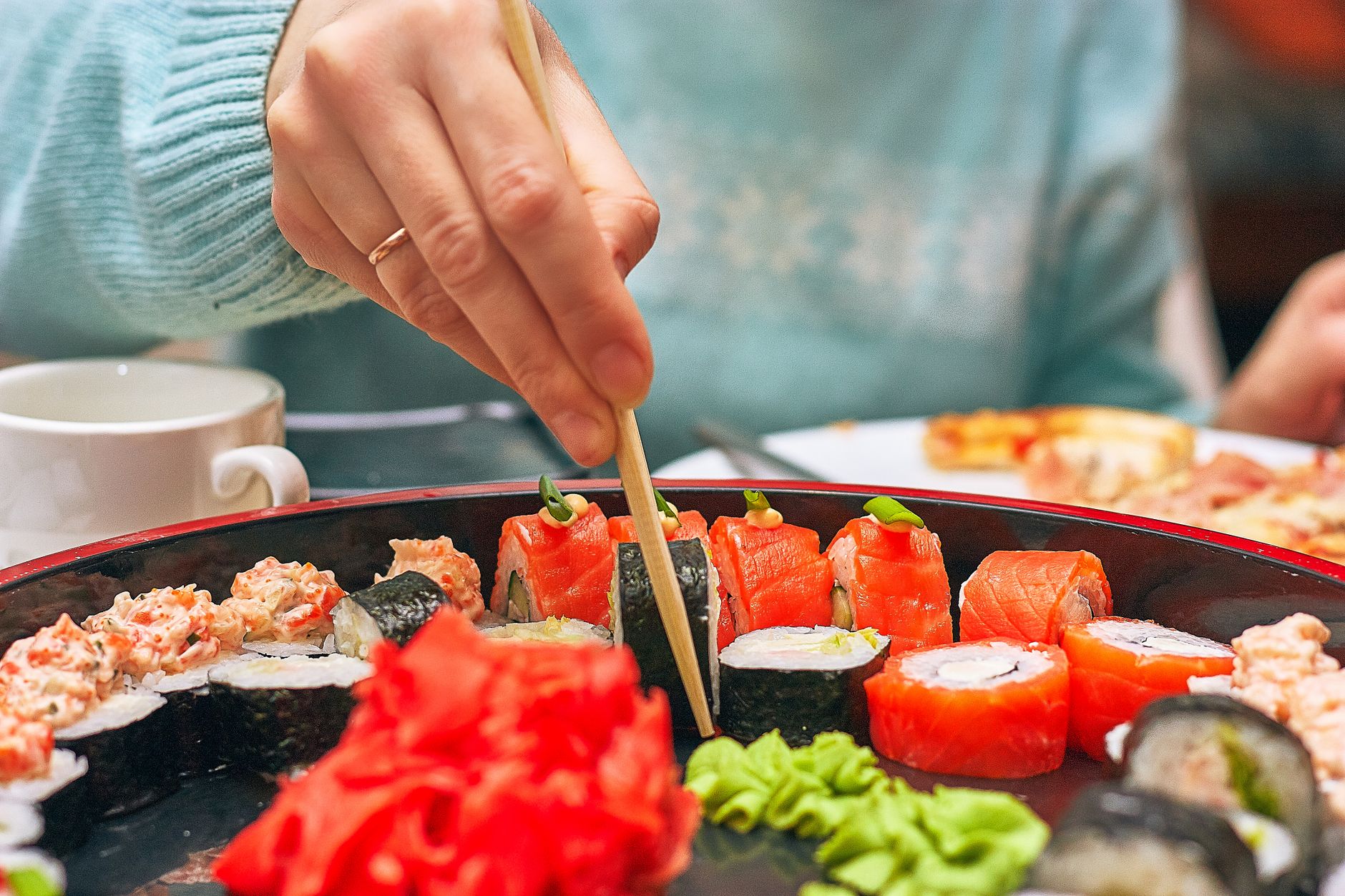
Forget your cutlery! My travels took an unexpected turn when I embraced the age-old tradition of eating with my hands. It wasn't just about food; it was a gateway to deeper cultural connections and unforgettable flavors that I want to share before everyone else discovers them.
The first time I truly ate with my hands, I was terrified. Not of the food, which smelled incredible, but of the sheer awkwardness of it all. I was in a bustling, fragrant eatery in Jaipur, Rajasthan, a thali brimming with vibrant curries, dal, rice, and fresh roti laid out before me. And no fork. No spoon. Just me, the food, and a small bowl of water for washing. My palms felt sweaty, my heart hammered a little faster, and I distinctly remember thinking, "Oh god, I'm going to make a fool of myself."
Fast forward a few years, and that memory feels like a lifetime ago. Now, eating with my hands isn't just a travel hack; it’s a non-negotiable part of my most cherished travel experiences. It's a secret language, a direct line to the heart of a culture, and a sensory explosion that no amount of polished silverware could ever replicate. And I’m here to tell you, before everyone else catches on, that you need to try it. It will change the way you travel, eat, and connect with the world.
### More Than Just Food: A Gateway to Deeper Connection
You might think eating with your hands is just a messy, primitive way to consume calories. You’d be wrong. In countless cultures across the globe, it’s a deeply ingrained practice, rich with history, community, and respect. It's about connection – connection to your food, to the earth it came from, and most importantly, to the people you’re sharing it with.
I remember sitting cross-legged on the floor of a humble home in a remote village in Ethiopia, sharing a massive platter of injera (a sourdough-risen flatbread) piled high with various wots (stews). My host, a kind woman with a radiant smile, tore off a piece of injera, expertly scooped up some doro wot (chicken stew), and offered it to me. This act, called gursha, is a gesture of love and respect, feeding a guest with your own hand. In that moment, with the spicy, tangy flavors exploding in my mouth and the warmth of her hand still lingering on my lips, I felt more connected, more welcomed, than any Michelin-starred meal could have made me. That’s the magic of hand-eating: it strips away pretension and opens a direct channel to human warmth.
### From Injera to Biryani: A World of Fork-Free Feasting
The beauty of hand-eating is its global prevalence. It’s not just one or two countries; it's a tapestry woven through continents. Here’s a quick tour of where you can dive into this delicious tradition:
India: This is arguably the spiritual home of hand-eating. From the elaborate thalis of Rajasthan to the delicate dosas of the south, the fragrant biryanis of Hyderabad, and the simple joy of dal-roti*, your right hand is your primary utensil. The logic here is that your fingers act as both scoop and mixer, allowing you to blend flavors and textures perfectly before they reach your mouth.
Ethiopia & Eritrea: As mentioned, injera is king. It’s not just food; it’s the plate, the utensil, and often the communal bond. Tearing off pieces and scooping up wots (like shiro, a chickpea stew, or kitfo*, minced raw beef) is a fundamental part of the dining experience.
Middle East & North Africa: While forks are common, many traditional dishes are still best enjoyed with your hands. Think tearing khobz (flatbread) to scoop up hummus, baba ghanoush, or the rich stews of a Moroccan tagine*. In some Bedouin traditions, sharing a whole roasted lamb with your hands is a sign of ultimate hospitality.
* Southeast Asia: Sticky rice in Laos and Northern Thailand is almost exclusively eaten with your hands, molded into small balls to scoop up curries or grilled meats. Many street foods across the region, from skewers to spring rolls, are designed for easy hand-held consumption.
West Africa: Dishes like fufu, banku, garri, and sadza* are starchy staples meant to be molded and used to scoop up flavorful soups and stews. It's a communal and deeply satisfying way to eat.
Each region has its nuances, its specific techniques, and its cultural reasons. This diversity is what makes the journey of hand-eating so endlessly fascinating.
### Mastering the Art: Your Guide to Polite & Hygienic Hand-Eating
Okay, so you’re convinced. You want to try it. But how do you avoid looking like a clumsy tourist or, worse, being disrespectful? It’s simpler than you think.
1. Wash Your Hands – Thoroughly! This is non-negotiable. Before and after the meal. Carry hand sanitizer or wet wipes for emergencies, but a proper soap and water wash is always best. Many traditional restaurants will offer a small bowl of water and soap at your table for pre-meal washing.
2. Use Your Right Hand: In many cultures, particularly in India, the Middle East, and parts of Africa, the left hand is traditionally associated with personal hygiene and is therefore considered unclean for eating or passing food. Always use your right hand. If you’re left-handed, it might feel awkward initially, but it’s a crucial sign of respect.
3. Keep it Neat (Relatively): Try to use only your fingertips (the first two joints of your fingers) to scoop the food. Don't plunge your whole hand in or get food all the way up your palm. This takes practice but aims for precision.
4. Small Portions: Don't overload your scoop. Take manageable bites that you can easily pop into your mouth without dripping.
5. No Double-Dipping (or communal contamination): Once your fingers have touched your mouth, don't put them back into the communal serving dishes. If you're sharing, scoop your portion onto your plate (if you have one) first.
6. Observe and Imitate: The best way to learn is to watch the locals. How do they tear the bread? How do they scoop the rice? Mimic their technique. Don’t be afraid to make mistakes; a genuine effort is usually appreciated.
7. Don't Lick Your Fingers Excessively: While a quick, satisfied lick might be okay, avoid prolonged finger-licking, especially if you’re sharing food.
8. Ask if Unsure: If you’re genuinely puzzled, a polite gesture or a simple question (e.g., "How do you eat this?") will often be met with helpful guidance and a smile.
Remember, the goal isn't perfection, but participation and respect. Locals will appreciate your willingness to engage with their traditions.
### Unlock New Flavors: A Feast for All Senses
Beyond the cultural connection, eating with your hands offers a profoundly different sensory experience. When you use cutlery, there’s a barrier, a metal intermediary between you and your food. Remove that, and suddenly, everything changes.
* Touch: You feel the warmth of the rice, the slight crunch of a fried lentil, the softness of a perfectly cooked vegetable. This tactile input adds another dimension to the meal, making it more primal and satisfying.
* Smell: As your hand brings the food closer to your mouth, the aromas are more intense, engaging your olfactory senses directly before the taste even registers.
Taste: Many believe that touching your food with your hands enhances the digestive process, as the brain receives signals about the food's texture and temperature, preparing the stomach. Whether scientifically proven or not, I can attest that food tastes* different – richer, more nuanced, more alive – when eaten with my hands. You become more mindful, more present in the act of eating. It’s a slow, deliberate process that forces you to savor each bite.
This mindful engagement is something we often lose in our fast-paced, fork-and-knife world. Hand-eating brings you back to the essence of nourishment.
### My Top 3 Unforgettable Fork-Free Feasts
To give you a taste of what’s possible, here are three of my most memorable hand-eating adventures, complete with a few details to inspire your own:
1. Ethiopian Gursha in Addis Ababa:
Location: A small, unassuming bet* (house/restaurant) called 'Yod Abyssinia Traditional Restaurant' in Addis Ababa, though countless local spots offer similar experiences. I found a truly authentic one down a side street off Bole Road.
The Experience: Sharing a massive, round platter covered in injera, topped with vibrant heaps of doro wot (spicy chicken stew), kik alicha (mild split pea stew), and various vegetable dishes. The communal aspect is key here. Everyone tears off a piece of injera, scoops, and eats. The gursha* from my host, a gesture of friendship, truly sealed the experience. The tangy, slightly spongy injera perfectly balanced the rich, spicy stews.
* Cost: A shared platter for two at a local spot can be surprisingly affordable, around 250-400 ETB (approx. $5-$8 USD).
* Instagram-worthy: The vibrant colors of the food against the grey injera, the communal platter, hands reaching in—pure cultural gold.
2. Rajasthani Dal Bati Churma in Jodhpur, India:
Location: 'Shri Santosh Bhojnalaya' in the Sardar Market area of Jodhpur, a no-frills, bustling dhaba* (roadside eatery) popular with locals.
The Experience: A traditional Rajasthani thali featuring dal bati churma. Bati are hard, baked wheat balls, dal is a lentil soup, and churma is a sweet, crumbly wheat dish. The ritual: you crush the bati into pieces, pour hot dal over it, add a generous dollop of ghee, and mix it all with your right hand. Then, you might add some churma* for a sweet counterpoint. The texture, the warmth, the blend of savory and sweet, all felt directly through my fingertips, was phenomenal. It was messy, glorious, and utterly delicious.
* Cost: A full thali here is incredibly cheap, often 100-180 INR (approx. $1.20-$2.20 USD).
* Instagram-worthy: A close-up of hands mixing the dal bati churma, the steam rising, the rustic setting of the dhaba.
3. Moroccan Tagine in Marrakech's Medina:
* Location: A small, nameless eatery tucked away in one of the labyrinthine alleys of Marrakech's old Medina, near Jemaa el-Fnaa. Seek out places where locals gather for lunch.
The Experience: A bubbling clay tagine arrived, filled with tender lamb, carrots, potatoes, and olives, fragrant with spices. Alongside it, a basket of freshly baked khobz* (Moroccan flatbread). The method here is to tear off a piece of khobz, use it like a spoon to scoop up the succulent meat and vegetables, and soak up the rich sauce. The bread itself is a vital part of the experience, its texture and warmth adding to the dish. It felt ancient, timeless, and deeply satisfying.
* Cost: A lamb tagine for one typically costs 60-90 MAD (approx. $6-$9 USD).
* Instagram-worthy: The steaming tagine, a torn piece of khobz poised to scoop, the vibrant colors of the spices, and the bustling background of the medina.
These experiences weren't just about the food; they were about the stories, the people, and the profound sense of belonging that came from eating in a way that resonated with the local culture.
### From Apprehension to Appreciation: Your First Steps
I know what you're thinking: "But what about hygiene? What if I look silly?" These are valid concerns, ones I shared. But trust me, the rewards far outweigh the initial apprehension.
* Start Small: You don't have to jump straight into a full Ethiopian feast. Start with something simple like tearing bread to scoop hummus, or eating a slice of pizza.
* Go with a Local Friend: If possible, have a local guide or friend with you. They can show you the ropes, answer questions, and make you feel more comfortable.
* Embrace the Mess (a little): You might get a little messy initially. It's part of the learning curve! Don't let it deter you. Carry a small pack of wet wipes or a handkerchief for quick clean-ups.
* Focus on the Exchange: Remember that your effort to eat traditionally is often seen as a sign of respect and openness. People are usually delighted to see foreigners trying to engage with their customs.
This isn't just about food; it's about breaking down barriers, experiencing culture on a deeper level, and creating travel memories that will stay with you long after the last bite. It's a personal challenge, a cultural adventure, and a culinary revelation all rolled into one. And it’s something I truly believe will enrich your travels in ways you can't imagine, before everyone else discovers just how profound this simple act can be.
So, next time you travel, put down that fork. Embrace the unexpected. Let your hands guide you to new flavors, new connections, and a whole new way of experiencing the world.
What's your first hand-eating adventure going to be? Share your experiences and tag us with #TripsoraHandFeast! Let's inspire each other to dive deeper into global cuisines!
Visual journey


Tags
Share this adventure
Join the travel community
New adventures, cultural insights and travel inspiration, straight to your inbox.
We may receive a commission if you click on a link and buy a product, service or policy, at no extra cost to you. How affiliate links work.
Other angles on this trip
These notes are written by AI to show how different kinds of traveller might see this destination. They are not comments from real readers.