

I used to chase sunsets; now I chase fishing nets. My traditional fishing expedition in Thailand wasn't just a trip; it was a profound immersion into local culture, ancient techniques, and the rhythmic pulse of the sea. Prepare to be inspired to cast your own line into an unforgettable adventure. ---
## I Joined a Traditional Fishing Expedition and Now It's All I Recommend
The salt spray kissed my face, the rhythmic thrum of the longtail boat's engine vibrated through my bones, and the sun, a molten orb, began its slow descent, painting the Andaman Sea in hues of fiery orange and soft lavender. In my hand, a simple line, no rod, just a spool of monofilament, tethering me to the mysteries beneath the waves. This wasn't some fancy charter with state-of-the-art equipment. This was a traditional fishing expedition, guided by a weathered local named Uncle Somchai, and it was, without a doubt, the most authentic, soul-stirstirring, and profoundly educational travel experience I’ve ever had. And now, I can't stop telling everyone they have to try it.
For years, my travel blog adventures for Tripsora have taken me to every corner of the globe, from bustling souks to serene mountain peaks. I've kayaked through fjords, hiked active volcanoes, and savored Michelin-starred meals. But amidst all these incredible experiences, I found myself increasingly seeking something more: genuine connection, a deeper understanding of local life, and a break from the curated tourist paths. I craved authenticity, the kind that whispers stories rather than shouts them.
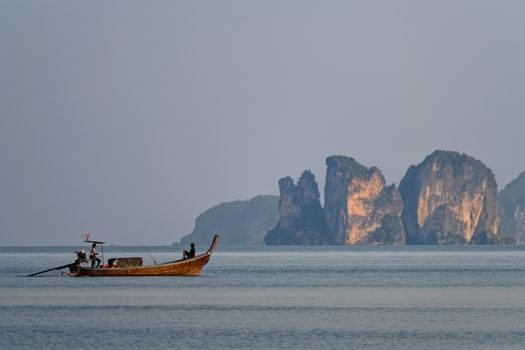
My moment of clarity came during a particularly uninspired "island hopping" tour near Krabi, Thailand. While beautiful, it felt… manufactured. A conveyor belt of photo ops and crowded beaches. As our speedboat whizzed past a lone longtail boat, its solitary fisherman patiently casting his net against a backdrop of towering limestone karsts, a seed was planted. I wanted that. I wanted the quiet patience, the ancient rhythm, the untold stories of the sea.
The very next day, I made it my mission. I abandoned the glossy brochures and instead, armed with broken Thai and a hopeful smile, headed to a small, unassuming fishing village tucked away near the lesser-known shores of Koh Lanta. And that's where my adventure truly began.
### The Call of the Andaman: Finding My Authentic Adventure
My search for an authentic fishing experience led me away from the tourist hubs of Ao Nang and directly into the heart of a small, working fishing village on the eastern side of Koh Lanta. This wasn't something you book online with a credit card; it was a journey of genuine connection. I started by asking around at my guesthouse, then at local eateries, simply stating, "I want to go fishing with a local, traditional style." The responses were initially hesitant, then, one morning, a kind woman at a roadside stall pointed me towards a small, weathered wooden house by the pier.
There, I found Uncle Somchai. He was an older man, his skin tanned and creased by decades under the tropical sun, his eyes twinkling with a kindness that transcended our language barrier. His longtail boat, painted a vibrant blue with a red stripe, was modest but meticulously maintained, its long, slender prow pointing towards the endless horizon. Through a mix of gestures, broken English, and the help of a young local who translated, I negotiated a half-day trip. The price? A humble 2,500 Thai Baht (approximately $70-$80 USD) for a solo expedition, including fresh lunch and equipment. This was a fraction of the cost of a commercial tour and, more importantly, it directly supported a local fisherman and his family.
As I stepped onto his boat, I felt a nervous excitement. This wasn't just a ride; it was an invitation into his world, his livelihood, his heritage. The smell of diesel, salt, and something undefinably marine filled the air. We pushed off from the rickety pier, leaving the village behind, and as the coastline receded, I knew I was in for something special.
### Beyond the Rod: Mastering Traditional Techniques
Uncle Somchai wasn't just a guide; he was a silent mentor, a living repository of generations of fishing knowledge. Our first stop was a cluster of rocky outcrops where the water turned a deeper azure. He didn't hand me a fancy rod and reel. Instead, he presented me with a simple plastic spool of line, weighted at the end with a small lead sinker and a single, barbed hook. "Hand-lining," he grunted, demonstrating with practiced ease how to coil the line, feel for the bottom, and twitch the bait.
It looked deceptively simple. It wasn't. My first attempts were clumsy, tangling the line, failing to feel the subtle tug that indicated a bite. Uncle Somchai watched, a patient smile playing on his lips, occasionally reaching over to adjust my grip or demonstrate the delicate dance of the line. Then, it happened. A sharp, insistent tug. My heart hammered against my ribs. I pulled, feeling the vibrant resistance of something alive. Slowly, carefully, I reeled in, hand over hand, until a shimmering, iridescent snapper broke the surface, its scales catching the sunlight like scattered jewels. The thrill was primal, exhilarating, and utterly unlike any other fishing experience I’d ever had.
We then moved to different spots, each chosen with an intuitive understanding of the tides and currents. I watched in awe as Uncle Somchai demonstrated other traditional methods:
* Net Casting: A mesmerizing ballet of strength and grace as he perfectly flung a circular net, weighted with lead, over a school of small baitfish, pulling it in with a bounty of silver.
* Crab Traps: We checked a few small, submerged cages he’d laid out earlier, finding a couple of feisty blue crabs scuttling within, their claws snapping.
* Squid Jigging: As dusk approached, he showed me how to use a specialized lure, jigging it rhythmically in the water to attract squid, their translucent bodies glowing faintly in the deepening gloom.
Each technique was a lesson in patience, observation, and respect for the sea. It wasn't about overpowering nature, but harmonizing with it. I learned to read the subtle ripples on the water, to feel the varying depths with my fingertips, and to appreciate the intricate ecosystem we were a part of.
### A Taste of the Sea: From Catch to Plate
The most magical part of the expedition unfolded as the sun began its final, dramatic descent. With a respectable haul of snapper, mackerel, and a couple of plump squid, Uncle Somchai steered his boat towards a secluded cove on a small, uninhabited island. The sand was impossibly white, the water crystal clear, and the only sounds were the gentle lapping of waves and the distant cry of a seabird.
He quickly set up a small, makeshift grill using driftwood and a metal grate he carried on his boat. With practiced efficiency, he scaled and cleaned our catch, his hands moving with a lifetime of experience. He then simply seasoned the fish with a sprinkle of salt, a dash of lime, and a few fragrant herbs he pulled from a small bag. No fancy marinades, no complicated sauces – just the pure, unadulterated flavor of the freshest seafood imaginable.
As the aroma of grilling fish wafted through the air, mingling with the scent of salt and sea, we sat on the sand, sharing our simple feast. He offered me sticky rice wrapped in banana leaves, a local chili dip, and slices of sweet, juicy mango. Eating that meal, with my fingers, on a deserted beach, under a sky ablaze with color, was a transcendent experience. The fish, caught moments before, tasted unlike anything I’d ever bought in a restaurant. It was sweet, firm, and infused with the essence of the ocean.
We ate mostly in comfortable silence, punctuated by the occasional shared smile or gesture. It was a language beyond words, a connection forged over shared effort and shared bounty. This wasn't just a meal; it was a communion, a testament to the simple joys of life lived in harmony with nature.
### More Than Fish: Cultural Immersion & Local Life
Beyond the thrill of the catch and the exquisite taste of fresh seafood, this expedition offered a profound cultural immersion. Spending hours with Uncle Somchai, even with limited verbal communication, taught me more about Thai culture and the rhythms of local life than any guidebook ever could.
He shared stories through his actions: the reverence with which he handled each fish, the way he navigated the treacherous shallows with an innate understanding of the seabed, the quiet pride in his eyes when I finally landed a good catch. I learned about the challenges of a fisherman's life – the unpredictable weather, the fluctuating prices, the constant struggle to make a living from the sea. But also, the deep respect and connection they have for their environment. Uncle Somchai pointed out areas where he wouldn't fish, explaining that they were coral nurseries or breeding grounds, a testament to his sustainable practices. He fished for sustenance, not solely for profit, taking only what he needed and what the sea generously offered.
The quiet moments on the boat, watching him mend a net or patiently wait for a bite, allowed me to slow down, to breathe, and to simply be present. I saw hidden coves, pristine beaches, and towering limestone formations that no mass tourist boat would ever visit. These were his secret spots, his office, his sanctuary.
This expedition wasn't just about catching fish; it was about catching a glimpse into a way of life that is rapidly changing, a tradition passed down through generations. It was about appreciating the wisdom of those who live off the land (or sea), understanding their connection to nature, and respecting their heritage.
### Planning Your Own Unforgettable Expedition
Inspired to cast your own line into an authentic adventure? Here’s everything you need to know to make it happen:
#### How to Find a Reputable Local Guide
* Go Local, Literally: Avoid booking through large tour operators. Instead, head to smaller fishing villages. Ask at local guesthouses, small restaurants, or even market stalls. They often know a local fisherman willing to take you out.
* Be Patient and Respectful: It might take a day or two to find someone. Approach with a friendly demeanor, explain what you’re looking for (e.g., "traditional fishing, local style"), and be open to negotiation.
* Look for Authenticity: Does their boat look like a working fishing vessel, not a tourist cruiser? Do they speak limited English? These are good signs.
* Safety First: While traditional, ensure their boat looks seaworthy and they have basic safety equipment (life vests).
#### Best Time to Go
* Weather: For Southern Thailand, the dry season (November to April) offers calmer seas and sunny skies. The monsoon season (May to October) can bring rougher waters and rain, though fishing still happens.
* Tides: Discuss with your guide. Fishing success is heavily dependent on tides and currents, so they'll know the best times.
* Morning vs. Evening: Both offer unique experiences. Mornings are often for deep-sea fishing; evenings are fantastic for squid jigging and breathtaking sunsets.
#### What to Bring
* Sun Protection: Hat, sunglasses, high-SPF sunscreen are non-negotiable. The sun on the open water is intense.
* Light Clothing: Long sleeves and pants made of breathable fabric can protect you from the sun.
* Water & Snacks: While many trips include lunch, bring extra water to stay hydrated.
* Camera: The photo opportunities are endless – sunsets, fresh catch, stunning landscapes. Ensure it's waterproof or in a dry bag.
* Small Backpack: To keep your essentials.
* Open Mind & Patience: These are key ingredients for a truly rewarding experience.
* Cash: For payment and any small purchases in the village.
#### Budget & Pricing
* Solo vs. Group: Expect to pay more for a solo trip as you're covering the boat's cost yourself. Joining a small group (if you find others interested) can reduce per-person costs.
* Negotiation: Prices are often negotiable. My 2,500 THB for a half-day solo trip was fair. Expect anything from 2,000-4,000 THB ($60-$120 USD) for a half to full-day private trip, depending on location and duration.
* What's Included: Confirm if lunch, water, and fishing gear are included in the price.
* Support Local: Remember, this money directly supports the local community and their traditional way of life. Don’t haggle too aggressively.
#### Safety Tips
* Listen to Your Guide: They are the experts on the local waters and weather.
* Life Vests: Always wear one, especially if you're not a strong swimmer or if the sea is choppy.
* Weather Awareness: Be mindful of changing weather. If your guide suggests rescheduling due to rough seas, heed their advice.
* Sharp Hooks: Be careful when handling fishing lines and hooks.
#### Cultural Etiquette
* Respect Local Customs: Dress modestly when in the village.
* Offer Help: If appropriate, offer to help with simple tasks like baiting a hook or cleaning up.
* Show Gratitude: A genuine smile and "Khob Khun Krub/Ka" (thank you) go a long way.
* Responsible Tourism: Leave no trace. Take all your rubbish with you. Support sustainable practices.
### Why This Isn't Just a Fishing Trip – It's a Revelation
I came to Thailand seeking adventure, but I found something far deeper on that longtail boat with Uncle Somchai. I found a connection to the raw, untamed beauty of nature, a profound respect for ancient traditions, and a quiet joy in the simplicity of life.
This expedition isn't just about catching fish; it's about casting away your preconceptions and reeling in a richer understanding of the world. It’s about the quiet moments of reflection as you watch the sunrise over the ocean, the shared laughter over a missed catch, and the humbling experience of learning from someone who lives intrinsically linked to the elements.
It’s incredibly Instagram-worthy, yes – think golden hour glows on shimmering fish, vibrant longtail boats against turquoise waters, and genuine smiles. But more than that, it’s memory-worthy, soul-worthy. It's a reminder that the most profound travel experiences often lie off the well-trodden path, in the hands of local heroes, and in the embrace of authentic cultural exchange.
So, if you're tired of the same old tourist circuits and craving an adventure that will genuinely change your perspective, I implore you: find a local fisherman, step onto their boat, and let the rhythmic pulse of the sea guide you. You might just find yourself, like me, hooked for life.
What's the most authentic local experience you've ever had while traveling? Share your stories in the comments below, and don't forget to share this post with fellow adventurers!
---
Visual journey



Tags
Share this adventure
Join the travel community
New adventures, cultural insights and travel inspiration, straight to your inbox.
We may receive a commission if you click on a link and buy a product, service or policy, at no extra cost to you. How affiliate links work.
Been there?