
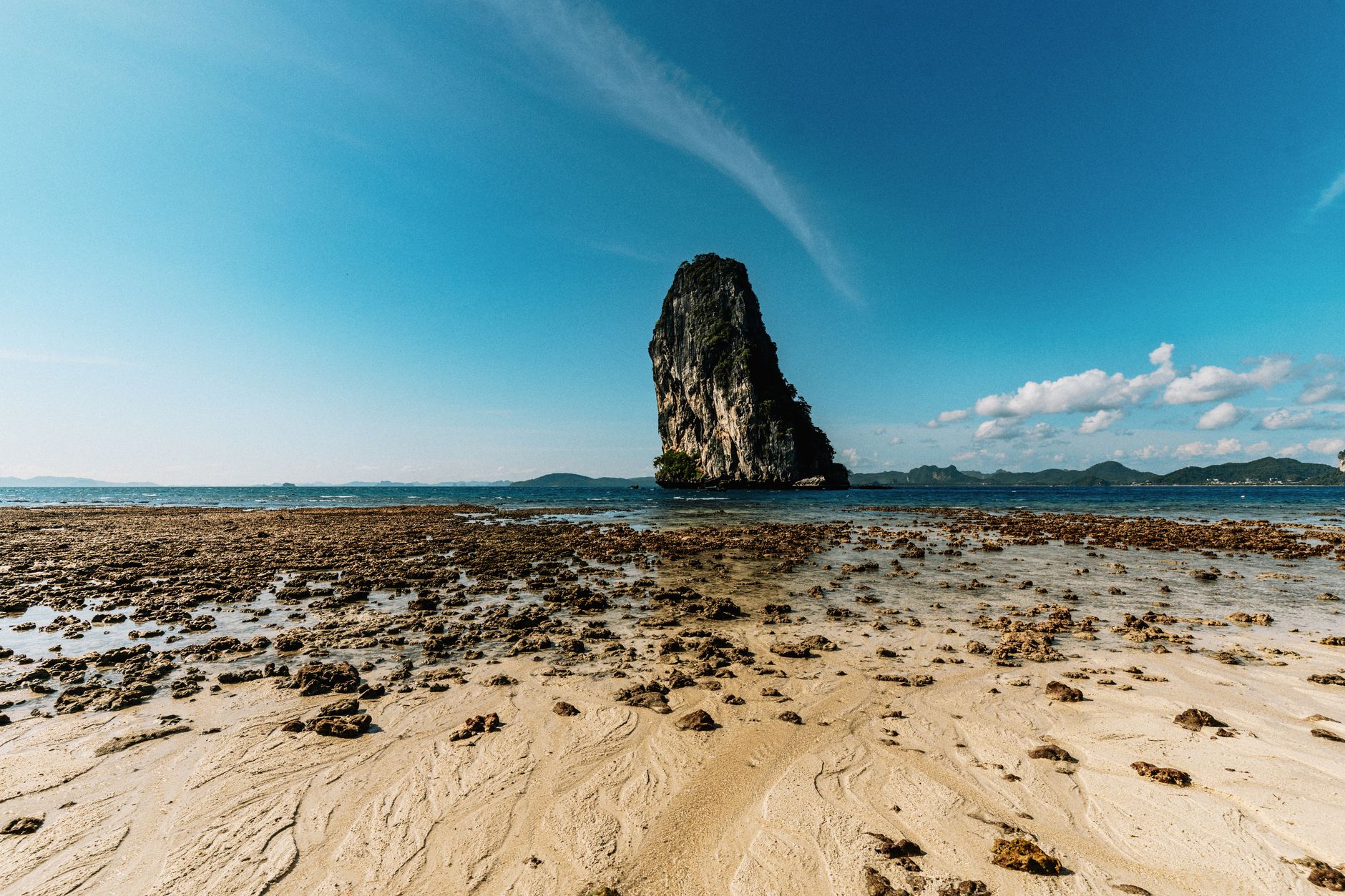
Ever chased that one elusive shot, pouring hours into getting it just right? I did, and after a grueling 100 attempts, I finally captured a moment so breathtaking, I had to share it immediately. Join me as I unveil the story, the location, and all my secrets to nailing that perfect travel photograph! ---
## The Quest for Perfection: How I Spent Days Chasing That Shot and Finally Nailed It!
There are moments in travel that etch themselves into your soul – the taste of a new spice, the sound of an unfamiliar language, the feeling of sun on your skin in a faraway land. And then, there are moments you desperately want to freeze, to capture, to share, so others can feel a sliver of the magic you experienced. For me, in the stunning embrace of Krabi, Thailand, that moment became an obsession. An obsession that led to 100 attempts, countless hours, and ultimately, the perfect shot. And believe me, when I finally saw it on my camera screen, I practically vibrated with excitement, needing to share it with the world immediately.
It wasn't just a photo; it was a testament to patience, a dance with nature, and a deep dive into the heart of a place. Let me tell you the story of how I captured my most cherished travel photograph, and how you can chase your own photographic dreams, even if it takes a hundred tries.
### The Spark: A Vision Ignited on Phra Nang Beach
My journey began, as many do, with a vision. I’d seen countless postcards and Instagram feeds featuring Thailand’s iconic longtail boats set against dramatic limestone karsts and fiery sunsets. But I wanted my shot. I wanted it to be unique, to convey the serenity, the majesty, the very soul of Krabi. My target: Phra Nang Cave Beach, a gem nestled at the southern tip of Railay, accessible only by boat.
I arrived in Krabi Town, a bustling hub, and quickly made my way to Ao Nang beach. From there, a 15-minute longtail boat ride (a standard 100-150 THB one-way, about $3-5 USD) deposited me onto the soft sands of Phra Nang. The initial sight was breathtaking: towering cliffs draped in lush greenery, emerald waters, and the famous Phra Nang Cave (Princess Cave) with its intriguing phallic shrine. But my photographer's eye immediately noticed something else – the constant ebb and flow of longtail boats. Vendors selling pad Thai and fresh fruit from their boat kitchens, tourists arriving and departing, locals going about their day. It was beautiful, but also... busy. My vision of a solitary boat against a perfect sunset felt like a distant dream amidst the daytime chaos.
My first few attempts were, to put it mildly, a disaster. Crowds constantly walked into my frame. Boats were either too close or too far, never quite in the right spot. The light was harsh midday, then too flat in the late afternoon. I tried different angles, climbed small rocks for a better vantage, even waded into the water. Each time, I reviewed the shots, sighing. They were good, but not the one. The quest had officially begun.
### The Grind: Patience, Persistence, and a Little Help from My Friends
Over the next three days, Phra Nang Beach became my office. I'd arrive mid-afternoon, armed with my camera gear, a tripod, water, and plenty of mosquito repellent. I spent hours observing the tides, the movement of the boats, the trajectory of the sun. I spoke to local boatmen, learning their schedules, understanding when the busiest times were, and when there might be a lull. One friendly boatman, who went by "Captain Somchai," even chuckled at my dedication, offering me a free ride back to Ao Nang one evening after seeing my persistent efforts. His advice? "Wait for the light, miss. The light changes everything."
Captain Somchai was right. The golden hour in Krabi is pure magic, painting the sky in hues of orange, pink, and purple that defy description. But even with perfect light, getting that solitary boat was the challenge. Most boats were either docked, laden with tourists, or moving too quickly. I needed one to be perfectly positioned, still enough for a long exposure, and ideally, silhouetted against the vibrant sky.
I tried different camera settings: faster shutter speeds for crisp boats, wider apertures for blurred backgrounds, playing with ISO to manage the fading light. I probably took 50 shots on day one, 30 on day two, and by day three, I was well over 80 attempts, each one a learning experience, but none quite hitting the mark. Frustration gnawed at me, but the vision burned brighter. I knew it was there, waiting for me.
### The Breakthrough: When Light, Luck, and Logic Align
On the fourth day, something shifted. I arrived earlier, around 3 PM, and spent time just being on the beach. I bought a fresh mango sticky rice from a boat vendor (around 60 THB, a delicious and essential fuel for any photographer!) and chatted with a couple from Germany who were equally mesmerized by the scenery. As the sun began its descent, painting the sky in soft pastels, I set up my tripod at a spot I'd scouted – slightly elevated, offering a clear view of the iconic karst formations and the open water.
My camera settings were dialed in for a long exposure:
* Aperture: f/11 (for good depth of field, keeping both the boat and the background sharp)
* ISO: 100 (to minimize noise during a long exposure)
* Shutter Speed: Variable, starting at 1/30s and adjusting down to 1-2 seconds as the light faded. I also used an ND filter (Neutral Density) to allow for even longer exposures in brighter conditions, smoothing out the water and sky.
* White Balance: Set to "Cloudy" or "Shade" to enhance the warm tones of the sunset.
* Focus: Manual, focused on the spot where I hoped a boat would be.
I waited. And waited. Other tourists packed up and left. The boat vendors started to leave. The air grew cooler, infused with the scent of salty sea and blooming frangipani. And then, it happened. A lone longtail boat, its engine sputtering softly, began to drift into my frame, perfectly positioned against the rapidly intensifying sunset. It wasn't moving too fast, allowing for that magical blend of sharpness and slight motion blur that makes long exposures so captivating.
Click. Click. Click.
I rattled off a burst of shots, adjusting the shutter speed with each fading moment of light. The boat was a dark silhouette, the sky a symphony of oranges, purples, and deep blues. The water, smoothed by the long exposure, reflected the colors like a liquid mirror. On my 97th, 98th, 99th… and then, the 100th attempt, I knew I had it. The boat was perfectly centered, the sky was ablaze, and the composition was flawless. I held my breath, reviewing the image on my camera's LCD screen.
It was perfect. Absolute, undeniable perfection. I literally gasped. The joy, the relief, the sheer exhilaration of seeing that image after days of effort – it was an almost spiritual experience. I packed up my gear, my heart pounding, a wide, goofy grin plastered across my face. I had to share this immediately.
### Beyond the Lens: Experiencing Krabi's Magic
While photography was my primary mission, Krabi offers so much more. Don't let your pursuit of the perfect shot overshadow the actual experience of this incredible region.
1. Island Hopping Extravaganza:
Phra Nang is just one slice of Krabi's island paradise. Rent a private longtail boat (negotiate prices at the beach, typically 1500-2500 THB for half-day, 2500-4000 THB for full-day, depending on route and duration) or join a group tour (around 500-1000 THB per person) to explore the famous "Four Islands": Poda Island, Chicken Island, Tup Island, and the gorgeous Phra Nang Cave Beach itself. Snorkeling in crystal-clear waters, sunbathing on pristine sands, and marveling at the unique rock formations are essential Krabi experiences.
2. Rock Climbing Mecca:
Railay, including Phra Nang, is renowned worldwide for its limestone karsts, making it a rock climber's dream. Even if you're a beginner, there are plenty of half-day or full-day courses available (starting around 800-1500 THB per person) that include equipment and expert guides. Imagine scaling a cliff face with panoramic views of the Andaman Sea – an unforgettable adventure!
3. Emerald Pool and Hot Springs:
Venture inland for a day trip to Krabi's natural wonders. The Emerald Pool (Sa Morakot) is a stunning natural spring with vibrant green water, perfect for a refreshing dip (entry fee approx. 200 THB). Nearby, the Krabi Hot Springs offer a relaxing soak in natural thermal waters, believed to have therapeutic properties (entry fee approx. 160 THB). You can hire a tuk-tuk or scooter for the day, or join an organized tour.
4. Tiger Cave Temple (Wat Tham Suea):
For the fit and adventurous, a climb to the summit of Tiger Cave Temple is a must. It’s 1,237 steps to the top, but the panoramic views of Krabi and its surrounding islands are absolutely worth the effort. The temple itself is a spiritual retreat, with caves housing meditation areas and ancient relics. Wear comfortable shoes and bring plenty of water. Entry is free, but donations are welcome.
5. Savoring Thai Flavors:
Krabi’s culinary scene is a delight. Beyond the boat vendors on Phra Nang, explore the night markets in Krabi Town (especially the weekend market) for an incredible array of street food. From spicy curries and fresh seafood to sticky rice desserts and tropical fruit shakes, you can feast like royalty on a budget (most dishes 50-150 THB). Don't miss out on authentic Massaman Curry or a refreshing Som Tum (papaya salad).
### Practical Tips for Your Krabi Adventure and Photography Quest
Best Time to Visit:
The dry season (November to April) is ideal for Krabi, with sunny days and calm seas. However, this is also peak tourist season. For fewer crowds and slightly lower prices, consider the shoulder months of May, June, September, and October, but be prepared for occasional rain showers. For photography, aim for sunrise or sunset (golden hour) for the most dramatic light.
How to Get There:
Krabi International Airport (KBV) has direct flights from Bangkok and other regional hubs. From the airport, you can take a shared minivan (150 THB), private taxi (around 600 THB), or airport bus (90 THB) to Krabi Town or Ao Nang. If coming from other parts of Thailand, buses and ferries are also excellent options.
Getting Around:
* Longtail Boats: The primary mode of transport for island hopping and reaching places like Railay and Phra Nang. Negotiate prices or buy tickets at designated booths.
* Tuk-Tuks/Songthaews: Available in Krabi Town and Ao Nang for local transport.
* Scooter Rental: For the adventurous, renting a scooter (around 200-300 THB per day) offers flexibility to explore inland attractions. Always wear a helmet and ensure you have appropriate insurance.
* Walking: Many areas, like Railay and Ao Nang's main strips, are easily walkable.
Budgeting for Brilliance:
Krabi can be enjoyed on any budget.
* Accommodation: Guesthouses and hostels start from 300-500 THB ($10-15) per night. Mid-range hotels are 1000-3000 THB ($30-90). Luxury resorts can go upwards of 5000 THB ($150+).
* Food: Street food and local restaurants are incredibly affordable (50-150 THB per meal). Tourist-oriented restaurants will be higher.
* Activities: Day trips and tours vary, but there are always budget-friendly options.
* Transportation: Local transport is cheap, but private transfers add up.
Safety First:
Thailand is generally safe, but always exercise caution.
* Water Safety: Be aware of currents, especially when snorkeling or swimming. Listen to local guides.
* Sun Protection: The Thai sun is intense. Use high SPF sunscreen, wear hats, and stay hydrated.
* Scooter Safety: If renting a scooter, only do so if you're an experienced rider. Accidents are common.
* Respect Local Culture: Dress modestly when visiting temples. Always be polite and smile (the "wai" gesture is appreciated).
* Valuables: Keep your belongings secure, especially in crowded areas.
Photography Tips for Your Own "Perfect Shot" Quest:
1. Scout Your Location: Don't just show up and shoot. Spend time observing the light, the crowds, the natural elements.
2. Patience is Key: The perfect moment rarely happens on demand. Be prepared to wait, sometimes for hours.
3. Learn Your Gear: Understand your camera's settings inside and out, especially aperture, shutter speed, ISO, and white balance.
4. Experiment with Composition: Rule of thirds, leading lines, symmetry, framing – try different angles and perspectives.
5. Golden Hour is Gold: Shoot during sunrise or sunset for the most dramatic and flattering light.
6. Use a Tripod: Essential for long exposure shots and for sharp images in low light.
7. ND Filters: Invest in Neutral Density filters to achieve longer exposures in daylight or fading light, allowing for silky water and streaky clouds.
8. Get Local Insights: Talk to locals. They often know the best times, secret spots, and unique perspectives.
9. Post-Processing: A good photo can become great with thoughtful editing. Don't overdo it, but enhance colors, sharpen details, and correct exposure.
10. Don't Give Up: If it takes 100 attempts, so be it! The satisfaction of getting the shot is immeasurable.
### The Power of a Single Image
That one shot, my 100th attempt, wasn't just a photograph; it was a story. A story of dedication, of falling in love with a place, and of the sheer joy of creation. When I finally shared it, the response was overwhelming. It resonated with so many, inspiring them to visit Krabi, to pick up their cameras, and to chase their own versions of perfection.
Travel photography isn't just about capturing pretty pictures; it's about capturing emotions, telling stories, and preserving memories. It's about seeing the world with an open heart and a curious eye. So, next time you're on an adventure, don't be afraid to chase that elusive shot. Embrace the challenge, learn from every attempt, and trust that with enough patience and passion, you too can capture a moment so perfect, you’ll want to share it with the world immediately.
Now, it's your turn. What's your dream shot? Where will your next photographic adventure take you? Share your stories and tips in the comments below!
---
Visual journey


Tags
Share this adventure
Join the travel community
New adventures, cultural insights and travel inspiration, straight to your inbox.
We may receive a commission if you click on a link and buy a product, service or policy, at no extra cost to you. How affiliate links work.
Been there?