

"You're crazy. It's too risky. You'll never make it work." That's what they said. But I silenced the skeptics and embraced the digital nomad life with a visa designed just for remote workers. This isn't just my story; it's your blueprint to proving everyone wrong and living your dream abroad. ---
## The Doubters, The Dream, and The Day I Said "Enough!"
"You're going to quit your stable job for that? A 'digital nomad'? That's just a fancy word for unemployed, isn't it?"
The words, laced with concern (and a healthy dose of judgment), came from a well-meaning relative during a family dinner. I remember the clatter of forks against plates, the awkward silence, and the sudden heat rising in my cheeks. It wasn't the first time I'd heard it. Friends, colleagues, even my own inner voice, had echoed similar sentiments for months.
My dream wasn't just to travel; it was to live differently. To trade cubicle walls for ancient cobbled streets, fluorescent lights for golden hour sunsets, and a predictable routine for the exhilarating unknown. I wanted to work from anywhere, truly embrace location independence, and build a life that felt authentic, vibrant, and utterly mine.
For years, the idea of being a "digital nomad" felt like a mythical creature – something only a select few, often in highly niche tech roles, could achieve. The logistics of staying long-term in a foreign country, navigating visas, and establishing a stable work-life balance seemed insurmountable. Every time I brought it up, the skepticism was palpable. "How will you get a visa?" "What about taxes?" "Isn't it just a prolonged vacation?"
But then, something shifted. The world changed. Remote work became not just an option, but often, the default. And with that, governments around the globe started to wake up, introducing a game-changer: the Digital Nomad Visa.
This wasn't just a travel whim; it was a legitimate pathway. It was my chance. And it wasn't just about proving myself right to myself, but about showing every single person who doubted me, and perhaps even you, that this dream isn't just possible – it's within reach.
This is my story of getting a Digital Nomad Visa, moving to Portugal, and how it proved every single skeptic wrong.
---
### Unpacking the "How": My Digital Nomad Visa Journey to Portugal
When I first started researching, the sheer volume of information was overwhelming. Which country? What visa? Do I need a lawyer? My head spun. I knew I wanted somewhere with great weather, a rich culture, a relatively affordable cost of living, and a welcoming expat community. Portugal quickly rose to the top of my list.
Historically, many remote workers used the D7 "Passive Income" visa for Portugal. But in late 2022, Portugal launched its dedicated Digital Nomad Visa (DNV), officially known as the "Visa for the Exercise of Professional Activity Provided Remotely Outside the National Territory." This was it. This visa was designed for people like me – remote workers employed by a company outside Portugal, or self-employed individuals with clients outside Portugal.
The Nitty-Gritty: Documents & Requirements
This wasn't a walk in the park, but it wasn't climbing Everest either. Here's a breakdown of what I needed:
1. Proof of Income: This was the big one. For the Portuguese DNV, you need to prove a monthly income of at least four times the Portuguese minimum wage. At the time I applied (late 2023), the minimum wage was around €760, so I needed to show approximately €3,040 per month (this fluctuates, so always check the latest figures!). I provided bank statements and employment contracts/invoices to my clients.
2. Proof of Accommodation: A lease agreement for at least 12 months in Portugal. This was a chicken-and-egg situation – how do you get a lease without being there? Many nomads initially book a long-term Airbnb (3-6 months) or use a temporary address for the visa application and then find something permanent. I opted for a 6-month Airbnb booking in Lisbon, which was accepted.
3. Health Insurance: Comprehensive travel insurance with medical coverage valid in Portugal, or proof of enrollment in the Portuguese national health system (which you can only do after residency). I went with a global health insurance plan for the initial period.
4. Criminal Record Certificate: From my home country and any country I'd lived in for more than a year in the past five years. This needed to be apostilled.
5. Passport & Photos: Standard stuff – valid passport, passport-sized photos.
6. NIF (Número de Identificação Fiscal): Portugal's tax identification number. I got this remotely through a lawyer before I even applied for the visa. It's essential for everything from renting to opening a bank account.
7. Portuguese Bank Account: Proof of sufficient funds in a Portuguese bank account. Again, tricky to open remotely, but some banks facilitate this, or a lawyer can assist. I transferred my initial proof of funds here.
8. Visa Application Form & Interview: Filling out the form accurately and attending an interview at the Portuguese consulate in my home country.
Timeline & Costs:
* Preparation (NIF, Bank Account, Accommodation Search): 2-3 months.
* Visa Application Submission: After gathering all documents, I submitted them to the consulate.
* Waiting Period: This varied wildly, but for me, it was about 2.5 months from application to visa approval. Patience is a virtue here!
* Visa Fees: Around €90-€150 for the visa itself, plus costs for apostilles, translations, and potentially legal assistance (which I highly recommend for peace of mind). My total upfront costs (including the first few months of rent deposit, insurance, NIF, and visa fees) were around €4,000-€5,000. It felt like a lot, but I saw it as an investment in my freedom.
My Top Tip for Visa Applications:
* Get Professional Help: While tempting to do it all yourself, a lawyer specializing in Portuguese immigration (or your chosen country's DNV) is invaluable. They know the nuances, can help with NIF/bank accounts, and ensure your application is watertight. It saved me immense stress and likely prevented costly mistakes.
---
### Lisbon Calling: The Reality of Life Abroad
The moment my plane touched down at Lisbon Airport, a wave of exhilaration, mixed with a healthy dose of "what have I done?!" washed over me. Stepping out into the warm, late-afternoon sun, I immediately felt the city's pulse – the scent of roasting chestnuts, the distant mournful wail of a tram, the vibrant mosaic of tiled buildings.
My first few weeks were a blur of practicalities and pure wonder. I navigated the labyrinthine streets of Alfama, got hopelessly lost (and found) in the Baixa district, and discovered my local pastelaria for daily doses of pastel de nata and strong coffee.
The Unexpected Joys:
The Light: Lisbon truly has a magical light that makes everything feel cinematic. Every sunset over the Tagus River was a moment I had to capture, share, and just be* in.
* The Food: Fresh seafood, delicious wines, and those pastries! Eating out was not just affordable, but a genuine culinary adventure.
* The People: Portuguese people are incredibly welcoming and patient, especially when you attempt a few words of their language (even if it's terrible!).
The Community: I quickly found a thriving digital nomad community through Facebook groups and co-working spaces. Suddenly, I wasn't just a lone adventurer; I was part of a tribe of like-minded individuals, all figuring out this new life together. We shared tips on everything from the best ginjinha* spots to where to get reliable internet.
The Inevitable Struggles:
* Bureaucracy: Even with a visa, dealing with Portuguese bureaucracy (e.g., getting my residency card, setting up utilities) could be a test of patience. Expect long queues and a lot of paperwork. A deep breath and a smile go a long way.
* Language Barrier: While many people in Lisbon speak English, especially the younger generation, learning basic Portuguese phrases is crucial for daily life and shows respect. My attempts were often clumsy, leading to some hilarious misunderstandings, but locals appreciated the effort.
* Finding Permanent Accommodation: My initial Airbnb was great, but finding a long-term apartment was tougher than expected. The rental market in Lisbon is competitive. I spent weeks viewing places, often losing out to others, before finally securing a charming, albeit small, 1-bedroom apartment in the Graça neighborhood. It cost me about €950/month, which was on the higher end but worth it for the location and character.
---
### Work-Life Reimagined: More Than Just a Laptop & a Beach
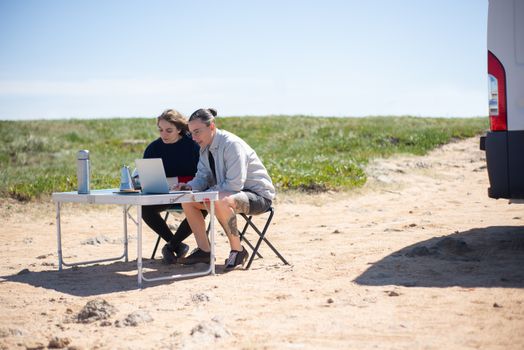
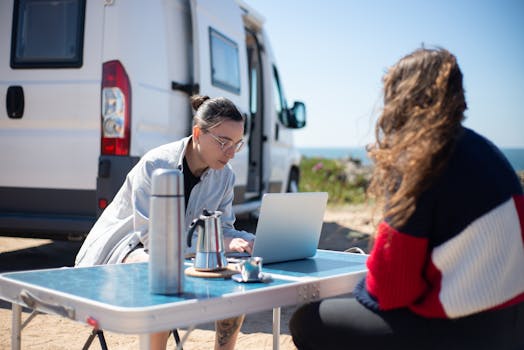
"So, you just work from the beach all day?" That was another common misconception. While the dream of working with my toes in the sand was appealing, the reality of productive remote work is a bit different.
My typical day in Lisbon started with a walk to my favorite local café for an espresso and a quiet hour of planning. Then, it was back to my apartment or to a co-working space (I used Resvés Cowork in Graça for a few months, which cost about €150/month for a dedicated desk) for focused work.
Balancing Work and Exploration:
The key to making this lifestyle sustainable is discipline. I treated my work hours seriously, often sticking to a 9-to-5 schedule, sometimes shifting it to accommodate clients in different time zones. This allowed me to fully embrace my afternoons and evenings for exploration.
Lunch Breaks: Instead of a sad desk salad, I'd often grab a delicious prato do dia* (dish of the day) at a local tasca for around €8-€12, immersing myself in local life.
Afternoons: Post-work, I'd hike up to one of Lisbon's many miradouros* (viewpoints) to watch the sunset, explore a new neighborhood, or join a language exchange group.
* Weekends: This is where the magic truly happened. Portugal is incredibly diverse and easy to explore. I took weekend trips to:
* Porto: A charming city known for its port wine and stunning bridges (train ticket around €30-€40 one way).
* The Algarve: Golden beaches and dramatic cliffs (bus ticket around €25-€35 one way).
* Sintra: Fairy-tale palaces and mystical forests (short train ride, €5 return).
This wasn't a vacation; it was my life. The ability to seamlessly integrate work with discovery, to feel productive yet constantly stimulated, was the ultimate rebuttal to the "it's just a holiday" naysayers. My productivity, surprisingly, soared. The change of scenery, the inspiration from a new culture, and the sheer joy of my surroundings fueled my creativity and focus.
---
### Making Cents of It All: The Financial Freedom Myth vs. Reality
One of the biggest concerns voiced by my skeptics was always about money. "How will you afford it?" "Won't it be more expensive?" The truth is, it can be, but with careful planning, it can also be incredibly sustainable, and for some, even more affordable than their home country.
My Monthly Budget (Lisbon, as a solo traveler):
* Rent (1-bed apartment): €950
* Utilities (electricity, water, internet): €100-€150 (depending on season)
* Groceries: €250-€300 (eating mostly at home, but enjoying local markets)
* Transportation (monthly pass): €40 (Lisbon's public transport is excellent)
* Eating Out/Coffee/Social: €200-€400 (this is where flexibility comes in, but easy to splurge!)
* Co-working Space (optional): €150
* Health Insurance: €80-€120
* Miscellaneous/Travel (weekends): €150-€300
Total Estimated Monthly Expenses: €1,920 - €2,410
Compared to my previous life in a major North American city, this was a significant reduction in my cost of living, despite the income requirement for the visa. My income was well above the €3,040 minimum, which gave me a comfortable buffer.
Key Financial Tips:
1. Track Everything: Use budgeting apps or spreadsheets. Knowing exactly where your money goes is empowering.
2. Cook at Home: Portuguese markets are fantastic and affordable. Eating out every meal adds up quickly.
3. Embrace Public Transport: Lisbon's metro, buses, and trams are efficient and cheap. Taxis/Ubers are also relatively inexpensive compared to other major cities.
4. Understand Taxes: This is crucial. As a Digital Nomad Visa holder, you'll likely become a tax resident in Portugal. Portugal offers a special Non-Habitual Resident (NHR) tax regime for new residents, which can provide significant tax benefits for the first 10 years, particularly for certain "high value-added" professions and foreign-sourced income. Always consult with a tax advisor specializing in international taxation for personalized advice. This was a complex but ultimately beneficial aspect of my move.
5. Build an Emergency Fund: Things will go wrong. Have at least 3-6 months of living expenses saved up.
---
### The Unseen Transformation: Proving Myself Right
Beyond the visa, the budget, and the beautiful sunsets, the most profound change was internal. The person who packed her bags, full of apprehension and a lingering fear of failure, was not the same person who now confidently navigated Lisbon's streets, ordered coffee in broken Portuguese, and effortlessly juggled client calls from a sun-drenched balcony.
* Resilience: I learned to problem-solve in ways I never thought possible – from dealing with a broken washing machine in a foreign language to figuring out complex tax forms. Every challenge was a stepping stone, building my confidence.
* Perspective: My world expanded. I met people from every corner of the globe, each with their own unique story. I learned about different cultures, different ways of thinking, and different priorities. The small worries that once consumed me back home seemed trivial in the grand scheme of things.
* Self-Reliance: There was no safety net of family or long-time friends nearby. I had to rely on myself, build new connections, and trust my instincts. It was liberating.
The "I Told You So" Moment: It wasn't a triumphant shout, but a quiet, profound realization. Every time I completed a challenging project from my Lisbon apartment, every time I connected with a new friend, every time I explored a stunning new corner of Portugal, I felt it. The doubts had faded. The skeptics were no longer in my head. I had proven them wrong, yes, but more importantly, I had proven myself* right. I was capable, adaptable, and thriving.
This wasn't just about escaping a routine; it was about creating a life that truly resonated with my values – freedom, exploration, continuous learning, and connection.
---
### Your Turn to Thrive: Actionable Advice for Aspiring Nomads
If my story resonates with you, if you're tired of the "what ifs" and ready to embrace the "what nows," here's my advice to kickstart your own digital nomad journey:
1. Assess Your Remote Work Readiness:
* Can your job be done remotely? Be honest. If not, start looking for remote-friendly roles or consider freelancing.
* Do you have the discipline? Working without a traditional office environment requires self-motivation and good time management.
* Ensure stable income: Don't jump without a safety net. Have a solid income stream or significant savings.
2. Research, Research, Research:
* Choose your country wisely: Consider visa requirements, cost of living, culture, time zones for work, and expat community. Popular options include Portugal, Spain, Croatia, Malta, Costa Rica, and Indonesia (Bali).
* Understand the visa: Each Digital Nomad Visa (or equivalent long-stay visa) has specific income thresholds, document requirements, and application processes. Don't generalize.
3. Build Your Financial Runway:
* Save at least 6 months of living expenses (more if you're self-employed).
* Factor in upfront costs: visa fees, insurance, initial accommodation, flights, legal assistance.
4. Network Before You Go:
* Join online digital nomad communities (Facebook groups, Reddit forums) for your target country/city. Ask questions, get real-time advice.
* Reach out to people already living there. Their insights are invaluable.
5. Embrace the Unknown:
Things will* go wrong. Bureaucracy will frustrate you. You'll feel lonely sometimes. These are all part of the journey.
* Be flexible, adaptable, and keep a sense of humor. That's the true spirit of a nomad.
Don't let the voices of doubt, internal or external, hold you back. The world is changing, and the opportunity to design a life that truly fulfills you is more accessible than ever. My Digital Nomad Visa wasn't just a stamp in my passport; it was a testament to courage, resilience, and the unwavering belief that life is meant to be lived fully, authentically, and on your own terms.
So, are you ready to prove everyone wrong? Or, more importantly, are you ready to prove yourself right?
---
Call to Action:
Ready to take the leap? Share your digital nomad dreams in the comments below! What country is calling your name? And if you found this post helpful, hit that share button and inspire a friend to pursue their own adventure! Follow me on Instagram [@TripsoraExplorer] for more behind-the-scenes of my nomadic life.
---
Visual journey



Tags
Share this adventure
Join the travel community
New adventures, cultural insights and travel inspiration, straight to your inbox.
We may receive a commission if you click on a link and buy a product, service or policy, at no extra cost to you. How affiliate links work.
Other angles on this trip
These notes are written by AI to show how different kinds of traveller might see this destination. They are not comments from real readers.