

Burnt out and needing a reset, I stumbled upon a wellness haven far from the typical retreat scene. Forget crowded yoga studios and strict detoxes – this European gem offers a gentle, authentic path to well-being that no mainstream guidebook seems to capture. ---
## Slovenia: My Secret Wellness Escape for Beginners & Why Guidebooks Miss It
The red light on my internal dashboard was flashing. Hard.
For months, I’d been running on fumes, fueled by deadline-driven coffee, late-night edits, and the constant hum of a perfectly curated (and utterly exhausting) digital life. My body ached, my mind raced, and the joy I usually found in travel felt like another item on an endless to-do list. I needed a reset, a proper system reboot.
But here’s the kicker: I didn’t want a hardcore detox camp, a silent meditation retreat where my inner monologue would inevitably stage a rebellion, or a luxury spa that felt more like a gilded cage than a sanctuary. I’d scoured guidebooks, scrolled through endless "top wellness destinations" lists, and everything felt… intense. Overwhelming. Like another performance I wasn't ready to give. I was a wellness beginner, a curious wanderer, not a seasoned yogi or a fasting guru.
Then, during a late-night rabbit hole dive, I stumbled upon whispers of Slovenia. Not for its iconic Lake Bled, though beautiful, but for its vibe. Its quietude. Its deep, almost reverent connection to nature. It was mentioned in snippets, often overshadowed by its flashier neighbors, never fully framed as a dedicated "wellness destination." And that, my friends, was its magic.
What I found wasn't just a destination; it was a philosophy, a gentle embrace of well-being perfect for anyone taking their first tentative steps into wellness travel. It’s the kind of place that doesn’t shout about its healing powers; it simply is healing. And that’s precisely why it’s the perfect wellness destination for beginners that no guidebook truly captures.
### Slovenia: The Gentle Giant of European Wellness
Nestled in the heart of Europe, where the Alps meet the Mediterranean and the Pannonian Plains, Slovenia is a country that often flies under the radar. It’s ridiculously beautiful, fiercely green (it was the European Green Capital in 2016 and is consistently ranked among the world's most sustainable countries), and boasts an unhurried pace of life that instantly soothes the frayed nerves of any city dweller.
This isn’t about extreme detoxes or silent meditation camps (unless you specifically seek them out, and yes, you can find them); it’s about reconnecting with yourself through nature, nourishing food, and a slower rhythm of life. It’s about gentle movement, fresh air that smells like pine and possibility, and a deep sense of peace that permeates everything. For beginners, this low-pressure, high-reward approach is revolutionary. There’s no judgment, no expectation, just an invitation to be.
### Alpine Serenity: Lake Bohinj and the Julian Alps
My journey began in the Julian Alps, specifically around Lake Bohinj. Most tourists flock to Lake Bled, and for good reason – it’s postcard-perfect. But Bohinj? Bohinj gets the soul. It’s Bled’s wilder, more serene sister, framed by the majestic peaks of Triglav National Park, with fewer crowds and an undeniable sense of raw, untouched beauty.
I remember my first morning there, the mist still clinging to the water, dissolving slowly as the sun peeked over the mountains. I laced up my hiking boots, grabbed my reusable water bottle, and set off on the easy 12-kilometer trail that encircles the lake. This wasn't a strenuous climb; it was a forest bath. The concept of Shinrin-Yoku, or forest bathing, is about mindfully immersing yourself in the atmosphere of the forest, and Bohinj is its perfect classroom. The scent of pine and damp earth filled my lungs, the rustle of leaves underfoot was a natural symphony, and the sunlight dappling through the canopy created a living stained-glass window. For hours, my phone stayed in my backpack, forgotten. My mind, usually a chaotic marketplace, found a quiet corner. I felt a profound sense of peace I hadn't realized I was missing until it enveloped me.
Practical Tips for Alpine Bliss:
* Gentle Hikes: Beyond the lake loop, explore trails to Savica Waterfall (a short, scenic walk) or take the Vogel cable car for breathtaking panoramic views without the strenuous climb. The views from the top are Instagram gold, trust me!
* Water Activities: Rent a paddleboard or kayak (around €10-15/hour) and glide across the crystal-clear waters. In summer, the lake is warm enough for a refreshing swim.
* Accommodation: Look for cozy guesthouses or eco-friendly hotels in villages like Ribčev Laz or Stara Fužina. Many offer delicious homemade breakfasts. I stayed at a charming family-run guesthouse that cost about €70-90/night, including a hearty spread of local cheeses and fresh bread.
Local Delights: Don't miss trying žlikrofi*, delicious Slovenian dumplings, often served with a rich meat sauce.
### Culinary Calm: The Vipava Valley's Slow Food Revolution
From the crisp mountain air, I ventured south to the Vipava Valley, a hidden gem tucked between the Alps and the Adriatic. This region, often overlooked for its more famous Italian neighbors, is a testament to Slovenia's commitment to slow living and incredible, fresh produce. This is where food becomes wellness, not through deprivation, but through mindful indulgence.
My wellness journey here shifted from active nature immersion to a deep dive into farm-to-table cuisine. Slovenia, and particularly the Vipava Valley, is at the forefront of the agritourism movement. I stayed at a turistična kmetija (tourist farm), where my mornings started with eggs from their own chickens, homemade jams, and freshly baked bread. One evening, the farmer’s wife, a woman with a smile as warm as the Mediterranean sun, invited me into her kitchen. We made štruklji, a traditional Slovenian rolled dumpling, filled with cottage cheese and herbs. It wasn’t just a meal; it was a connection, a story, a shared laugh.
Wellness through Food & Wine:
* Agritourism Stays: This is a must-do. You get authentic local experiences, incredible fresh food, and often, stunning views. Prices range from €60-120/night depending on the farm and amenities.
* Mindful Wine Tasting: The Vipava Valley is famous for indigenous grape varieties like Zelen and Pinela. This isn’t about binging; it’s about appreciating the terroir, meeting passionate winemakers, and savoring each sip. Many small cellars offer tastings for €15-30.
* Cycling & Walking: The valley is crisscrossed with gentle paths through vineyards, olive groves, and charming villages. Rent a bicycle for a day (around €20-25) and explore at your own pace, stopping for a coffee or a glass of wine at a local Gostilna (traditional inn).
Must-Try Dishes: Beyond štruklji, savor local pršut (prosciutto), locally pressed olive oil, and hearty stews like jota* (bean and sauerkraut). A delicious farm-to-table meal at a Gostilna often costs less than €30, including wine.
This emphasis on fresh, seasonal, locally sourced food, prepared with love, is a powerful form of wellness. It taught me to slow down, to taste, to appreciate the journey of my food from farm to plate.
### Thermal Traditions: Restorative Waters of Eastern Slovenia
After the mountains and the vineyards, my path led me to Eastern Slovenia, a region dotted with thermal springs. Here, the landscape gently softens into rolling hills, and the focus shifts to relaxation and restoration through water. While Slovenia has some larger, modern thermal resorts, I sought out a more understated experience, one that felt connected to traditional healing.
I found my haven near Olimia, at a thermal complex that perfectly balanced modern amenities with a serene atmosphere. This wasn't a raucous water park; it was a sanctuary of warmth and quiet. The mineral-rich waters, sourced from deep underground, are renowned for their healing properties, easing muscle tension and soothing the skin.
Immersive Thermal Experiences:
* Thermal Pools: Spend hours simply soaking in the various indoor and outdoor pools, each at a slightly different temperature. The feeling of warmth enveloping me after days of hiking and cycling was pure bliss.
* Sauna World: Many complexes offer a "Sauna World" with Finnish saunas, Turkish baths, infrared saunas, and even themed saunas with guided rituals. The emphasis is on quiet contemplation and detoxification. A full day pass to a thermal spa typically costs €25-40.
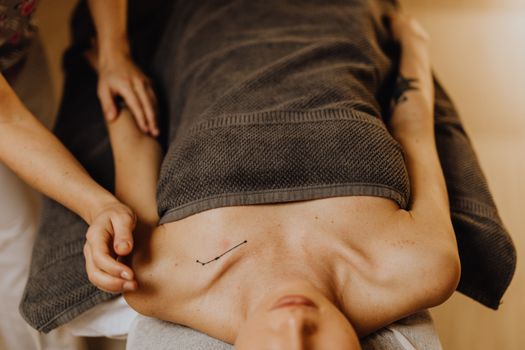
* Local Treatments: Indulge in a massage using local honey (Slovenia is a major beekeeping nation) or herbal wraps. I opted for a honey massage, and it left my skin feeling incredibly soft and my mind utterly relaxed. Prices for treatments vary but are generally more affordable than in Western Europe, starting around €40-60.
Mindful Relaxation: Find a quiet corner, sip some herbal tea, and simply be*. This is where the gentle nature of Slovenian wellness truly shines – no pressure to "do" anything, just an invitation to unwind.
### Beyond the Retreat: Integrating Wellness into Life
What truly sets Slovenia apart as a wellness destination for beginners is how effortlessly wellness is integrated into the everyday fabric of life. It’s not something you have to seek out in a dedicated retreat; it’s inherent in the culture.
Slovenian Hospitality: The people are genuinely warm, friendly, and proud of their country. Engaging with locals, even with a few basic Slovenian phrases (Dober dan - good day, Hvala* - thank you), enriches the experience immeasurably. Their unhurried pace is infectious.
* Sustainable Practices: Slovenia is deeply committed to sustainability. You’ll see recycling everywhere, local sourcing is the norm, and the protection of nature is a national priority. This environmental consciousness fosters a sense of respect and connection to the planet, which is wellness in itself.
* Art & History: Charming medieval towns like Piran on the coast, or the vibrant capital Ljubljana, offer gentle cultural enrichment. Exploring a castle or a local museum is a relaxing way to stimulate the mind without overwhelming it.
* The Pace of Life: Most importantly, Slovenia encourages a slower, more deliberate pace. It’s a place where you’re encouraged to linger, to breathe deeply, to notice the small wonders around you. This presence, this mindful living, is the most profound wellness lesson of all.
### Planning Your Slovenian Wellness Escape
Ready to swap burnout for bliss? Here’s how to plan your own gentle wellness journey to Slovenia:
Best Time to Visit:
* Spring (May-June): Lush greenery, wildflowers blooming, mild temperatures, and fewer crowds make this ideal for hiking and exploring.
* Autumn (September-October): Stunning foliage, harvest festivals (especially in the Vipava Valley), and perfect temperatures for hiking and wine tasting. My personal favorite!
* Summer (July-August): Warm and sunny, great for swimming in the lakes, but it's peak tourist season, so expect more crowds, especially around Bled.
* Winter (December-February): Snow-covered landscapes offer a magical backdrop, and the thermal spas become even more inviting.
Budgeting Your Trip:
Slovenia offers excellent value compared to its Western European neighbors, making it accessible for various budgets.
* Accommodation: Guesthouses and farm stays can be found for €50-€80/night. Boutique hotels or slightly more upscale options range from €100-€150/night.
* Food: Delicious meals at local Gostilnas are typically €15-€30. Groceries are very reasonable if you prefer to cook some of your own meals (especially easy with farm stays).
* Activities: Many nature activities like hiking and swimming are free or low cost. Entry fees to national parks or specific attractions are usually modest (€5-€15).
Getting There:
* Fly into Ljubljana Jože Pučnik Airport (LJU): It’s a small, easy-to-navigate airport with connections to major European cities.
* Train/Bus: You can also reach Ljubljana by train or bus from neighboring countries like Austria, Italy, and Croatia.
Getting Around:
* Car Rental (Highly Recommended): For maximum flexibility, especially when exploring rural areas like the Vipava Valley or smaller thermal regions, renting a car is ideal. Roads are well-maintained, and driving is straightforward. Expect to pay around €30-€50 per day.
* Public Transport: Buses connect major towns and some tourist spots (like Lake Bled/Bohinj) but can be less frequent to smaller villages, making a car more convenient for a true wellness immersion.
Safety Tips:
Slovenia is consistently ranked as one of the safest countries in the world. Violent crime is rare, and petty crime is minimal. Exercise standard travel precautions, but generally, you can feel very secure exploring on your own.
What to Pack:
Layers are key! Good walking shoes or hiking boots, a swimsuit for the lakes and thermal spas, a light rain jacket (especially in the mountains), and a reusable water bottle (the tap water is excellent).
### Your Green Escape Awaits
My time in Slovenia wasn’t about achieving some unattainable wellness ideal; it was about rediscovering what felt good for me. It was about the quiet joy of a morning hike, the deep satisfaction of a farm-fresh meal, and the pure bliss of soaking in warm, healing waters. It was an invitation to slow down, breathe deeply, and reconnect with the simple, profound beauty of nature and authentic living.
If you’re feeling the pull for a reset, but are daunted by the typical wellness scene, I urge you to look beyond the guidebooks. Slovenia is waiting to gently embrace you, to offer you a path to well-being that feels authentic, accessible, and deeply restorative. It’s the perfect place to begin your wellness journey, one slow, mindful step at a time.
Have you found a hidden wellness gem that guidebooks miss? Share your thoughts and discoveries in the comments below! And don't forget to share this post with anyone who needs a little green escape.
---
Visual journey


Tags
Share this adventure
Join the travel community
New adventures, cultural insights and travel inspiration, straight to your inbox.
We may receive a commission if you click on a link and buy a product, service or policy, at no extra cost to you. How affiliate links work.
Been there?