

I used to shy away from festivals, intimidated by the crowds and chaos. But one vibrant celebration in Oaxaca, Mexico, completely shifted my perspective, proving that sometimes, the most profound travel experiences lie just beyond your comfort zone. Here’s why Dia de los Muertos is the perfect festival for first-timers and how it changed my entire approach to exploring the world. ---
## I Found the Perfect Festival for First-Timers, and Now I Can't Travel the Same Way
For years, I was a self-proclaimed festival-phobe. My ideal travel involved quiet mornings, solitary hikes, and deep dives into local museums or hidden cafes. The thought of jostling through throngs of people, loud music, and chaotic energy filled me with dread, not excitement. Festivals, to me, seemed like an unavoidable, often overwhelming, aspect of travel that I skillfully sidestepped. I loved experiencing local culture, but from a respectful distance, an appreciative observer rather than an active participant.
Then came Oaxaca. And with it, the irresistible pull of Dia de los Muertos.
A close friend, knowing my cautious nature but also my deep desire for authentic experiences, practically dared me. "It's not a party festival, Maya," she insisted, "it's a celebration of life and remembrance. And Oaxaca… Oaxaca does it best. It's beautiful, not overwhelming." Skepticism warred with curiosity. Could a festival truly be "not overwhelming"? Could I, a seasoned traveler but festival novice, find joy in something I’d actively avoided?
Spoiler alert: I didn't just find joy. I found a profound connection, a vibrant tapestry of tradition, and an entirely new way to experience the world. Dia de los Muertos in Oaxaca wasn't just my first festival; it was a revelation that completely reshaped my travel philosophy. And if you, like old me, have been hesitant to dive into the festival scene, trust me – this is where you start.
### Why Dia de los Muertos in Oaxaca is THE Festival for First-Timers
Let's get one thing straight: Dia de los Muertos (Day of the Dead) is not Halloween. It's not spooky, and while it features skulls and skeletons, they are symbols of life, not death. This Mexican tradition, recognized by UNESCO as an Intangible Cultural Heritage of Humanity, is a heartfelt, joyful commemoration of loved ones who have passed. Families believe that on these sacred days (primarily November 1st and 2nd), the spirits of the dead return to visit their living relatives.
This fundamental difference is precisely what makes it perfect for first-timers:
1. It's a Celebration, Not Just a Party: While there are parades and festivities, the core of Dia de los Muertos is about remembrance, family, and tradition. It’s less about wild revelry and more about respectful, yet joyful, communion.
2. Deep Cultural Immersion: You’re not just attending an event; you’re witnessing a profound cultural practice. This offers a deeper, more meaningful engagement than many other festivals.
3. Family-Friendly & Welcoming: The atmosphere is inherently welcoming. Locals are proud to share their traditions, and the energy is one of warmth and community, not exclusive cliques.
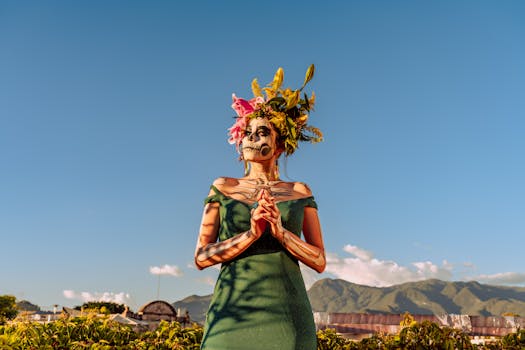
4. Visually Stunning, Not Chaotic: The aesthetics are breathtaking – vibrant marigolds, intricate altars, artistic calavera (skull) makeup, and colorful papel picado (perforated paper banners). While there are crowds, especially during parades, the overall feeling is one of shared beauty and reverence, not overwhelming chaos.
5. Oaxaca Does It Best: Oaxaca City, the culinary and cultural heart of Mexico, is renowned for its authentic and deeply rooted Dia de los Muertos celebrations. The city truly comes alive, offering a rich, accessible experience. You can observe, participate, and learn without feeling lost or out of place.
### Stepping into a Technicolor Dream: My First Impressions
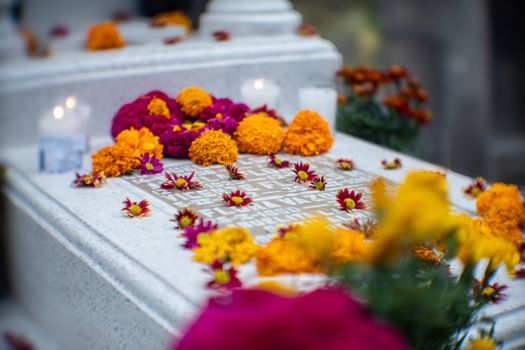
My first evening in Oaxaca, just days before the main celebrations kicked off, was an assault on my senses in the most beautiful way. The air was thick with the sweet, earthy scent of cempasúchil (marigolds), their vibrant orange and yellow petals strewn across doorsteps, market stalls, and public squares. The rhythmic strumming of guitars mingled with the distant echoes of brass bands. Every corner seemed to reveal a new ofrenda – an altar meticulously decorated with candles, photos, favorite foods, and personal belongings of the departed. These weren’t grim displays; they were bursting with life, color, and heartfelt memories.
My first true immersion came with a visit to a panteón (cemetery) in the nearby town of Xoxocotlán on the night of October 31st. I was nervous. My prior experience with cemeteries was somber, hushed. But as I walked through the gates, a wave of warmth enveloped me. Thousands of candles flickered, illuminating graves adorned with marigolds, fresh fruit, bottles of mezcal, and children's toys. Families sat together, sharing meals, telling stories, and playing music. It wasn't sad; it was deeply moving, a living testament to the enduring bond between the living and the dead. Laughter mixed with soft murmurs, and the scent of copal incense hung heavy in the air, a mystical perfume guiding the spirits home.
I remember watching a grandmother gently adjust a photo on her family's altar, her eyes sparkling with tears and a smile. It was in that moment, surrounded by such profound reverence and joy, that my festival fears began to melt away. This wasn't chaos; it was community. This wasn't overwhelming; it was utterly captivating.
### Beyond the Marigolds: Immersing in Oaxaca's Rich Culture
Dia de los Muertos in Oaxaca is a multi-sensory feast, and the festival spills into every aspect of the city's already rich culture.
The Comparsas (Parades):
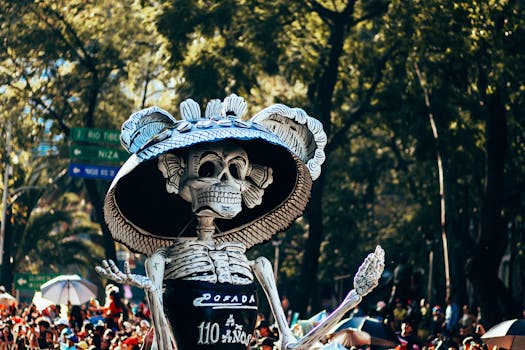
These aren't your typical marching bands. Comparsas are lively, spontaneous parades that pop up throughout the city, especially in the evenings. Locals, often dressed as Catrinas (elegant skeleton figures) or other whimsical characters, dance through the streets accompanied by energetic brass bands. I stumbled upon one near Santo Domingo church, and within minutes, I was swept up in the joyous energy, dancing alongside strangers, the infectious rhythm pulsing through me. Don't be shy – join in! It's a fantastic way to feel part of the celebration.
The Ofrendas (Altars):
These are the heart of the festival. You'll find them everywhere: in homes, businesses, public squares, and museums. Each item on an ofrenda has meaning: marigolds to guide spirits, candles for light, water to quench their thirst, pan de muerto (bread of the dead) and favorite foods to nourish them, and cherished possessions to remind them of their lives. Take your time observing them, appreciating the intricate details. Remember, these are personal tributes, so be respectful and always ask permission before taking photos, especially of private altars.
Oaxaca's Culinary Delights:
Oaxaca is Mexico's gastronomic capital, and Dia de los Muertos adds another layer of deliciousness. You must try pan de muerto, a sweet, anise-flavored bread often decorated with bone-like shapes. The calaveras de azúcar (sugar skulls) are beautiful and edible. Beyond festival fare, indulge in the city's staples: rich, complex moles (I recommend mole negro), crispy tlayudas (Oaxacan pizzas), and a warm cup of chocolate de agua. And of course, no trip to Oaxaca is complete without sampling some artisanal mezcal. Many ofrendas include a shot or two for the spirits, and you should definitely try it responsibly for yourself at a local mezcalería. Street food is abundant, cheap, and utterly delicious – don't be afraid to try the elotes (corn on the cob) or nieves (sorbets).
Art and Crafts:
Oaxaca is a hub for artisans. During Dia de los Muertos, you’ll find an abundance of folk art related to the festival: intricately carved wooden alebrijes (fantastical creatures), barro negro (black pottery), and vibrant textiles. The Mercado Benito Juárez and Mercado 20 de Noviembre are excellent places to shop, practice your bargaining skills, and soak in the local atmosphere. Many workshops also offer special classes where you can learn to paint your own calavera or create papel picado.
### Planning Your Unforgettable Dia de los Muertos Trip
Ready to experience this magic for yourself? Here’s what you need to know:
When to Go:
The main celebrations run from October 31st to November 2nd. However, the city starts decorating and buzzing with activity a week or two beforehand. Arriving a few days early (around October 28th-29th) allows you to ease into the atmosphere, explore the city, and beat some of the initial crowds for accommodation and tours.
Where to Stay:
Accommodation books up months in advance, so plan ahead!
* City Center (Centro Historico): Best for first-timers, puts you right in the heart of the action, close to major sights, markets, and parades. Expect higher prices.
* Barrio de Jalatlaco: A charming, quieter neighborhood just a short walk from the center, known for its colorful streets and boutique hotels.
* Reforma or Xochimilco: Further out, offering a more local feel and potentially better value, but you'll need to walk or take taxis/colectivos.
* Budget Options: Hostels like Hostal Casa Angel or Hostal Central offer dorms and private rooms (expect $15-30/night for dorms, $40-70 for private).
* Mid-Range: Boutique hotels like Hotel CasAntigua or Hotel Azul Oaxaca (expect $100-250/night).
* Luxury: Quita Real or Hotel de la Parra (expect $300+/night). Airbnbs are also plentiful across all price points.
Getting There:
Fly into Oaxaca (OAX): Xoxocotlán International Airport is about 20-30 minutes from the city center. Taxis and shared colectivos* are readily available.
* Fly into Mexico City (MEX) and connect: Many international flights land in Mexico City. From there, you can take a domestic flight to Oaxaca (1 hour) or a comfortable ADO bus (6-7 hours). The bus is a great budget option and offers scenic views.
Getting Around:
Oaxaca City is very walkable, especially the Centro. For venturing to cemeteries like Xoxocotlán or Atzompa, you can take a local colectivo (shared taxi/van – super cheap, about $1-2 USD per ride) or a private taxi (negotiate fare beforehand, usually $5-10 USD depending on distance).
Budget Tips:
* Eat Street Food: It’s delicious, authentic, and incredibly affordable. A full meal can cost as little as $3-5 USD.
Embrace Free Events: The comparsas, public ofrendas*, and cemetery visits are largely free.
* Local Markets: Buy souvenirs, fresh produce, and snacks at markets instead of tourist shops.
* Stay in Hostels/Airbnbs with Kitchens: Cook some of your meals to save money.
* Walk Everywhere: Not only is it free, but it's the best way to discover hidden gems.
### Practical Tips for First-Timers
To ensure your Dia de los Muertos experience is as magical as mine, keep these tips in mind:
1. Respect is Paramount: This is a sacred, deeply personal tradition for many. Be an engaged observer, but always with respect. Ask permission before photographing people, especially at cemeteries or private altars. A simple “¿Puedo tomar una foto, por favor?” goes a long way.
2. Dress Comfortably: You'll be doing a lot of walking, standing, and potentially dancing. Wear comfortable shoes. The weather in Oaxaca in late October/early November is generally warm during the day but can get cool at night, so layers are key.
3. Learn Basic Spanish: While many people in tourist areas speak English, knowing a few phrases like Hola (Hello), Gracias (Thank you), Por favor (Please), ¿Cuánto cuesta? (How much does it cost?), and Disculpe (Excuse me) will greatly enhance your experience and endear you to locals.
4. Embrace the Unexpected: Some of the best moments will be spontaneous – a comparsa appearing out of nowhere, an invitation to share a mezcal with a local family, or a chance encounter in a market. Be open to these serendipitous moments.
5. Stay Hydrated & Fueled: With all the excitement, it’s easy to forget. Carry a reusable water bottle and snack on some delicious local fruits or chapulines (fried grasshoppers, if you're brave!).
6. Capture the Magic (Responsibly): Yes, it’s incredibly Instagram-worthy! But put your phone down sometimes. Soak in the atmosphere. The most profound memories aren't always captured through a lens. When you do photograph, be mindful and discreet.
7. Consider a Guided Tour (at first): For your first cemetery visit, especially at night, a local guide can provide invaluable context, ensure safety, and help you understand the nuances of the traditions. Many hostels and local tour operators offer these.
### The Aftermath: How This Festival Changed My Travel Philosophy
Returning home from Oaxaca, I realized something profound. My old way of traveling, while comfortable, had kept me at arm's length from the beating heart of a destination. Dia de los Muertos didn't just invite me in; it pulled me into a warm embrace, showing me that true cultural immersion often lies in the very "chaos" I used to avoid.
I learned that participating, even as an outsider, can be more enriching than simply observing. The shared humanity, the collective joy and remembrance, the vibrant expressions of tradition – these are the threads that weave us into the fabric of a place. I am no longer afraid of crowds; I now see them as a tapestry of shared human experience. I no longer shy away from festivals; I actively seek them out as unparalleled windows into a culture's soul.
Dia de los Muertos showed me that death is not to be feared but to be integrated into life, celebrated with color, music, and love. It taught me that genuine connection often happens in the most unexpected, bustling, and beautiful places. My passport now feels like a roadmap to finding more such experiences – more festivals, more spontaneous dances, more moments where I can shed my inhibitions and truly become part of the world.
If you’ve ever hesitated to attend a festival, if you crave a deeper connection with the places you visit, or if you simply want to witness something truly extraordinary, please, let Dia de los Muertos in Oaxaca be your first. It will not only introduce you to a beautiful tradition but might just change the way you travel forever.
---
Are you ready to redefine your travel? Start planning your Dia de los Muertos adventure now! Share your thoughts or past festival experiences in the comments below!
Visual journey


Tags
Share this adventure
Join the travel community
New adventures, cultural insights and travel inspiration, straight to your inbox.
We may receive a commission if you click on a link and buy a product, service or policy, at no extra cost to you. How affiliate links work.
Been there?