
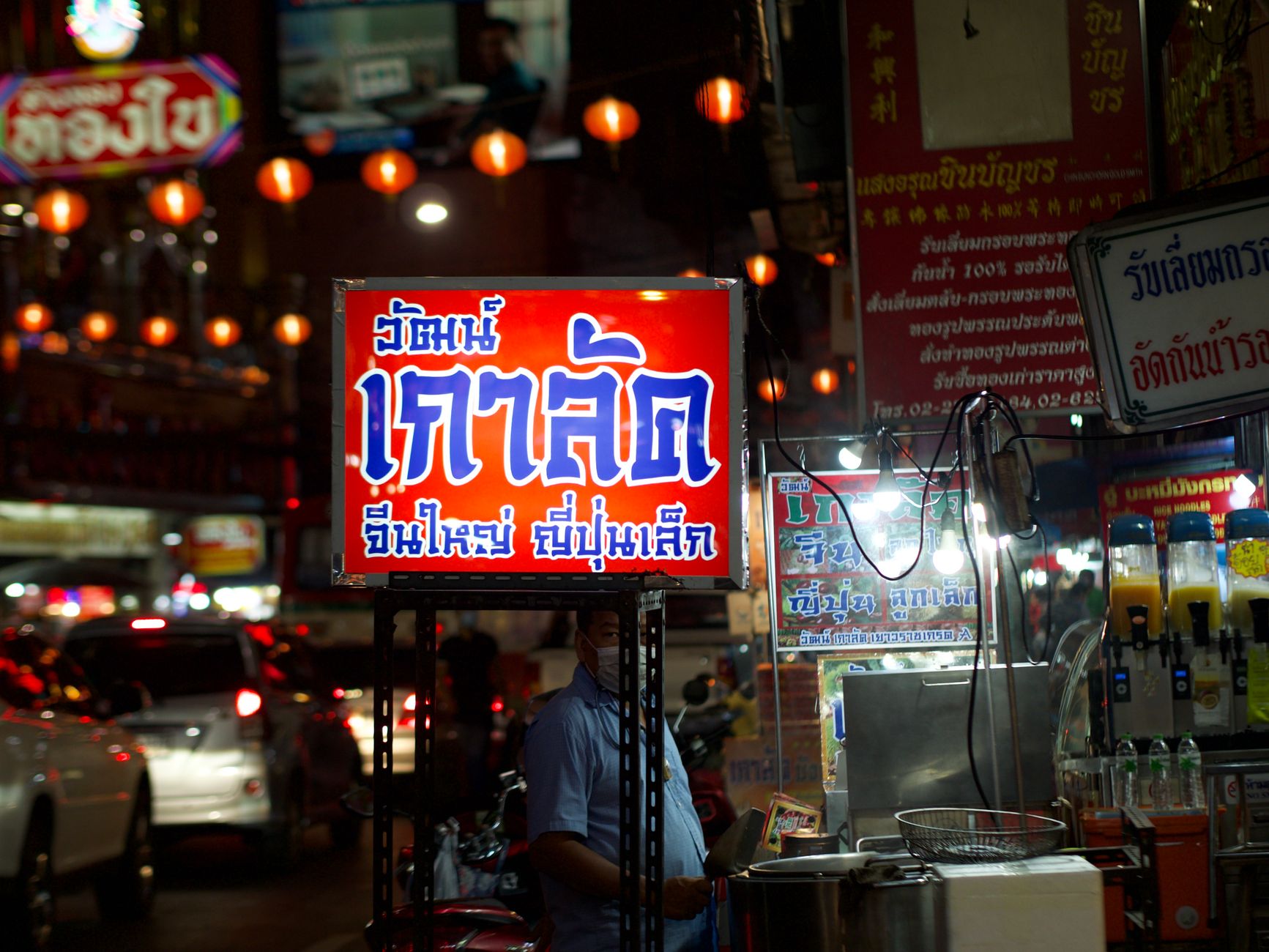
My search for authentic Thai cuisine led me down a path I almost ignored, trading air-conditioned restaurants for the sizzling woks and vibrant chaos of Bangkok's street food scene. What I found was a culinary revelation – flavors so profound and experiences so rich, they completely redefined my understanding of eating well while traveling. Prepare to have your taste buds awakened and your travel plans updated!
The year was 2018, and I was in Bangkok for the first time, brimming with anticipation. Like many first-time visitors, I had a mental checklist: visit the Grand Palace, cruise the Chao Phraya, and, of course, eat some authentic Thai food. My initial approach to the latter was, admittedly, a bit… safe. I’d booked tables at highly-rated, beautifully decorated restaurants, the kind with linen napkins and English menus. The food was good, don’t get me wrong – a perfectly acceptable Pad Thai, a fragrant Green Curry. But something was missing. A spark, a certain je ne sais quoi that I couldn’t quite put my finger on. I felt like I was observing Thai culture, not truly experiencing it.
One humid evening, after another pleasant but unremarkable restaurant meal, I found myself wandering down a side street off Sukhumvit. The air thickened with the scent of grilling meats, sweet fried dough, and something gloriously savory I couldn't identify. A symphony of clanging woks, fervent chatter, and the occasional whir of a blender filled the air. My nose twitched, my stomach rumbled with a hunger more primal than anything I'd felt that day. I saw locals perched on tiny plastic stools, hunched over steaming bowls, eyes wide with pure, unadulterated joy. A nervous excitement fluttered in my chest. This was it. This was the authentic experience I’d been craving, lurking just beyond my comfort zone, almost missed entirely.
That night, I took a leap of faith. I pointed at a stall where a formidable woman with a stern but kind face was expertly flipping noodles in a wok the size of a small car tire. My order was a hopeful "Pad See Ew?" and a mime of eating. What landed in front of me minutes later was nothing short of miraculous. Fresh, chewy rice noodles, perfectly charred, tender slices of pork, crisp Chinese broccoli, and a sauce that was a harmonious blend of sweet, salty, and umami. It was vibrant, alive, and utterly delicious. It cost me less than $2. And just like that, my entire perception of food, travel, and adventure shifted. I had found street food better than restaurants, and my travel life was forever changed.
### Decoding the Delicious Chaos: Your Gateway to Street Food Bliss
Stepping into a bustling street food market can be overwhelming. The sheer volume of options, the language barrier, the perceived lack of hygiene – it's enough to send even seasoned travelers scurrying back to their hotel restaurants. But fear not, intrepid foodie! With a few pointers, you'll be navigating like a local in no time.
Look for the Locals:
This is the golden rule. If a stall has a line of locals, especially during peak meal times (lunch 12-2 PM, dinner 6-9 PM), it's a good sign. They know where the good food is, and high turnover means fresh ingredients.
Observe the Operation: Take a moment to watch. Is the food being cooked fresh to order? Are ingredients stored properly (e.g., meat on ice, not sitting in the sun)? Are the utensils and serving areas reasonably clean? While street food isn't sterile, common sense goes a long way.
Focus on Hot & Fresh: Prioritize dishes that are cooked right in front of you and served piping hot. The heat kills most bacteria, making it a safer bet. Avoid anything that looks like it's been sitting out for hours, especially salads or pre-cut fruits.
The "One Dish Wonder": Many vendors specialize in one or two dishes. They've perfected these recipes over years, sometimes generations. These specialists are often the best finds.
Embrace the Language Barrier (with help): Don't be shy! A smile, pointing, and a few basic phrases (like "Aroy mak!" - very delicious!) will get you far. Many vendors are used to tourists and some might even have picture menus or a few English words. Google Translate’s camera function is a lifesaver for deciphering menus.
### My Top Bangkok Street Food Discoveries (You MUST Try These!)
Bangkok is a street food paradise, a city that eats on its feet. Here are some of my absolute favorite finds, complete with details to help you track them down:
1. Pad See Ew at Lung Yai's Stall (Sukhumvit Soi 38 - though note this area has changed, similar stalls can be found around Ekkamai or On Nut): This was my initiation. The magic is in the "wok hei" – the breath of the wok – that smoky char only achieved in fiercely hot woks. Lung Yai's (or a similar local stall) offered thick, chewy rice noodles, perfectly tender slices of pork or chicken, crisp Chinese broccoli, and a sauce that was perfectly balanced between savory, sweet, and a hint of dark soy. Expect to pay: 50-70 THB ($1.50-$2.20 USD).
2. Mango Sticky Rice (Khao Niao Mamuang) at Mae Varee (Thong Lo): This legendary spot is a pilgrimage for anyone seeking the perfect rendition of Thailand's most famous dessert. The mangoes are always perfectly ripe, sweet, and fragrant. The sticky rice is cooked to perfection, glistening with coconut milk, and served with a sprinkle of crispy mung beans. It's a symphony of textures and flavors. Expect to pay: 100-150 THB ($3-$4.50 USD) for a generous portion.
3. Boat Noodles (Kuay Teow Reua) at Victory Monument: Imagine a tiny bowl of intensely flavorful broth, rich with pork blood, herbs, and spices, filled with thin rice noodles, tender slices of pork or beef, and often a pork ball or two. The tradition is to stack your empty bowls, a testament to how many you've devoured! Head to the canal-side cluster of stalls near Victory Monument for the quintessential experience. They are usually served in small portions, so you can try multiple bowls. Expect to pay: 15-20 THB ($0.50-$0.65 USD) per small bowl.
4. Isaan Sausage (Sai Krok Isaan) & Grilled Skewers (Moo Ping): These are ubiquitous and irresistible. The Isaan sausage, a fermented pork and rice sausage, has a delightful tang and spiciness, often served with fresh cabbage, ginger, and chilies. Moo Ping (grilled pork skewers) are marinated in a sweet and savory sauce, then grilled over charcoal until caramelized and tender. Perfect for a quick snack or a light meal. Look for them almost anywhere! Expect to pay: 10-20 THB ($0.30-$0.65 USD) per skewer/sausage.
5. Hoi Tod (Crispy Oyster Omelet) or Pad Hoi Tod (Mussel Omelet): This is a textural marvel. A thin, crispy batter cooked on a hot griddle, studded with plump oysters or mussels, served with bean sprouts and a tangy chili sauce. The contrast between the crispy edges and the soft, succulent seafood is divine. I found an incredible version at a corner stall in Yaowarat (Chinatown) that had been there for decades. Expect to pay: 60-100 THB ($1.80-$3 USD).
6. Guay Teow Kua Gai (Stir-fried Chicken Noodles): A lesser-known but equally delicious dish. Flat rice noodles are stir-fried with chicken, squid, and sometimes egg, often with a smoky char, then served with a side of crispy fried dough (patongo). It’s comfort food at its finest. Seek out small, family-run stalls off the main drag for the best versions. Expect to pay: 50-80 THB ($1.50-$2.50 USD).
7. Khanom Krok (Coconut Pancakes): These delightful little morsels are cooked in a special cast-iron pan, resulting in a crispy exterior and a warm, custardy, sweet coconut interior. Often topped with corn, taro, or spring onion for a savory twist. A perfect sweet treat. Expect to pay: 30-50 THB ($0.90-$1.50 USD) for a tray.
### Beyond the Plate: Cultural Immersion and Local Perspectives
Eating street food isn't just about the food; it's a deep dive into the local culture. It's watching families share meals, seeing vendors' dedication to their craft, and experiencing the rhythm of daily life.
I remember sitting at a tiny table, sharing a communal bottle of water with strangers, all of us united by the exquisite taste of the Boat Noodles. The elderly vendor, her face etched with a lifetime of smiles, watched over her small empire with pride. She didn't speak English, and I knew only a few Thai words, but the shared laughter and appreciative nods transcended language. This interaction, this feeling of belonging, is something no upscale restaurant can replicate.
Street food is a social equalizer. Everyone, from tuk-tuk drivers to office workers, gathers around these humble stalls, sharing stories, gossip, and the sheer joy of a delicious, affordable meal. It's where you truly feel the pulse of the city.
### Staying Safe & Savvy: A Few Practical Tips
While the rewards are immense, it's wise to approach street food with a few precautions.
* Hydration is Key: Always carry bottled water. Avoid tap water, and be cautious with ice unless you're sure it's made from filtered water (clear, cylindrical ice is usually safe; cloudy, irregular ice may not be).
Spice Levels: Thai food can be spicy*. If you're sensitive, learn to say "Mai phet" (not spicy) or "Phet nit noi" (a little spicy). You can always add more chili later.
* Hygiene First (Yours, Too!): Carry hand sanitizer. You'll be eating with your hands sometimes, or using shared utensils.
* Dietary Restrictions: If you have allergies, prepare a translation card in Thai. "Pak mai sai neua" (vegetarian, no meat) or specific allergy warnings can be very helpful.
* Cash is King: Most street food vendors only accept cash, usually small denominations. Have plenty of 20, 50, and 100 THB notes.
* Trust Your Gut: If a stall looks dirty, if the food smells off, or if something just doesn't feel right, politely move on. There are thousands of other options.
### Budgeting for Bliss: Eating Like a King (or Queen!) on Pennies
One of the most appealing aspects of street food is its incredible affordability. You can eat like royalty for a fraction of what you'd spend in a restaurant. For instance, a hearty meal of Pad See Ew, a couple of Moo Ping skewers, and a fresh fruit shake might set you back a grand total of 150-200 THB ($4.50-$6.50 USD). Compare that to 300-500 THB ($9-$15 USD) or more for a single dish in a mid-range restaurant!
This means you can try more dishes, experiment with different flavors, and still have plenty left over for other experiences. Street food is the ultimate budget traveler's hack, proving that delicious, authentic food doesn't have to break the bank.
### The Unspoken Language of Flavor: Why Street Food Triumphs
Why is street food often better than its restaurant counterpart? It boils down to several factors:
* Freshness: Ingredients are often bought fresh from the market that morning, sometimes even harvested that day. The turnover is high, ensuring peak freshness.
* Specialization: As mentioned, many vendors specialize. They've made that one dish a thousand times, honing it to perfection. It's their livelihood, their family's recipe, their legacy.
* Passion: You can taste the passion. These are often family businesses, passed down through generations. There's a pride in the craft that shines through every bite.
* Authenticity: Street food is often less adapted for tourist palates. It's the real deal, the flavors and preparations that locals truly love.
* The Atmosphere: The sounds, the smells, the steam, the communal eating – it all adds to the experience, making the food taste even better.
### Best Times to Visit and Getting Around Bangkok
Bangkok's street food scene is vibrant year-round. However, the cooler, drier months from November to February offer the most comfortable weather for exploring. Avoid the peak of the hot season (March-May) if you're sensitive to heat.
Getting around Bangkok is easy. The BTS Skytrain and MRT Subway are efficient and air-conditioned, connecting you to many major street food hubs like Asok, Phrom Phong, Thong Lo, and Hua Lamphong (for Chinatown). For shorter distances or to reach more off-the-beaten-path stalls, tuk-tuks and metered taxis are readily available. Just remember to negotiate tuk-tuk fares beforehand or ensure taxis use the meter. Grab (the ride-hailing app) is also a fantastic option for convenience and transparent pricing.
### My Street Food Epiphany: A Call to Action
That first plate of Pad See Ew on a bustling Bangkok street didn't just fill my stomach; it opened my eyes to a whole new way of traveling. It taught me that sometimes, the greatest treasures are found when you step away from the polished, predictable path and dive headfirst into the raw, authentic heart of a destination.
My Bangkok street food journey transformed me from a cautious observer into an eager participant, a culinary explorer. It taught me to trust my instincts, embrace the unknown, and savor every single, glorious bite.
So, next time you're planning a trip, wherever it may be, I challenge you: Ditch that fancy reservation, just for one night. Wander down an alley, follow your nose, and pick the busiest, most chaotic-looking street food stall you can find. Strike up a conversation (even if it's with gestures), try something new, and let the magic unfold. You might just find the best meal of your life, a dish so profoundly delicious, you'll wonder how you almost missed it.
Have you had a similar street food revelation? Share your stories and your favorite hidden food gems in the comments below! Let's inspire each other to eat adventurously.
Visual journey




Tags
Share this adventure
Join the travel community
New adventures, cultural insights and travel inspiration, straight to your inbox.
We may receive a commission if you click on a link and buy a product, service or policy, at no extra cost to you. How affiliate links work.
Been there?